Mkwesaqtuk/Cap-Rouge Campground

Cliffside walk-in camping with Gulf sunsets and clean comforts
Mkwesaqtuk/Cap-Rouge Campground, Cape Breton Highlands National Park
InsideCape Breton Highlands National Park

Overview

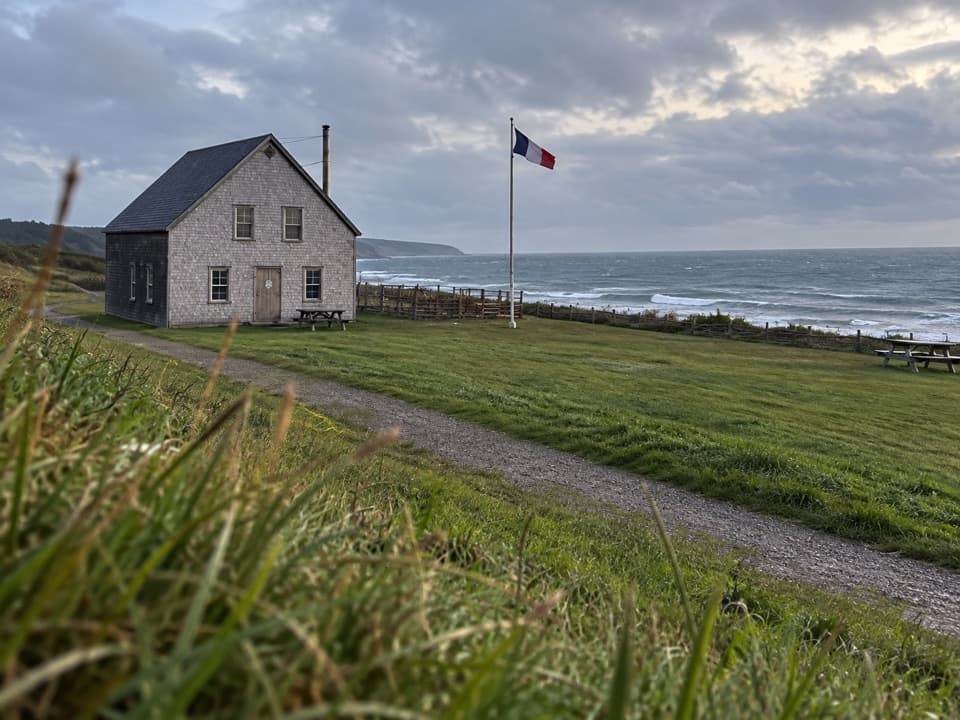
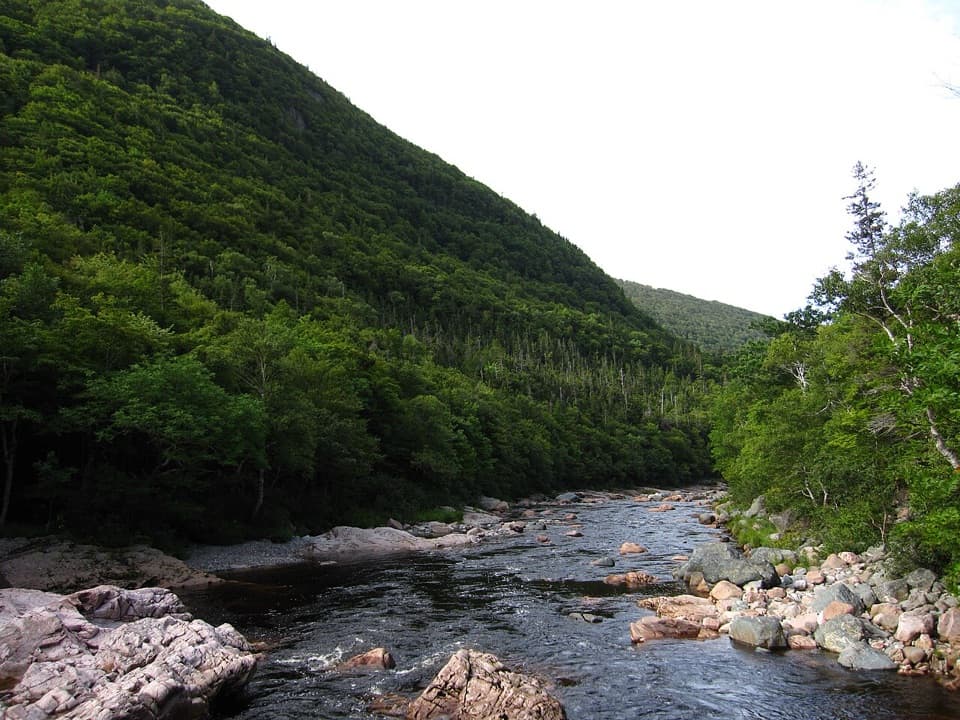
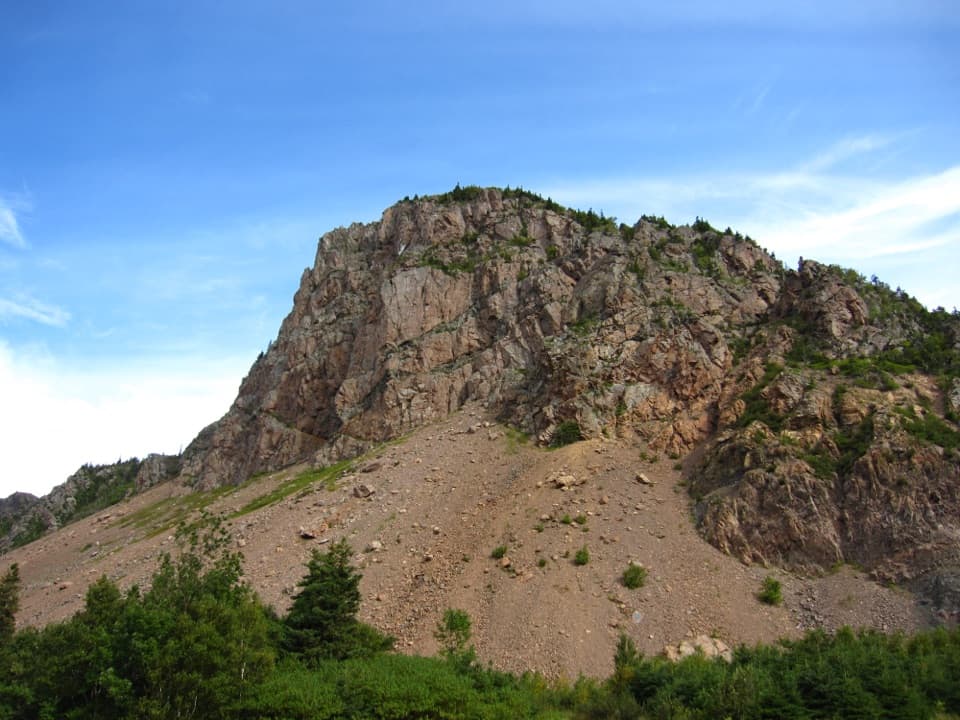
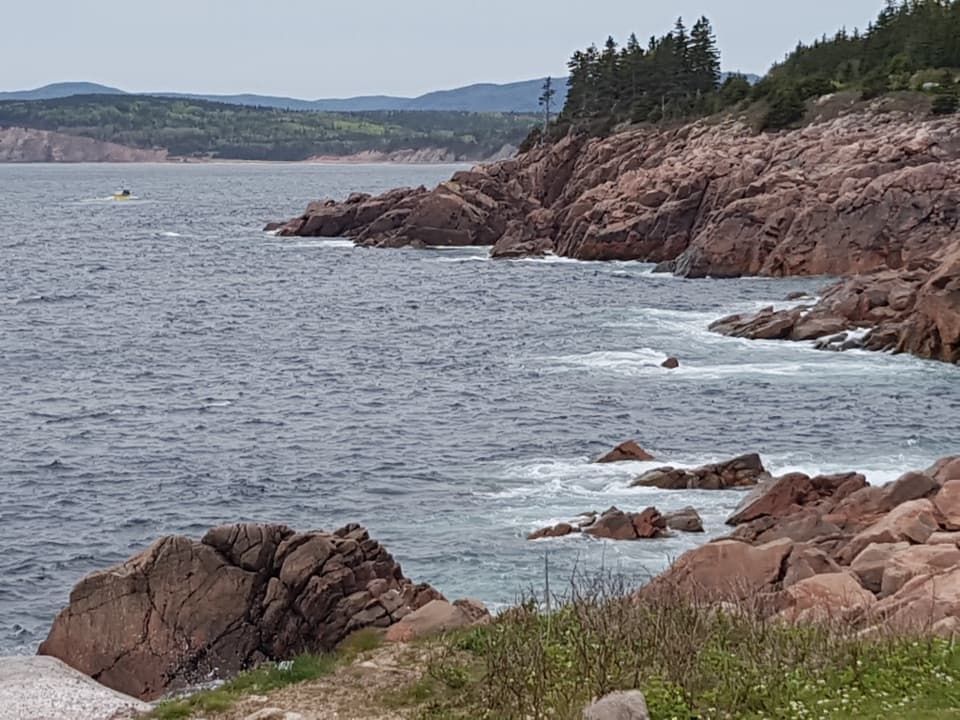
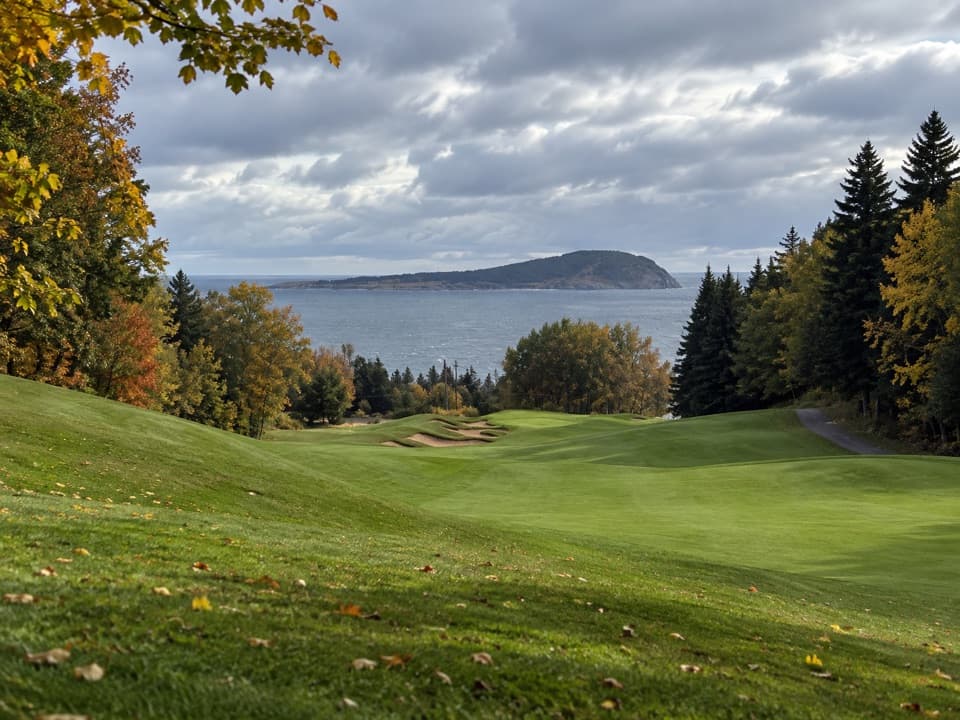
This is the park’s newest cliff‑side base camp where mountains meet the sea. Set just south of Chéticamp along the Cabot Trail, Mkwesaqtuk/Cap‑Rouge pairs big‑sky Gulf of St. Lawrence views with a calm, walk‑in vibe. The Mi’kmaw–French name nods to a coast that “changes to red,” and the design leans into Acadian heritage.

Campsites and Roofed Options

All 47 sites are reservable. The current lineup: 40 unserviced walk‑in tent sites with fire pits, 5 walk‑in oTENTiks, and 2 Tiny Cabins. Carts are provided, so you get backcountry quiet with frontcountry conveniences. Pets are welcome at campsites but not inside oTENTiks or Tiny Cabins.

Facilities and Comforts

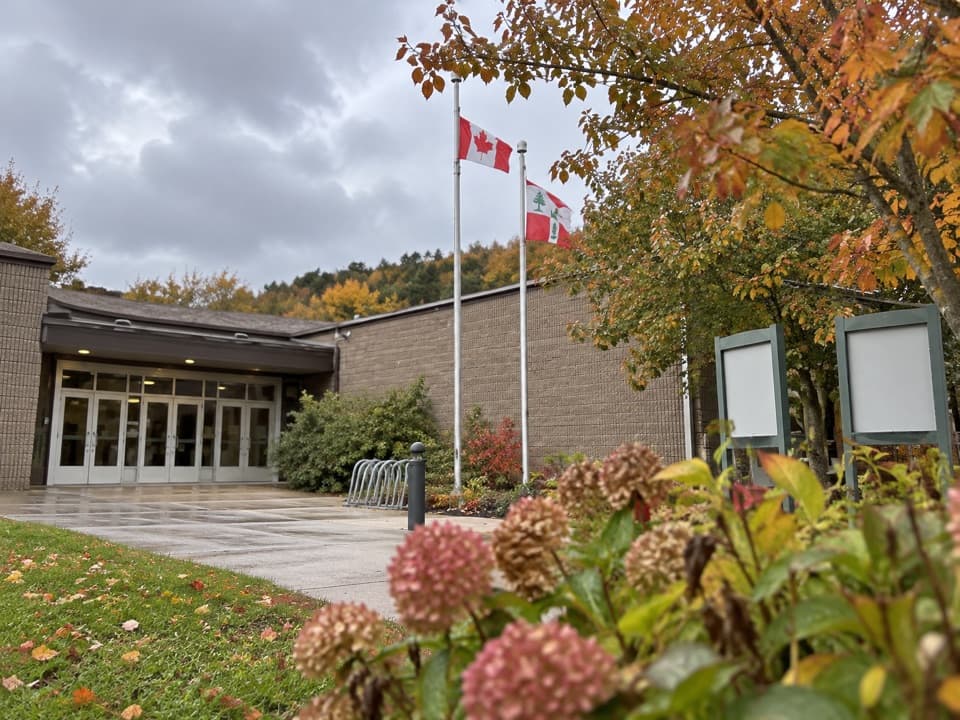
Expect front‑line amenities for a coastal campground: flush toilets and hot showers, potable water taps, kitchen shelters with picnic tables and wood stoves, solar lighting in common areas and oTENTiks, and propane heat in oTENTiks. There’s an interpretive/activity building, and cell reception can vary. The Tiny Cabins add a simple, four‑person layout with heat, light, USB‑A power, a covered porch, outdoor firepit/charcoal BBQ, and a picnic table.

Setting and Things to Do

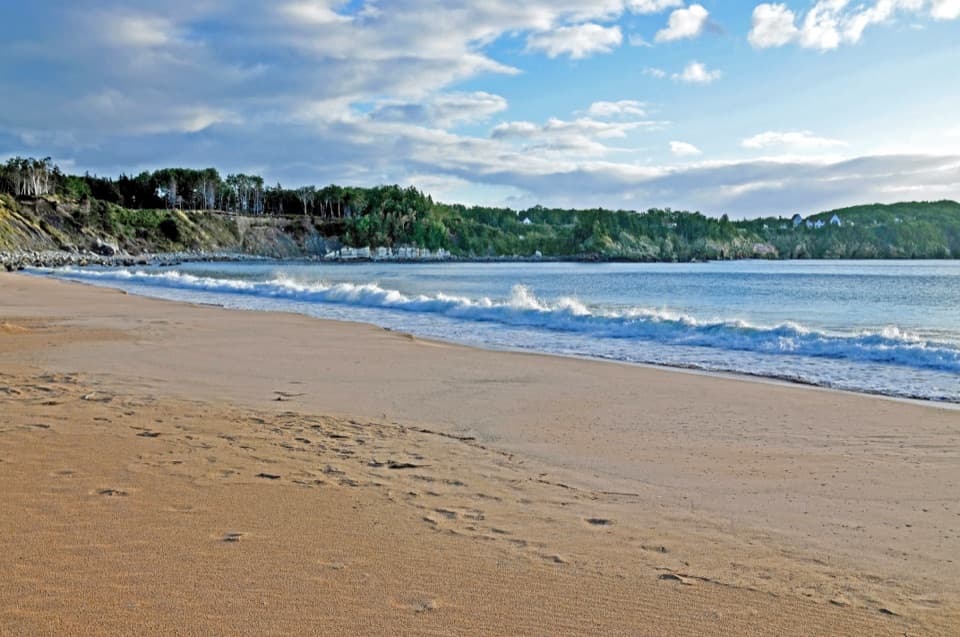
Stroll down to the cobblestone beach to skip rocks, wade, or launch a canoe/kayak/SUP when conditions are calm. Up top, seek out the Parks Canada Red Chairs for a front‑row sunset over the Gulf. From camp you can bike or hike Le vieux chemin du Cap‑Rouge (about 9 km return). Nearby trail classics include Acadian (big coastal views), Le Buttereau (history plus scenery), and Salmon Pools along the river—keep an eye out in season for Atlantic salmon in the pools. Chéticamp is close for groceries, restaurants, whale tours, and a sandy swim beach when you want a town day.

Conservation Touches

The site was built with coastal resilience in mind, including natural erosion mitigation (think hundreds of rose bushes) and a low‑car footprint thanks to the walk‑in design.

Season and Programming

For 2025, the campground operates June 13 to October 26. In July and August, expect park programming like guided hikes, nature talks, weekly campfires, and Indigenous storytelling.

What It’s Like (and Who It’s For)

If you love sea‑cliff sunsets, quiet nights without cars rolling past, and spotless facilities, this place hits the sweet spot. If pushing a cart and planning for wind sounds like a chore, it may feel inconvenient—especially in blustery weather—so plan your packing accordingly.

Best Time to Visit

Golden hour is the headline here—aim for late‑day light for photos and sunsets over the Gulf. Midweek dates are typically calmer than weekends. Arrive early afternoon so you can cart your gear in daylight and settle before the wind picks up. Shoulder weeks on either side of July–August are great for fewer neighbors, with the full operating season running June 13–October 26, 2025.

Pros

  • Cliffside Gulf views with dreamy sunset Red Chair spots
  • Walk-in sites feel private; gear carts provided
  • Clean comforts: hot showers, flush toilets, kitchen shelters with stoves

Cons

  • No vehicle access to sites, so hauling gear is required
  • Windy cliffside setting can be noisy in strong blows

Tips

  • Pack like a backpacker—bins and duffels ride best in the gear carts.
  • Aim for sunset at the Red Chairs and bring a wind layer for the cliff.
  • Book Tiny Cabins early; they’re few and a short walk from parking.
  • Cell service is spotty—download maps and info before you arrive.
  • Calm seas only for launching small watercraft; the beach is cobblestone.
The Parkwolf tour guide sitting on a phone mounted in a car

Parkwolf Tour Guide

Like a tour guide in your car.

Save the places you found around Cape Breton Highlands, then let Parkwolf guide the drive between them.Download Parkwolf on the App Store