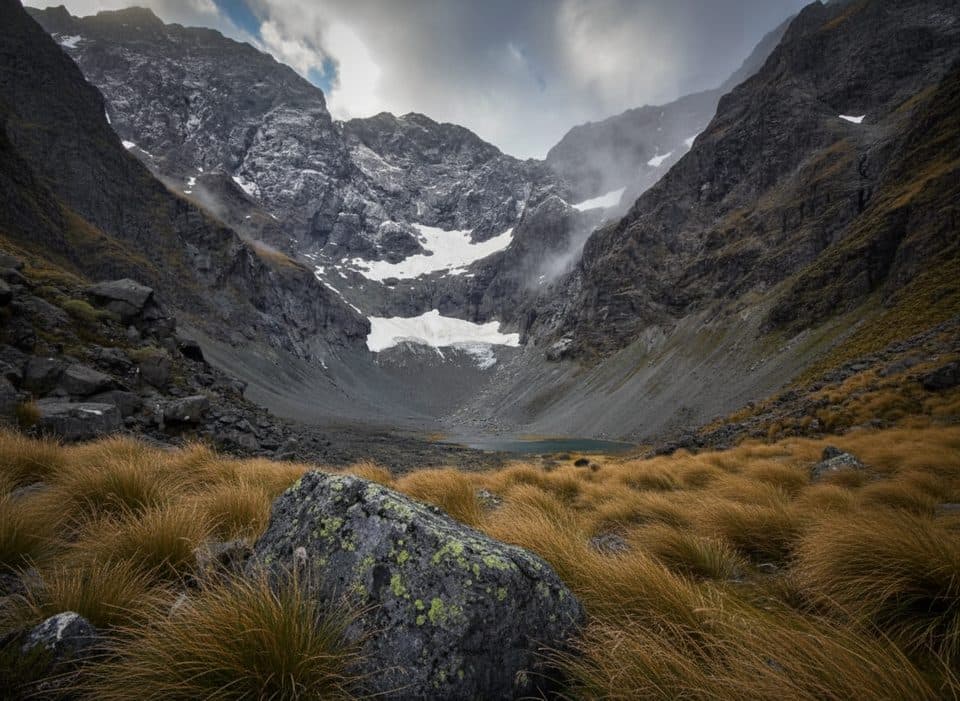
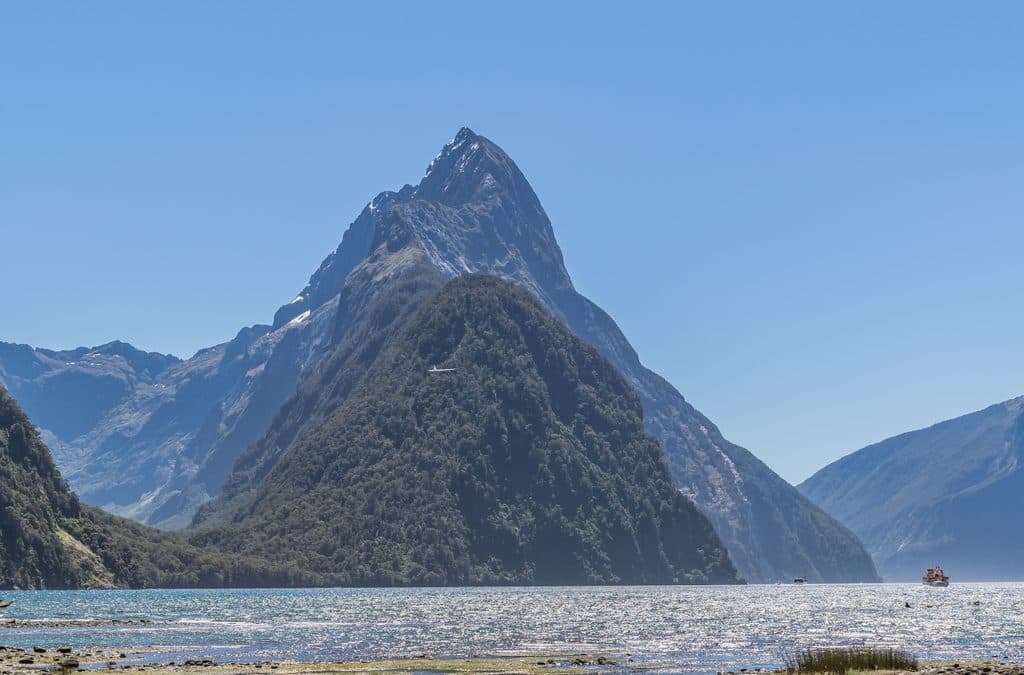
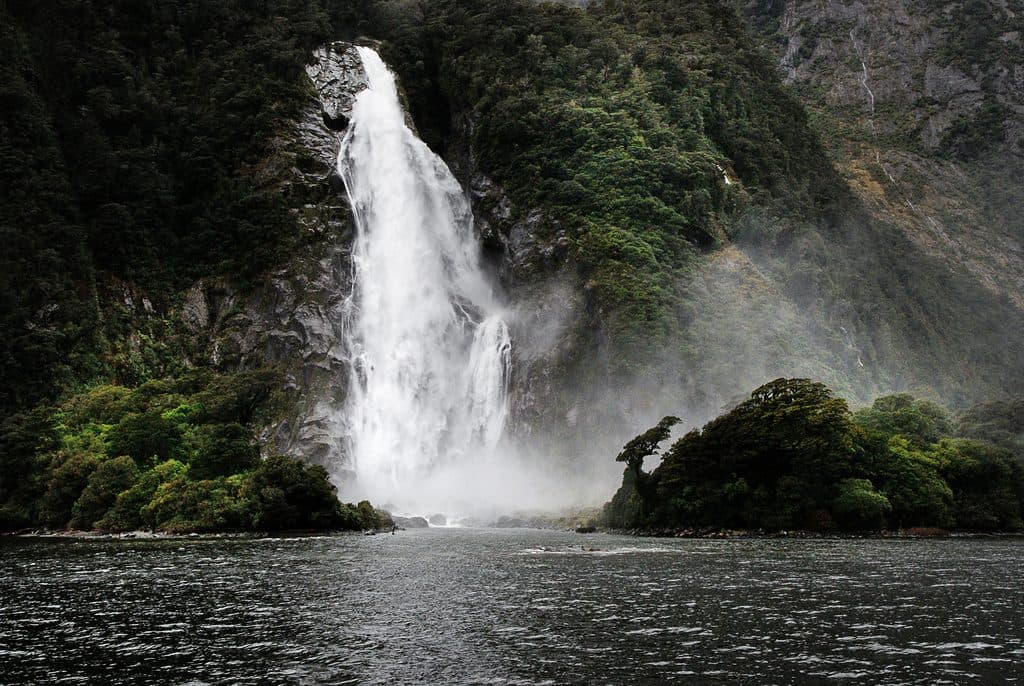
Tucked right off the Milford Road, Ōtāpara / Lake Gunn is a low-effort, high-reward stop: a short nature walk through dripping-green beech forest that pops you out onto a pebbly shore with big mountain views. On calm days the lake turns into a mirror—some visitors even rate the reflections better than the more famous Mirror Lakes.
Why stop
Easy, mossy beech-forest loop to a tranquil lakeshore
Mirror-like reflections on calm days with great photo ops
Heads up
Sandflies can be relentless near the water
Perfectly still, cloudless conditions are uncommon
Aim for early morning or late afternoon for the calmest water and best light.
2
Use the Cascade Creek DOC campground for dependable lake access, parking, and toilets.
3
Pack insect repellent and consider long sleeves—sandflies love still days.
4
Budget 30–45 minutes for the Lake Gunn Nature Walk, plus photo time.
5
There are no services here; bring water and snacks, and expect changeable weather.
Plan your stop
Before you go
Best time to visit
Early morning or late afternoon offers your best chance at calm water and flattering light for reflections.
Any day works, and it usually feels less crowded than bigger-name stops along the Milford Road.
If you luck into a still, cloudless window, drop everything and shoot—those conditions don’t last.
Logistics and facilities
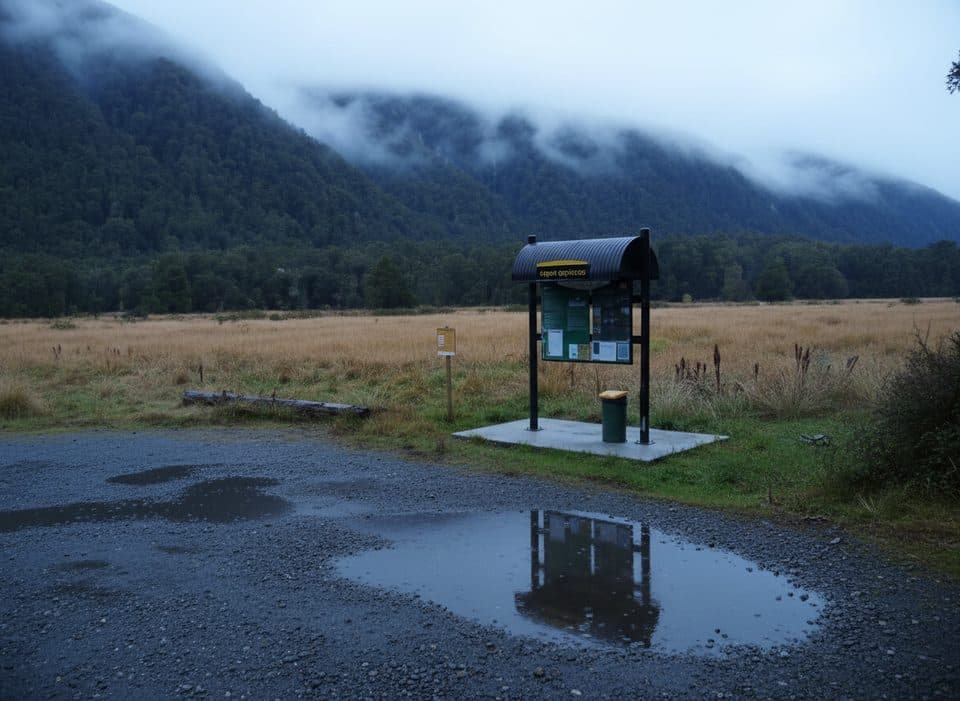
Most reliable access is via the Cascade Creek Department of Conservation (DOC) campground on SH94; you’ll find parking, basic toilets, and picnic tables there. Water is available but must be boiled or treated.
There are no shops, fuel, WiFi, or restaurants here; stock up in Te Anau. Mobile reception is patchy to none.
Roadside trees often block views—use the campground access or keep an eye out for occasional pullouts to actually see the lake.
Parkwolf Tour GuideThe highest, rockiest slopes around here are a summer buffet for grizzly bears.
Fiordland Tour Guide
Your drive to Ōtāpara / Lake Gunn, narrated.
Parkwolf is a GPS audio tour guide for Fiordland National Park. As you drive, it chimes in with what’s ahead: hidden gems, upcoming stops, history, geology, and wildlife, right through your car’s speakers.
“Keep an eye out after sunset, because New Zealand's only native land mammals live here – and they're bats. The long-tailed bat, or pekapeka, weighs about the same as a coin and raises just one pup a year.”
Plays on the road 1 km from Ōtāpara / Lake Gunn in the Parkwolf Fiordland Tour Guide.
More stories near here in the app
Takahē: Fiordland’s Living Fossil
Cascade Creek and the Lake Gunn Nature Walk
Cascade Creek Campsite and Lake Gunn Walk
Pūtēketeke: Fiordland's Dancing Grebes
126 audio storiesacross Fiordland’s roads, triggered by GPS as you drive
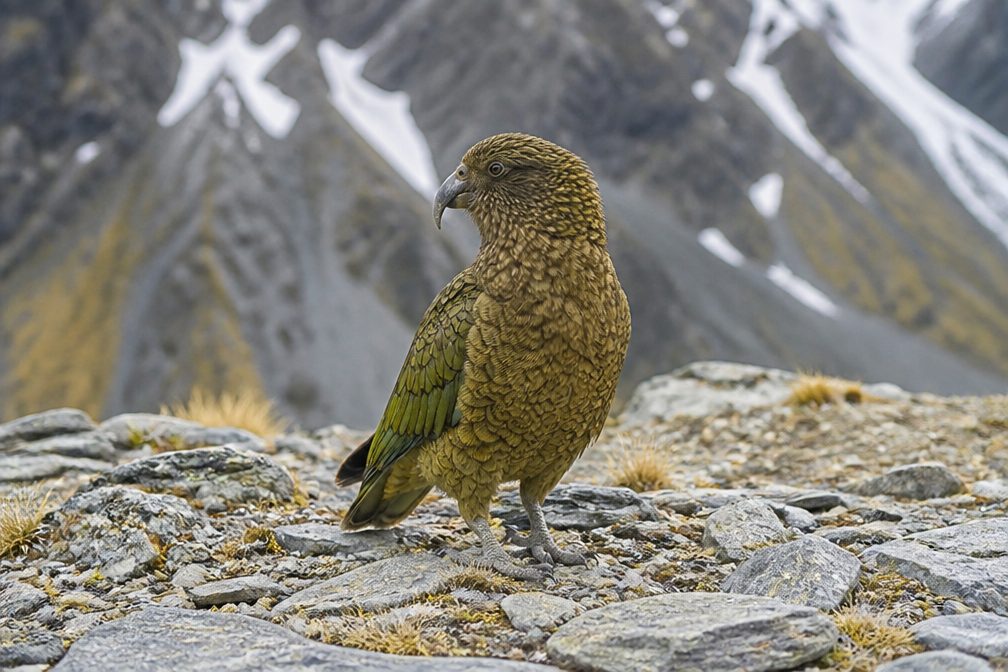
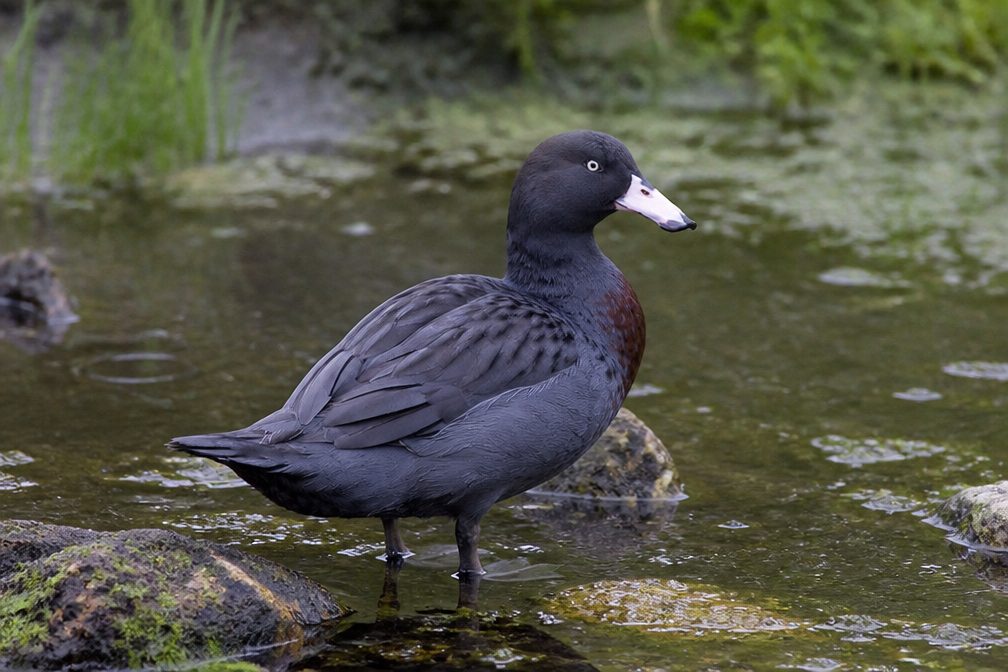
Wildlife heatmapsfor Kea, Fiordland Penguin, Blue Duck, and 13 more
Works offlinemaps, 68 trails, 124 places, and audio download before you lose signal
CarPlay readysimple controls built for the drive
★★★★★
“Fantastic app with many points of information… It’s great to just turn on while you’re driving and it gives you an audio tour of the national Park. We love it!!!!”
JMJamesApp Store review
★★★★★4.7 from 8,600+ ratings
Guide
More about Ōtāpara / Lake Gunn
What you'll seeA moss-draped red beech forest that feels straight out of a fantasy set, with giant, scarred…
A moss-draped red beech forest that feels straight out of a fantasy set, with giant, scarred trees and vivid green logs.
A quiet pebbled beach on the lake edge for lingering and taking in the panorama.
Glassy reflections when the wind drops—utterly photogenic if you time it right.
The walkLake Gunn Nature Walk is an easy, flat loop of about 30–45 minutes.
Lake Gunn Nature Walk is an easy, flat loop of about 30–45 minutes.
Starts near the lakeshore and weaves through ancient beech before reaching the water—great for families or anyone wanting a leg stretch between Te Anau and Milford.
WildlifeExpect lively birdsong and regular sightings of friendly natives like robins, fantails, and…
Expect lively birdsong and regular sightings of friendly natives like robins, fantails, and bellbirds in the forest.
Around Cascade Creek/Gunns Bush, keep an ear out for kākā (large forest parrots) and parakeets high in the canopy.
Bring repellent: sandflies are part of the deal near the water, especially when it’s still.
History and geologyLake Gunn is a post‑glacial basin, carved by retreating ice alongside nearby lakes Fergus and…
Lake Gunn is a post‑glacial basin, carved by retreating ice alongside nearby lakes Fergus and Lochie.
Named after George Gunn, who (with David McKellar) first climbed Key Summit and sighted the lake in 1861.
The valley can get fierce downdrafts during storms (“wind bombs”) that have left noticeable forest damage along the walk.
Photo tipsWork low at the water’s edge to maximize reflections; include pebbles or mossy trunks for…
Work low at the water’s edge to maximize reflections; include pebbles or mossy trunks for foreground interest.
If it’s breezy, head for forest details—moss textures and tree forms shine in soft, overcast light.