1 active Glacier alert
- ClosureTwo Medicine Campground closed for 2026 constructionTwo Medicine Campground is closed throughout 2026 because of construction in the Two Medicine developed area.Official details

Sight · Glacier National Park
Two foaming drops and blue-green pools reward this short hike.
Overview
St. Mary Falls is a roughly 35-foot waterfall on the St. Mary River just above St. Mary Lake. Water drops through a narrow, layered-rock gorge into blue-green pools, close enough to hear the rush and feel the spray. This is a destination hike, not a roadside stop; many walkers continue farther along the trail to Virginia Falls.
 Parkwolf’s verdictWorth the walk
Map
Plan your stop

The highest, rockiest slopes around here are a summer buffet for grizzly bears.
Glacier Tour Guide
Parkwolf is a GPS audio tour guide for Glacier National Park. As you drive, it chimes in with what’s ahead: hidden gems, upcoming stops, history, geology, and wildlife, right through your car’s speakers.
See the Glacier audio tourRecorded for this place
St. Mary and Virginia Falls“You're nearing the trail access for St. Mary and Virginia Falls, a good stop if you want waterfalls and time on foot. From the shuttle stop, St.”
Plays as you drive up to St. Mary Falls in the Parkwolf Glacier Tour Guide.
More stories near here in the app
“Our first time to glacier and we used the audio portion for Going to the Sun Road. Wonderful information with perfect advice of what to see and do along the road.”


Guide
From the St. Mary Falls shuttle stop, the walk is 0.8 mile one way with 260 feet of descent. From the formal trailhead, it is 1.2 miles each way, with that climb to make on the return. A paid boat trip from Rising Sun gives you a different approach, followed by a 1.6-mile walk. The trailhead lot is small and can be crowded on summer days, so check current park transit options if you want to avoid depending on a parking space.
Two large cascades tumble into the upper pool, with a smaller drop below the footbridge. For a photo, keep both main drops and the blue-green pool in frame; the water alone does not show the shape of the gorge. The rocks are steep and the water is fast, so stay back from the edges and use the established viewing area.
The 2015 Reynolds Creek Fire burned forest around the approach, leaving much of the trail with little shade. Indigenous people have used fire across this landscape for generations to clear travel corridors and encourage food and medicinal plants; park fire management now balances those ecological benefits with visitor and infrastructure safety. The bare trunks open the view but leave hikers exposed to sun and heat, so carry water and sun protection on warm days.
American dippers may be feeding near the falls. Look for small gray birds bobbing on riverside rocks before diving under the current; a sighting is a bonus, not a promise.
Wildlife
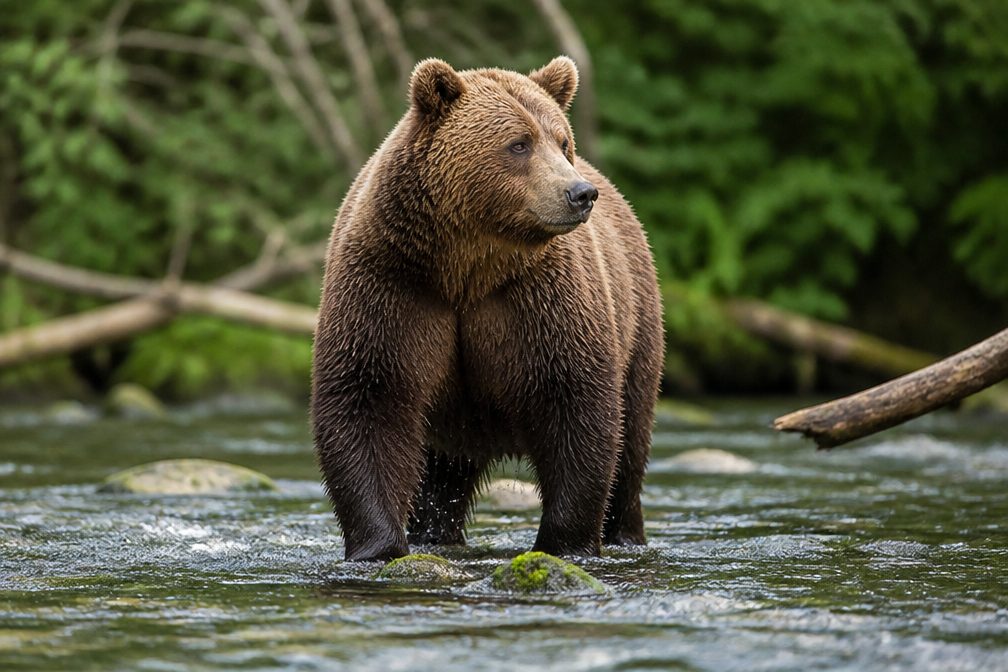 404 sightingsGrizzly BearMost seen around 6 AMSighting map
 11 sightingsWolverineMost seen around 8 PMSighting map
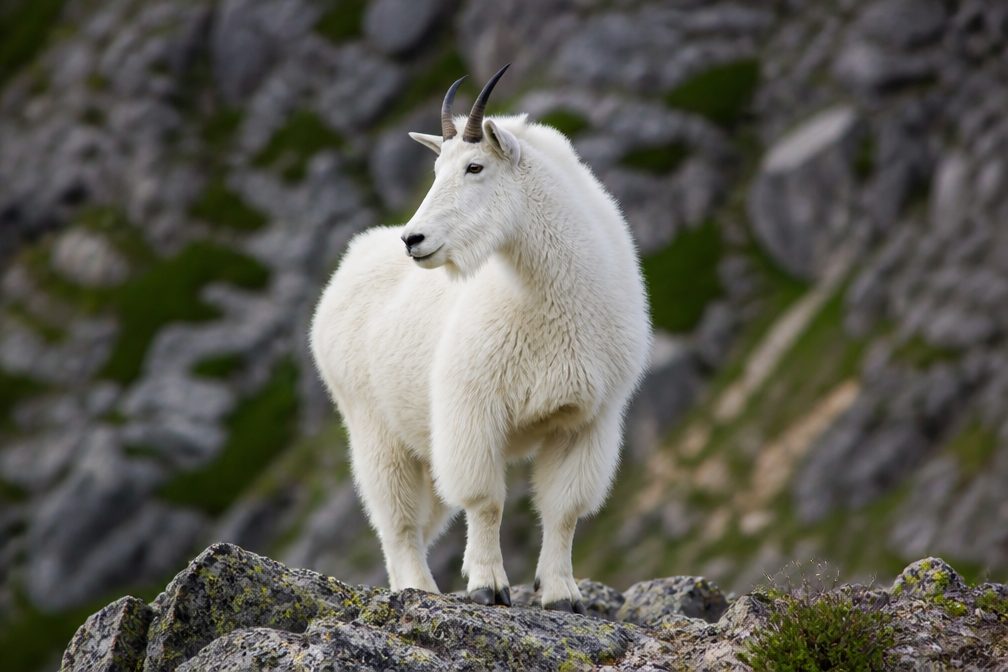 1,173 sightingsMountain GoatMost seen around 6 AMSighting map
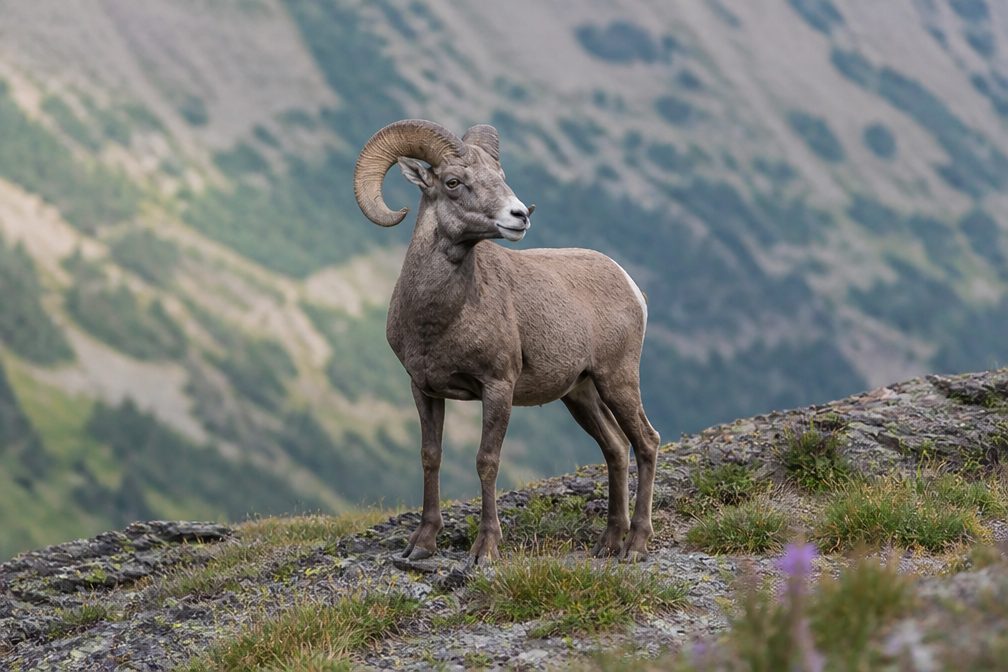 1,000 sightingsBighorn SheepMost seen around 6 AMSighting map
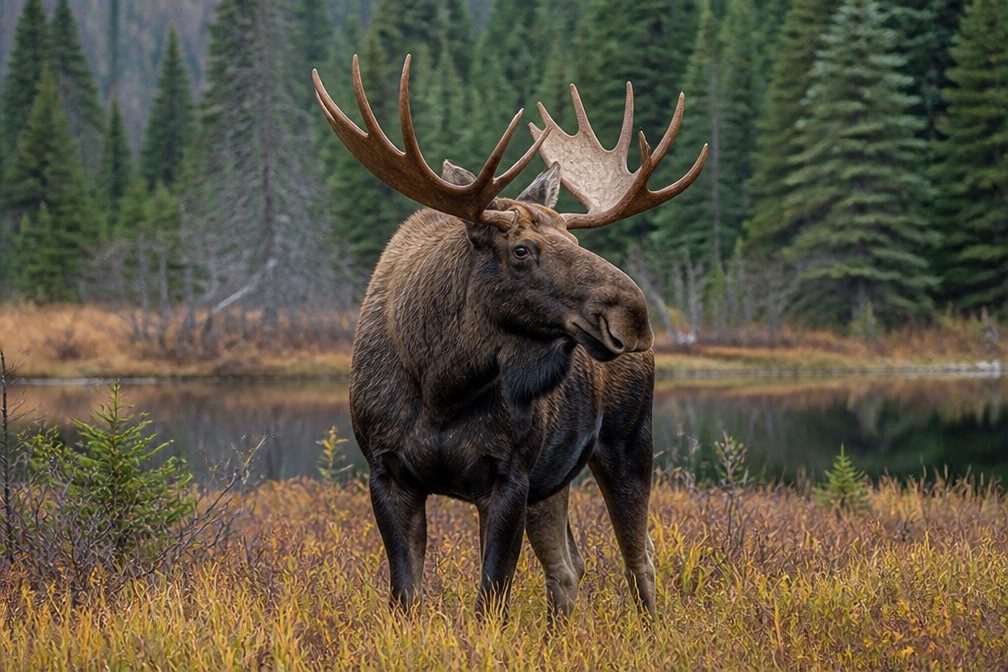 395 sightingsMooseMost seen around 6 AMSighting map
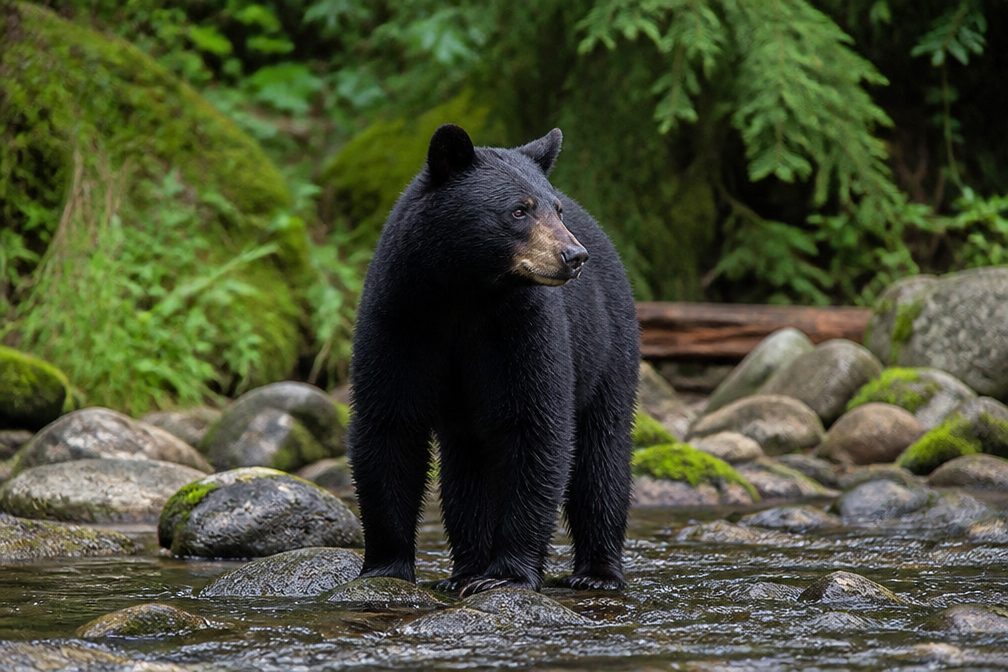 506 sightingsBlack BearMost seen around 8 PMSighting map
Sighting maps show where each species has been reported across Glacier. Wildlife moves, so no sighting is guaranteed.
Keep exploring
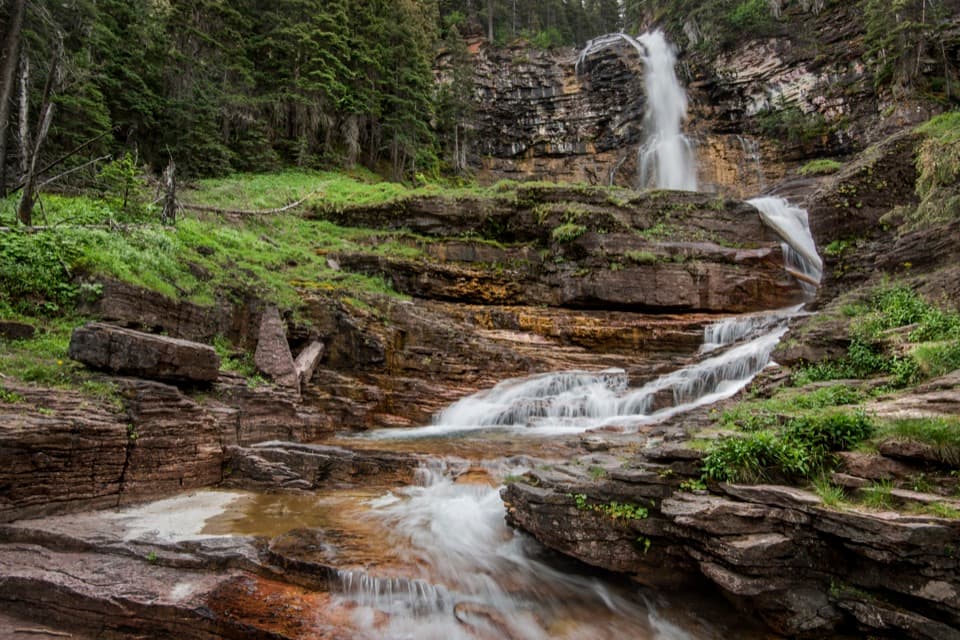 ModerateVirginia Falls Trail3.2 mi · 2 hr · 0.5 mi awayTwo falls, views through the burn, and a harder climb back.
 ModerateSt. Mary Falls Trail1.6 mi · 1.3 hr · 0.5 mi awayA short descent to a bridge beneath a three-tier waterfall
 EasySunrift Gorge Trail0.1 mi · 9 min · 1.2 mi awayA quick walk to Baring Creek’s narrow, sudden gorge.
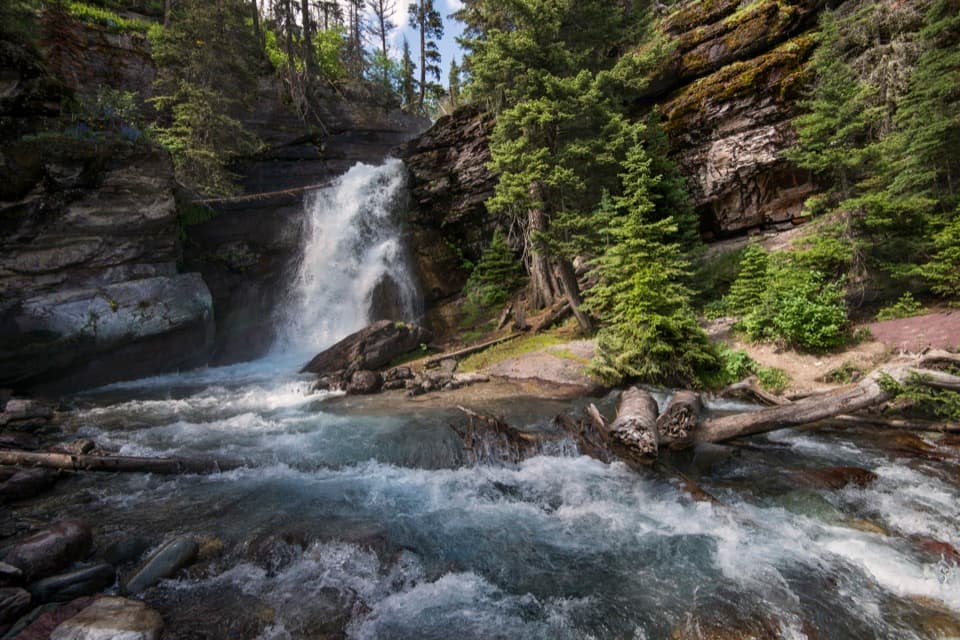 EasyBaring Falls Trail0.7 mi · 36 min · 1.2 mi awayA short creekside walk to a 25-foot waterfall.
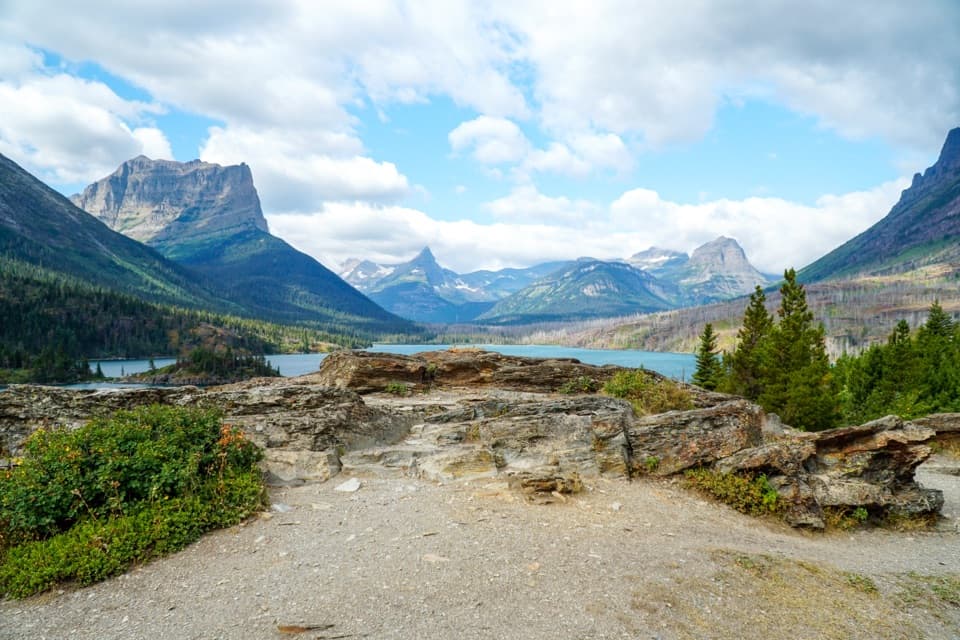 EasySun Point Nature Trail0.9 mi · 30 min · 1.7 mi awayWalk from a historic lakeside overlook toward Sunrift Gorge.
 ChallengingGunsight Pass Trail to Lake McDonald Lodge19.5 mi · 14 hr · 1.8 mi awayA demanding east-to-west traverse over two high alpine passes.
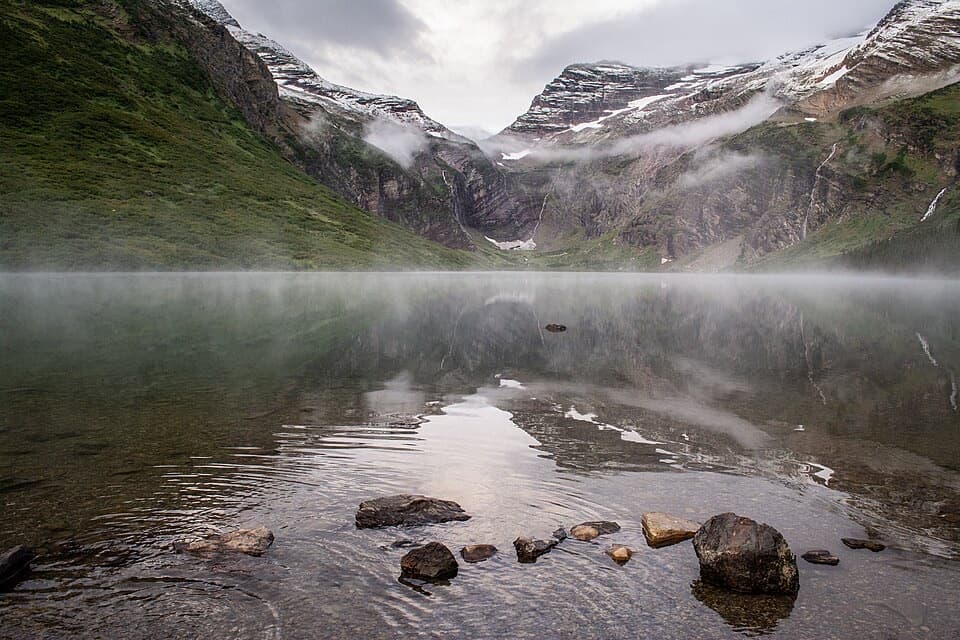 ChallengingGunsight Lake Trail12.9 mi · 8.5 hr · 1.8 mi awayA long valley walk to Gunsight Lake’s rocky shore
 ChallengingFlorence Falls Trail9.8 mi · 4.5 hr · 1.8 mi awayA long out-and-back to Florence Falls through creek and pond countrySight · 0.5 mi awayVirginia FallsKeep going past St. Mary Falls for the bigger cascade.Sight · 1.2 mi awayBaring FallsA short waterfall walk, with a chance to spot dippers
 Sight · 1.2 mi awaySunrift GorgeA quick roadside stop for Baring Creek’s 80-foot-deep gorge.Sight · 1.8 mi awaySun PointA big lake view with a long-gone railway chalet story.
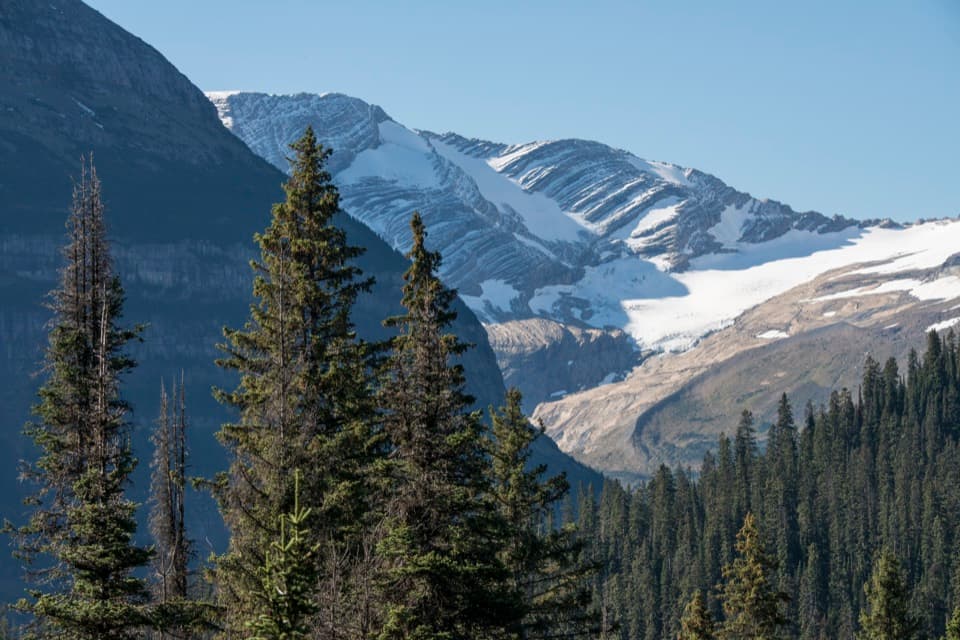 Sight · 1.9 mi awayJackson Glacier OverlookA glacier view worth the quick stop on Going-to-the-Sun Road.
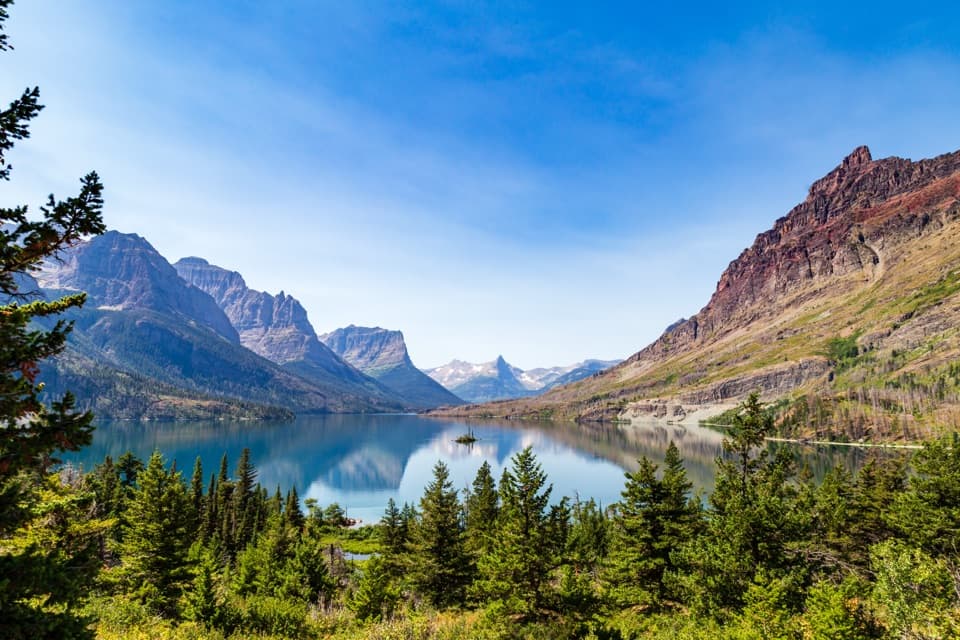 Sight · 4.2 mi awayWild Goose Island OverlookA tiny island anchors a huge mountain-lake view.
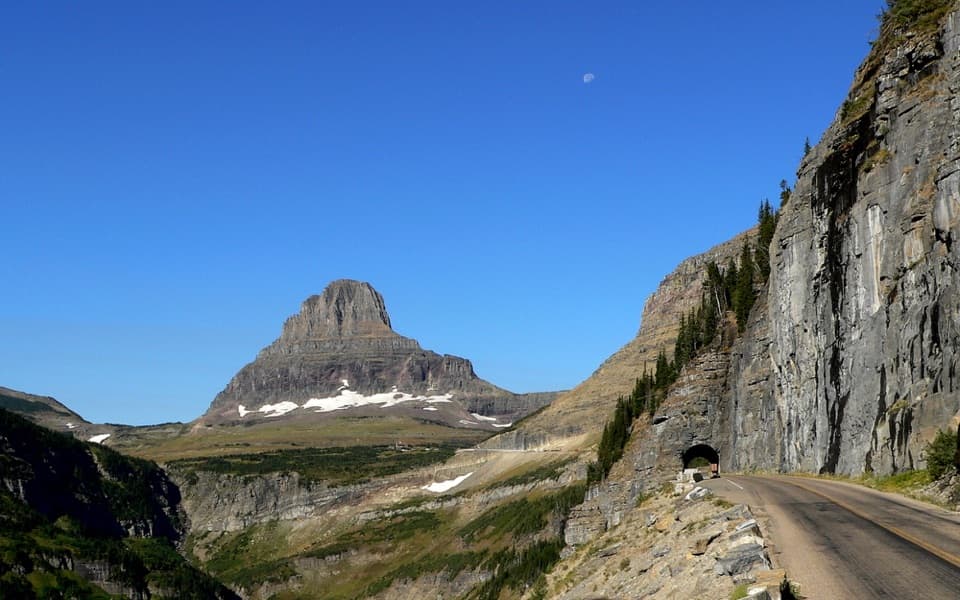 Sight · 4.2 mi awayEast TunnelA 408-foot cut through Piegan Mountain, right on the road.
 Campground · 4.6 mi awayRising Sun CampgroundAn east-side base beneath a cliff, with a trailhead next door.
Parkwolf’s Glacier ranking
The audio tour guide for the drive, plus offline maps, trails, and wildlife heatmaps for when the signal drops.