Getting there
From Lorne, Otway Street becomes Allenvale Road; continue past the roundabout and follow Garvey Track. The picnic area is about 3.5 km beyond the roundabout. Parking serves the clearing, though capacity and fees are not established.

Picnic area · Great Otway National Park
A shady picnic base for Lorne's inland waterfall walks.
Overview
Map
Plan your stop
The highest, rockiest slopes around here are a summer buffet for grizzly bears.
Great Otway Tour Guide
Parkwolf is a GPS audio tour guide for Great Otway National Park. As you drive, it chimes in with what’s ahead: hidden gems, upcoming stops, history, geology, and wildlife, right through your car’s speakers.
See the Great Otway audio tourRecorded for this place
Sheoak Picnic Area: A Short Forest Break“You're coming up on Sheoak Picnic Area, a shady forest clearing with tables and gas barbecues. Stop here for a picnic, or take the half-hour Nature Walk for a suspension bridge and a look into the fern gully.”
Plays as you drive up to Sheoak Picnic Area in the Parkwolf Great Otway Tour Guide.
More stories near here in the app
“Fantastic app with many points of information… It’s great to just turn on while you’re driving and it gives you an audio tour of the national Park. We love it!!!!”


Guide
Sheoak Picnic Area is a forest clearing on Garvey Track, inland from Lorne, under tall eucalypts and beside ferny gullies. It is both a picnic stop and a signed starting point for walks to several Otway waterfalls. Come here for a shaded lunch, or use the tables as the start of a longer outing; choose your route before you set off.
The clearing has picnic tables, gas barbecues, an information board and a toilet facility. Bring your own food; no café or vendor is listed at the clearing, and carry water for the walks. Toilet arrangements have varied, so have a backup plan if you are relying on them. Dogs and camping are prohibited, as are open fires; use the supplied gas barbecues.
Walks from the picnic area lead toward Lower and Upper Kalimna Falls, Won Wondah Falls, Henderson Falls, Phantom Falls and The Canyon. The Lower and Upper Kalimna Falls route is about 8 km return and takes around three hours. It follows an old timber tramway and is graded difficult, so treat it as a planned hike. Check current track conditions before setting out.
The clearing is open woodland; wetter creek courses hold fern gullies and pockets of rainforest. The Canyon walk passes sheer rock walls about 10 m high. Local walk notes name pied currawongs, New Holland honeyeaters and white-throated treecreepers among birds heard in this well-watered corridor, so slow down and listen beneath the canopy.
Wildlife
 204 sightingsKoalaMost seen around 6 PMSighting map
 35 sightingsGrey KangarooMost seen around 6 AMSighting map
 109 sightingsEchidnaMost seen around 5 PMSighting map
 58 sightingsKookaburraMost seen around 6 AMSighting map
 97 sightingsSwamp WallabyMost seen around 6 PMSighting map
 20 sightingsBrushtail PossumMost seen around 8 PMSighting map
Sighting maps show where each species has been reported across Great Otway. Wildlife moves, so no sighting is guaranteed.
Keep exploring
 ModeratePhantom Falls and The Canyon Circuit9.2 km · 3.5 hr · At the trailheadThree waterfalls, fern forest and a ten-metre rock cleft.
 ModerateLower and Upper Kalimna Falls Walk8.8 km · 3.5 hr · At the trailheadA ferny falls loop with an old tramway on the return.
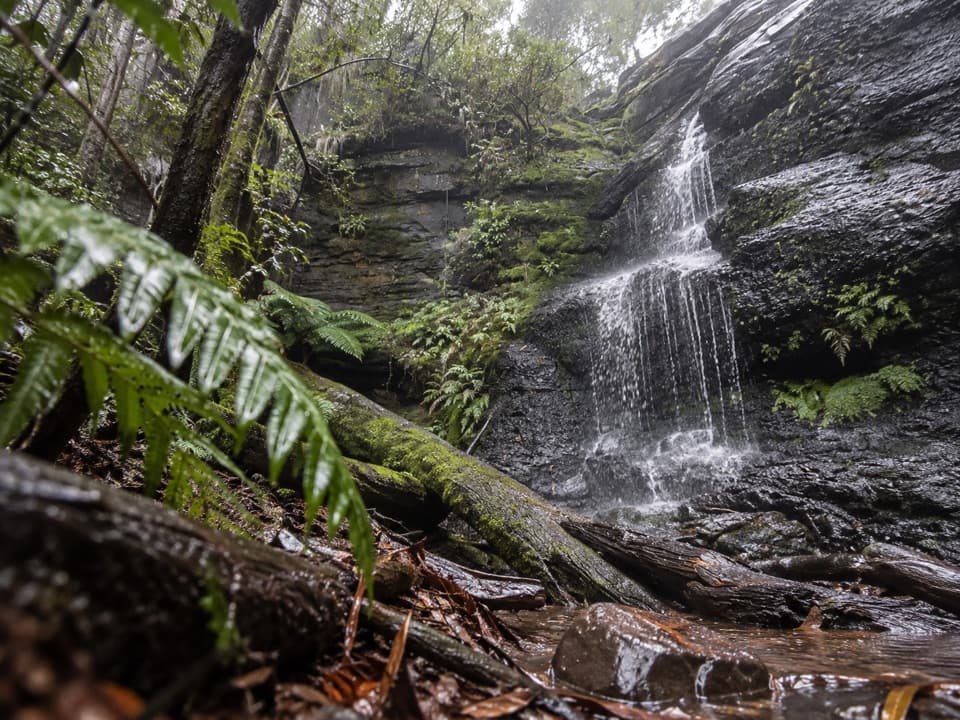 EasyWon Wondah and Henderson Falls Walk3.6 km · 1.5 hr · At the trailheadTwo waterfalls, a giant eucalypt, and a fern gully finish
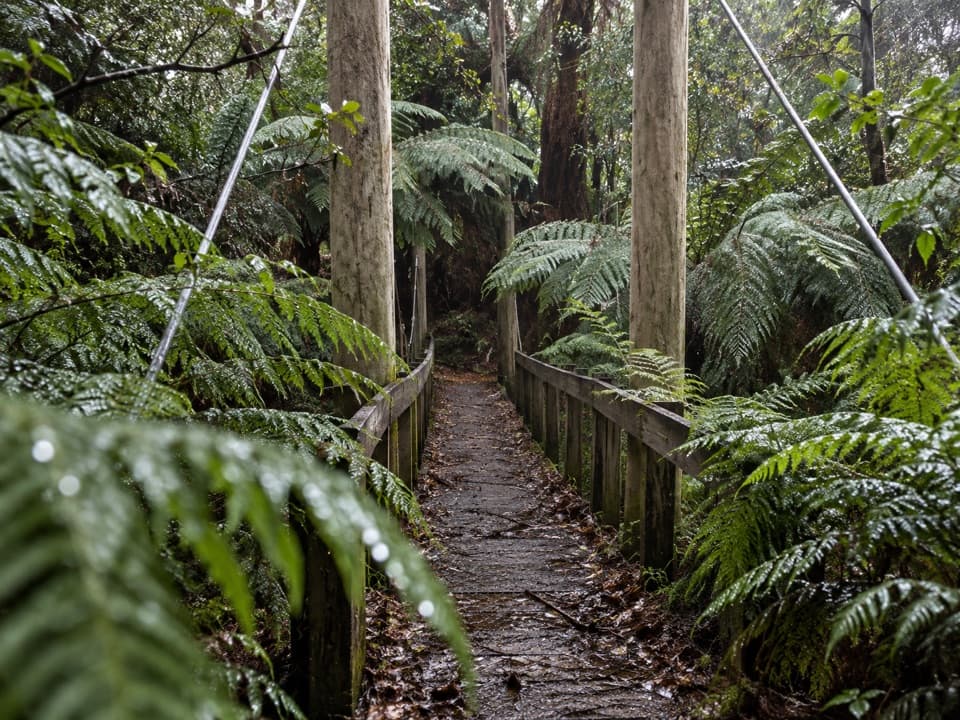 EasySheoak Picnic Ground Nature Walk1.3 km · 30 min · At the trailheadA fern-gully circuit with a suspension bridge over Sheoak Creek.
 ModerateSheoak Falls–Castle Rock Circuit9 km · 3.5 hr · At the trailheadA creekside loop links a swallow cave, waterfall and ocean lookout.EasyLower Kalimna Falls Walk6.5 km · 2.5 hr · 0.1 km awayA modest waterfall with a view from behind the falling water
 ModerateAllenvale to Phantom Falls Walk3.4 km · 1.3 hr · 1.5 km awayA short climb ends at a rain-fed cascade above the river.
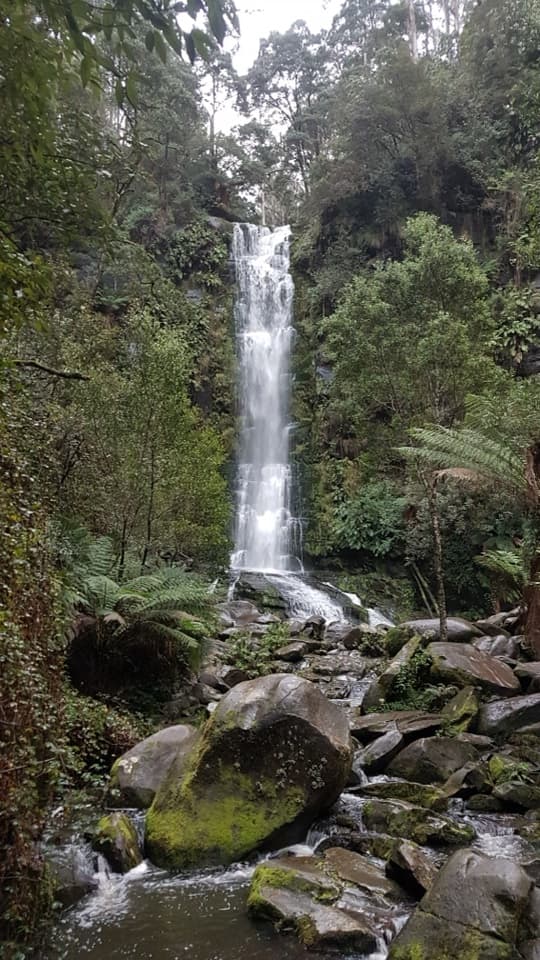 ChallengingErskine Falls Circuit Walk23 km · 8 hr · 1.5 km awayFive waterfalls, repeated creek crossings, and a full Lorne loop.
 Sight · 0.6 km awayWon Wondah FallsA quick, wooded waterfall pause on the way to a stronger one.
 Sight · 1 km awayThe CanyonEight-metre rock walls hide in a ferny waterfall walk.
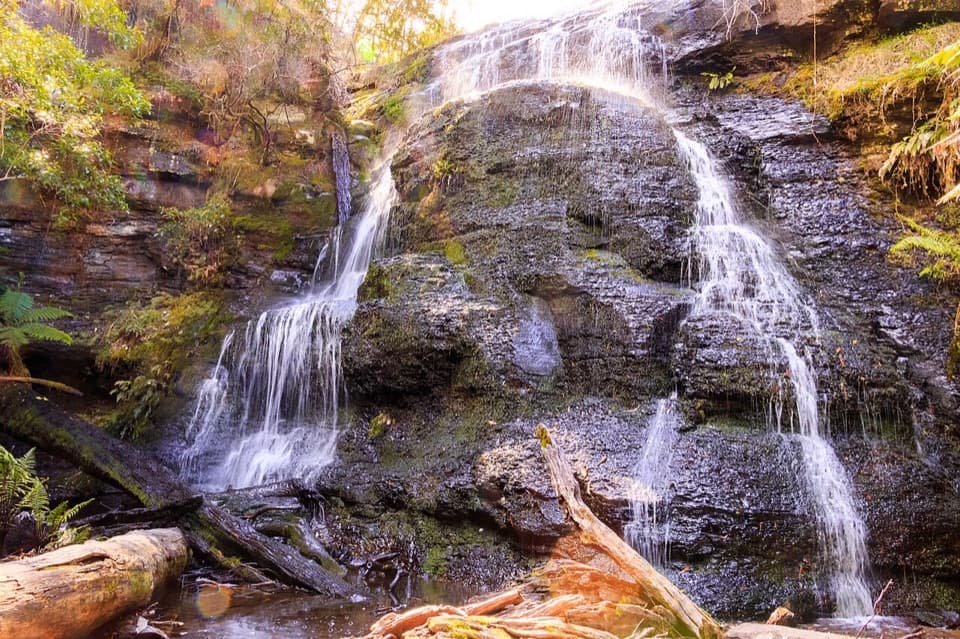 Sight · 1 km awayHenderson FallsA fern-gully cascade that gains force after rain.
 Sight · 1.3 km awayJebbs PoolA leafy gorge walk ends at cascades and a river pool
 Sight · 1.4 km awayPhantom FallsA fern-lined climb ends at a 15-metre cascade.
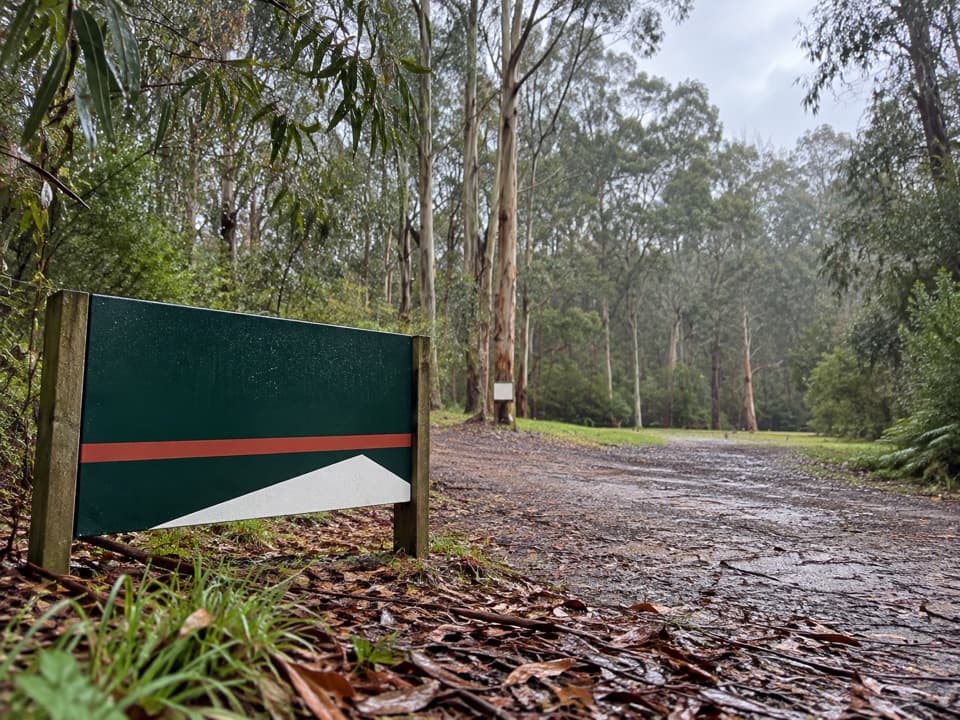 Campground · 1.5 km awayAllenvale CampgroundA leafy tent camp with a 230-metre walk for your gear.
 Sight · 1.9 km awaySwallow CaveA honeycombed shelter above Sheoak Creek's upper cascades.
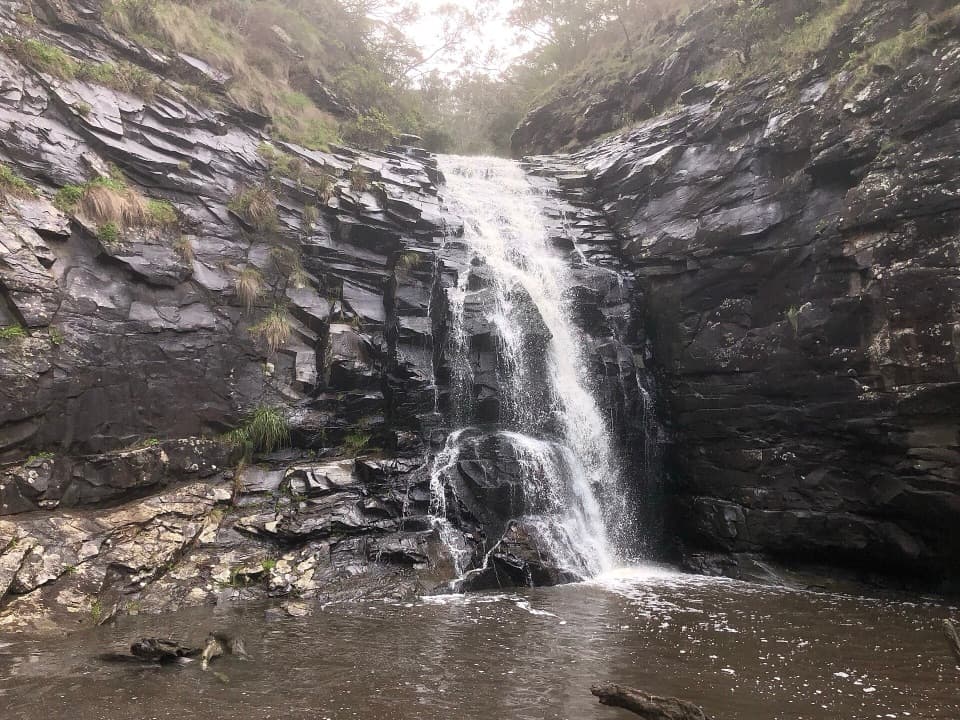 Sight · 2 km awaySheoak FallsA short, stepped walk to a waterfall that varies with the rain.
Parkwolf’s Great Otway ranking

The audio tour guide for the drive, plus offline maps, trails, and wildlife heatmaps for when the signal drops.


