Place · 0.9 mi away

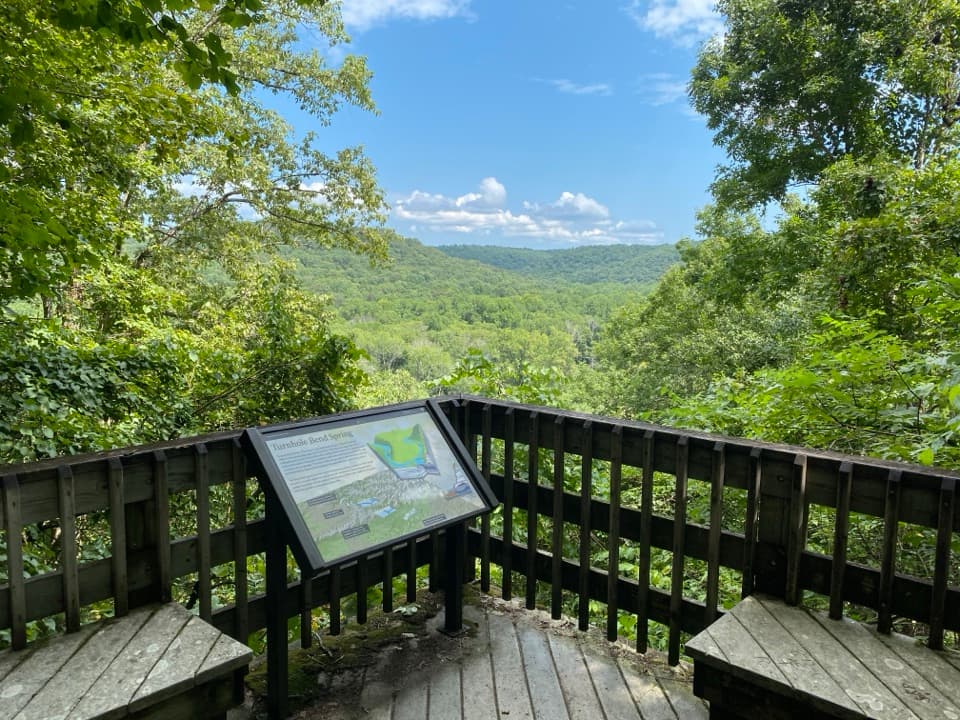
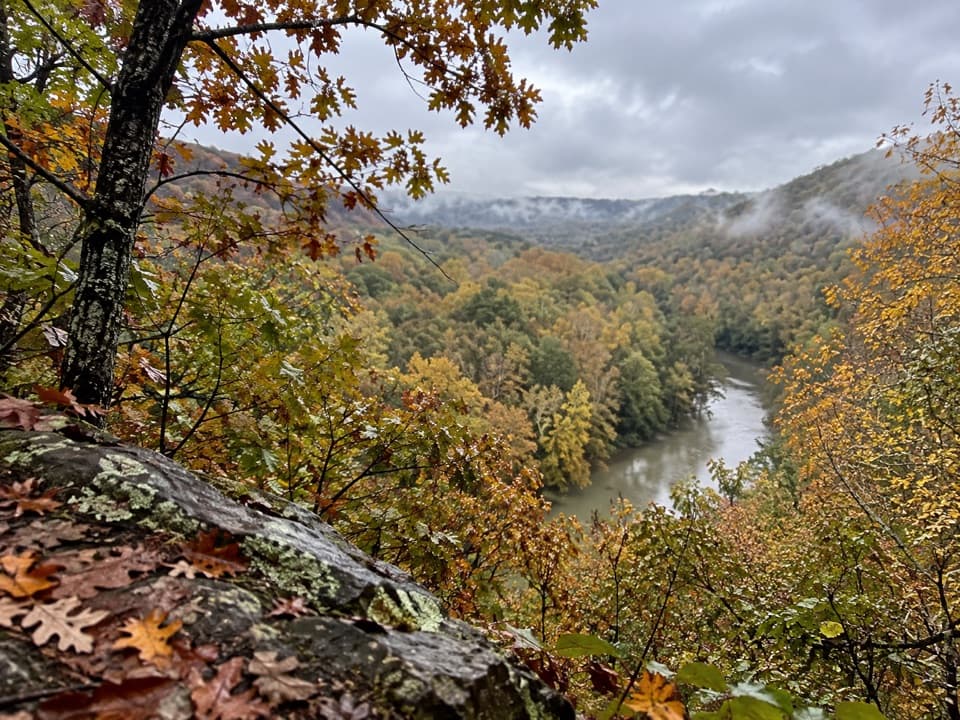
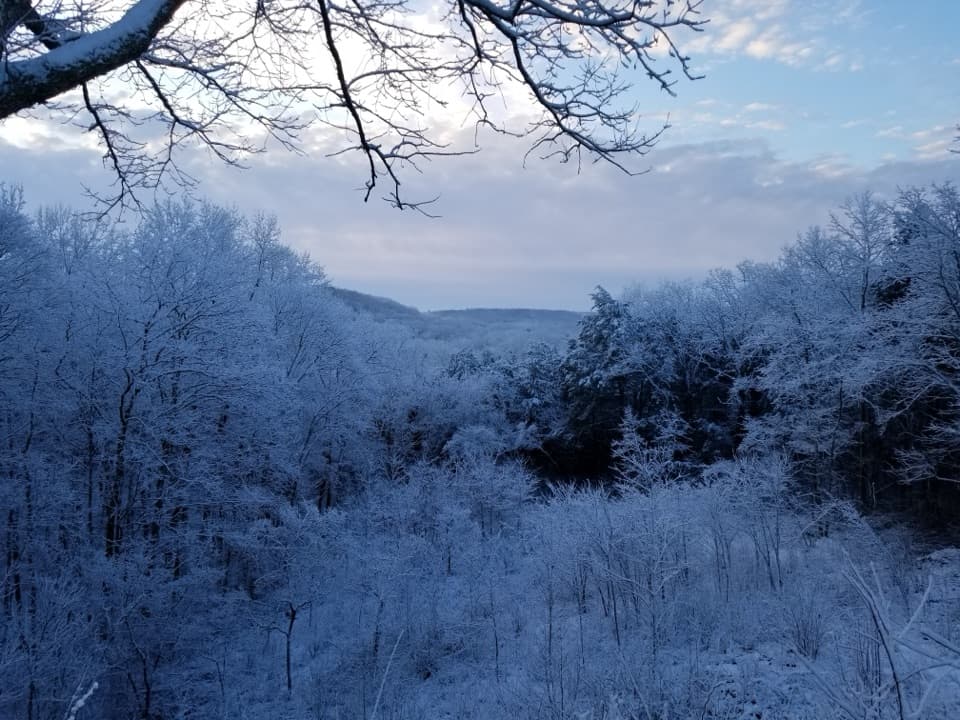
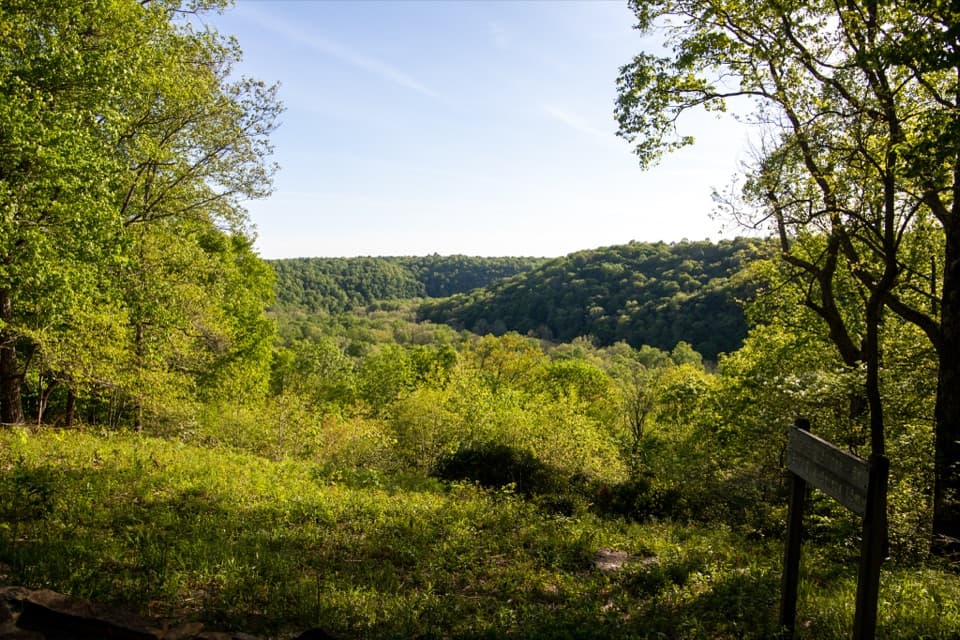
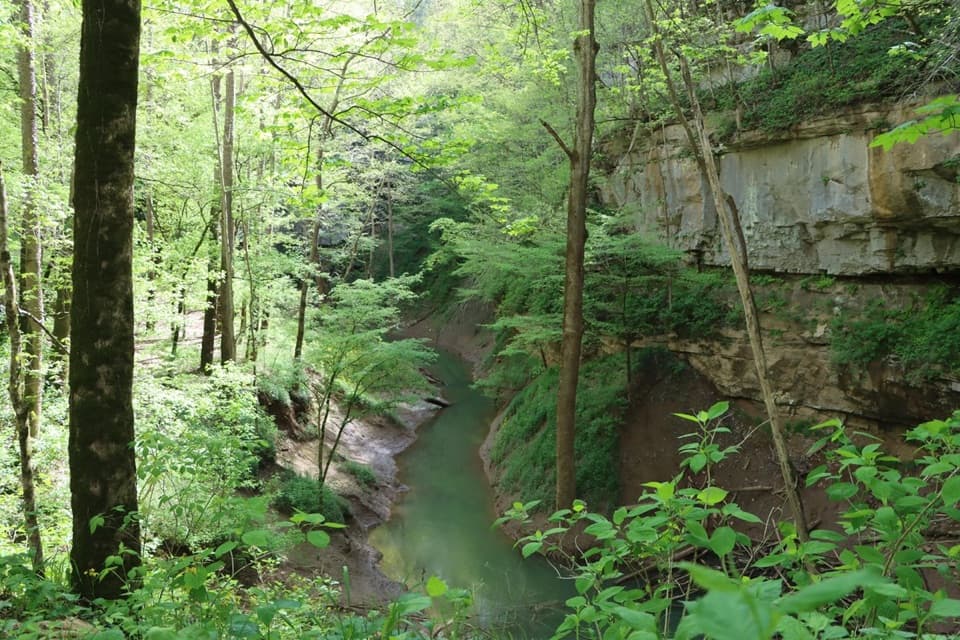
Cedar Sink drops you into the heart of Mammoth Cave country’s karst landscape. Instead of walking through a cave, you descend into a massive sinkhole rimmed by forest to watch surface water weave in and out of the underground system. It’s a short outing with big geology and, most days, fewer people than the main cave tours.
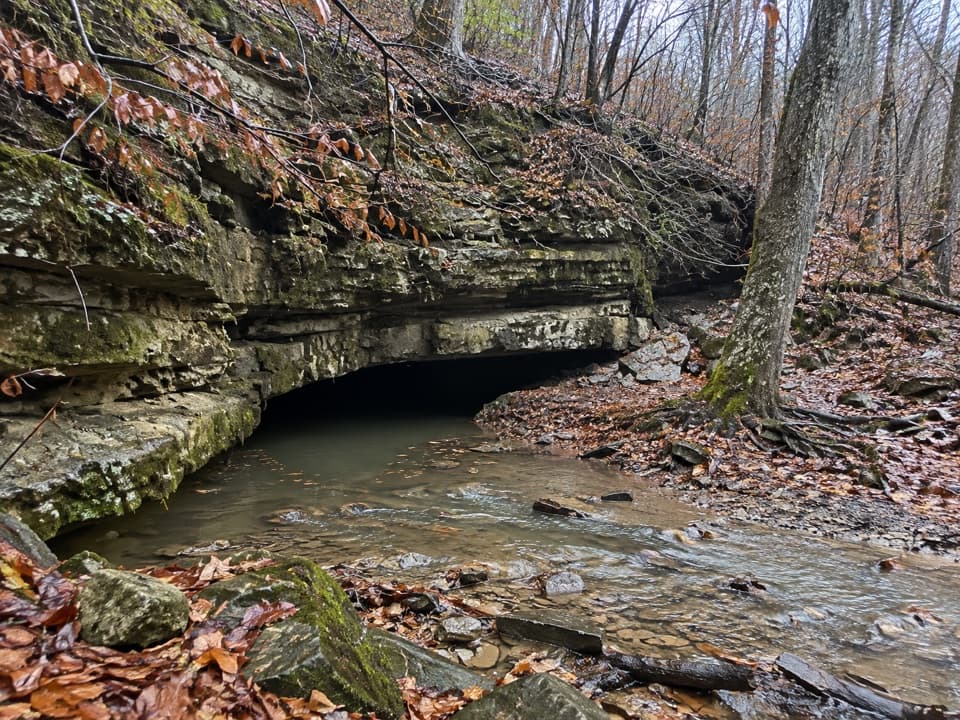
At the bottom, look for a classic “karst window” where a stream appears and disappears into the subsurface. Depending on recent rain, water levels can be lively or low. The sink’s cooler, moister microclimate supports different plants than the rim and is a great place to notice moisture‑loving insects and amphibians. In season, expect a changing show of wildflowers around the loop.
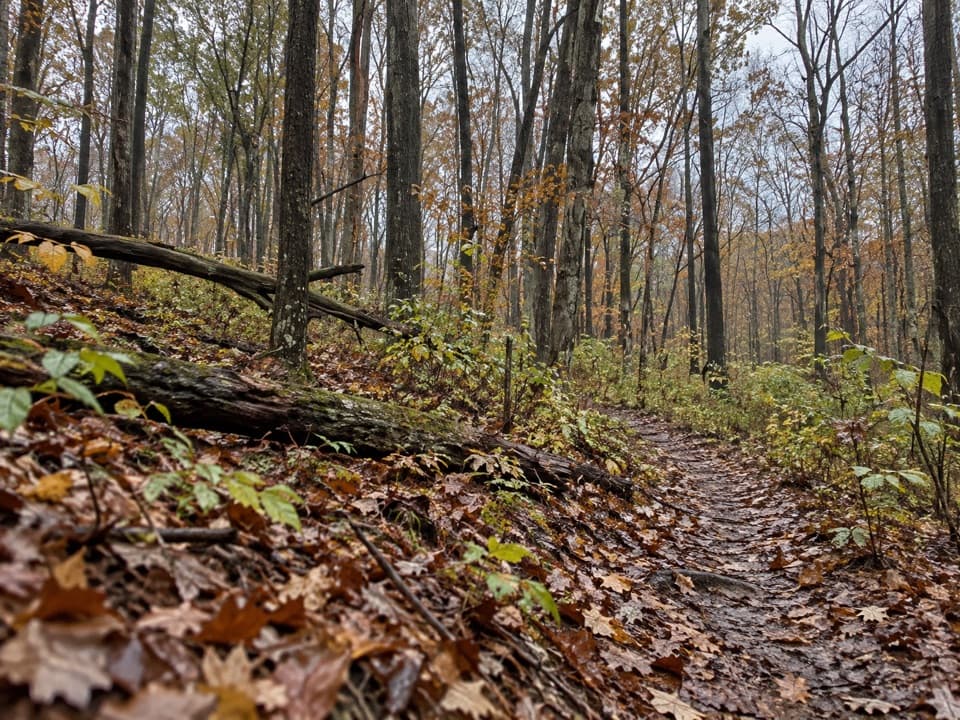
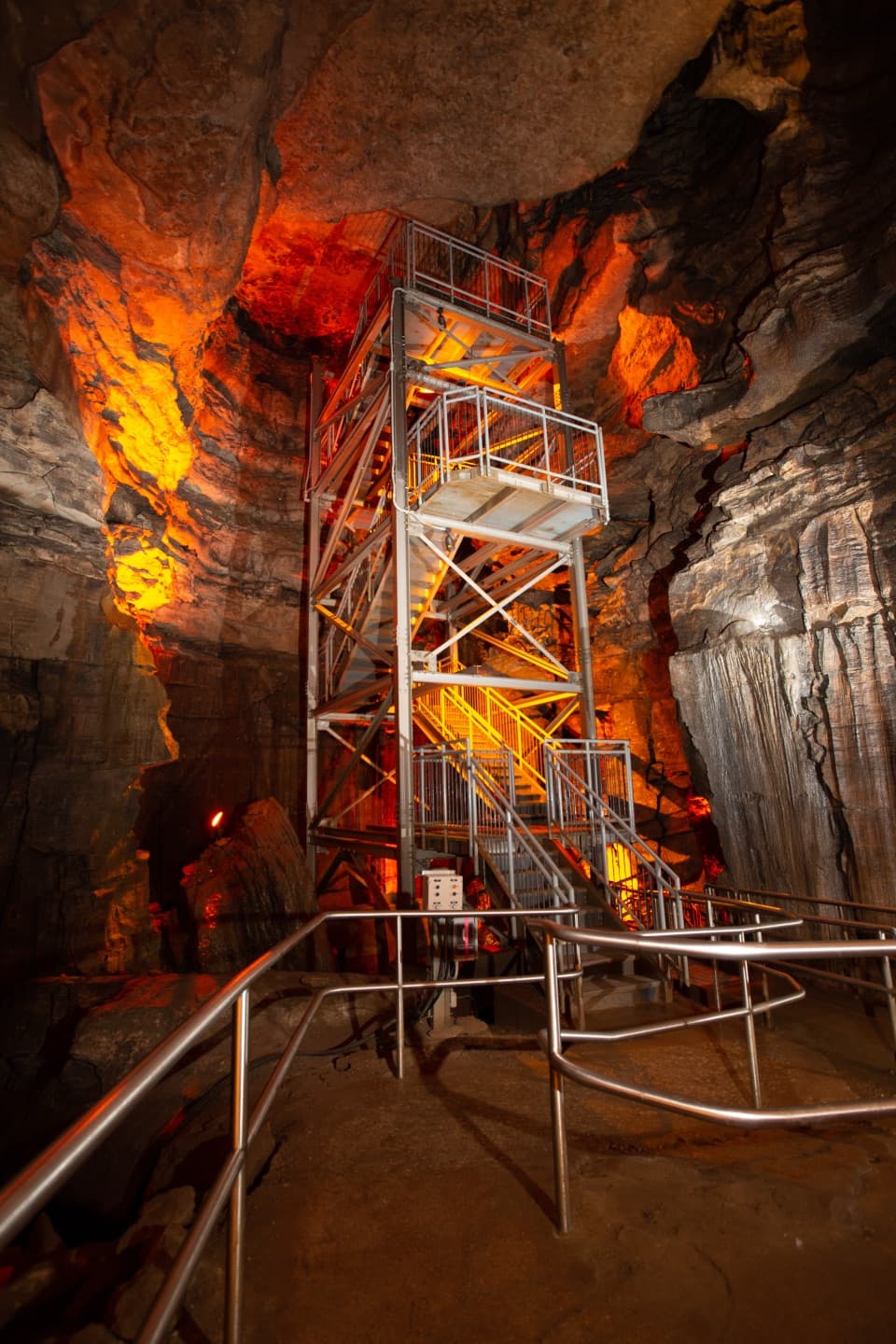
The official loop is about 1 mile and typically takes 45–60 minutes. You’ll stroll a rolling dirt path for roughly three‑quarters of a mile before reaching stairs that drop about 150 feet into the sink; count on roughly 295 steps total and the same climb back out. Footing inside the sink is fairly flat, but the trail can be muddy after rain, so wear sturdy shoes. Pets are allowed on leash (6 feet max).
This is textbook karst: soluble limestone layers dissolve over time, creating sinkholes, sinking streams, caves, and “windows” into the system. Cedar Sink funnels surface runoff underground, letting you see the direct connection between what happens on the surface and what flows beneath your feet.
There’s a dedicated trailhead with parking about a 10‑minute drive from the Visitor Center. The trailhead isn’t listed with restrooms, so plan your pit stop before you head over. There’s no separate fee for this trail beyond standard park entry.
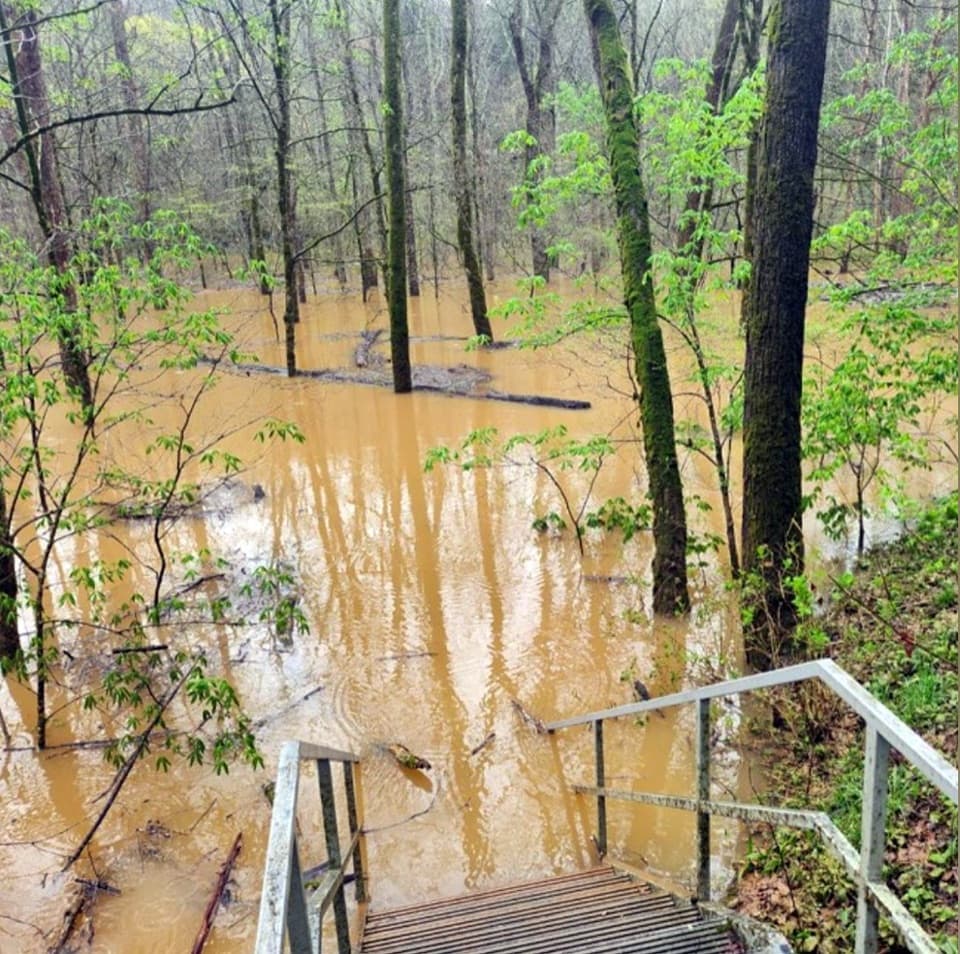
Spring through fall is prime for wildflowers and pleasant temperatures. Mornings are typically quieter and cooler, with softer light for photos. After wet weather, expect slick steps and more active water; in dry spells, flow may be minimal.
Everything that washes into the sink moves into the cave system, so pack out all trash, stay on trail, and avoid trampling soils and vegetation. Keep an eye on trail edges—poison ivy is common in spots—and leave what you find.