Finch Lake

Quiet subalpine lake reached by a shaded, steady climb
Finch Lake, Rocky Mountain National Park
InsideRocky Mountain National Park

Overview

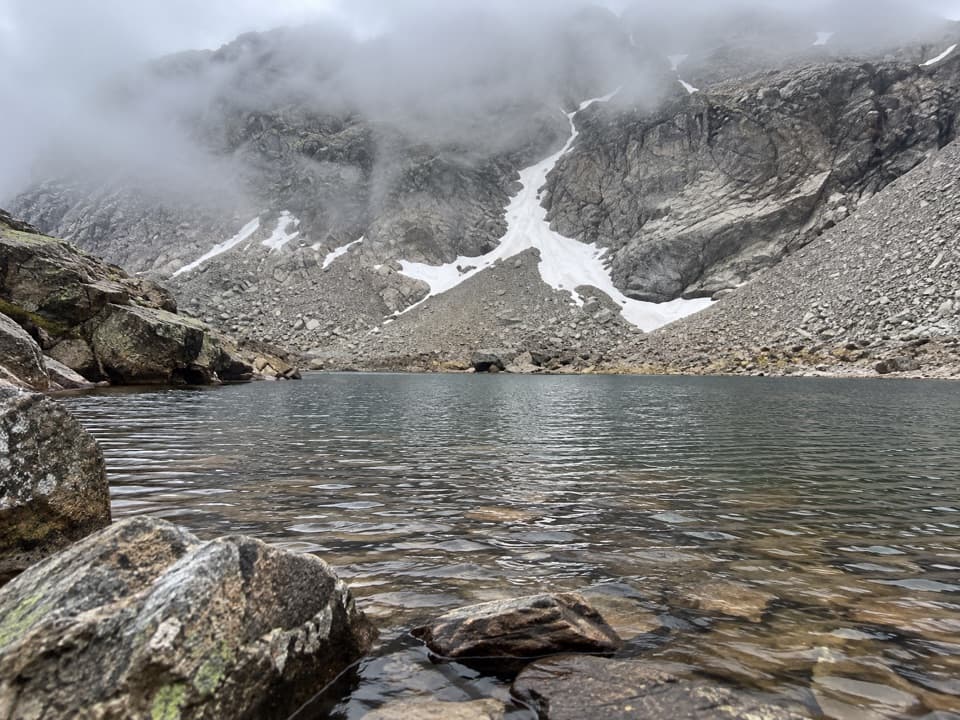
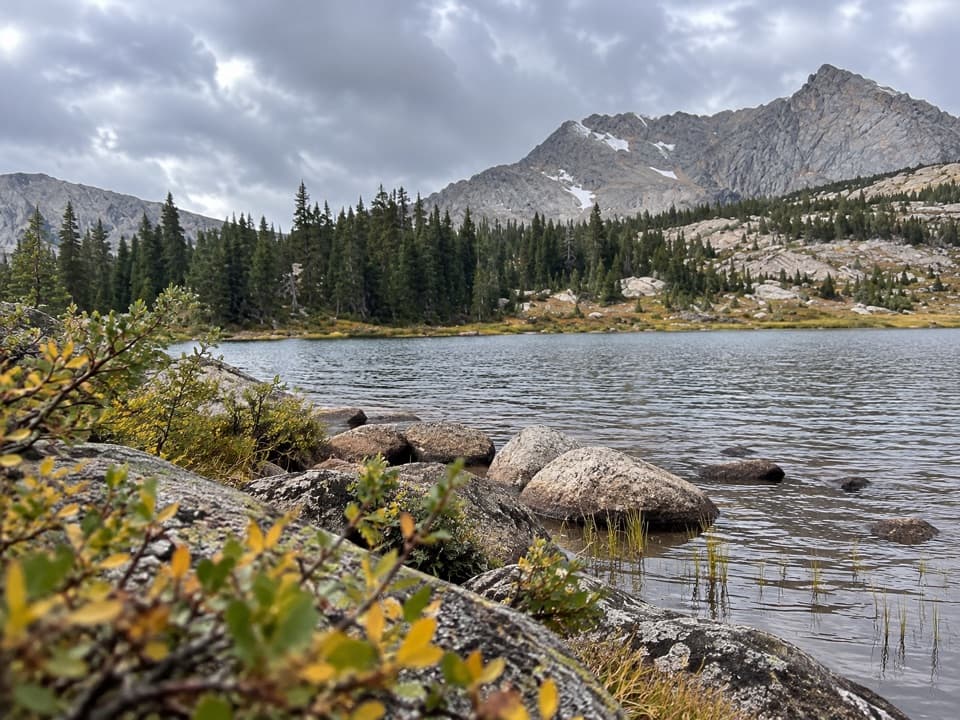
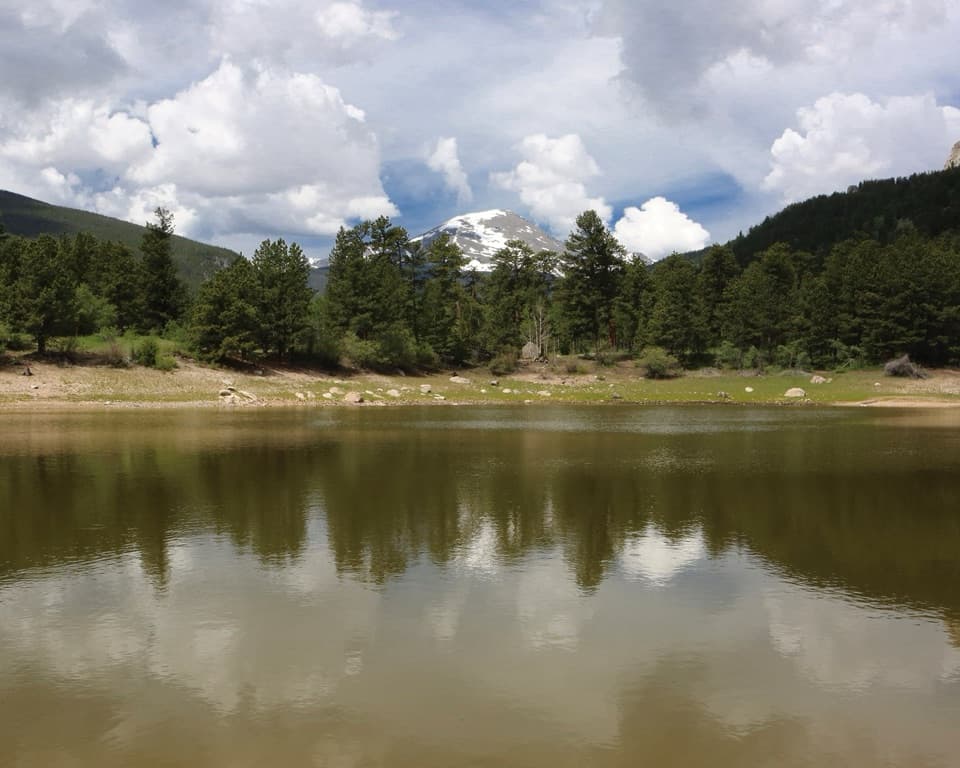
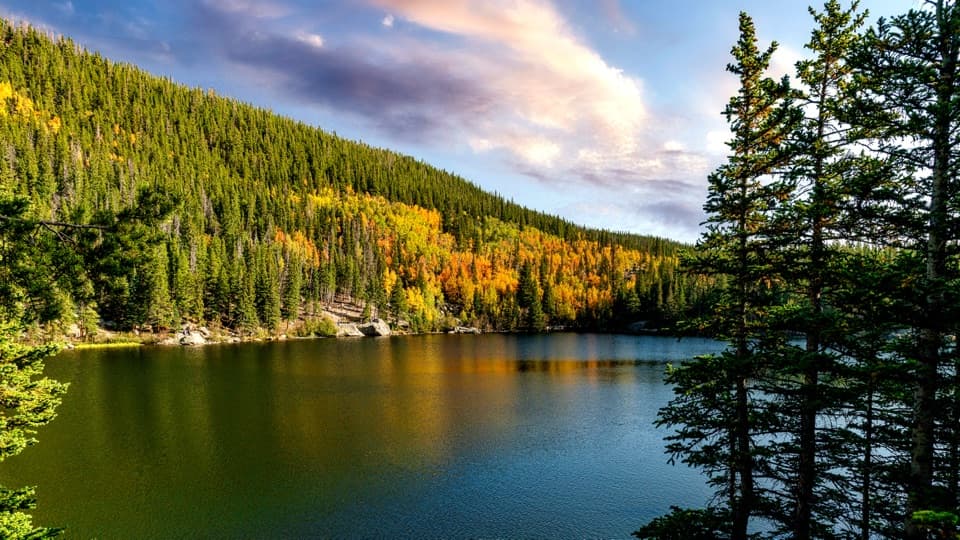
Finch Lake is a shallow, lower‑subalpine lake tucked in dense pine forest on the park’s Wild Basin side. It’s the antidote to the shoulder‑to‑shoulder lakes elsewhere—expect a peaceful shoreline, ample shade, and a quieter vibe.

The Hike In

From the Finch Lake Trailhead, it’s about 4.4 miles to the lake with roughly 1,440 feet of gain, on a well‑maintained but consistently climbing trail. Starting from other approaches (like Allenspark) pushes the round‑trip distance and elevation higher. The route is mostly in the trees, with only occasional openings and a few early peeks toward Mount Copeland and Ouzel Peak.

What You’ll See

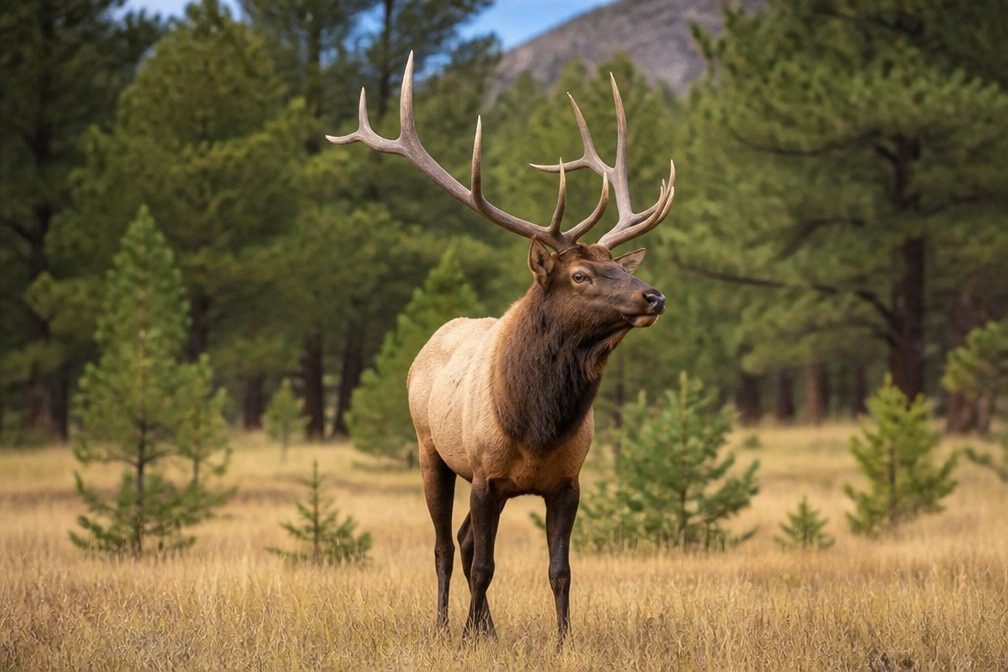
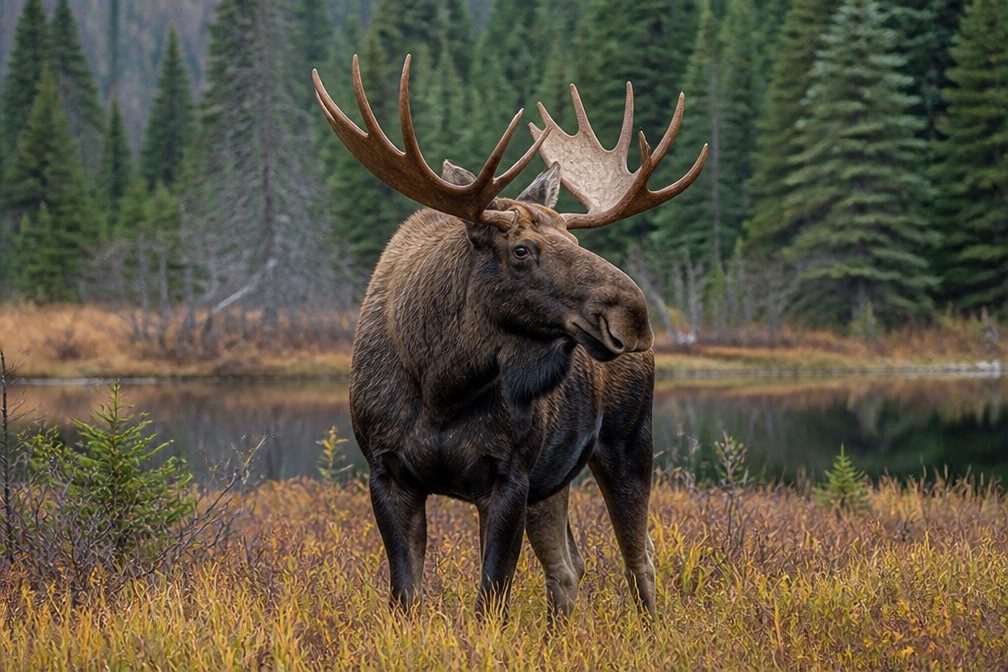
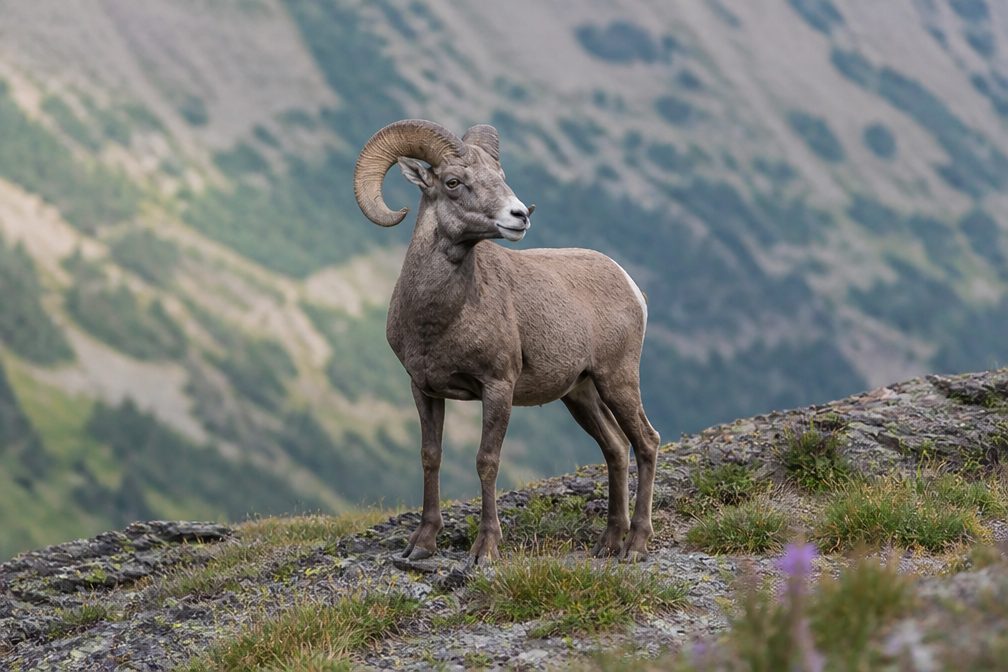
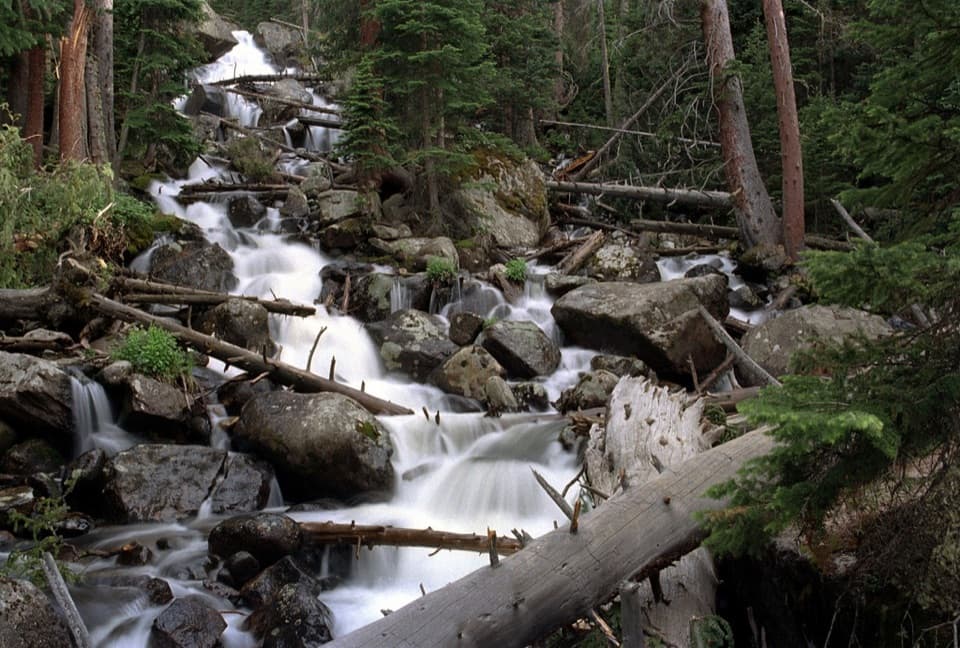
This is a forest‑and‑water day more than a big‑vista outing. Expect cool, shaded walking, several small stream crossings, and summer wildflowers. The lake itself is tranquil and ringed by timber. Wildlife is possible—moose and deer turn up in reports—so give animals plenty of space and keep your eyes peeled along meadows and creek corridors. Ticks can be active; do regular checks.

Camping & Regulations

Finch Lake has two individual backcountry campsites plus a group/stock site. There’s a simple privy near the group campsite. Campfires are prohibited; use a stove. Bear‑resistant food canisters are required from April 1 to October 31. Treat all surface water (Cony Creek is the reliable source nearby).

Logistics

Parking at the Finch Lake Trailhead is limited. A larger lot sits a short drive farther at the Wild Basin Trailhead. There’s no potable water at the trailhead, and while you’ll find a privy near the lake’s group campsite, don’t count on toilets at the trailhead itself; restrooms are available near the Wild Basin entrance. Bears have been known to investigate vehicles—remove or secure any scented items.

Conditions & Seasonality

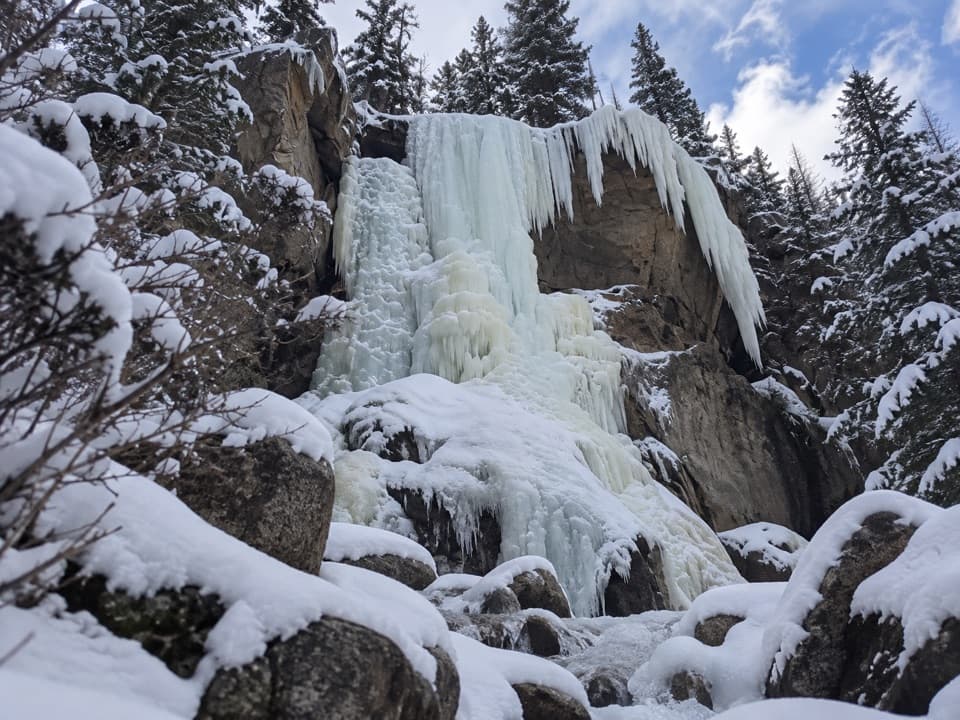
Snow and ice can linger into early summer on shaded sections; in winter and shoulder seasons, expect to need traction or snowshoes. Summer afternoons commonly bring thunderstorms—start early to be below treeline and off exposed areas when clouds build.

Add‑On Options

Feeling good at Finch? Continue on to Pear Lake for more solitude on a rougher, less‑traveled path. Ambitious hikers sometimes connect to the Wild Basin waterfalls corridor for a point‑to‑point day with a shuttle or road walk.

Best Time to Visit

  • Early morning in summer and early fall: cooler temps, calmer water for reflections, easier parking, and better odds of dodging storms.
  • Midday parking sometimes frees after 1 pm, but that’s prime thunderstorm time—plan accordingly.
  • Weekdays see fewer hikers than weekends.
  • Winter visits can be beautiful but slow; bring appropriate traction and layers.

Pros

  • Quieter, forested lake with a peaceful shoreline
  • Backcountry campsites and a privy near the lake

Cons

  • Long, steady climb to reach—this isn’t a quick roadside stop
  • Modest views for the effort; shallow, lower-subalpine setting

Tips

  • Start by 6:30 am on summer weekends to snag parking and beat storms.
  • Bring bug repellent and do tick checks, especially after brushing past tall grass.
  • Treat all water from Cony Creek; there’s no potable water at the trailhead.
  • If continuing to Pear Lake, add time and expect a rougher, less‑maintained path.
  • Secure food in vehicles and use a bear canister at camp to avoid bear issues.
The Parkwolf tour guide sitting on a phone mounted in a car

Parkwolf Tour Guide

Like a tour guide in your car.

Save the places you found around Rocky Mountain, then let Parkwolf guide the drive between them.Download Parkwolf on the App Store