Overview
About Jibbon Beach
Why stop
- Long crescent of sand facing the Port Hacking entrance
- A substantial headland walk starts beyond the beach
Heads up
- Unpatrolled and without facilities; nearby street parking can be limited
Map
Where it is

The highest, rockiest slopes around here are a summer buffet for grizzly bears.
Royal Tour Guide
Your drive to Jibbon Beach, narrated.
Parkwolf is a GPS audio tour guide for Royal National Park. As you drive, it chimes in with what’s ahead: hidden gems, upcoming stops, history, geology, and wildlife, right through your car’s speakers.
See the Royal audio tourRecorded for this place
Jibbon Beach and Rock Engravings“Jibbon Beach is coming up, with a long crescent of sand and a walk onward to Dharawal rock engravings.”
Plays as you drive up to Jibbon Beach in the Parkwolf Royal Tour Guide.
More stories near here in the app
- Bundeena Waterfront and Horderns Beach
- Bundeena Coast Track to Wedding Cake Rock
- Bonnie Vale Riverbank and Picnic Area
- A Humpback’s Tail Signature
- 43 audio storiesacross Royal’s roads, triggered by GPS as you drive
- Wildlife heatmapsfor Humpback Whale, White-bellied Sea-Eagle, Koala, and 13 more
- Works offlinemaps, 69 trails, 58 places, and audio download before you lose signal
- CarPlay readysimple controls built for the drive
“Fantastic app with many points of information… It’s great to just turn on while you’re driving and it gives you an audio tour of the national Park. We love it!!!!”


Guide
More about Jibbon Beach
A long sandy crescentJibbon Beach is an approximately 800-metre crescent of sand at the eastern edge of Bundeena,…
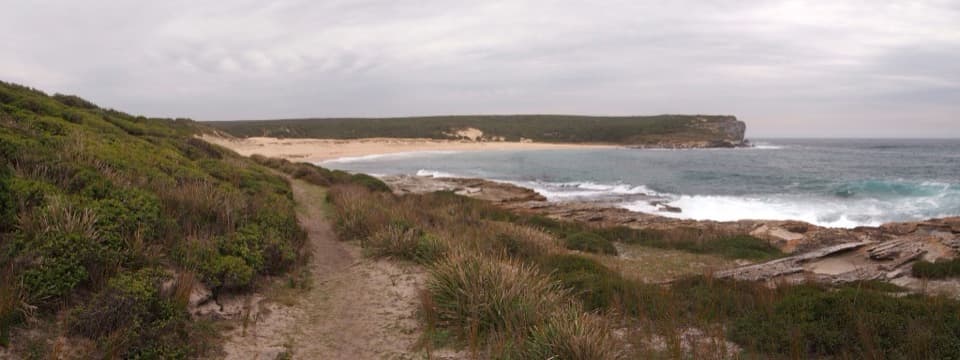
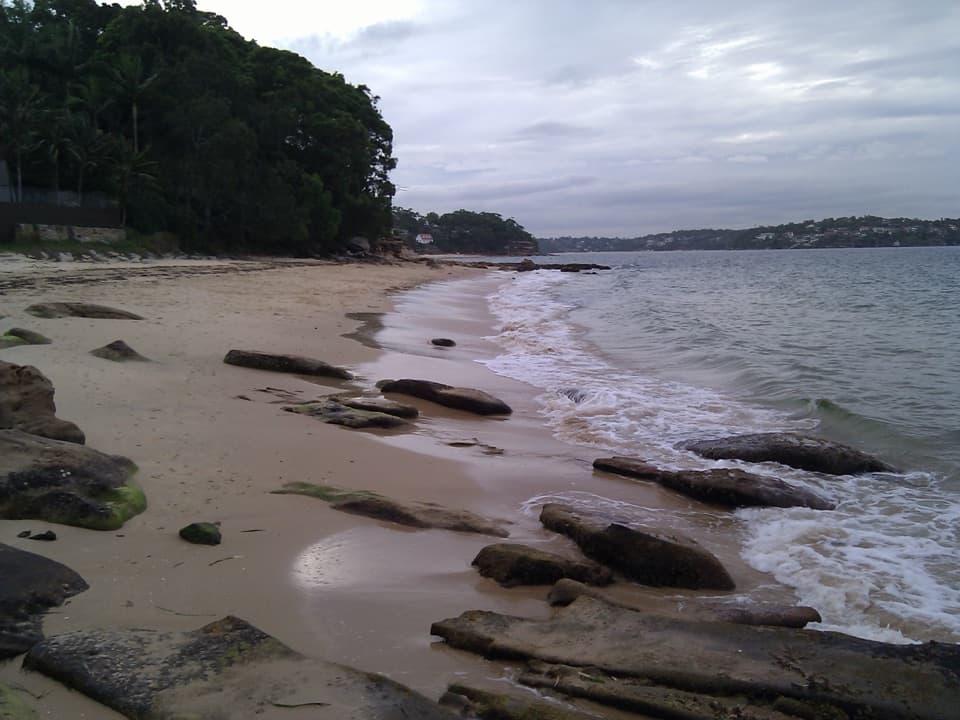
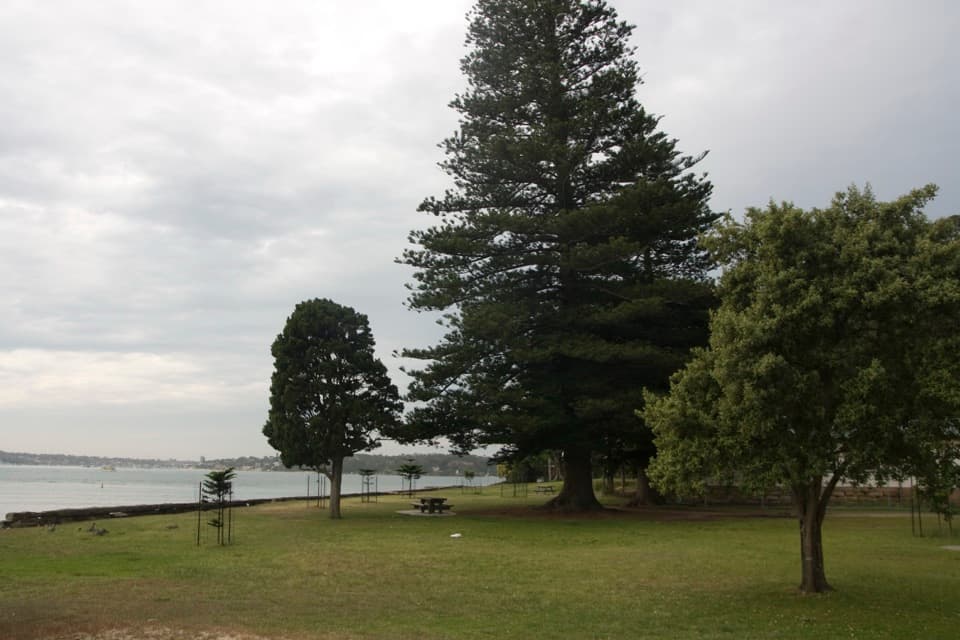
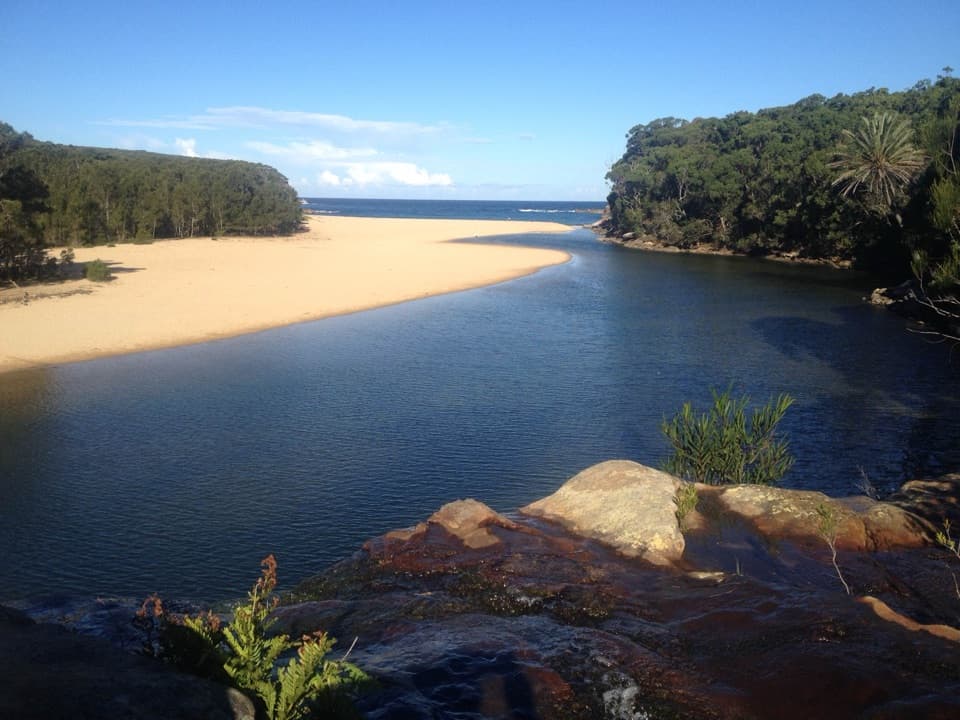
Jibbon Beach is an approximately 800-metre crescent of sand at the eastern edge of Bundeena, facing north across the entrance to Port Hacking. It’s a good place to settle in by the water, and the headland walk begins beyond its eastern end. The beach often has a peaceful feel, with clear or calm water reported by visitors, though conditions and how busy it is can change. Keep it for a relaxed shore stop if you’re comfortable with an unpatrolled beach.
Getting down to the sandFrom Bundeena, walk up Brighton Street and along Loftus Street to the small path that drops to…
From Bundeena, walk up Brighton Street and along Loftus Street to the small path that drops to the beach; allow about 15 minutes from town. The ferry from Cronulla takes about 20 minutes, followed by the walk from Bundeena Wharf. Drivers rely on nearby street parking around Loftus Street rather than a dedicated beach lot, and spaces can be hard to find on busy weekends. Arrive early or take the ferry if that suits your day. The last public toilets on the usual walk in are on Loftus Street.
Before you swimThere’s no patrol or other beach facility here.
There’s no patrol or other beach facility here. The park warns that its beaches can have strong rip currents and recommends swimming at a patrolled beach between the flags. Leave time to choose a safer swimming spot if supervision matters to you. Dogs and other pets aren’t permitted in Royal National Park, apart from certified assistance animals.
Add the Jibbon LoopJibbon Beach is the starting point for the separate Jibbon Loop, a roughly 5 km outing that…
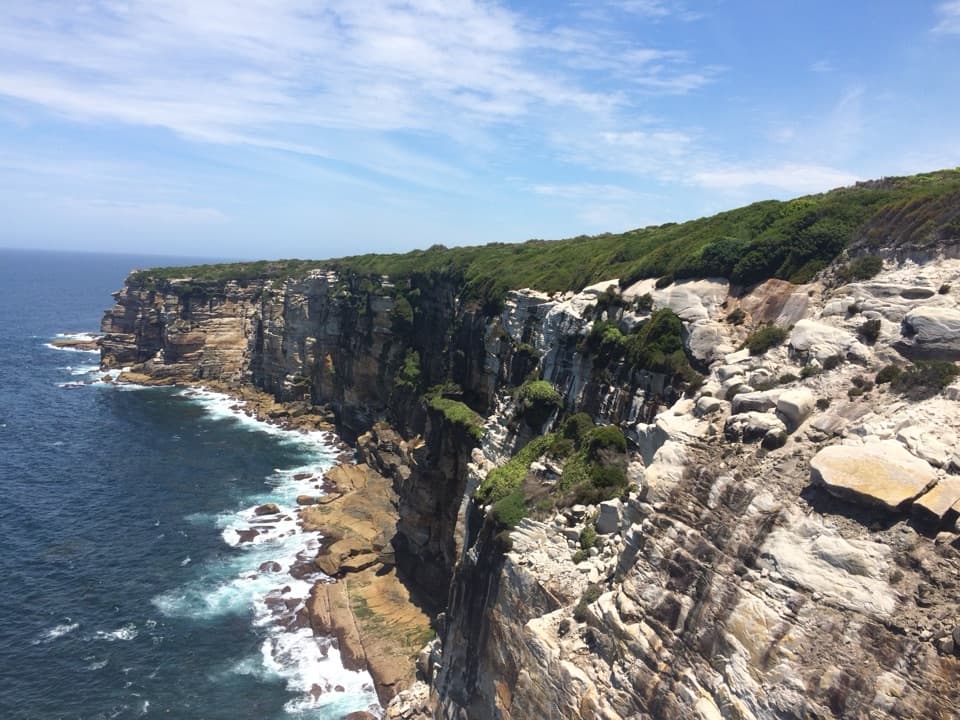
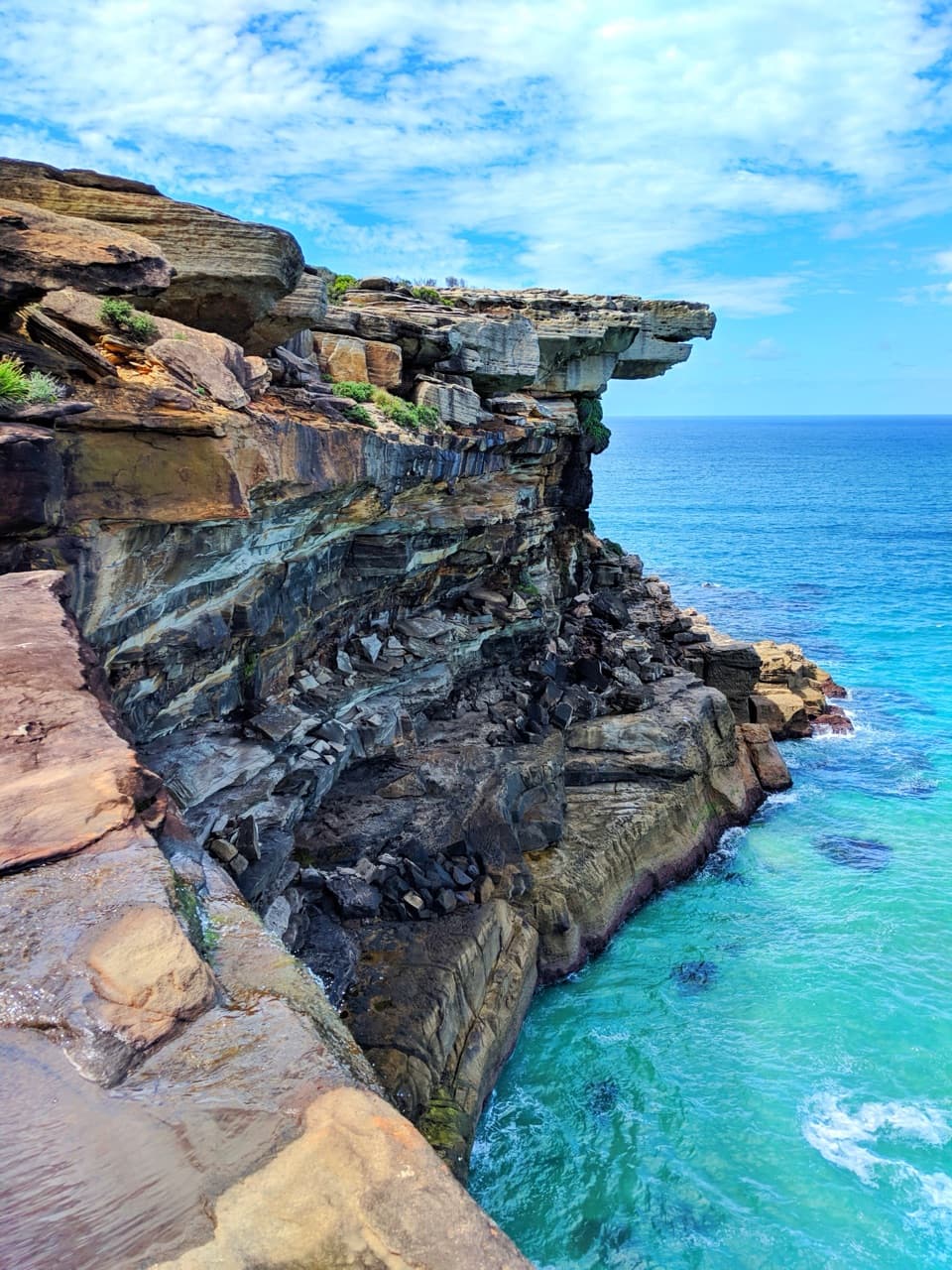
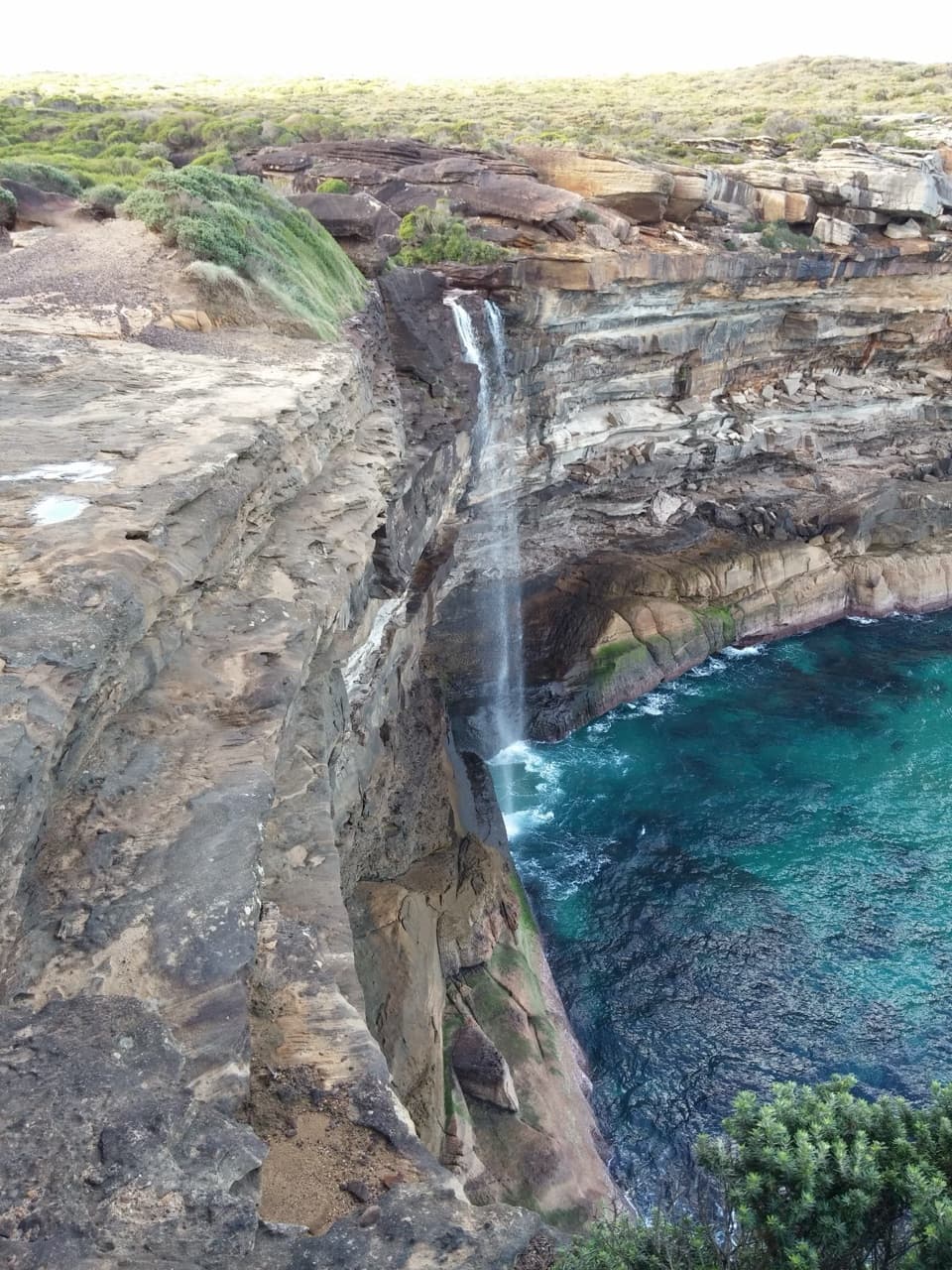
Jibbon Beach is the starting point for the separate Jibbon Loop, a roughly 5 km outing that takes about two hours. The easy Grade 2 route crosses the beach, continues to Jibbon Head and its elevated viewing platform, then follows cliff-top stretches past smaller beaches before returning through scrub to Bundeena. Choose the loop if you want more than a swim and sand; the headland and the carvings are beyond the beach, not on the main stretch of shore.
Dharawal history at the water’s edgeThe name Jibbon is explained as coming from a Dharawal word for “sandbar at low tide.”
The name Jibbon is explained as coming from a Dharawal word for “sandbar at low tide.” At the beach’s eastern end, a shell midden is estimated at about 3,000 years old. Its shells, tools and bone are evidence of Dharawal people gathering and preparing food here, making this shoreline part of a much longer human story than the Bundeena village most visitors arrive through.
Protect the headland engravingsBeyond the beach, Jibbon Headland has rock engravings that include whales and kangaroos.
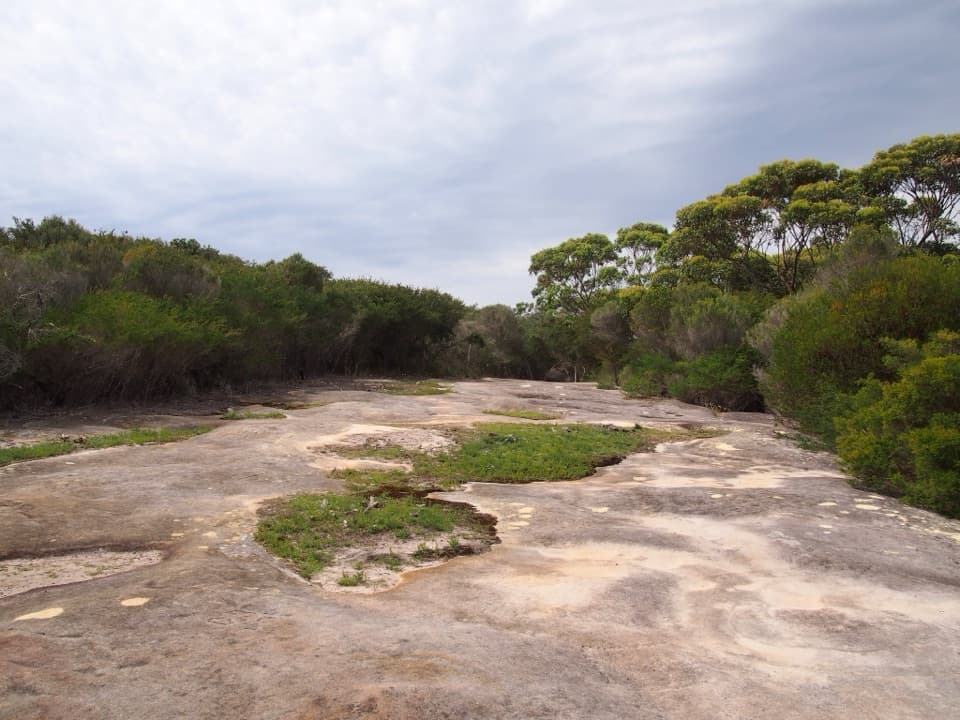
Beyond the beach, Jibbon Headland has rock engravings that include whales and kangaroos. They are an important expression of Dharawal culture and continuing connection to Country. Past foot traffic damaged the engraved surface, so a raised boardwalk and viewing platform now keep visitors off the rock while letting them see it. Stay on the walkway; the engravings are a separate stop on the headland route.
Frame the curveFor a beach photo, turn along the crescent so the line of sand leads toward the Port Hacking…
For a beach photo, turn along the crescent so the line of sand leads toward the Port Hacking entrance instead of pointing straight out to sea. Boats sometimes moor offshore in summer; include one if it’s there to give the wide water a sense of scale.
Wildlife
Wildlife in Royal
 56 sightingsHumpback WhaleMost seen around 11 AMSighting map
 70 sightingsWhite-bellied Sea-EagleMost seen around 9 AMSighting map
 12 sightingsKoalaMost seen around 6 PMSighting map
 34 sightingsJavan RusaMost seen around 6 PMSighting map
 70 sightingsShort-beaked EchidnaMost seen around 5 PMSighting map
 11 sightingsRed FoxMost seen around 5 PMSighting map
Sighting maps show where each species has been reported across Royal. Wildlife moves, so no sighting is guaranteed.