Big Meadows

Big‑sky meadow for wildlife, wildflowers, and stargazing
Big Meadows, Shenandoah National Park
InsideShenandoah National Park

Overview

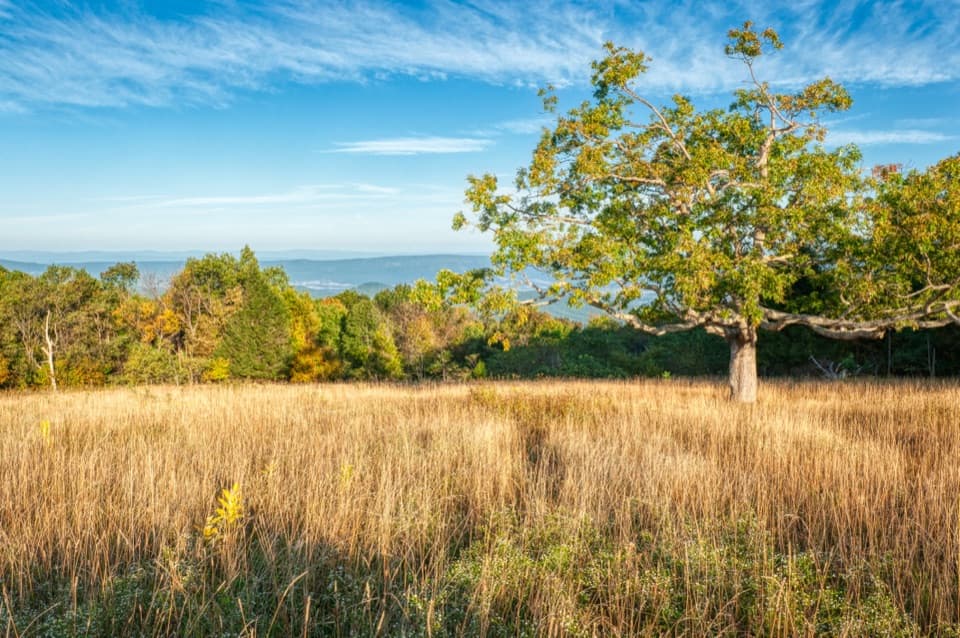
Big Meadows is the park’s signature open grassland—about 134 acres of rolling, high‑elevation meadow right off Skyline Drive. It’s a breath of fresh air after miles of forest: big sky, swaying grasses, and long sightlines. The meadow sits across from the Harry F. Byrd, Sr. Visitor Center with the lodge, campground, and wayside close by, so it naturally becomes a basecamp for exploring.

Why it’s special

You don’t often find a broad, naturally open meadow perched atop the Blue Ridge. Its origins are still a bit of a mystery, and the park actively maintains it with periodic prescribed burns to keep shrubs from taking over. That management keeps the sweeping views—and the habitat that depends on them—alive.

What you’ll see

Expect seasonal wildflowers, berry patches, and grasses rippling in the wind. Many informal paths lace through the meadow, perfect for slow wandering, photography, and soaking up that big‑sky feel. Nearby trailheads lead to classics like Mill Prong toward Rapidan Camp and other popular routes.

Wildlife highlights

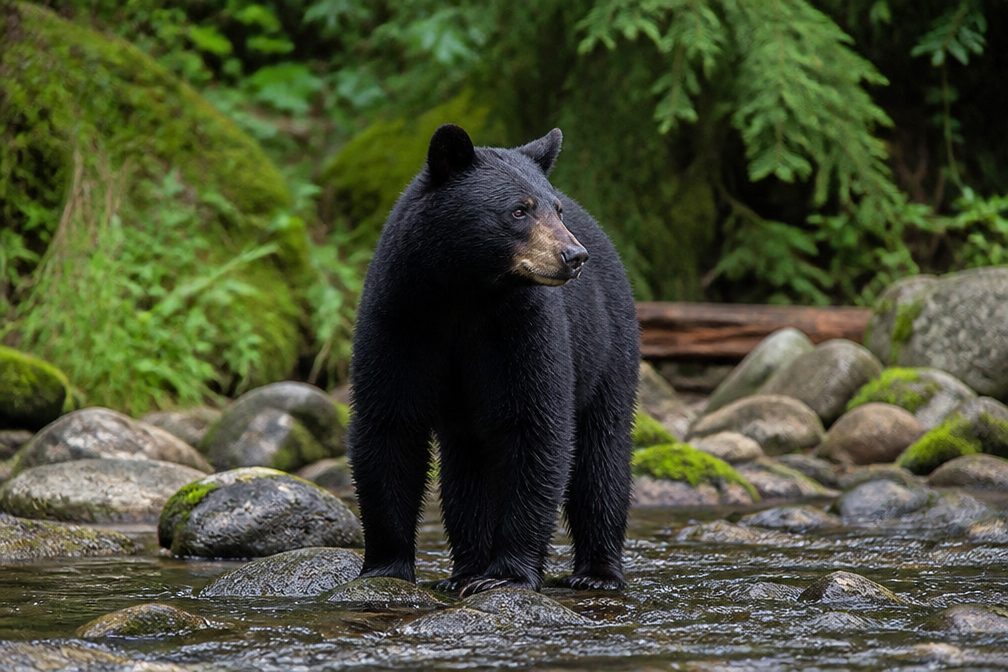
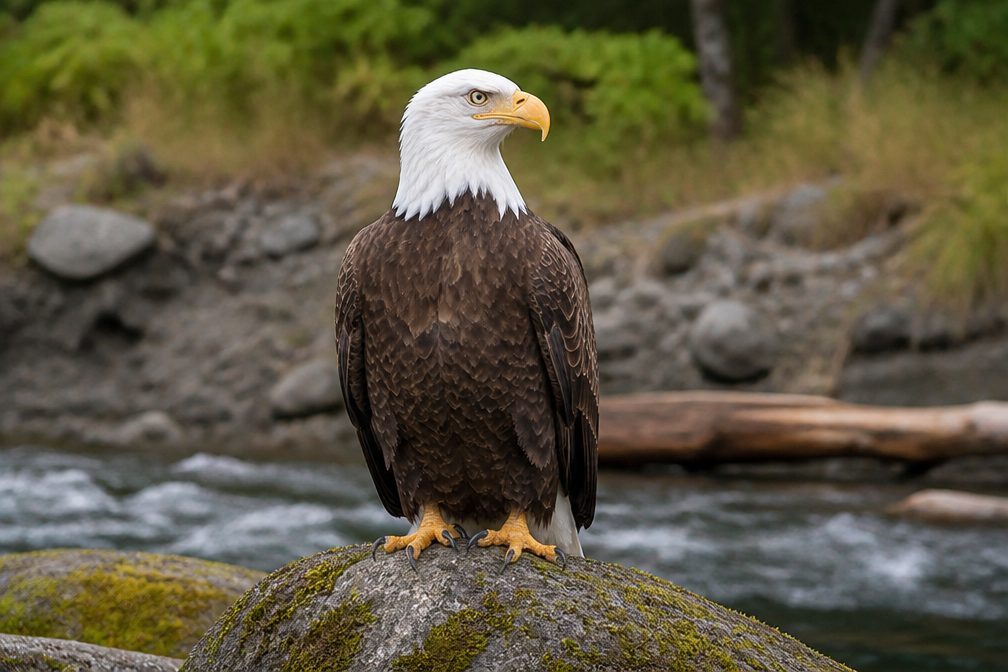
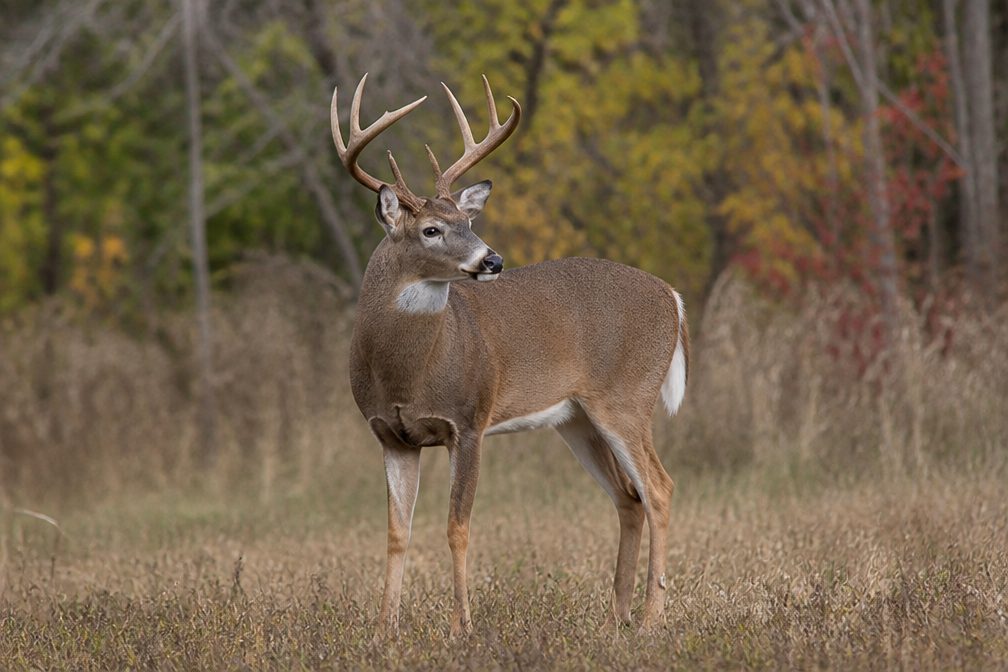
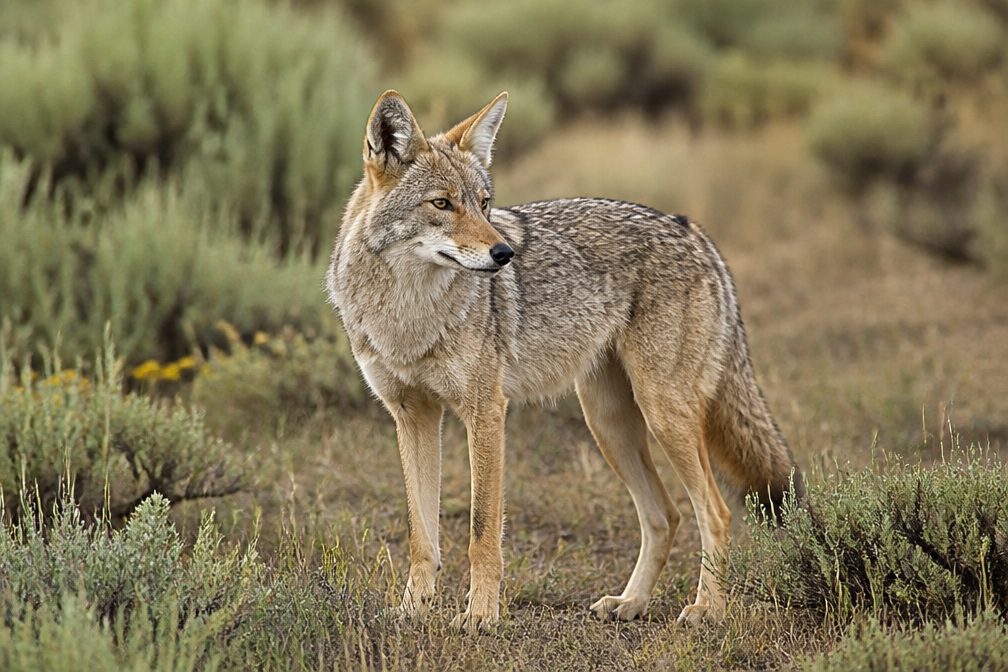
This is one of the easiest spots in the park to see white‑tailed deer—dawn and dusk are prime. The open habitat also draws sparrows (chipping, field, and song are regulars), butterflies, and small mammals. Black bears occasionally roam the area; keep your distance and store food properly.

History and context

Big Meadows is etched into the park’s story—President Franklin D. Roosevelt dedicated the park and Skyline Drive here in 1935. It’s listed on the National Register of Historic Places, and yes, the meadow has seen its share of wild weather, including record snowfall events.

How the park cares for it

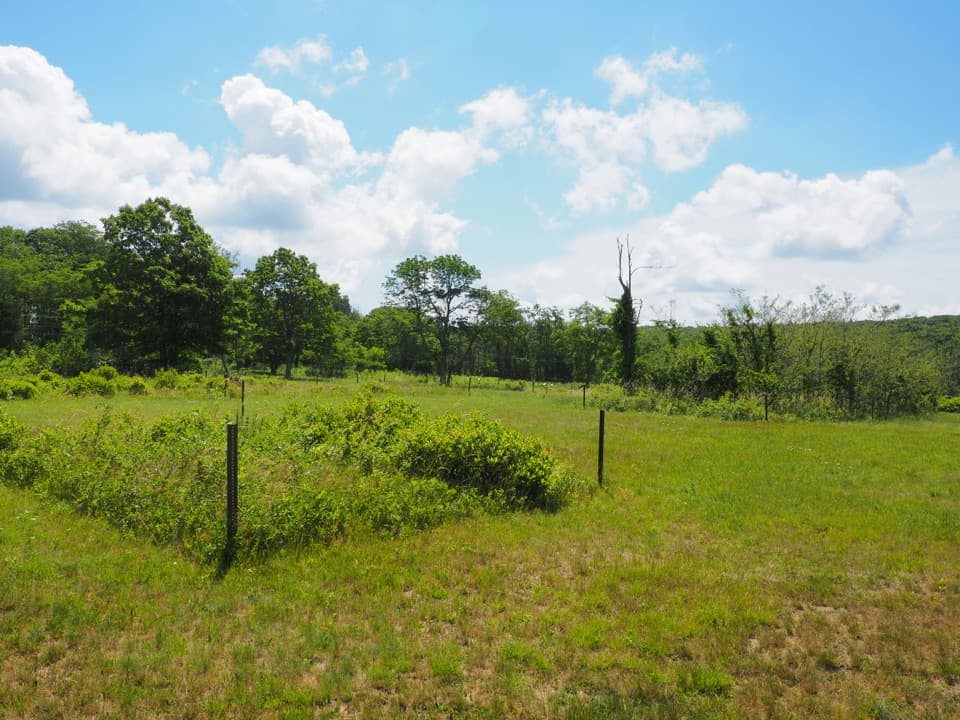
To keep the meadow open, the park conducts prescribed burns. Don’t be surprised if some sections look recently charred—that’s intentional and temporary, and it helps the grasses and wildflowers rebound stronger.

Best time to visit

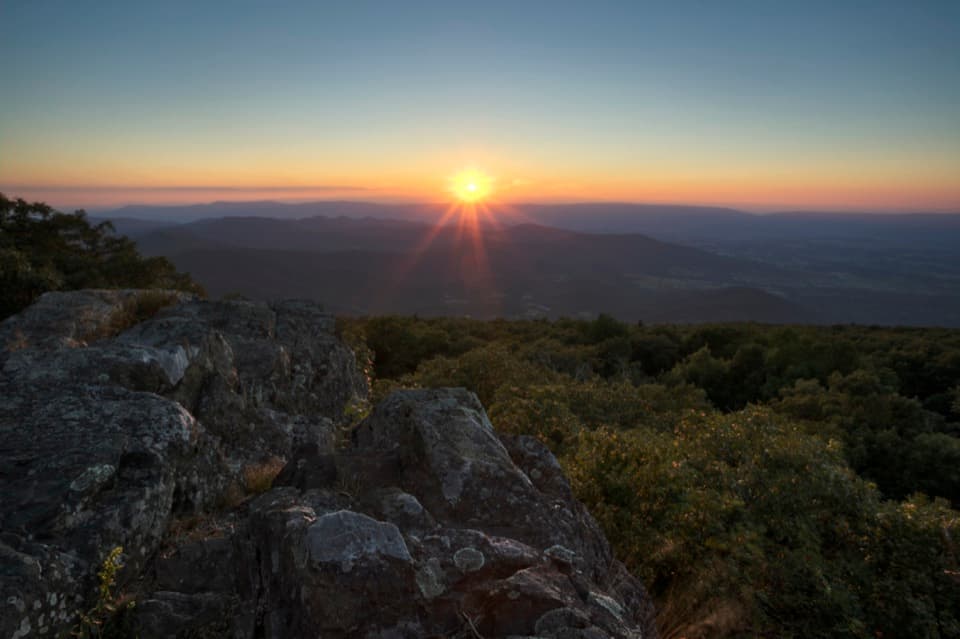
  • Light and wildlife: Go at sunrise or sunset for soft light, cooler temps, and active deer.
  • Seasons: Spring and summer bring blooms and birds; clear summer nights are excellent for stargazing. Fall adds color around the meadow edges.
  • Crowds: Weekdays are quieter. Weekends and peak season draw lots of people thanks to the central amenities.

Nearby conveniences

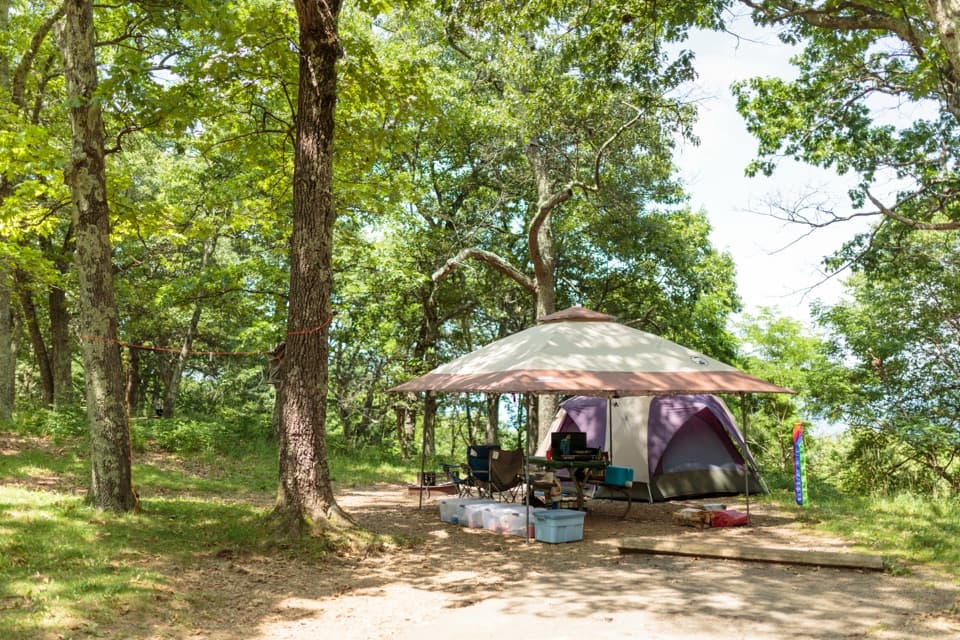
Across the road you’ve got the visitor center, a large campground, Big Meadows Lodge, and a wayside with food and supplies—handy if you’re turning a meadow stroll into a full day out.

Pros

  • Prime stargazing and big‑sky views
  • Easy wildlife watching in a rare high‑elevation meadow
  • Central hub with nearby lodge, campground, visitor center, and food

Cons

  • Can feel busy and noisy near the campground on peak weekends
  • Bugs can be pesky in warm months
  • Prescribed burns can leave sections charred temporarily

Tips

  • Show up at dawn or dusk for the best deer viewing and photos.
  • Bring bug spray in warmer months; gnats and mosquitoes can be active.
  • Check for recent prescribed burns if you’re after lush, unburned scenery.
  • Plan stargazing on a clear, moonless night and bring a red‑light headlamp.
  • Use the nearby visitor center and wayside for parking, food, and last‑minute supplies.
The Parkwolf tour guide sitting on a phone mounted in a car

Parkwolf Tour Guide

Like a tour guide in your car.

Save the places you found around Shenandoah, then let Parkwolf guide the drive between them.Download Parkwolf on the App Store