Parking
Start at Harry F. Byrd, Sr. Visitor Center on Skyline Drive at mile 51; follow the sidewalk from the front of the center to the trail. The Shenandoah entrance fee applies; there is no separate activity fee.

Shenandoah National Park, VA
An easy woods loop past a stream and air-quality station.
Overview
Map & elevation
Plan your hike

The highest, rockiest slopes around here are a summer buffet for grizzly bears.
Shenandoah Tour Guide
Parkwolf is a GPS audio tour guide for Shenandoah National Park. As you drive, it chimes in with what’s ahead: hidden gems, upcoming stops, history, geology, and wildlife, right through your car’s speakers.
See the Shenandoah audio tourRecorded for this trailhead
Big Meadows: Deer and a Break from the Forest“You're coming up on Big Meadows, a broad grassy opening in the middle of all this forest. I'd stop here for a short wander, especially if you want to stretch your legs without a major hike.”
Plays as you drive up to this trailhead in the Parkwolf Shenandoah Tour Guide.
More stories near here in the app
“Fantastic app with many points of information… It’s great to just turn on while you’re driving and it gives you an audio tour of the national Park. We love it!!!!”


Trail guide
Story of the Forest is a 1.8-mile loop from the front of Harry F. Byrd Visitor Center through Big Meadows woods and back on a paved walkway. Allow about 1.5 hours; the route is rated easiest and has about 290 feet of climbing. It suits a relaxed woodland walk and a stop at the park’s air-monitoring station. Pick another hike if you want an overlook or summit.
From the visitor-center front at Skyline Drive mile 51, follow the sidewalk to the trail and turn right. The wooded path starts downhill, crosses a small stream on a footbridge, and passes the Big Meadows–Skyland Horse Trail. Stay on the hiking trail at that crossing. After the bridge, turn left and continue to the paved walkway near the Campground Office; turn left again to return. The forest path is well graded, and the return is paved.
The route passes the Big Meadows Air Quality Monitoring Station. Look to the left along its fence for an interpretive sign explaining what the station monitors and why. That stop is the trail’s most distinctive feature; the rest of the payoff is an easy walk through the woods.
The hike is listed as a year-round route with no reservation or separate activity fee, though the park entrance fee applies. Pets aren’t allowed; service animals are welcome. The route does not meet ADA accessibility guidelines.
Wildlife
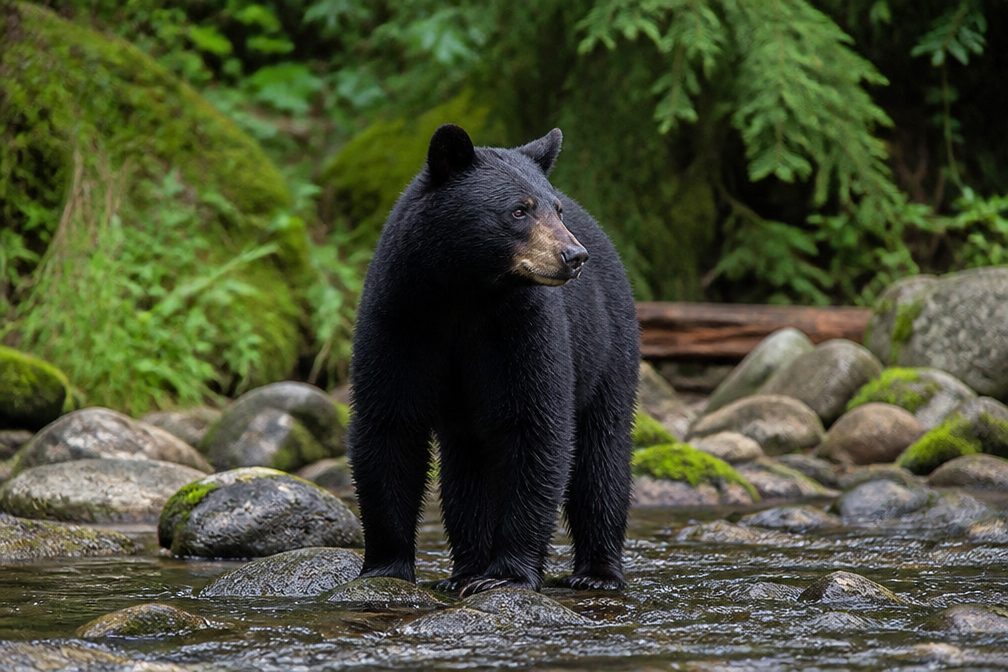 325 sightingsBlack BearMost seen around 6 AMSighting map
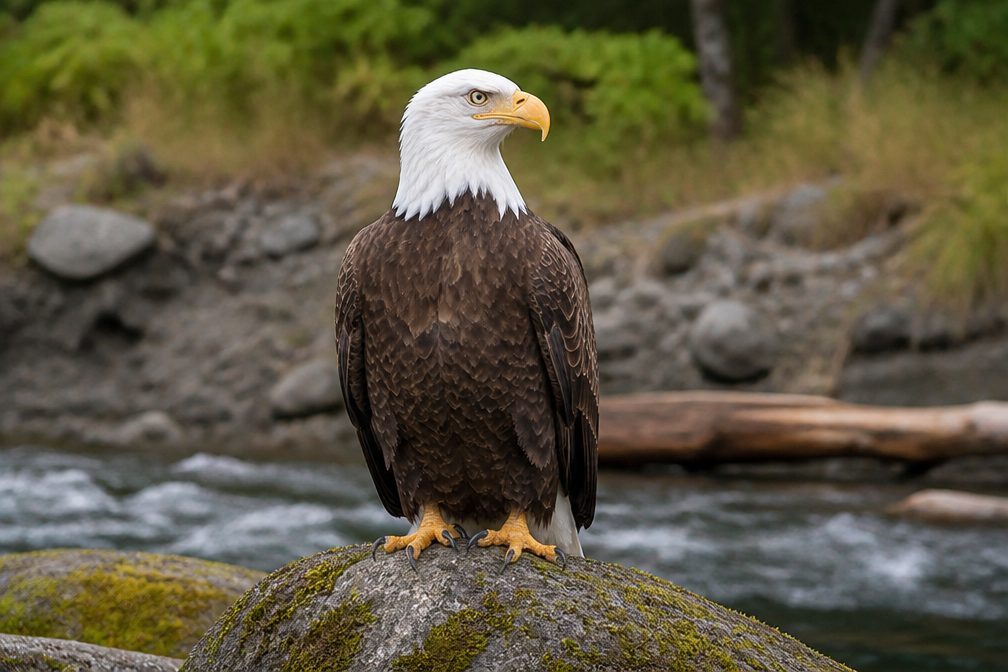 21 sightingsBald EagleMost seen around 10 AMSighting map
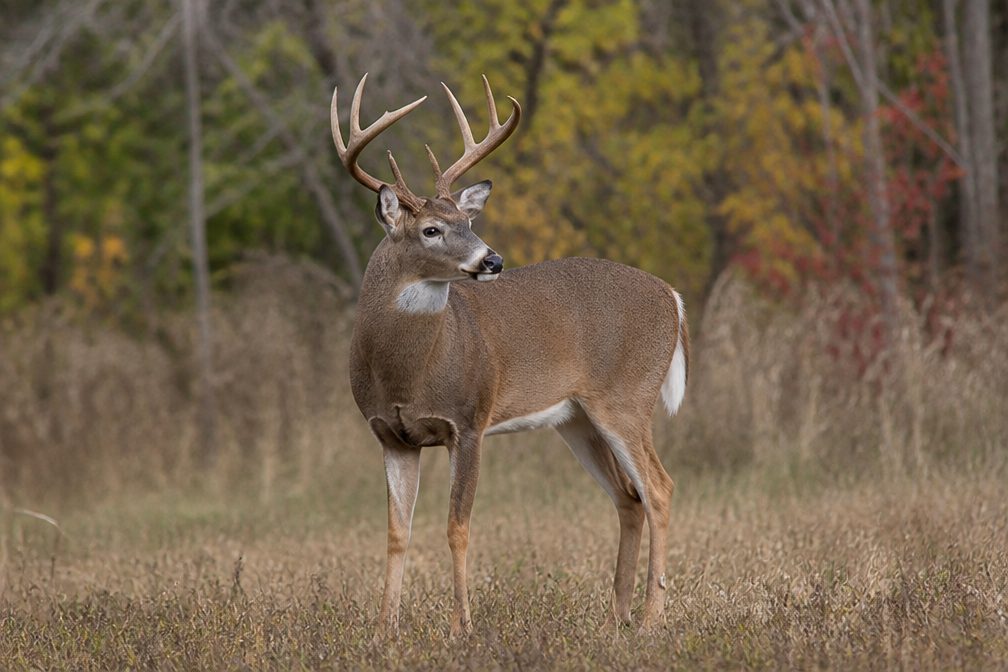 1,036 sightingsWhite-tailed DeerMost seen around 7 PMSighting map
 167 sightingsWild TurkeyMost seen around 7 AMSighting map
 93 sightingsTimber RattlesnakeMost seen around 6 PMSighting map
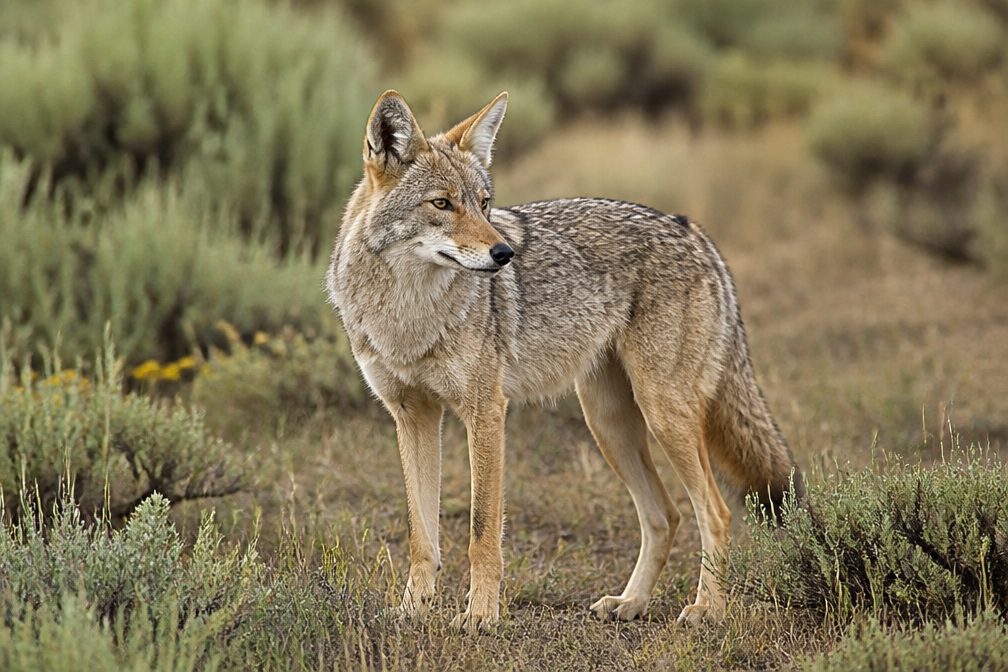 24 sightingsCoyoteMost seen around 6 AMSighting map
Sighting maps show where each species has been reported across Shenandoah. Wildlife moves, so no sighting is guaranteed.
Keep exploring
 ChallengingRapidan, Fork Mountain & Rose River Circuit22.9 mi · 16 hr · 0.2 mi awayAn overnight circuit through Hoover’s historic Rapidan Camp.
 ModerateDark Hollow Falls1.4 mi · 1.5 hr · 0.3 mi awayA shady creek descent, a waterfall, and a steep climb back.
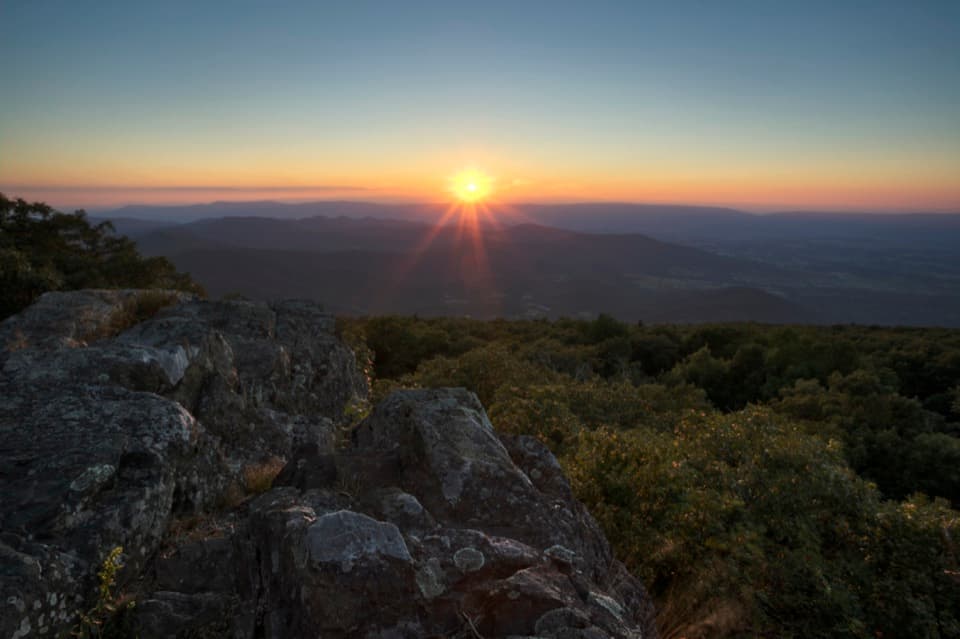 EasyBlackrock at Big Meadows0.2 mi · 15 min · 0.7 mi awayA quick climb to a broad Massanutten view.
 ModerateLewis Falls Trail2.8 mi · 4 hr · 0.9 mi awayAn 81-foot waterfall and ridge views reward this rocky loop.
 EasyAppalachian Trail - Tanners Ridge Road2.1 mi · 1.5 hr · 1.3 mi awayAn easy A.T. walk to old farm traces and a family cemetery.ModerateRapidan Camp via Mill Prong4 mi · 2.8 hr · 1.3 mi awayThree stream crossings lead to Hoover’s historic mountain retreat.
 ModerateMill Prong - Laurel Prong Loop7.4 mi · 7.5 hr · 1.3 mi awayA 7.4-mile loop to Hoover’s Rapidan Camp with three stream crossings.
 EasyHazeltop Mountain via Milam Gap4.2 mi · 2.3 hr · 1.3 mi awayA gentle Appalachian Trail climb to a rocky western view from Hazeltop.
 Visitor center · At the trailheadHarry F. Byrd Sr. Visitor CenterSee how the park was made before you head out exploring.
 Food · 0.1 mi awayBig Meadows WaysideA practical food and supply stop on the park's central stretch.
 Sight · 0.1 mi awayBig MeadowsAn open break from the forest, rich in wildlife and rare wetlands.
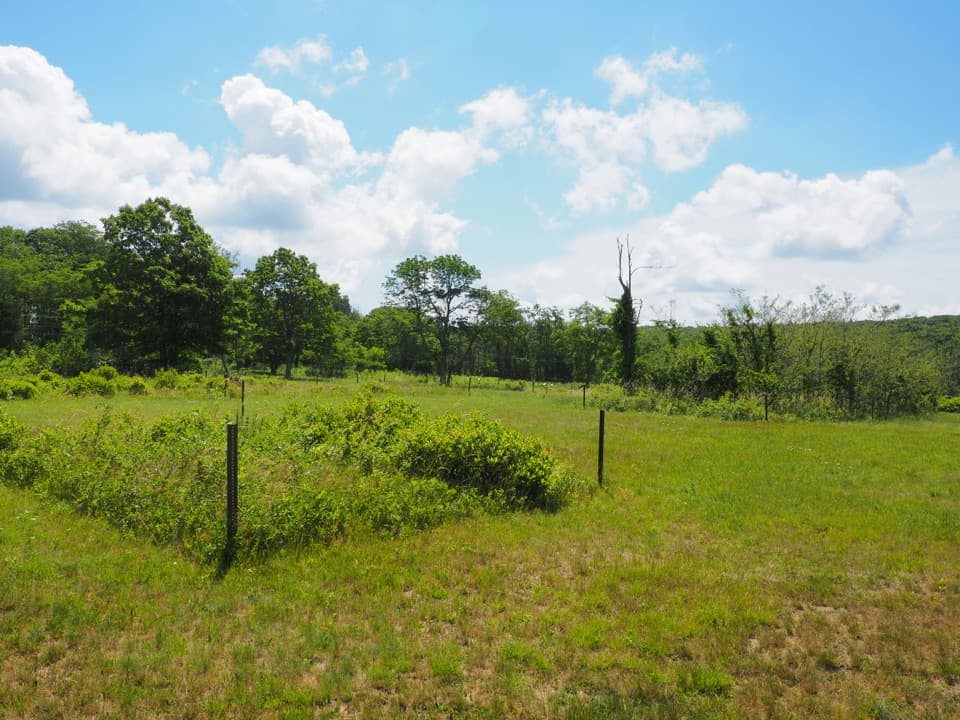 Sight · 0.3 mi awayBig Meadows CCC CampA short walk through Big Meadows' CCC camp footprint.
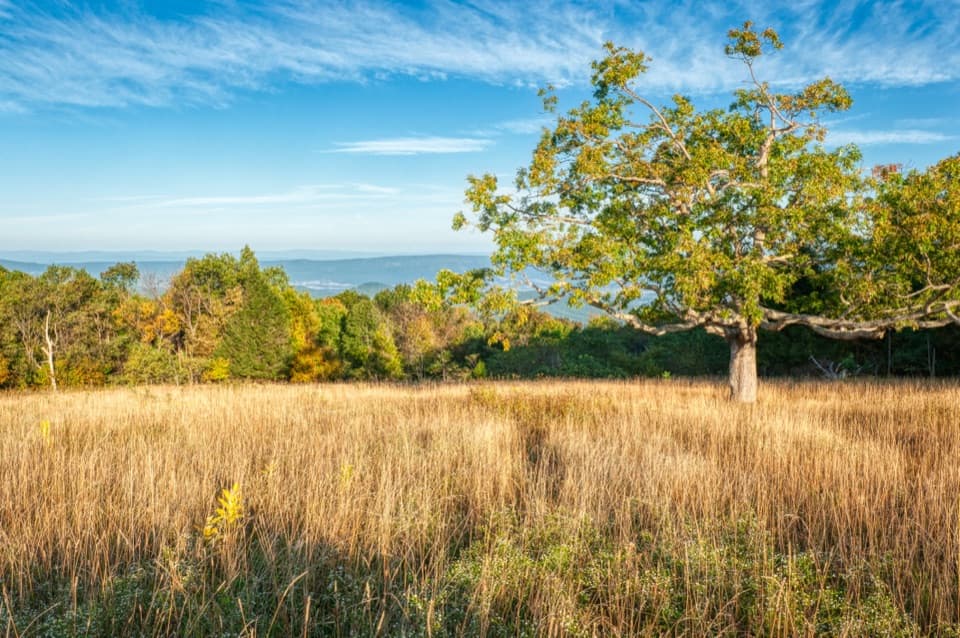 Scenic pullout · 0.4 mi awayTanners Ridge OverlookLook across the field toward Stanley and the Shenandoah Valley.Sight · 0.7 mi awayLewis FallsA steep, rocky loop to an 81-foot waterfall.
 Sight · 0.7 mi awayDark Hollow FallsA brief, steep stream walk to a 70-foot cascade.
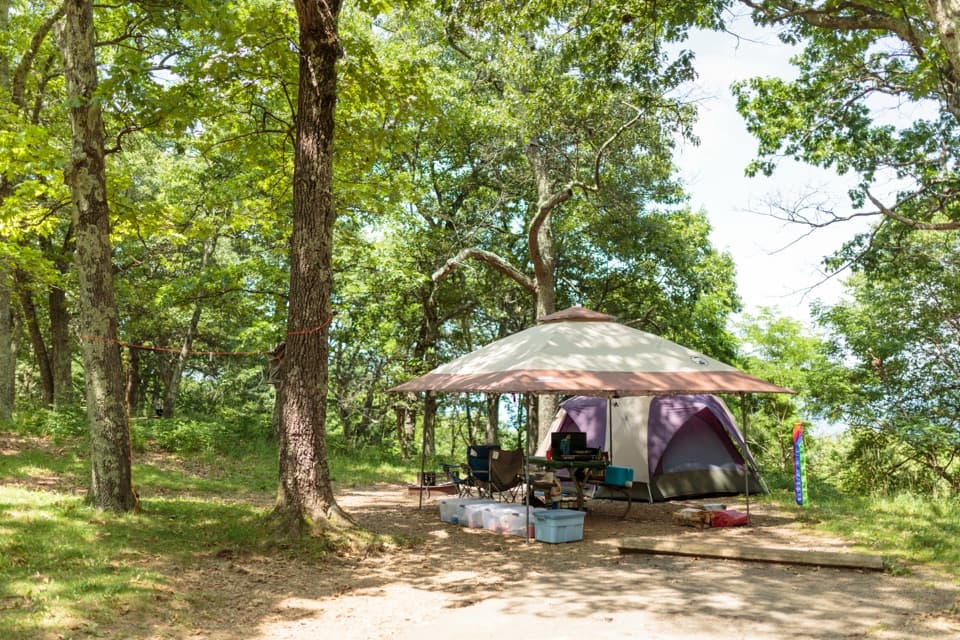 Campground · 0.7 mi awayBig Meadows CampgroundA leafy base near the meadow, waterfalls, and visitor center.
Parkwolf’s Shenandoah ranking

The audio tour guide for the drive, plus offline maps, trails, and wildlife heatmaps for when the signal drops.