1 active Westland Tai Poutini alert
- CautionActive landslide zones on Copland TrackDo not stop in either of Copland Track’s signposted active landslide zones; take extra care during and after heavy rain.Official details
Sight · Westland Tai Poutini National Park
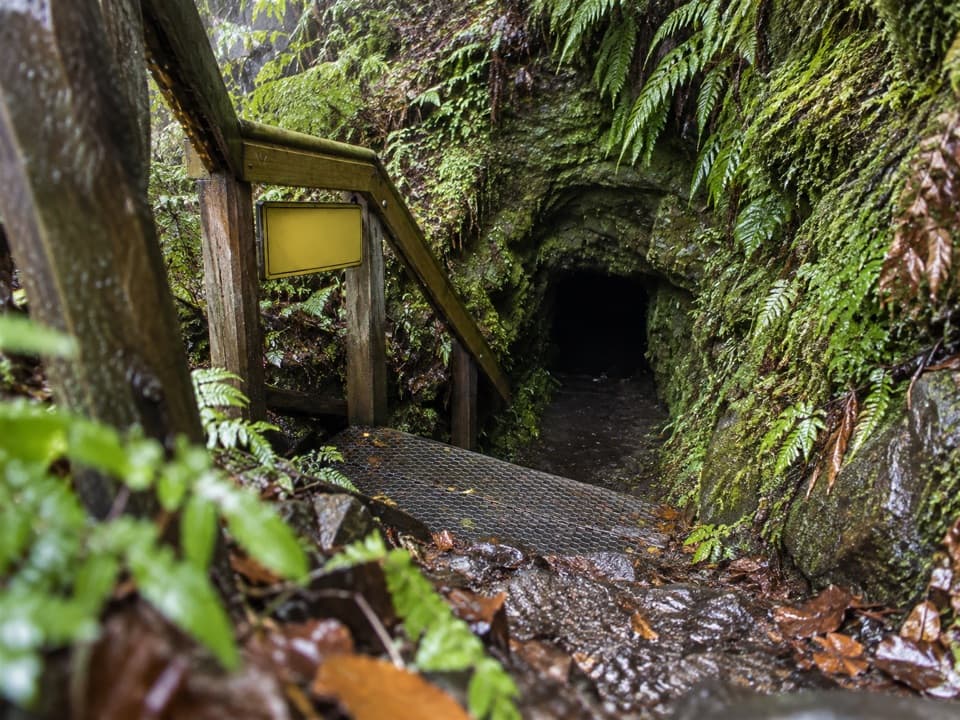
A water tunnel with mining history and glowworms in the dark.
Overview
Map
Plan your stop

The highest, rockiest slopes around here are a summer buffet for grizzly bears.
Westland Tai Poutini Tour Guide
Parkwolf is a GPS audio tour guide for Westland Tai Poutini National Park. As you drive, it chimes in with what’s ahead: hidden gems, upcoming stops, history, geology, and wildlife, right through your car’s speakers.
See the Westland Tai Poutini audio tourRecorded for this place
Cowan Street Walks: Callery Gorge“You're approaching Cowan Street, the starting point for the walk to Callery Gorge. Choose this for a forest outing of about an hour and a half return, with the historic bridge and narrow gorge at the far end.”
Plays as you drive up to Tatare Tunnels in the Parkwolf Westland Tai Poutini Tour Guide.
More stories near here in the app
“Fantastic app with many points of information… It’s great to just turn on while you’re driving and it gives you an audio tour of the national Park. We love it!!!!”


Guide
Tatare Tunnels are a historic water-tunnel system cut roughly 500 m through the side of Tatare Gorge, near Franz Josef/Waiau. It’s an unusual stop if you’re curious about mining and early engineering; the public route turns around just inside the far end of the first tunnel, before damaged wooden structures farther on.
The return route begins at the end of Cowan Street in Franz Josef and is 3.6 km, about 1 hour 20 minutes. It shares its first five minutes with Callery Gorge Walk, follows an old 4WD road, then drops to a view into Tatare Gorge before a steep, narrow climb to the tunnel. The walk is rated easy to intermediate, but expect a rougher finish than that label may suggest. Bring a torch and raincoat; water can reach ankle depth, so wear shoes you don’t mind getting wet. Dogs aren’t allowed.
Miners drove about 500 m of tunnel to carry water from Tatare Gorge to the Waiho terrace. Gold didn’t cover the mining costs, but Franz Josef was established on the operation site. From 1911, sluice pipes supplied the Graham Hotel; high-pressure water turned a Pelton wheel that powered a sawmill by day and town lights at night. The tunnel water ran a small hydro station in the gorge from 1938 until a slip destroyed it in 1982.
Visitors repeatedly report glowworms inside the tunnel. The passage is dark and the floor can be wet, so keep a torch for footing and don’t count on glowworms being visible.
Wildlife
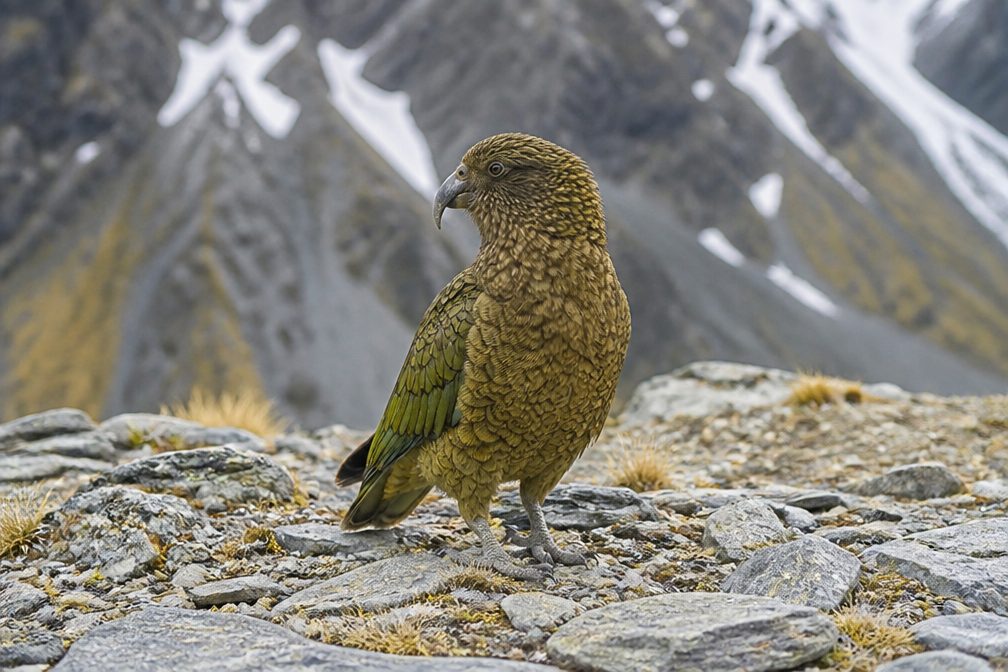 89 sightingsKeaMost seen around 10 AMSighting map
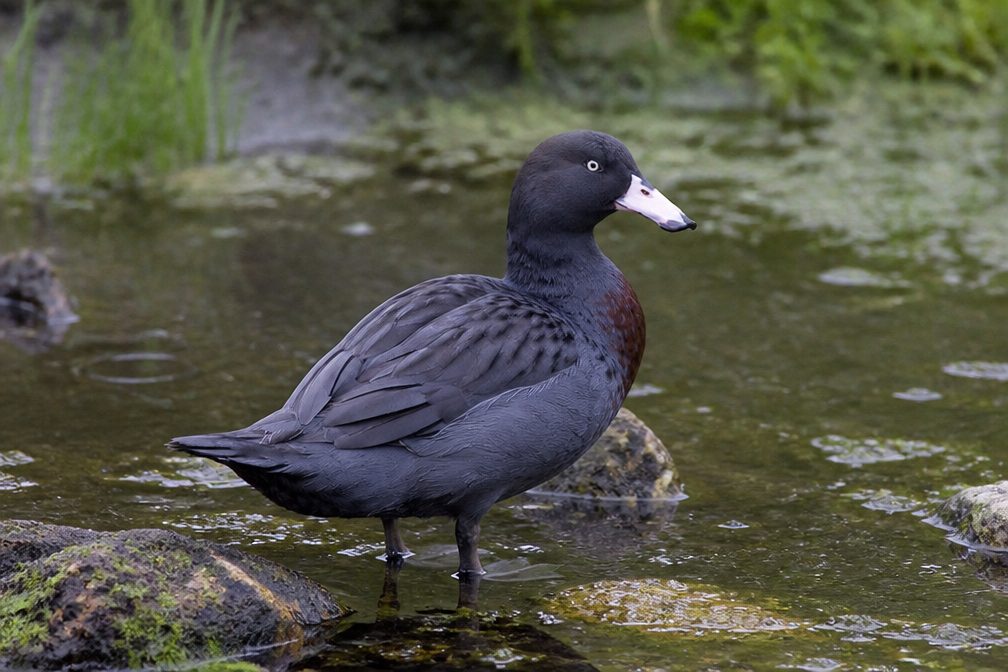 10 sightingsBlue DuckMost seen around 5 PMSighting map
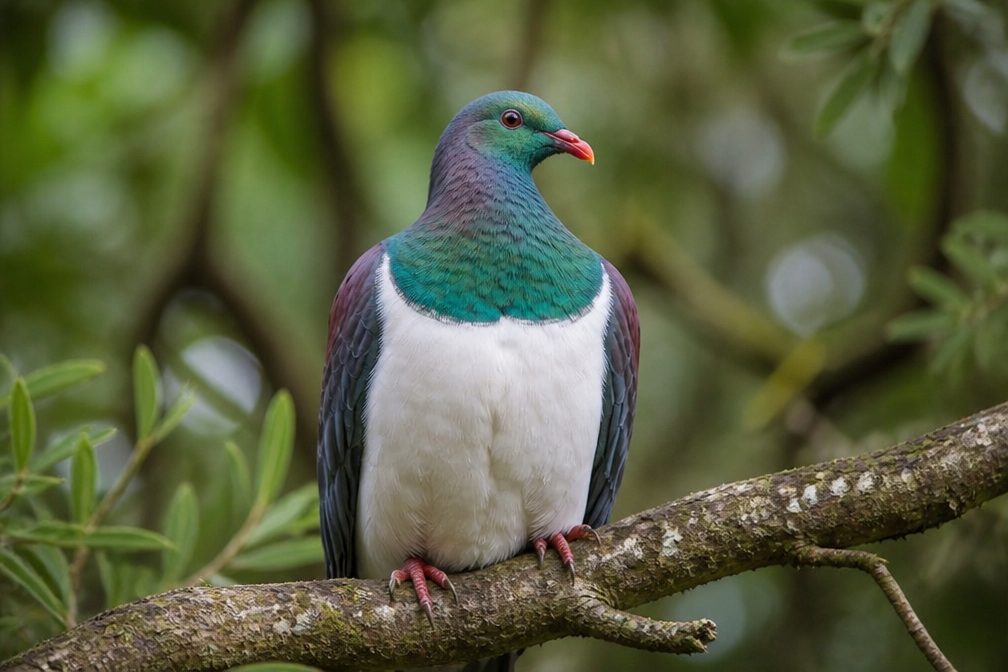 80 sightingsKererūMost seen around 7 AMSighting map
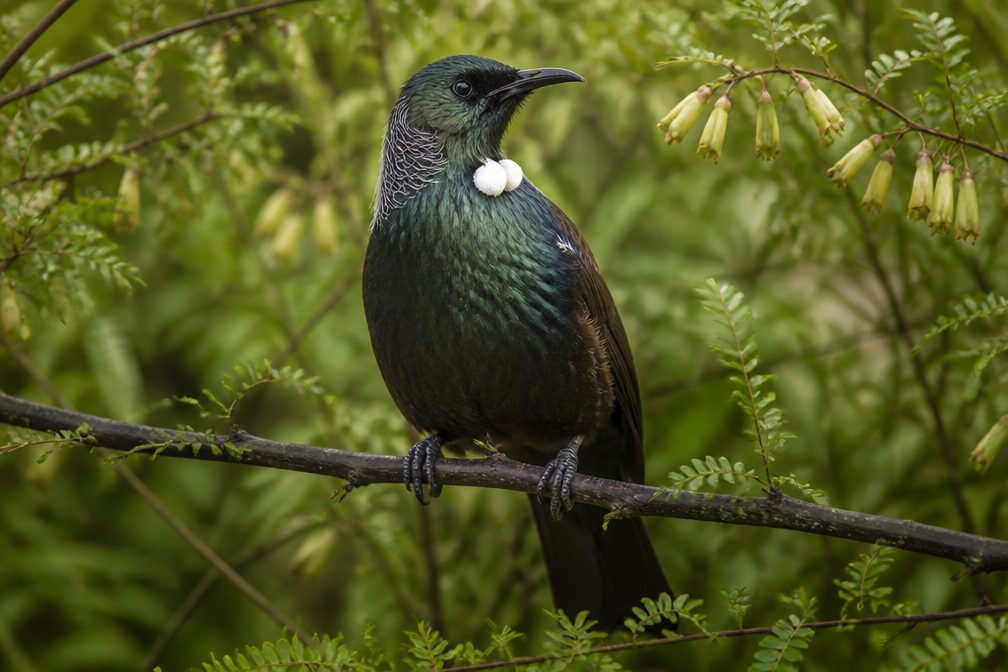 38 sightingsTūīMost seen around 5 AMSighting map
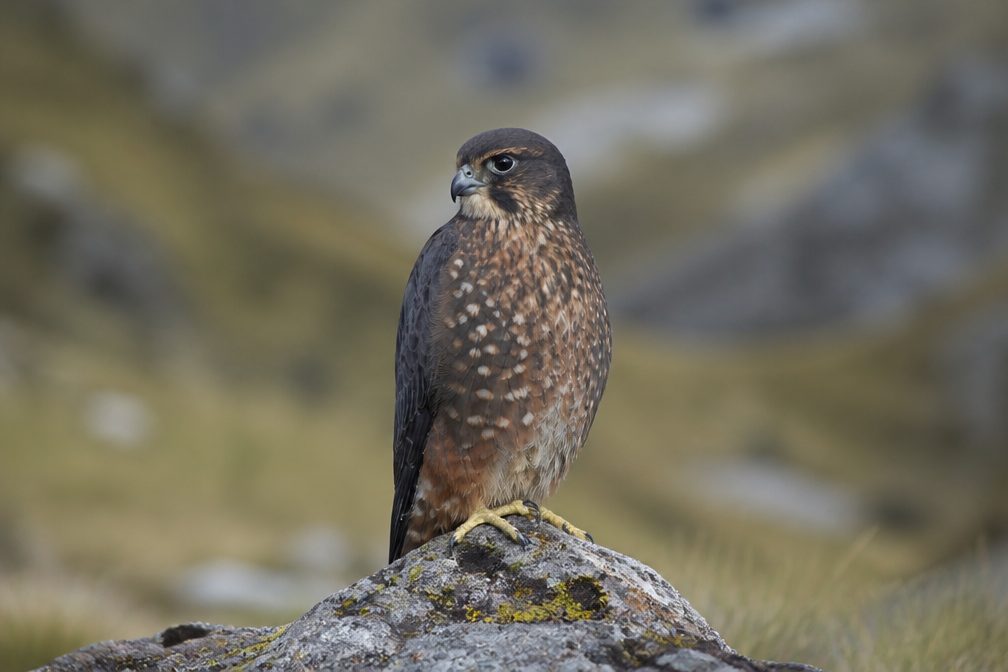 10 sightingsNew Zealand FalconMost seen around 10 AMSighting map
 28 sightingsYellow-crowned ParakeetMost seen around 8 AMSighting map
Sighting maps show where each species has been reported across Westland Tai Poutini. Wildlife moves, so no sighting is guaranteed.
Keep exploring
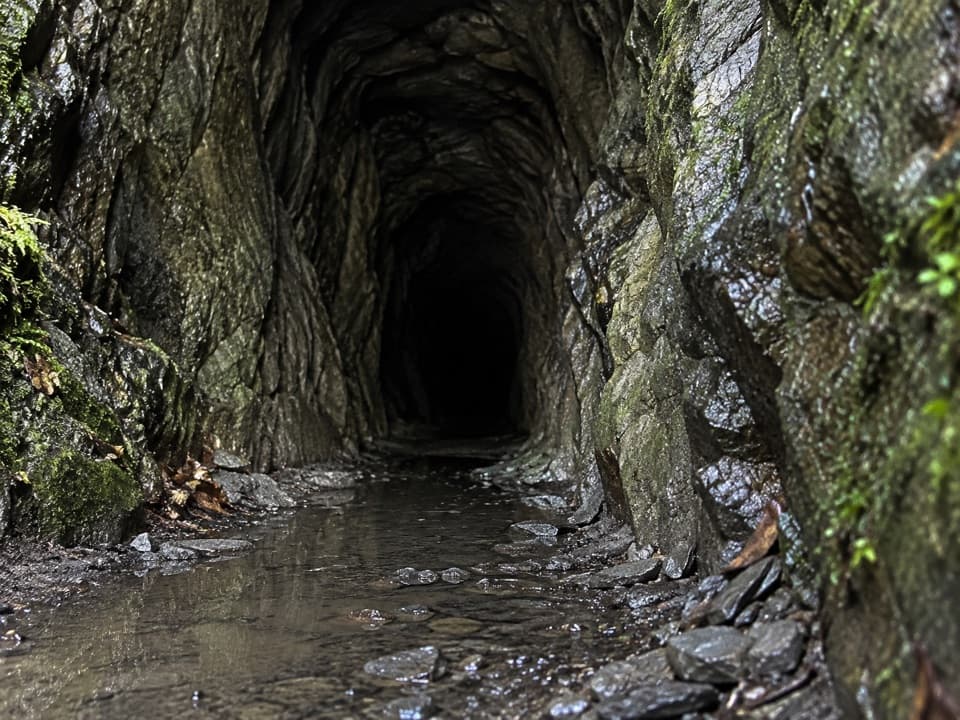 ModerateTatare Tunnels Walk4.4 km · 1.5 hr · 1.7 km awayA short forest walk to a damp, hand-cut mining tunnel.
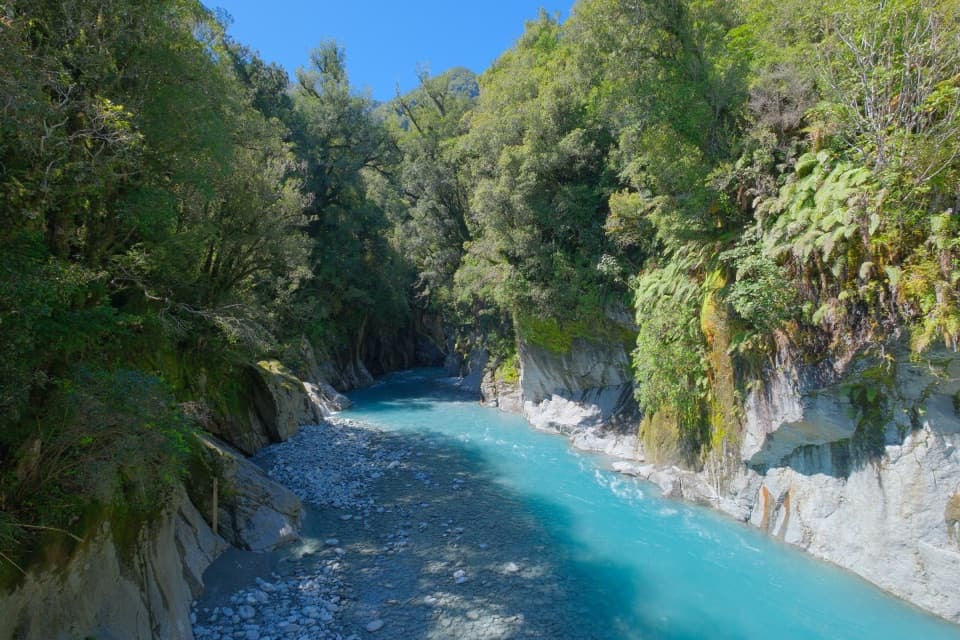 ModerateCallery Gorge Walk5.2 km · 1.5 hr · 1.7 km awayA rainforest walk to a historic bridge above Callery Gorge
 ModerateTe Ara a Waiau Walkway/Cycleway8.7 km · 2 hr · 1.8 km awayShared walk and cycleway from Franz Josef to the glacier car park
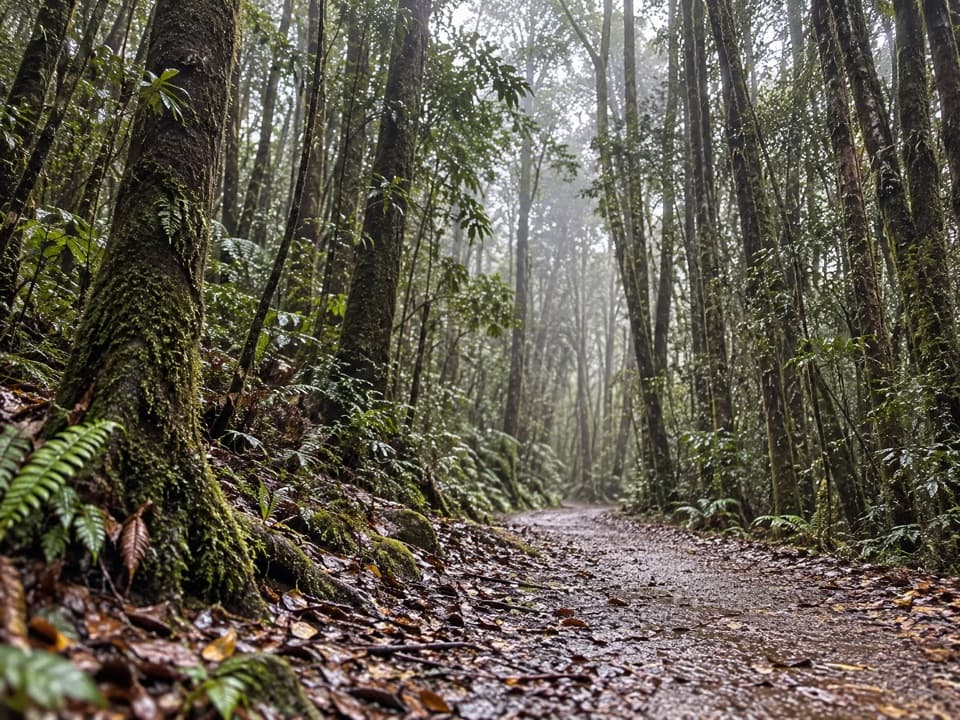 EasyTerrace Walk1 km · 30 min · 1.8 km awayA short rainforest path with glowworms around fallen trees after dark.
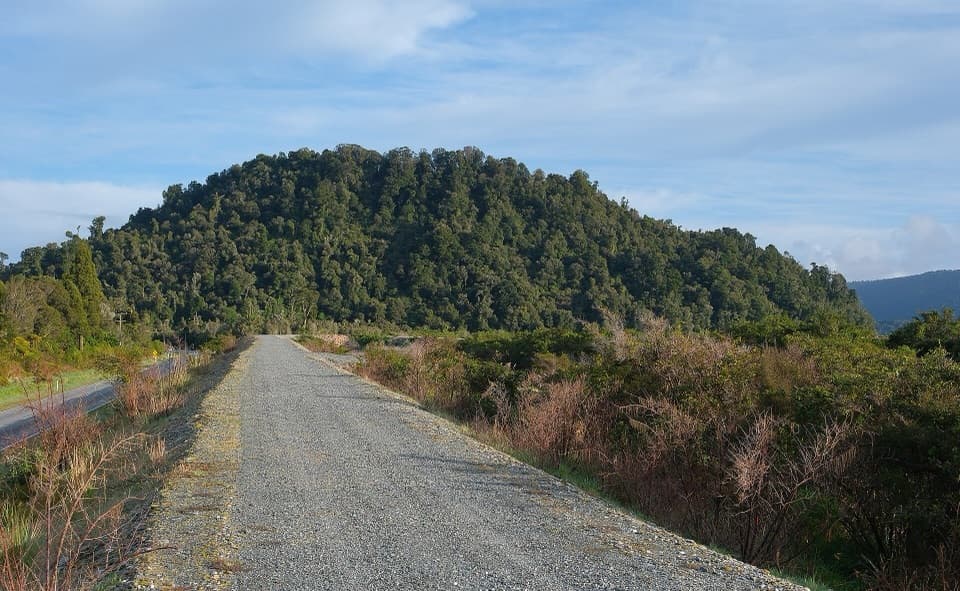 ModerateCanavans Knob Walk3.2 km · 1.3 hr · 2.9 km awayA riverside start leads to a steep climb and two-sided views.
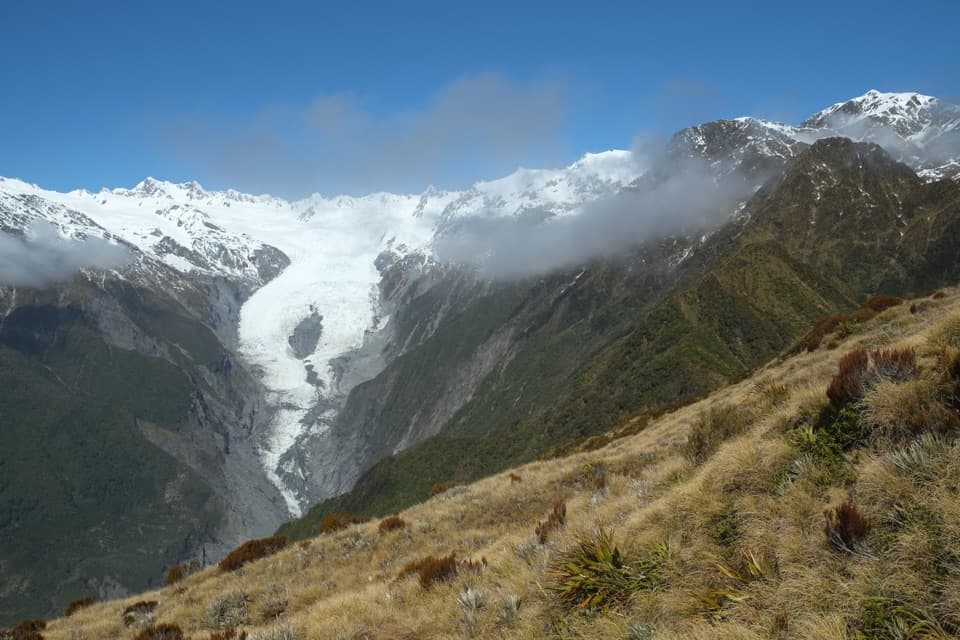 ChallengingAlex Knob Track17.2 km · 8 hr · 3.6 km awayEarn glacier, Alps and Tasman Sea views on a long climb
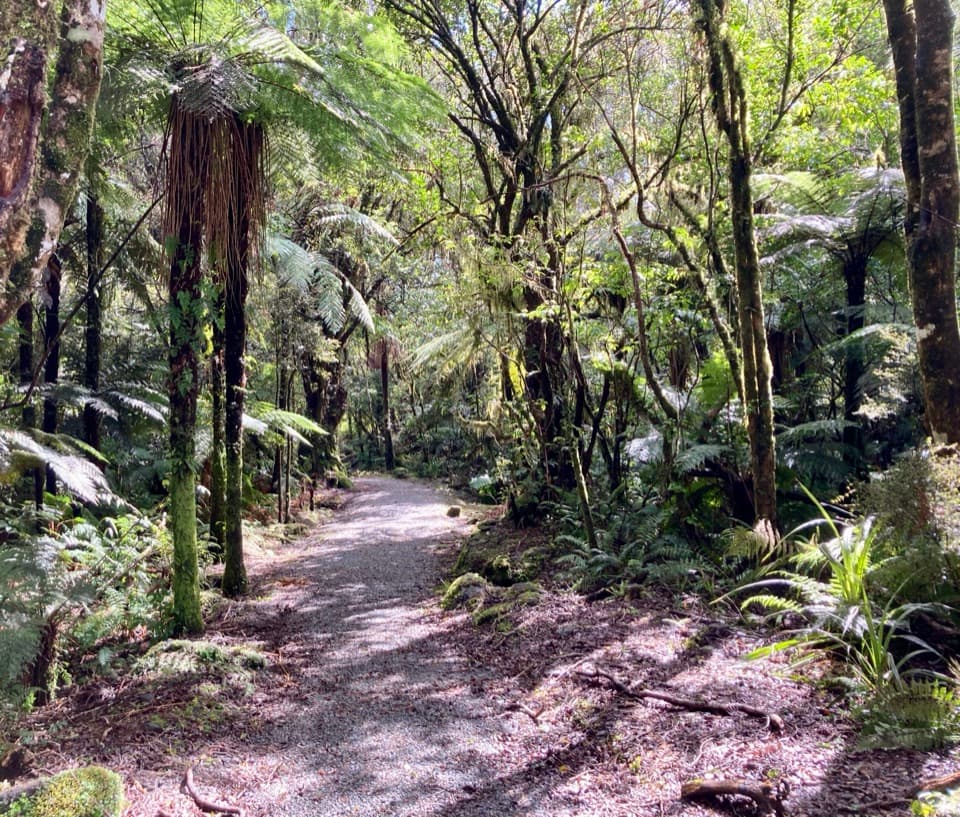 EasyLake Wombat Walk3.8 km · 1.5 hr · 3.6 km awayA steady forest climb to a quiet kettle lake.
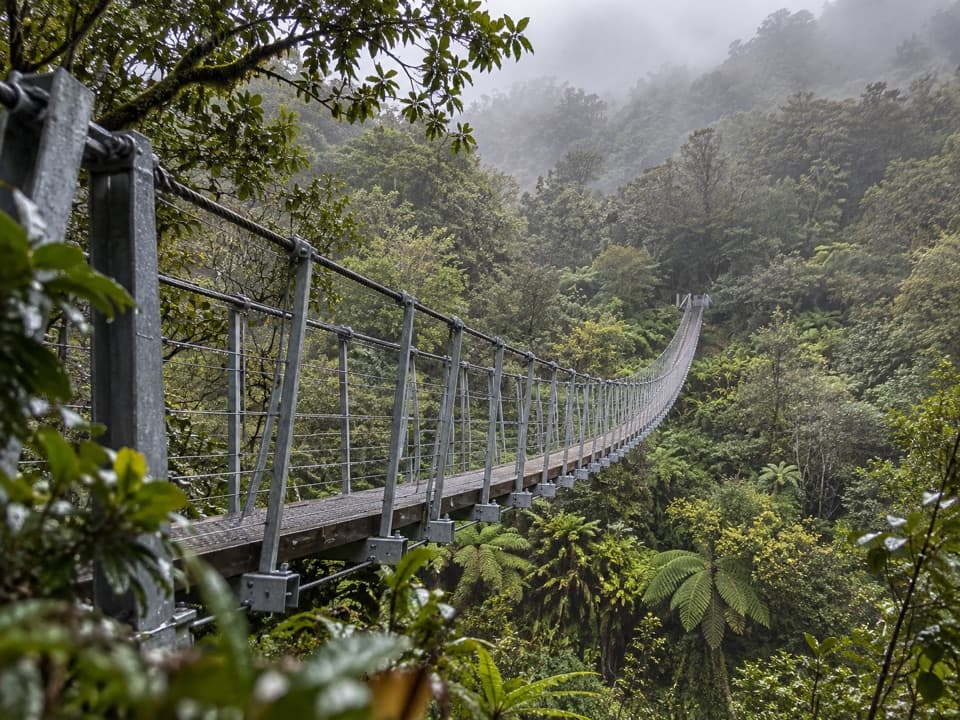 ChallengingRoberts Point Track12.3 km · 5.3 hr · 4.8 km awayA rough valley climb to a high view of Franz Josef Glacier.
 Sight · 1.7 km awayWaiho Hot TubsA private, wood-fired soak among Franz Josef’s ferns.
 Visitor center · 1.8 km awayWestland Tai Poutini National Park Visitor CentreGet local track and weather advice before heading into the glacier valleys.
 Sight · 1.9 km awayWest Coast Wildlife CentreSee rowi up close at the centre that helps hatch them.
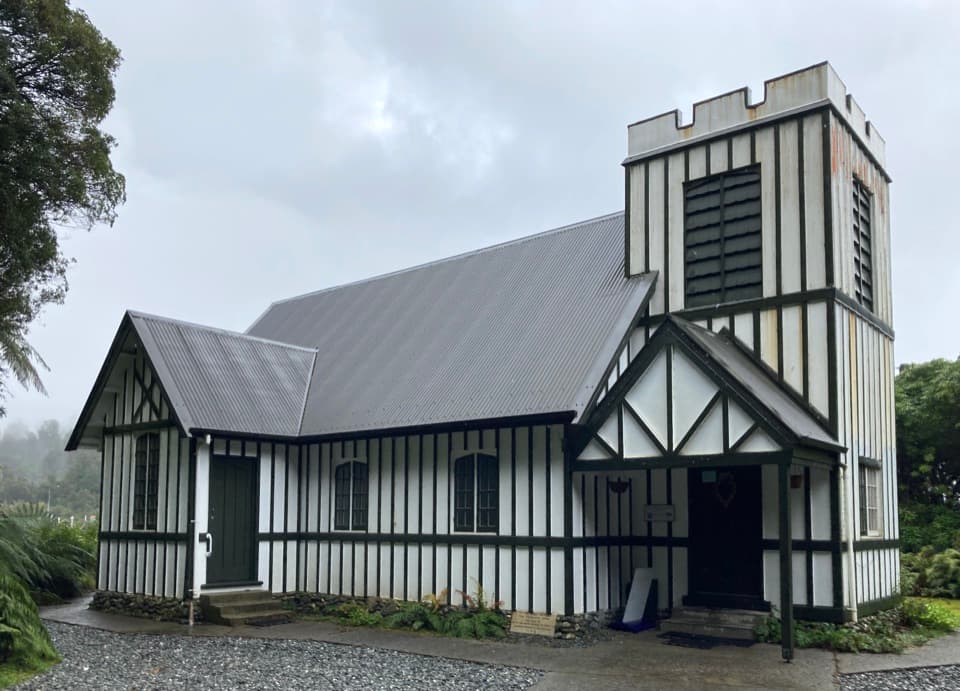 Sight · 2 km awaySt James ChurchA small church whose altar view landed on a 1946 peace stamp.Sight · 2.1 km awayCallery Gorge BridgeA rainforest walk to a 29-metre bridge over Callery Gorge.
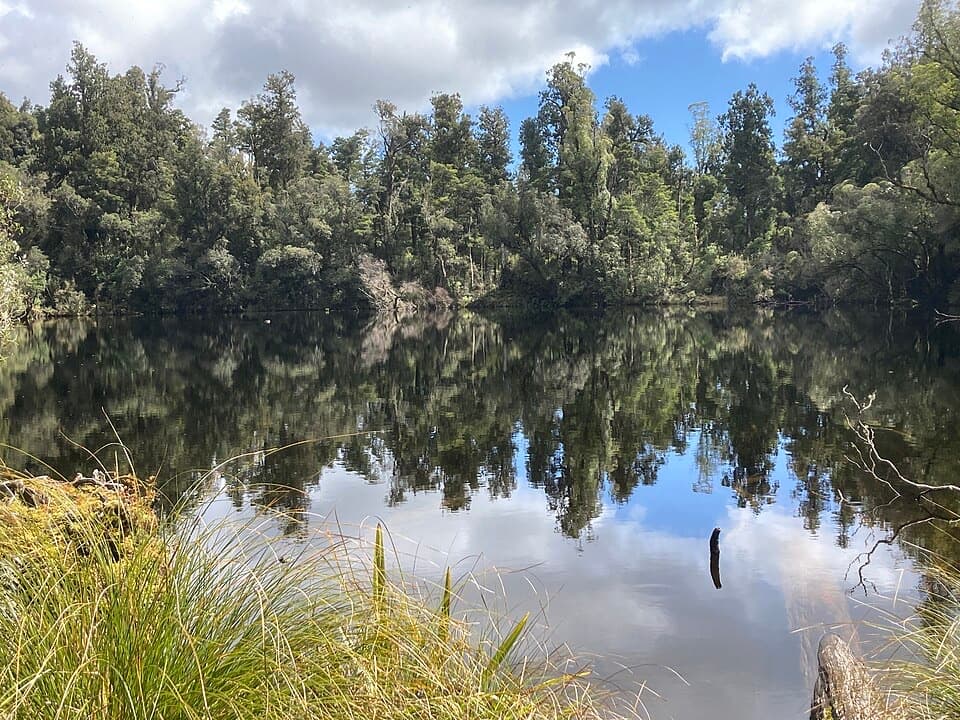 Sight · 3.5 km awayLake WombatQuiet rimu forest leads to a small, still kettle lake.
 Sight · 3.7 km awayCanavans KnobA short rainforest climb to glacier views from a granite knob.
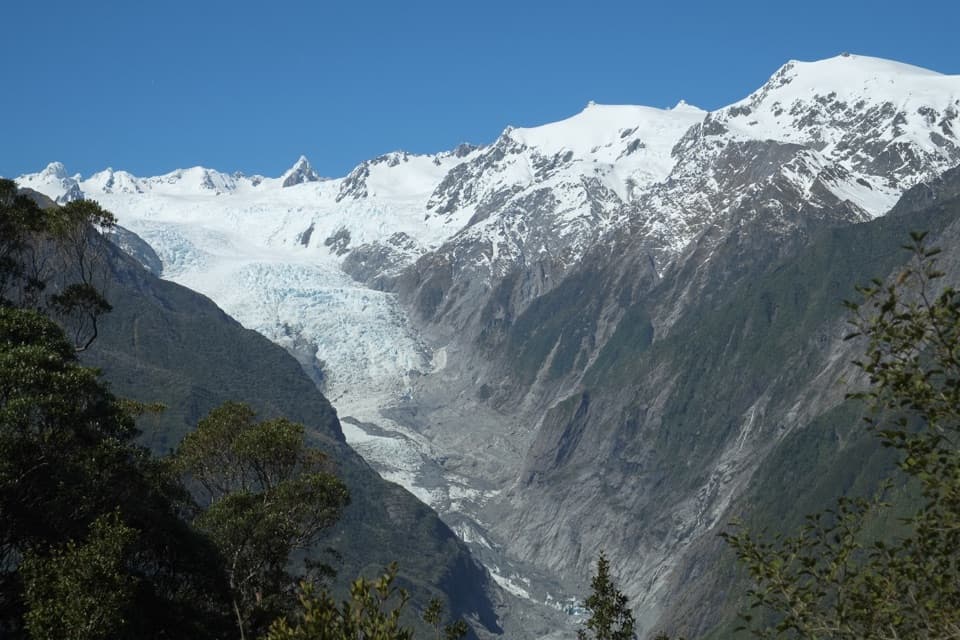 Sight · 4.3 km awayRata LookoutTwo hours uphill earns a first glimpse of Franz Josef Glacier.
Parkwolf’s Westland Tai Poutini ranking

The audio tour guide for the drive, plus offline maps, trails, and wildlife heatmaps for when the signal drops.