Ruined Castle

Iconic sandstone outcrop with 360-degree Jamison Valley views
Ruined Castle, Blue Mountains National Park
InsideBlue Mountains National Park

Overview

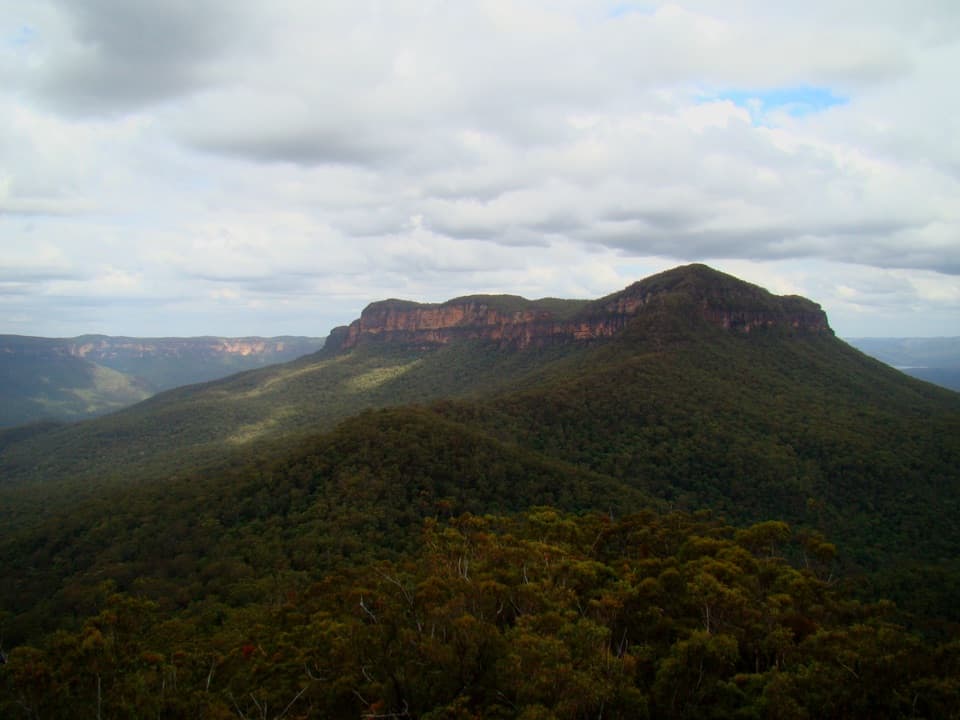
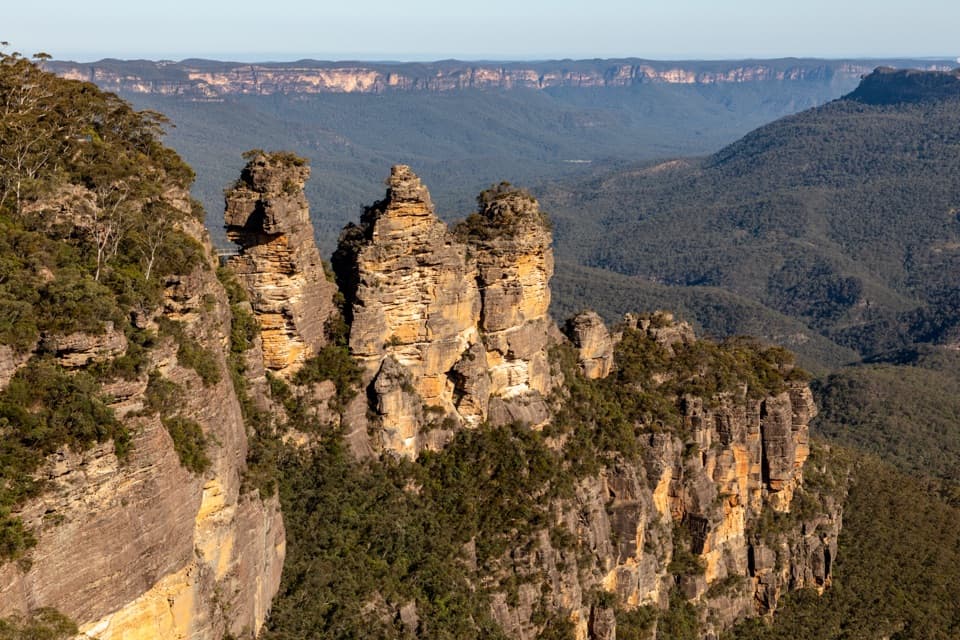
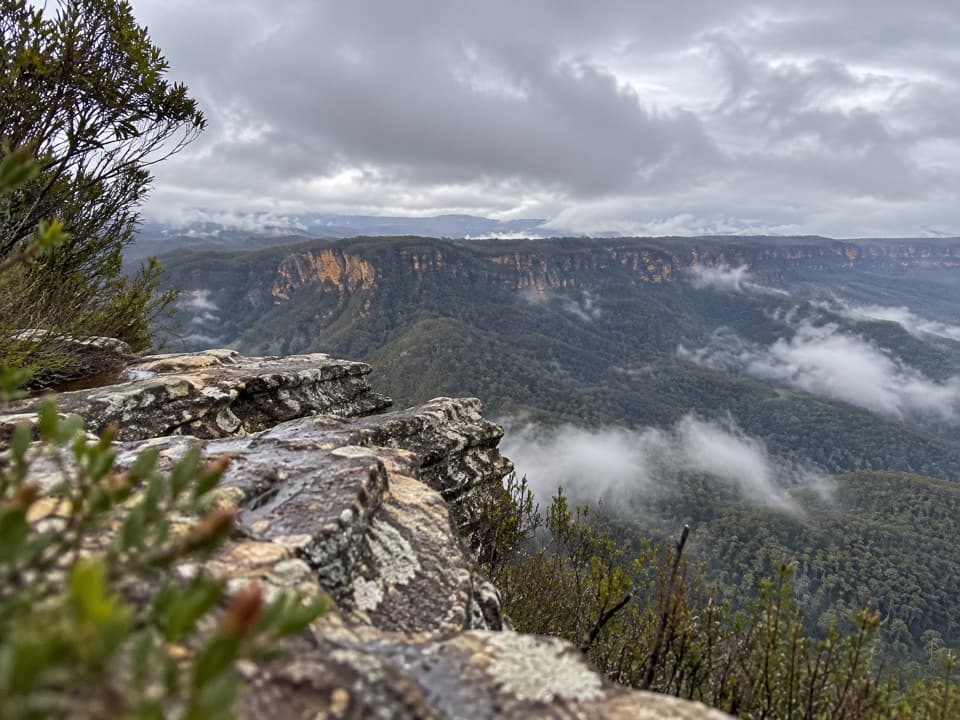
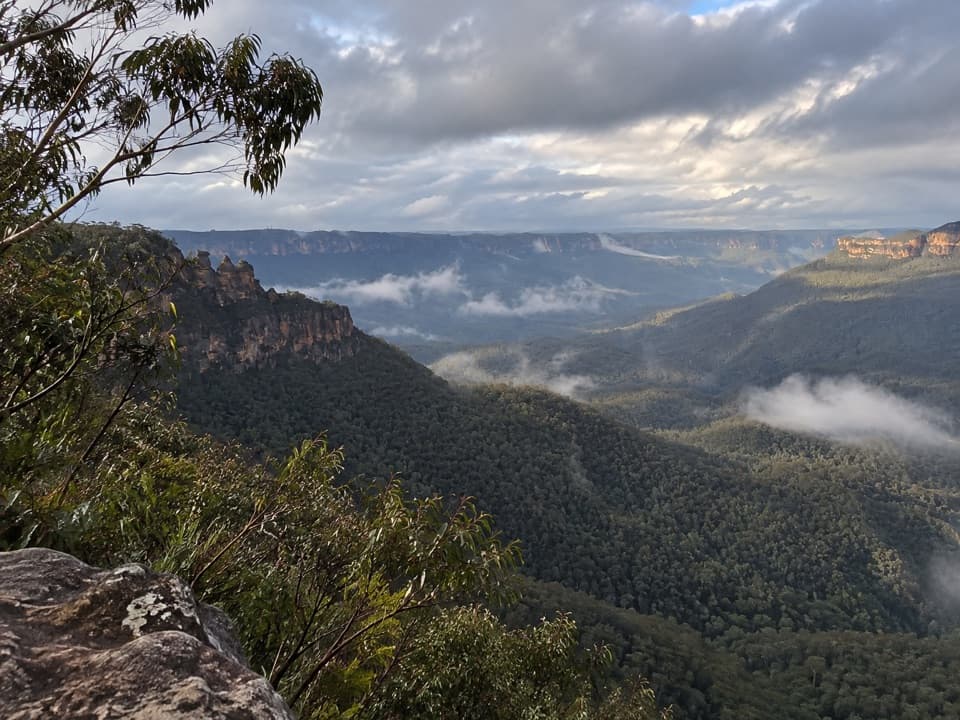
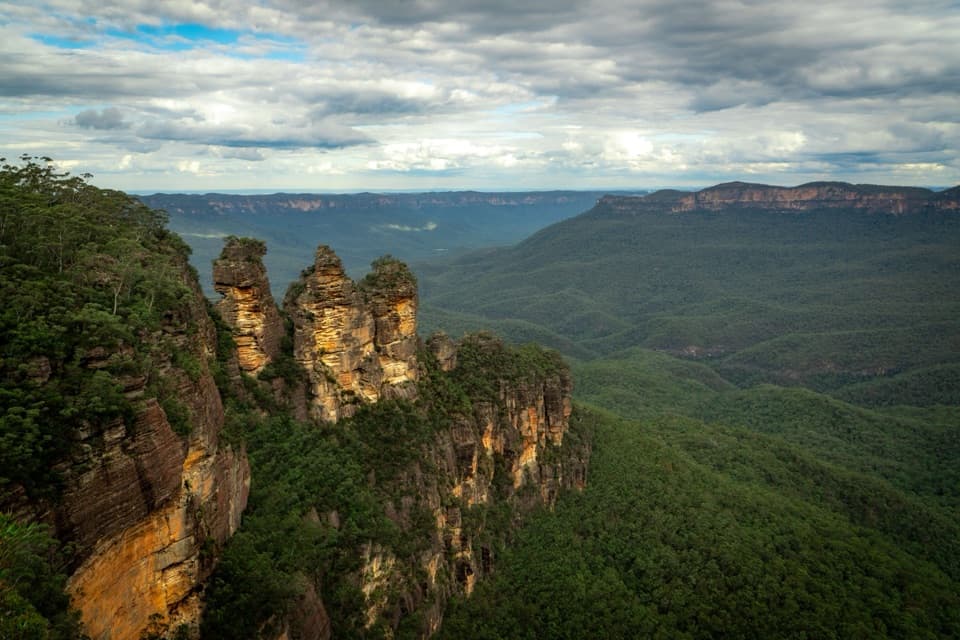
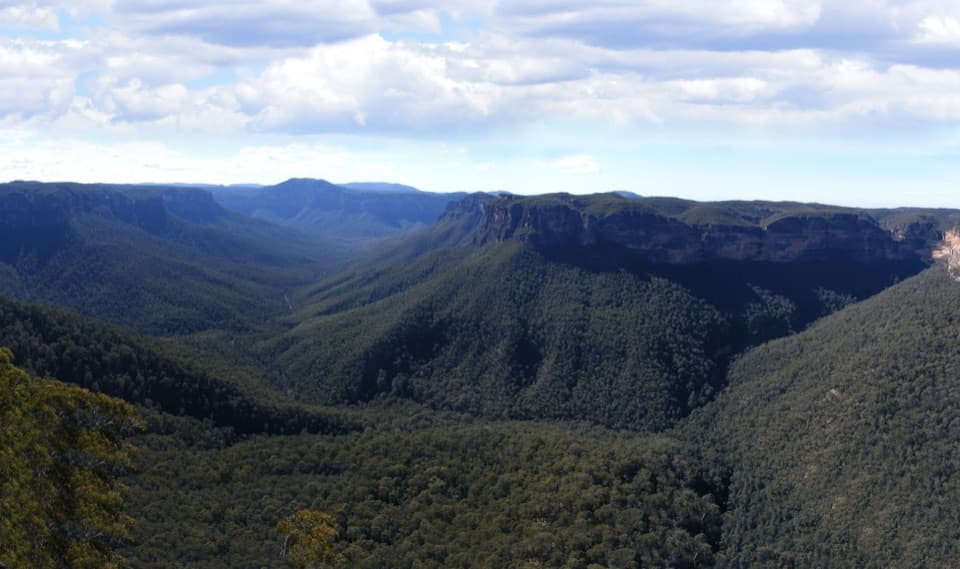
Ruined Castle isn’t a fortress—it's a dramatic cluster of weathered sandstone boulders perched on a ridge between Mount Solitary and Narrow Neck. It pops out of the forest like a crumbled turret, and from the top you’re rewarded with panoramic views across Jamison Valley and the surrounding escarpments. It’s a classic Blue Mountains bushwalk that feels adventurous without being technical.

What You’ll See

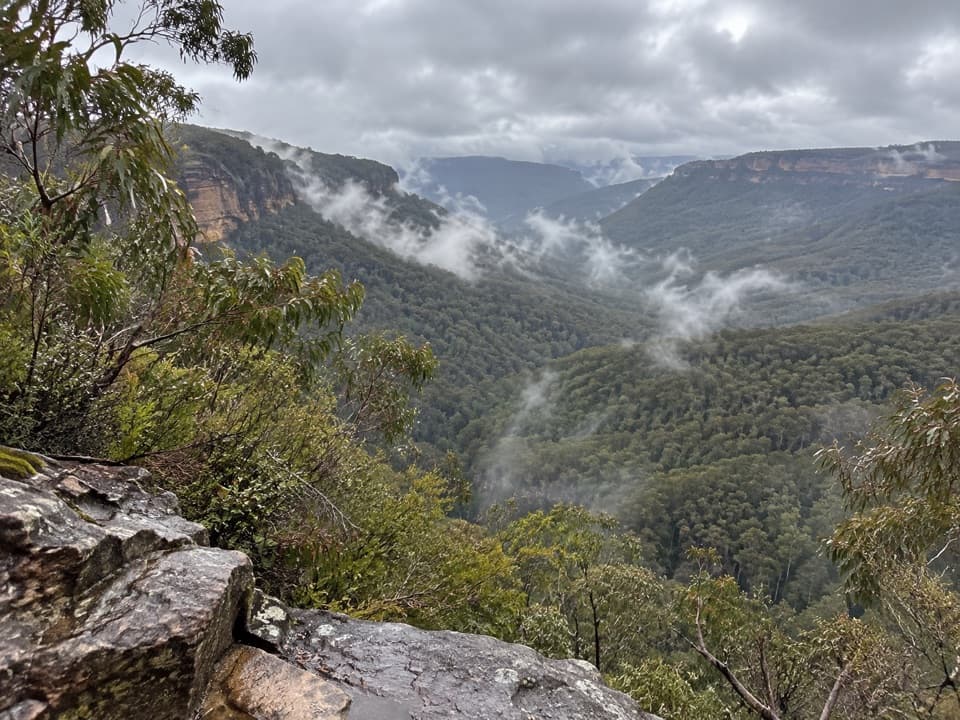
Expect real variety: pockets of rainforest, open eucalypt forest, and ferny gullies as you follow Federal Pass toward the formation. The final approach is a short, steep scramble over big, grippy sandstone blocks—pick your perch and you’ll get full-circle views of Mount Solitary and the valley. In spring, striking red waratahs add a pop of colour along the track.

Route & Difficulty

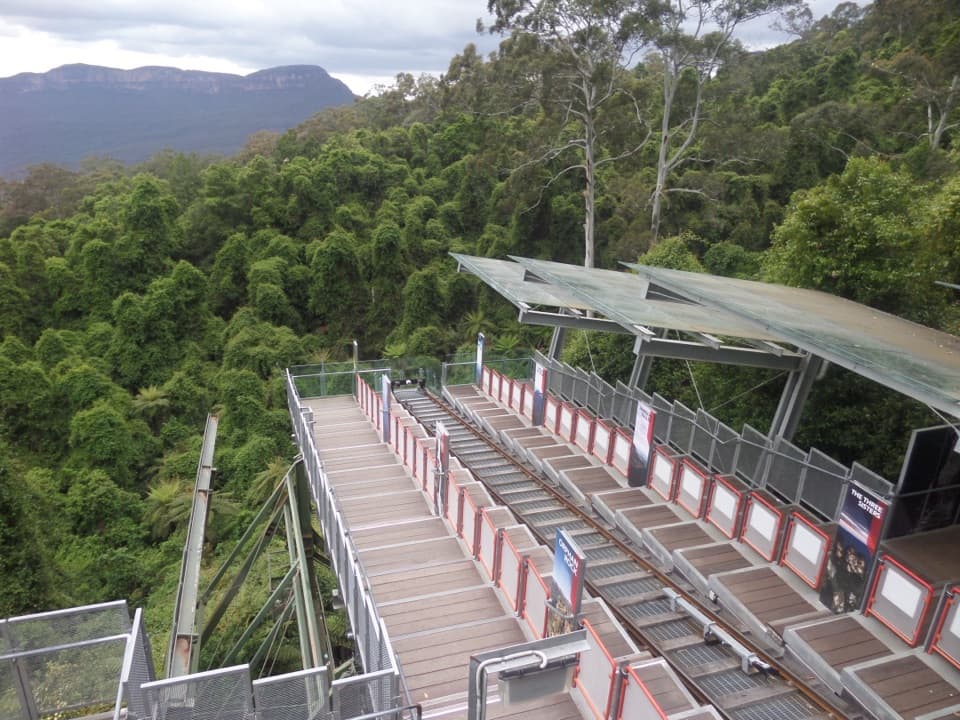
Most walkers start at the Golden Stairs, dropping into Jamison Valley before a mostly flat traverse and the final climb to the rocks. The walk is graded hard thanks to the steep stair sections and overall effort required—remember you must climb back up the Golden Stairs at the end. Track conditions can be rough in places and occasionally impacted by landslides; signage is present but not abundant, so carry a map or GPS. An alternative approach uses Scenic World’s railway to sidestep some of the steep climbing.

History & Geology

You’ll pass the old Miner’s Campsite area, a reminder of the valley’s late‑19th/early‑20th‑century coal mining days. The “castle” itself is a stack of Blue Mountains sandstone sculpted by long-term erosion into castellated shapes that inspired its name.

Wildlife

Early starts are best for birds—keep an ear out for the mimicry of Superb Lyrebirds and watch for colourful Crimson Rosellas flitting through the trees. You’re walking through varied habitat, so birdlife can be excellent even if larger mammals keep to the shadows.

Essentials

  • Water: Plan for a full day out and carry plenty—there are no reliable water sources en route.
  • Facilities: A basic bush toilet and small bush campsite are near the site; otherwise, services are minimal.
  • Footing: The track can be muddy or slippery after rain; the summit has unfenced drops—watch your footing while scrambling.

Best Time to Visit

Start early. Mornings deliver cooler temps, more wildlife activity, and a better chance of solitude. Weekdays are typically quieter than weekends. Avoid wet, windy days, which make the stairs and scrambles less pleasant. Always check current track advisories before heading out.

Safety Smarts

Let someone know your plans and ETA. Weather can turn quickly in the valleys; pack layers, navigation, food, a basic first-aid kit, and enough water to be self-sufficient.

Pros

  • Sweeping 360-degree views from the summit boulders
  • Fun sandstone scramble atop a distinctive rock outcrop
  • Quieter feel than the busiest lookouts if you start early

Cons

  • Steep Golden Stairs make the return leg a slog
  • Very limited facilities and no reliable water on-site

Tips

  • Start at first light to beat heat and have the summit to yourself.
  • Climb onto the highest boulders for the best 360-degree panorama.
  • Carry ample water and food; there are no reliable water sources.
  • Check track advisories for landslides or closures before you go.
  • If you dread the steep stair work, consider using the Scenic Railway approach.
The Parkwolf tour guide sitting on a phone mounted in a car

Parkwolf Tour Guide

Like a tour guide in your car.

Save the places you found around Blue Mountains, then let Parkwolf guide the drive between them.Download Parkwolf on the App Store