Brinegar Cabin

Preserved mountain homestead with demos and trailheads at MP 238.5
Brinegar Cabin, Blue Ridge Parkway
InsideBlue Ridge Parkway

Overview

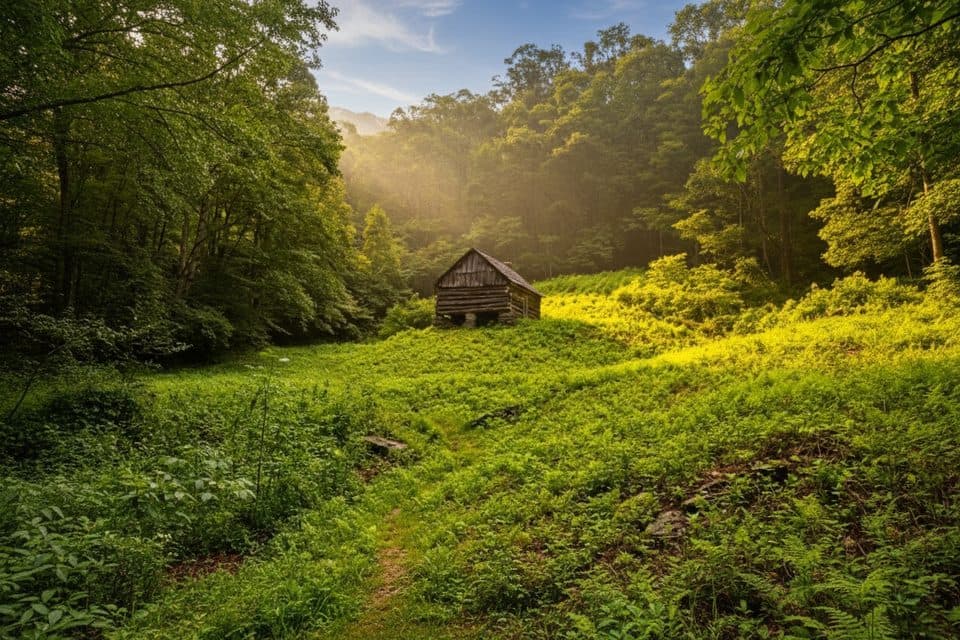
Tucked into Doughton Park around Milepost 238–238.5, Brinegar Cabin is one of the Parkway’s most evocative stops—a preserved Appalachian farmstead where you can step straight into late 19th–early 20th century mountain life.

What You’ll See

  • A one‑and‑a‑half‑story log home (built in the 1880s) with clapboards, twin dry‑stacked stone chimneys, and a cedar‑shake roof.
  • Outbuildings that tell the self‑sufficiency story: a granary/root cellar, a springhouse for food storage, and a Mission 66 outhouse. The landscape still hints at the orchard and a family cemetery.
  • Inside (when staffed), simple furnishings plus displays of mountain crafts and weaving—Caroline Brinegar’s specialty—bring daily life into focus.
  • Outside, an interpretive garden shows what subsistence farming looked like here.

Why It’s Special

Few original homesteads survive along the Parkway. This one is the real deal and it’s listed on the National Register of Historic Places (1972). On many days you’ll also catch live demonstrations and ranger talks that make the place feel lived‑in rather than museum‑stuffy.

Trails and How to Extend Your Stop

Two classic Doughton Park routes—Cedar Ridge Trail and Bluff Mountain Trail—begin right by the cabin, and the Mountains‑to‑Sea Trail also passes here. If the cabin interior is closed, pair a quick walk of the grounds with a longer hike.

Wildlife

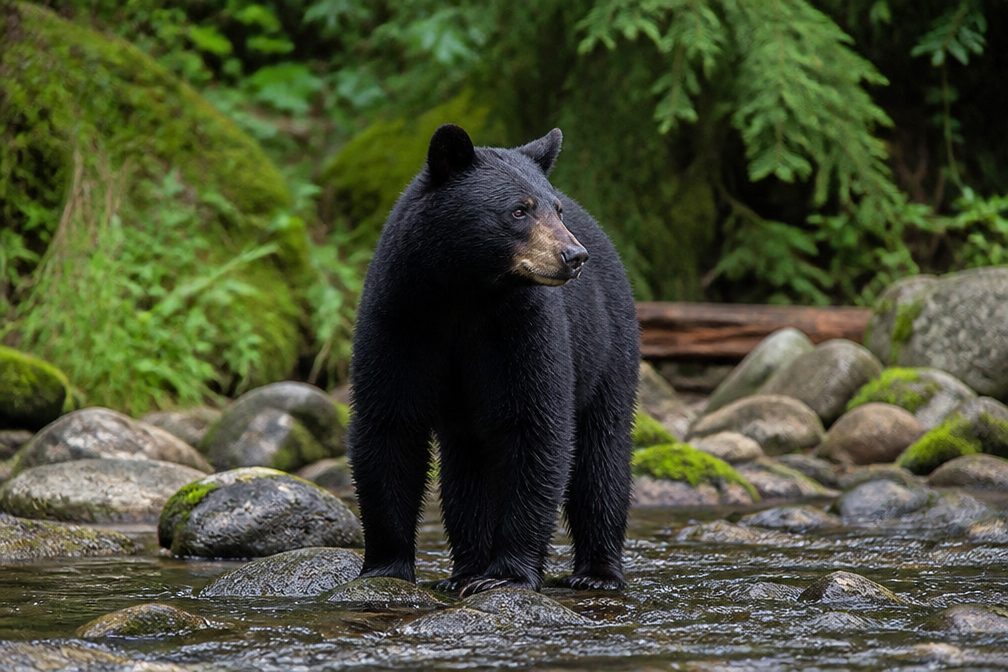
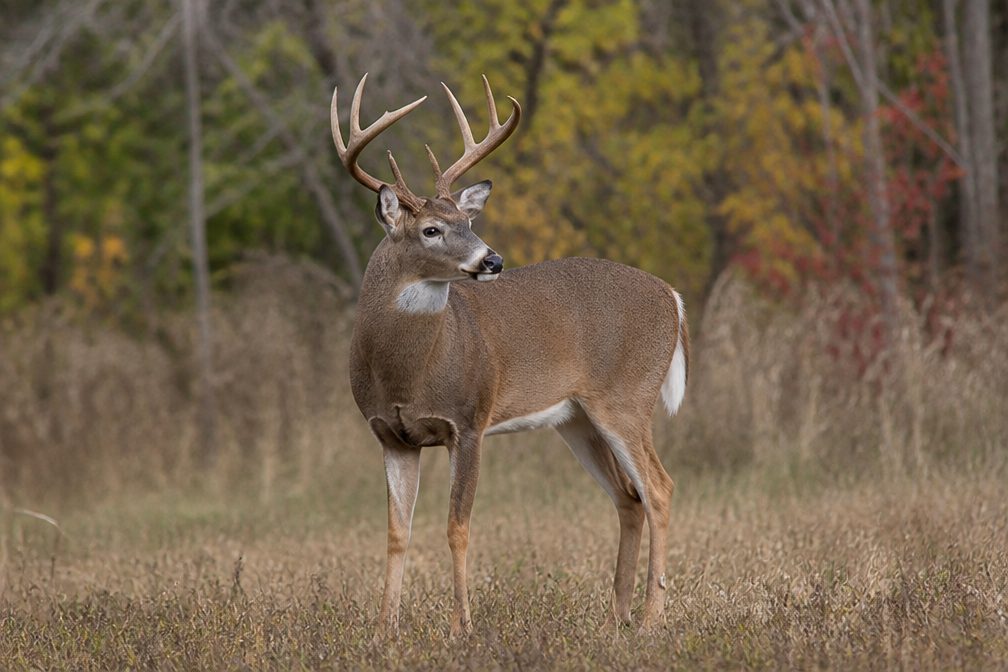
Expect typical Doughton Park neighbors in the fields and forest edges: white‑tailed deer, wild turkeys, and plenty of songbirds; black bears are occasional.

Practicalities

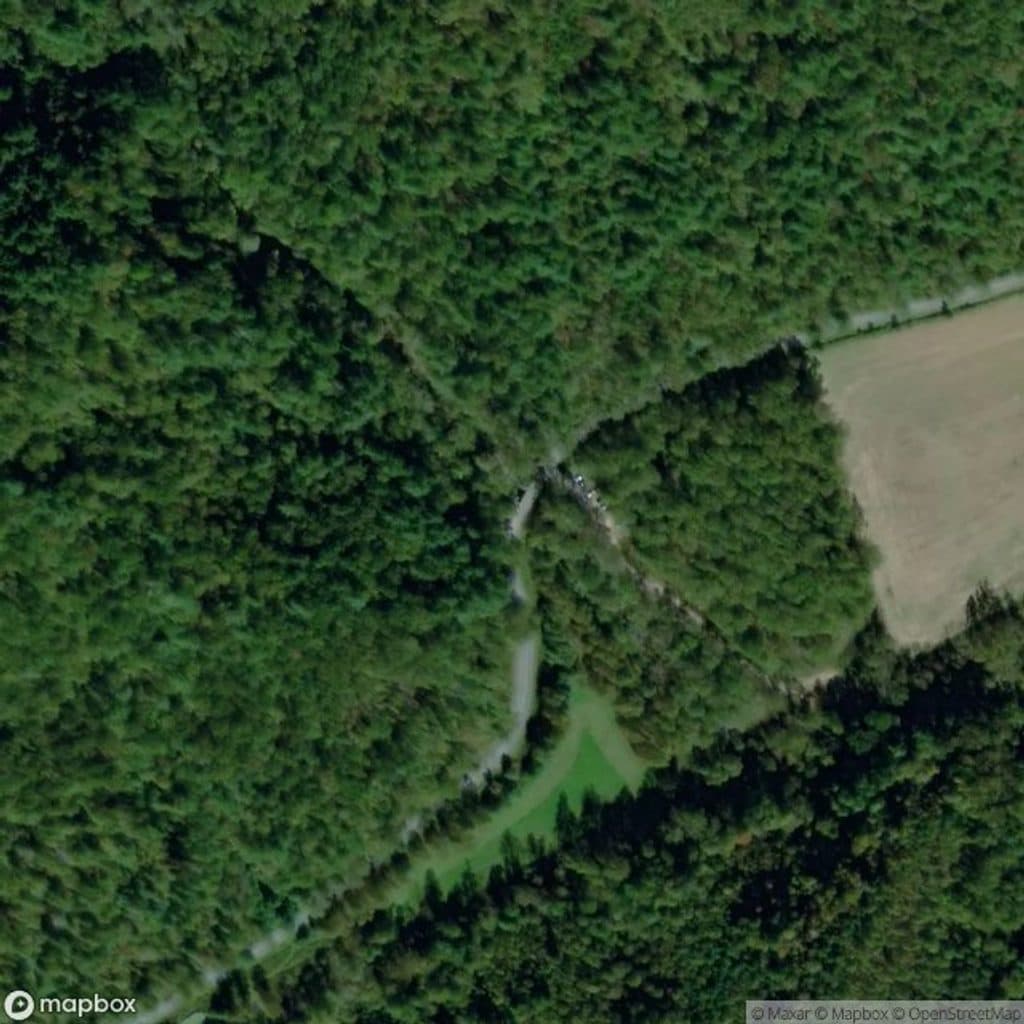
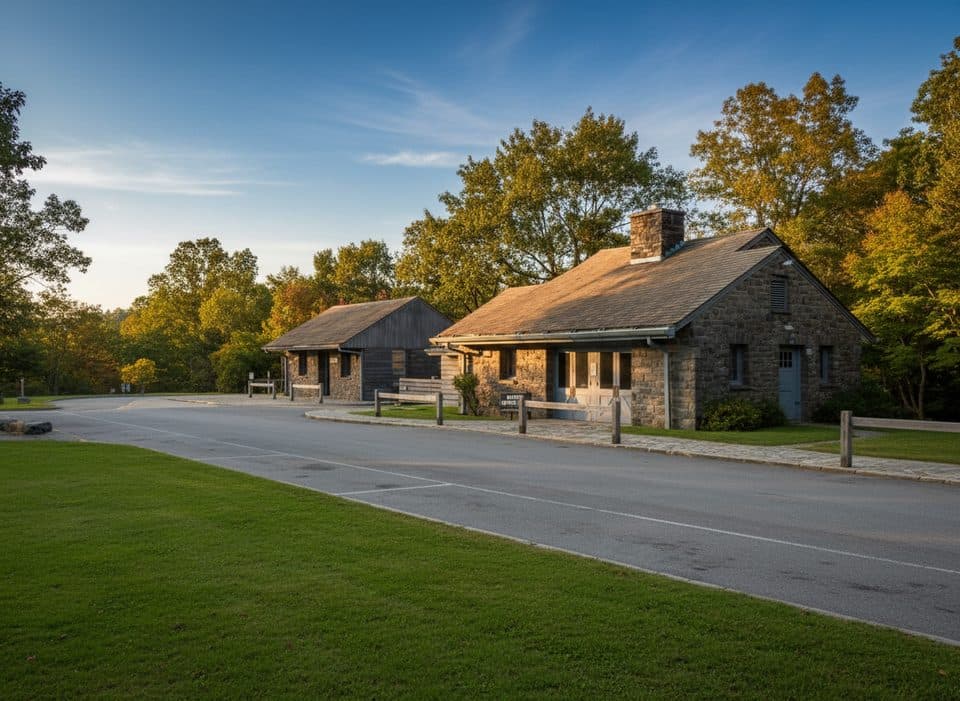
This is a simple, historic stop: a small parking area, about three picnic tables, and interpretive signs. There are no concessions, and services are limited, so bring water and snacks.

Snapshot History

Martin and Caroline Brinegar settled here in the late 1800s, raising crops and livestock on roughly 125 acres. Martin made shoes; Caroline wove cloth—skills that helped the family get by until the land was acquired for the Parkway in the 1930s.

Best Time to Visit

  • For interior access and programs: weekends when staff are on site, typically late morning to mid‑afternoon.
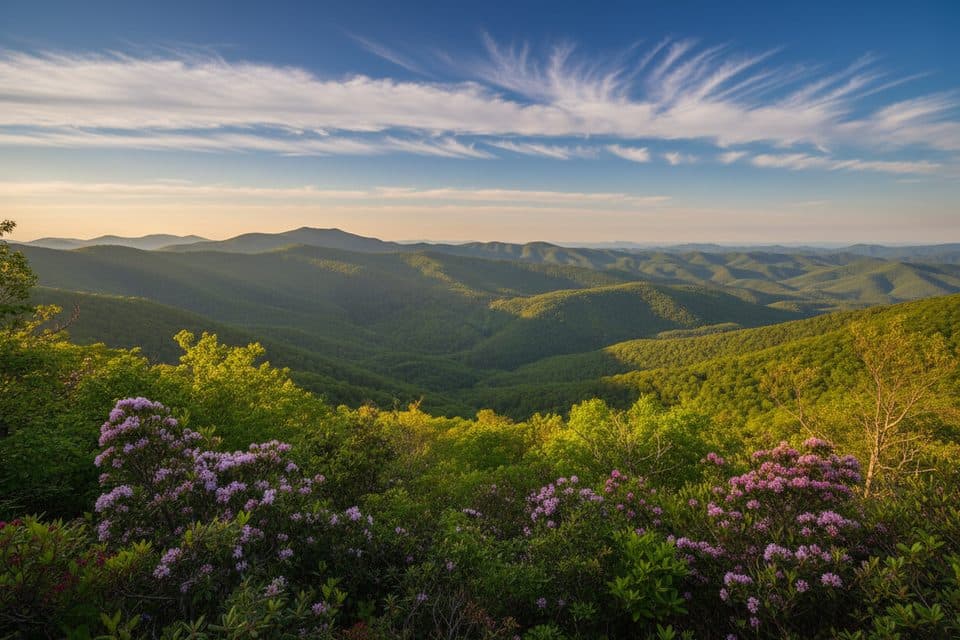
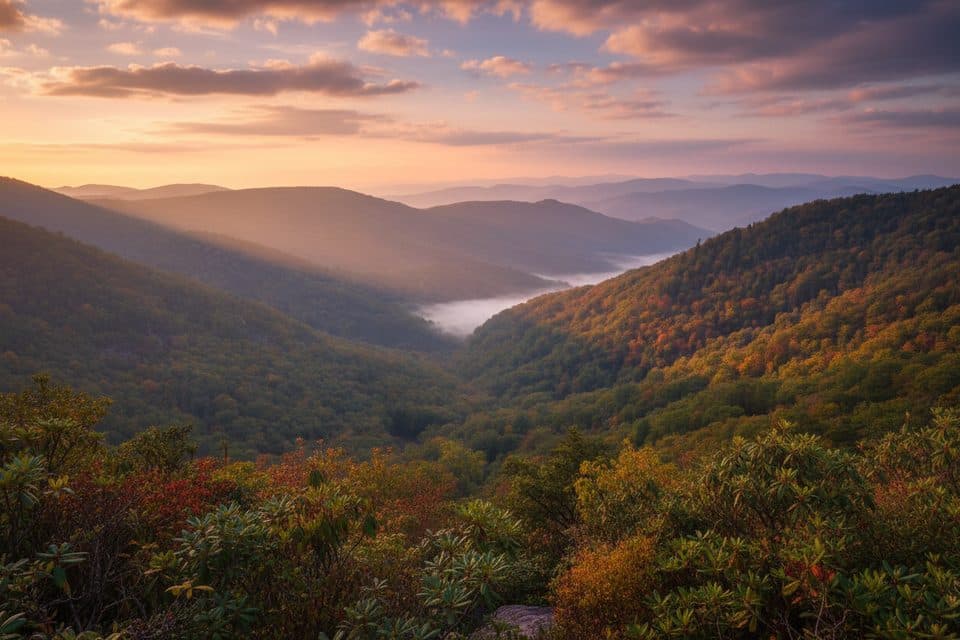
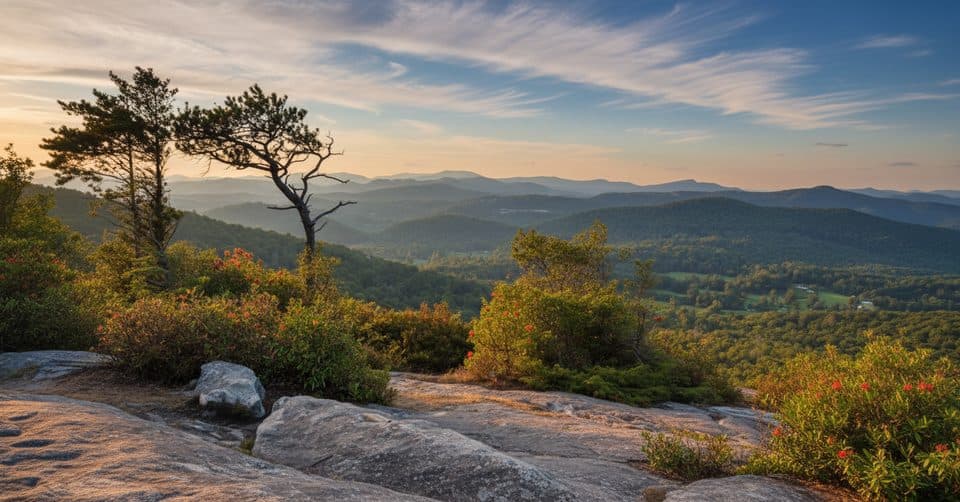
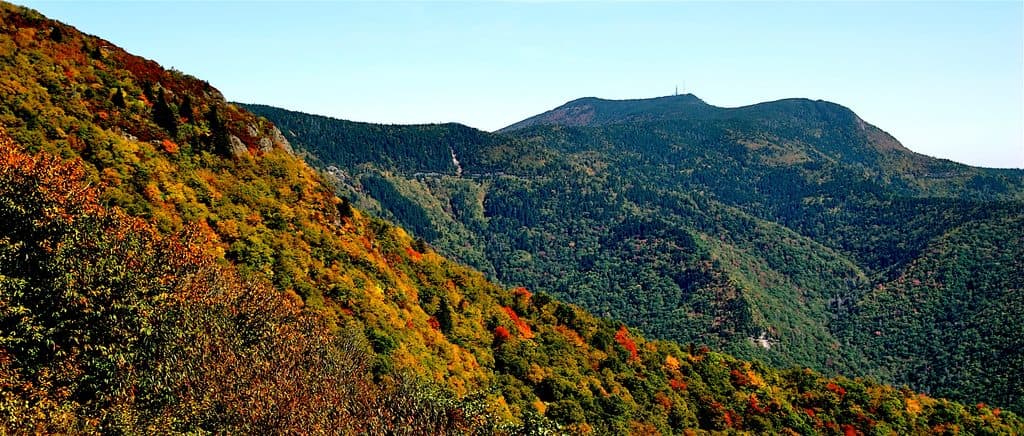
  • For photos and breathing room: early morning or late afternoon light, especially in spring bloom and peak fall color.
  • Year‑round, the grounds are open; expect a quick visit if the cabin isn’t staffed.

Pros

  • Authentic 1880s mountain homestead with weaving and craft exhibits
  • Trailheads for Cedar Ridge, Bluff Mountain, and the Mountains‑to‑Sea Trail start here
  • Peaceful grounds with picnic tables and an interpretive garden

Cons

  • Interior access depends on staffing and is often limited to weekends
  • Small parking lot and minimal services; not RV-friendly

Tips

  • Check the park’s schedule—interpretive programs and cabin access are often on weekends.
  • Bring water and snacks; there are no food services on site.
  • If the lot is full or you’re in an RV, plan to visit at off‑peak times.
  • Pair the cabin with a hike on Cedar Ridge or Bluff Mountain to make it a half‑day.
  • Spring and fall offer the best light and most photogenic grounds.
The Parkwolf tour guide sitting on a phone mounted in a car

Parkwolf Tour Guide

Like a tour guide in your car.

Save the places you found around Blue Ridge Parkway, then let Parkwolf guide the drive between them.Download Parkwolf on the App Store