Rattlesnake Lodge

Historic lodge ruins off the Parkway with quiet, shady hiking
Rattlesnake Lodge, Blue Ridge Parkway
InsideBlue Ridge Parkway

Overview

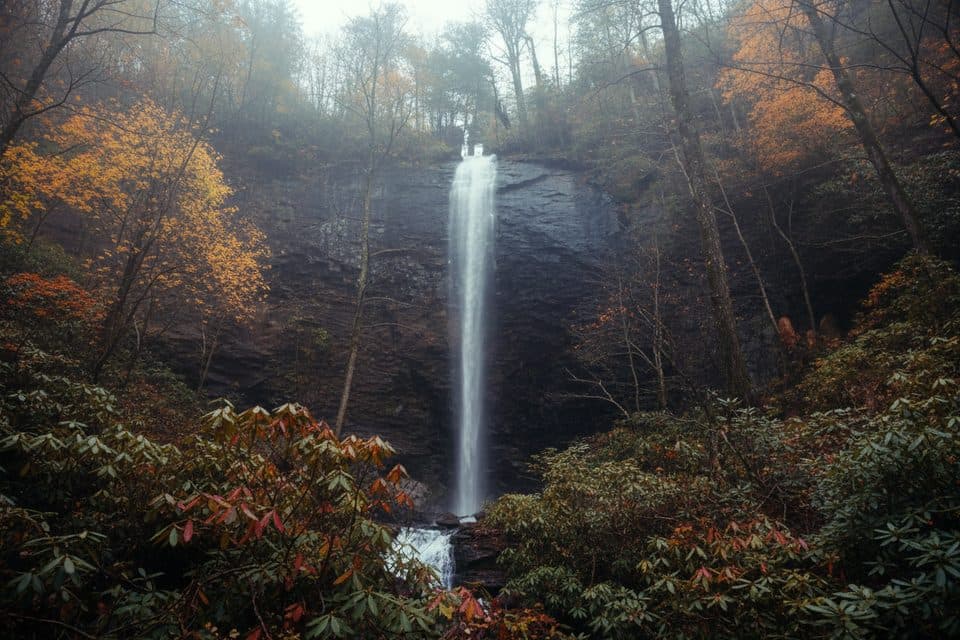
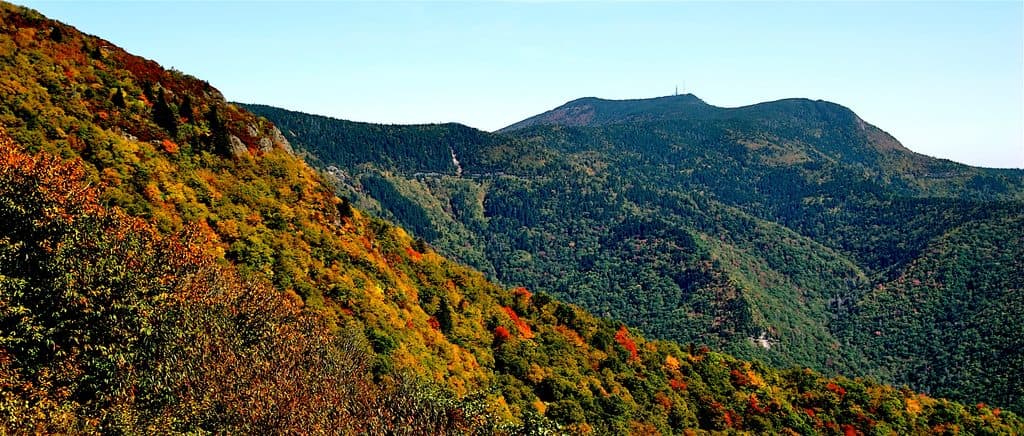
Tucked just north of Asheville, Rattlesnake Lodge is a quiet, ruin-studded hillside where a 1900s summer retreat once stood. It’s a slim detour off the Blue Ridge Parkway, delivering history in a shady, mid-elevation forest rather than big-view drama. If you like peaceful trails and a tangible sense of the past, this is your stop.

Getting There & Hike Options

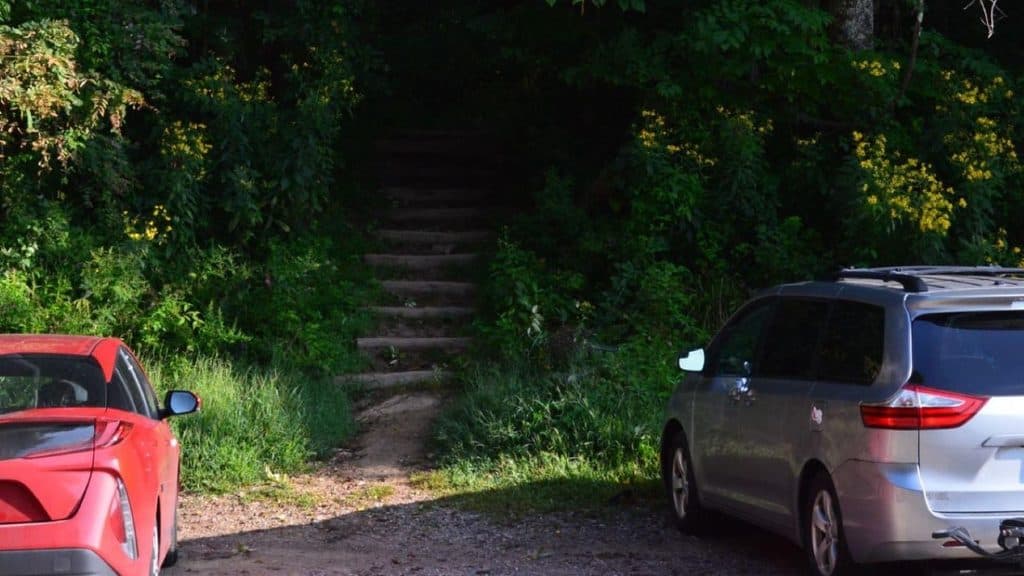
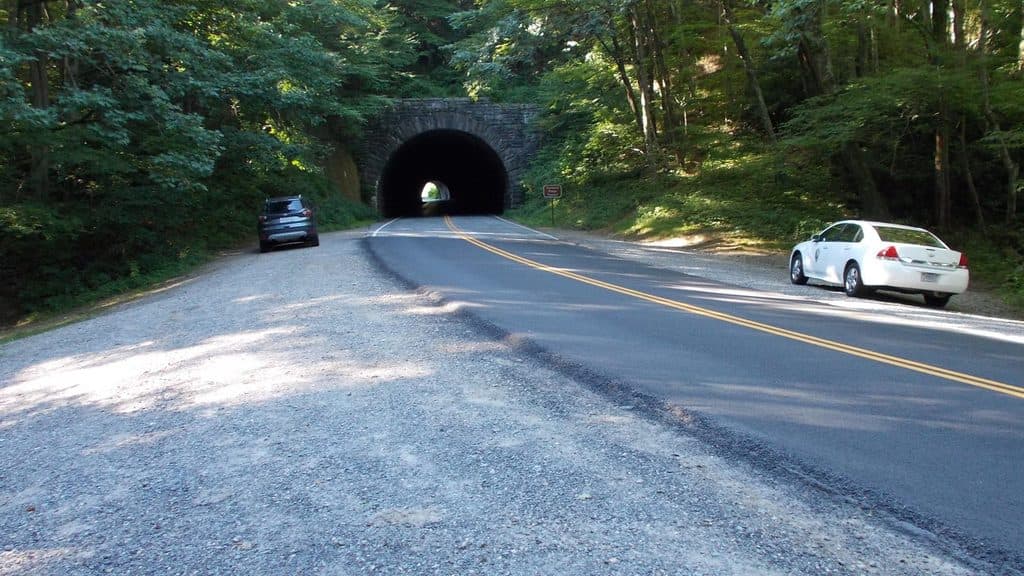
  • Parkway access: Milepost 374.4–375 near Tanbark Ridge Tunnel. A blue‑blazed connector climbs about 0.5 mile to the site and ties into the Mountains-to-Sea Trail.
  • Ox Creek Road access: A more gradual approach of roughly 1.4 miles one-way.
  • Difficulty: Moderate, with steady elevation gain and some rooty, slippery sections after rain.
  • Popular loop: About 1.0–1.2 miles from the Parkway using short connectors with the MST.

Parking is limited to small dirt pull-offs near the tunnel and small roadside spots on Ox Creek Road.

What You’ll See

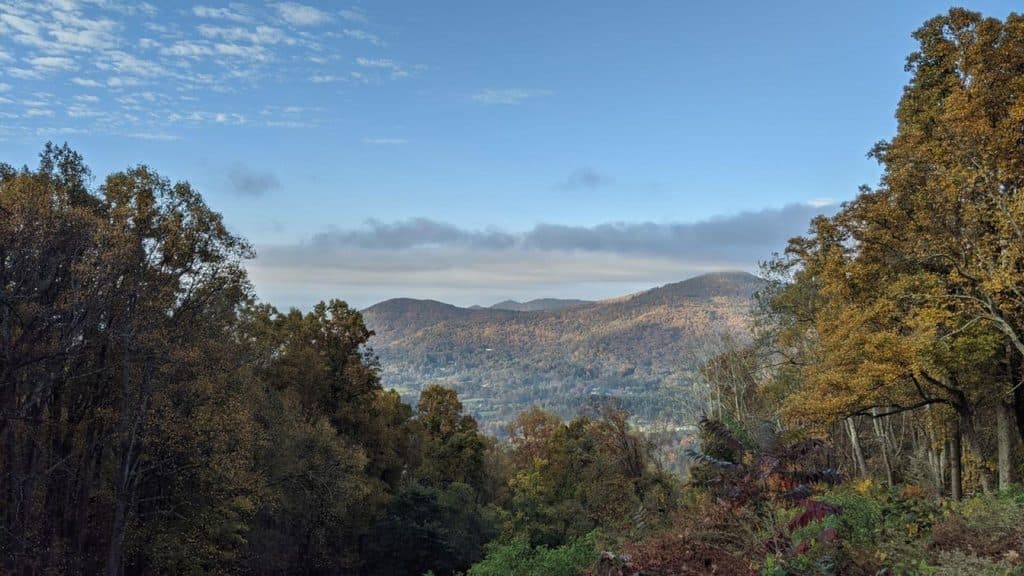
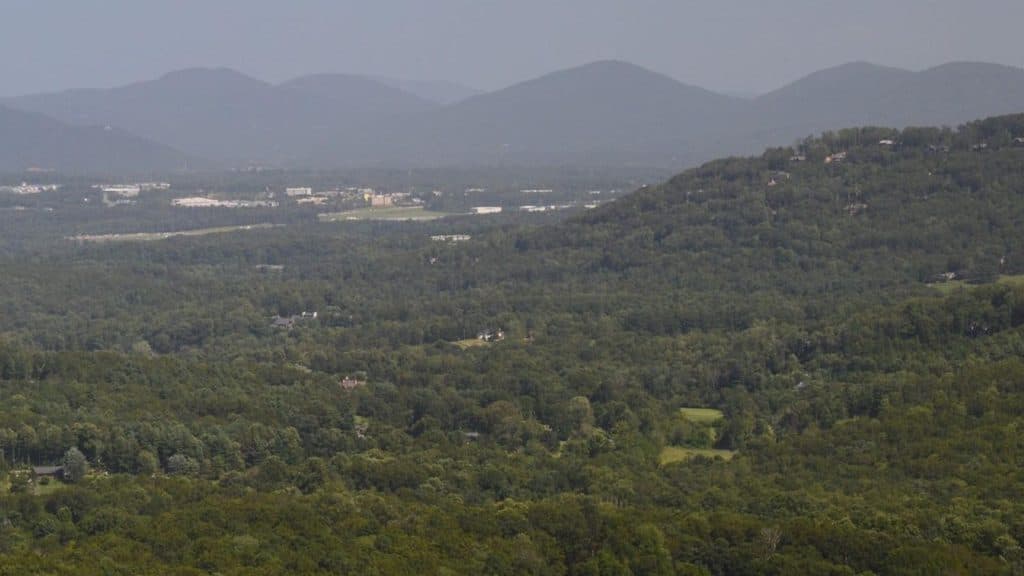
Expect stone foundations and outlines of the old compound: remnants of the main lodge, a spring house, potato house, caretaker’s cabin, and traces of features like a tennis court and carriage areas. Interpretive panels help you decode what’s what. The former porch faced the Swannanoa River basin; leaf-off months open the best glimpses.

Nature & Wildlife

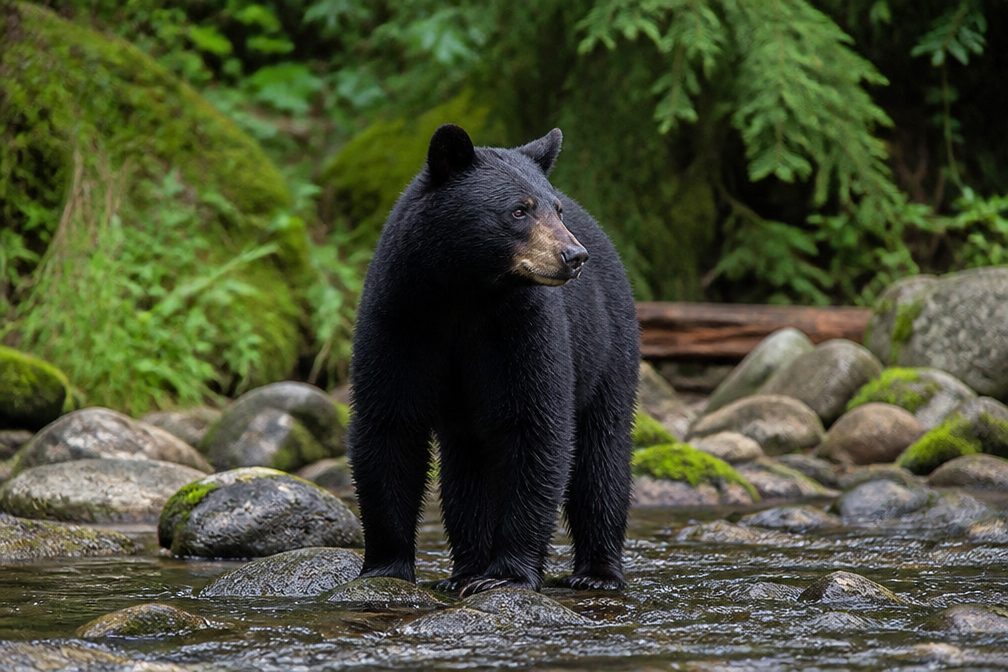
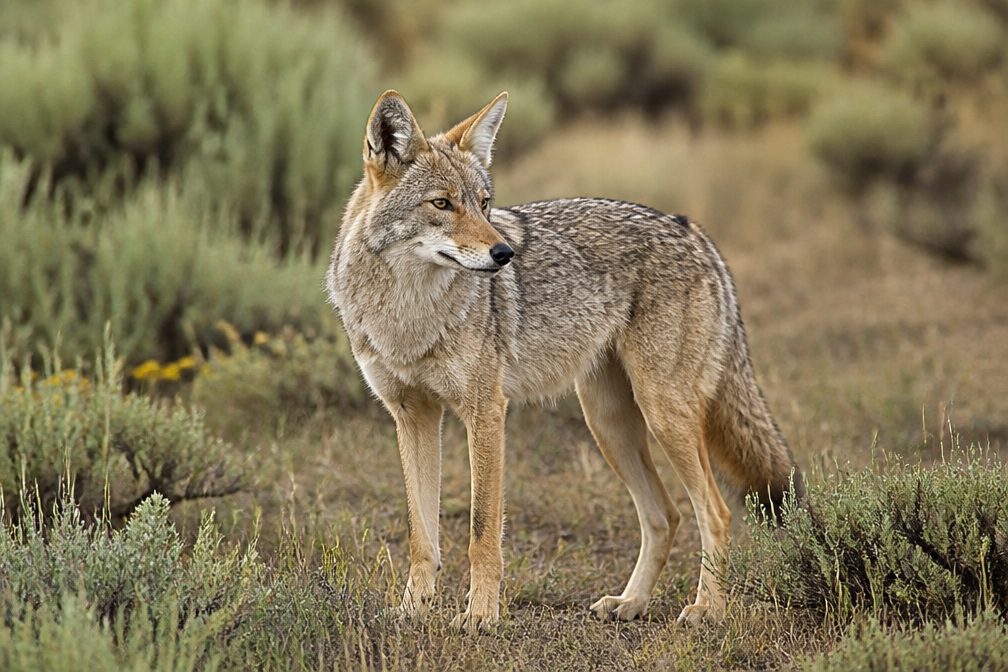
This is classic hardwood forest—lush and shaded in summer, with wildflowers in spring and summer and better sightlines in winter. You’ll hear woodland birds and might spot small mammals. Snakes exist here (the lodge’s name comes from early encounters), but they’re rarely seen on-trail. Leave all wildlife undisturbed and stay on the path—poison ivy is common.

History Snapshot

Built in 1904 by Dr. Chase Ambler as a family retreat, the lodge earned its name after 41 rattlesnakes were reportedly killed in its early years—skins once decorated the ceiling. After Ambler’s wife died in 1918, he never returned; the lodge later burned in 1926. Today, only foundations and stonework remain, preserved along the Mountains-to-Sea Trail corridor.

Know Before You Go

  • No amenities: no restrooms, no potable water.
  • Footing can be muddy and slick; sturdy shoes are smart.
  • Trails intersect the MST; bring a simple map or GPS to avoid wrong turns.
  • Dogs are welcome on-leash.

Best Time to Visit

  • Weekday mornings for easier parking and quieter trails.
  • Spring for wildflowers; summer for cool, shaded walking.
  • Winter for the clearest long-range views.
  • After heavy rain, expect slick roots and slower going; in winter, Parkway closures can block the tunnel access—check conditions ahead.

Pros

  • Evocative lodge ruins with on-site interpretive signage
  • Short, moderate hikes from either the Parkway or Ox Creek Road

Cons

  • Very limited parking at small dirt pull-offs
  • No restrooms or potable water

Tips

  • Arrive early or on weekdays—the pull-offs fill fast.
  • Carry water and snacks; there’s no potable water on-site.
  • Bring a simple map or GPS—MST junctions can be confusing.
  • Check Parkway closures in winter before aiming for the tunnel access.
  • Wear shoes with traction; roots and mud can be slick after rain.
The Parkwolf tour guide sitting on a phone mounted in a car

Parkwolf Tour Guide

Like a tour guide in your car.

Save the places you found around Blue Ridge Parkway, then let Parkwolf guide the drive between them.Download Parkwolf on the App Store