Overview
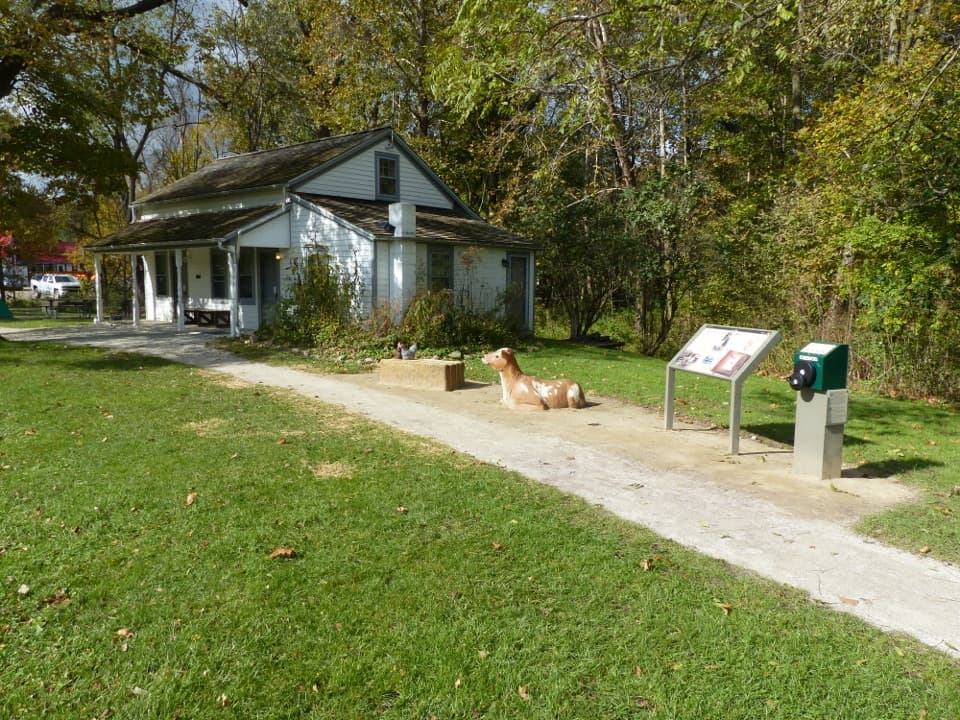
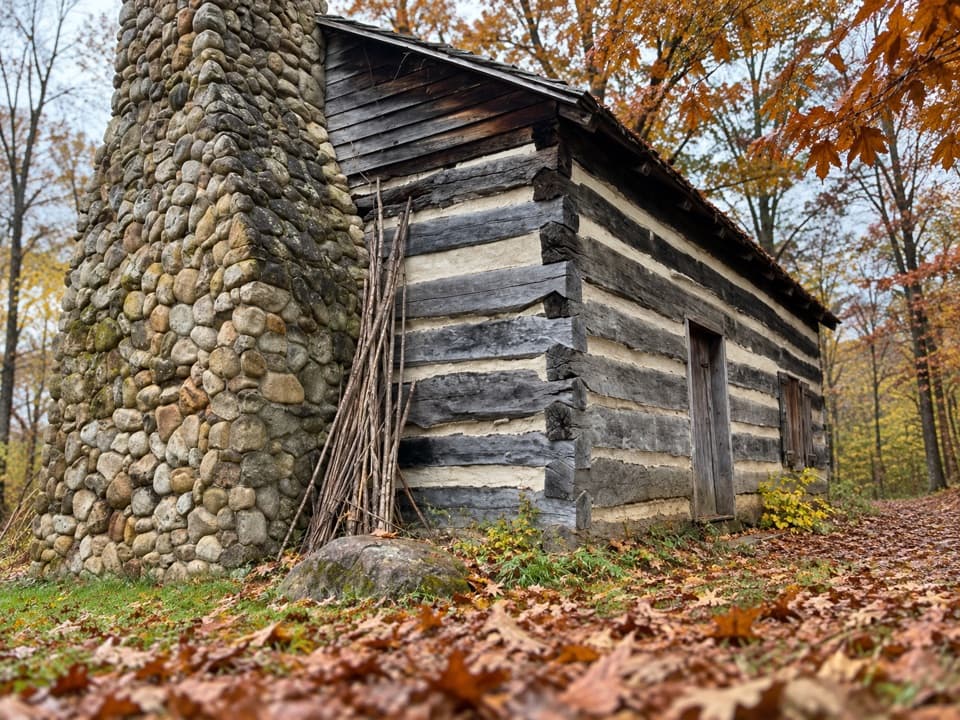
Set inside the valley, Hale Farm & Village brings the 1800s to life with 32 historic buildings, costumed interpreters, and a working farm. It’s an immersive, kid-friendly spot where history isn’t just read about—it’s demonstrated, explained, and lived.
What You’ll See and Do
- Watch artisans at work—glassblowing, pottery, blacksmithing, weaving, and more.
- Wander through the historic Hale House, barns, shops, and a recreated village streetscape.
- Meet oxen, sheep, and chickens, and stroll past heritage gardens.
- Browse the MarketPlace for artisan-made goods produced on site.
- Expect rotating programs and special events that can change what’s open or happening on a given day.
A Bit of History
In 1810, Jonathan Hale purchased land in the Western Reserve and began the farm that later became this museum. After restoration by descendants, the property was donated and opened to the public in the mid‑20th century to interpret regional 19th‑century life, including the Civil War era.
Nature and Wildlife
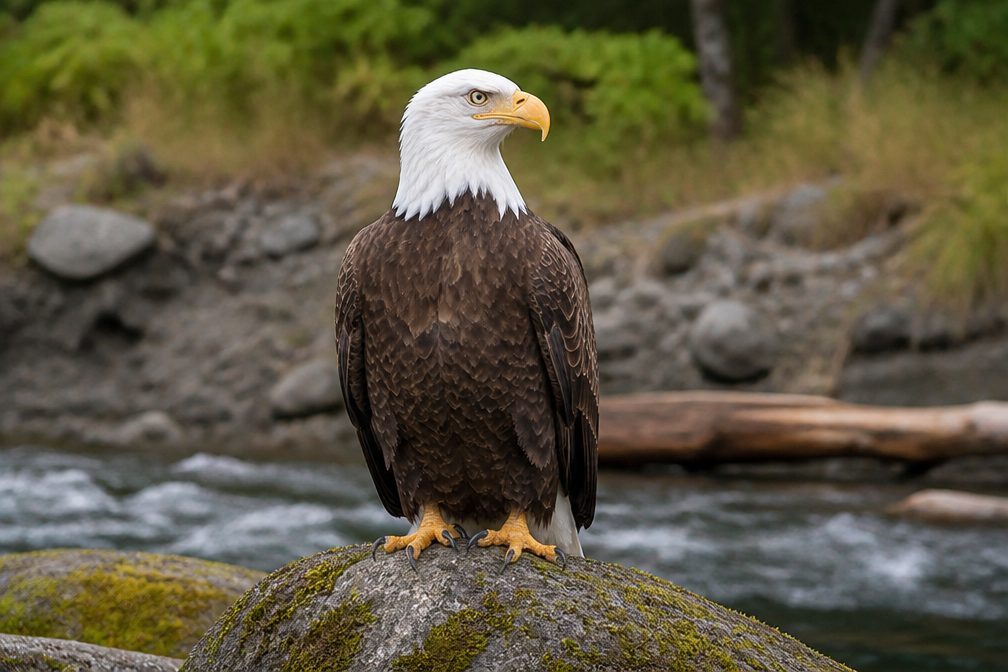
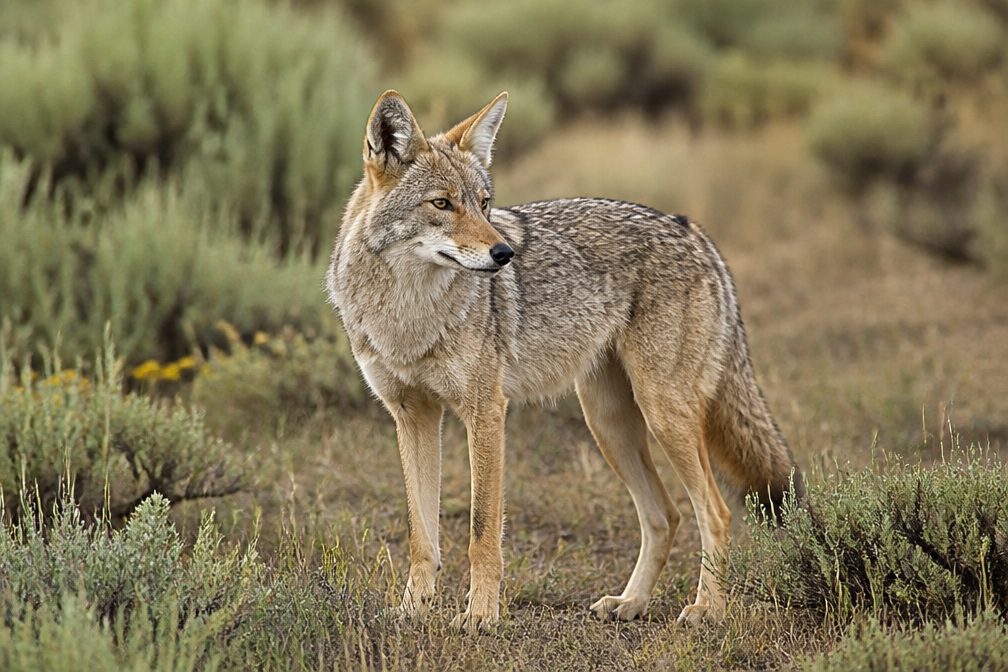
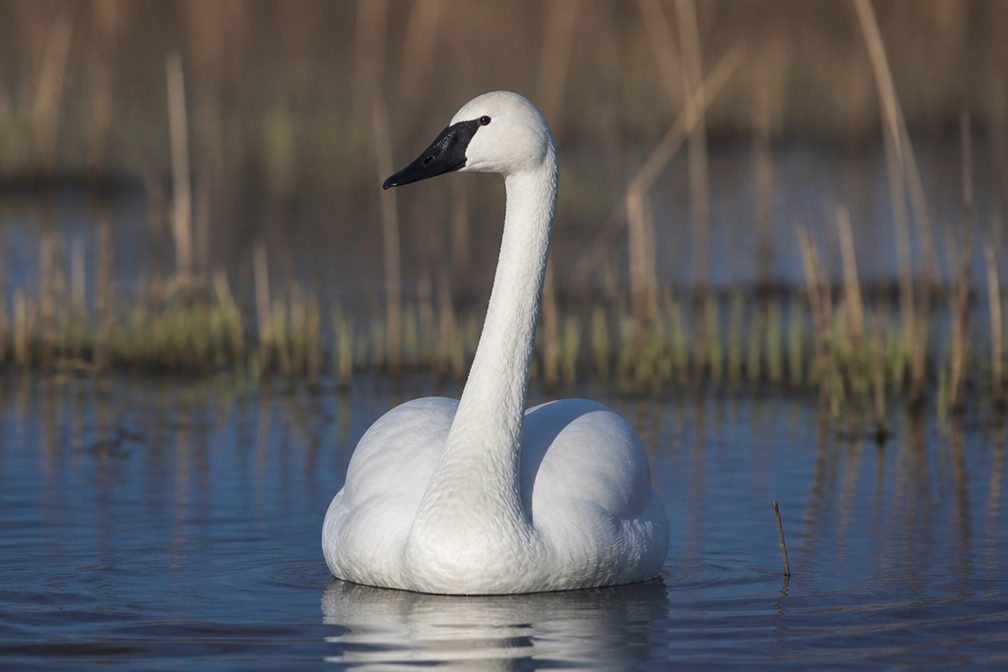
You’ll encounter farm animals by design. Wild sightings aren’t the focus here, though typical valley birds and small mammals may be around the edges of fields and woods.
Planning Essentials
- Hours commonly run 10 am–4 pm most days it’s open; it’s typically closed some weekdays. Hours and open buildings can vary seasonally.
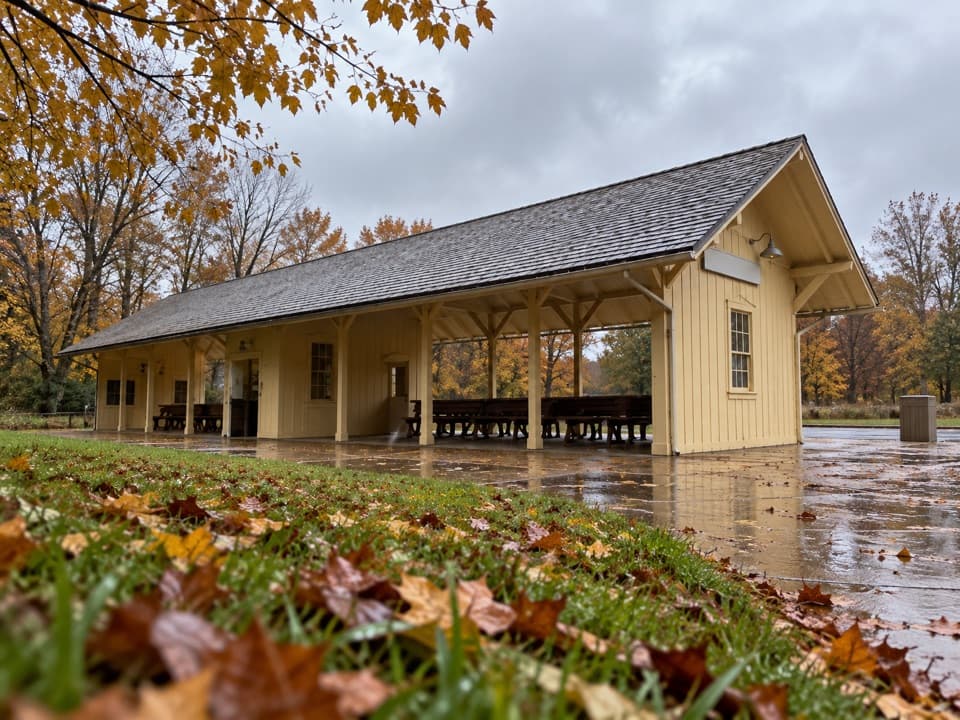
- Facilities include restrooms, on‑site parking, Wi‑Fi, picnic tables, and a store. There is no full‑service restaurant.
- It operates as a museum with separate admission and its own programming.
Best Time to Visit
- Aim for morning or early afternoon to catch demonstrations as they start up.
- Weekdays can be calmer than weekends; expect more families and school groups on popular program days.
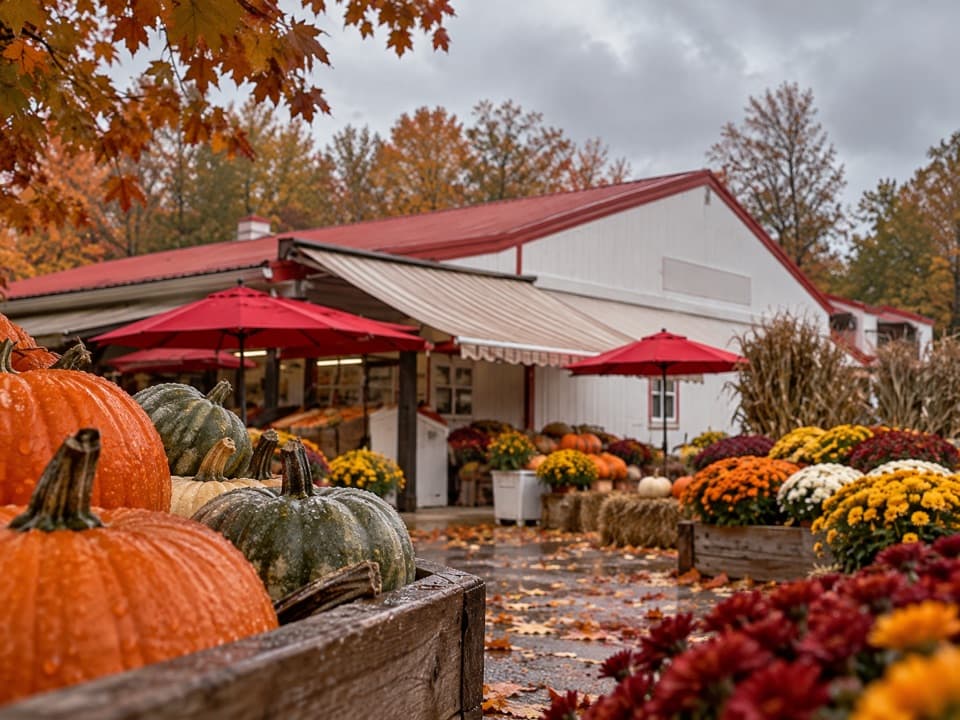
- Spring and fall bring comfortable temps for walking between buildings; summer heat and winter weather can slow you down.
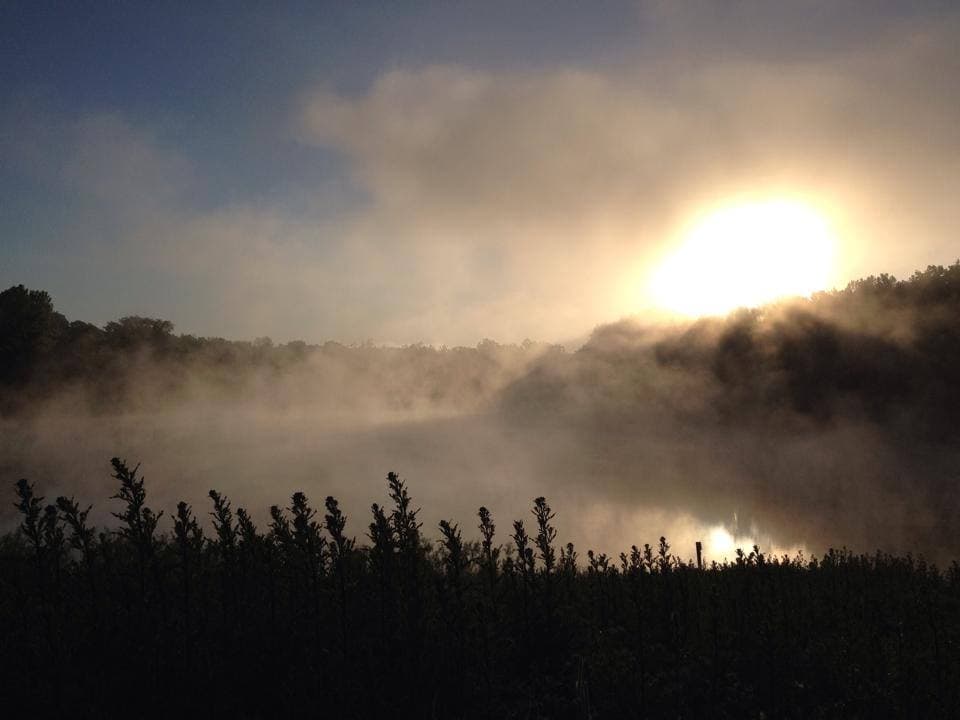
- For photos, soft morning light works best on the village streets and farmstead; late-day light can be lovely on building exteriors.
Tips for a Great Visit
- Plan a half day if you want to see multiple demos without rushing.
- Check the day’s schedule—some buildings or demonstrations run at set times and not everything is open all day.
- Pack water and snacks for the picnic area; food service is limited on site.
- National park passes aren’t accepted here; it’s a separate museum with its own admission.
- Special events and festivals draw crowds—arrive early if one’s on the calendar.