Myall Beach

Wild arc where rainforest boardwalk spills onto open coral-sea sand
Myall Beach, Daintree National Park
InsideDaintree National Park

Overview

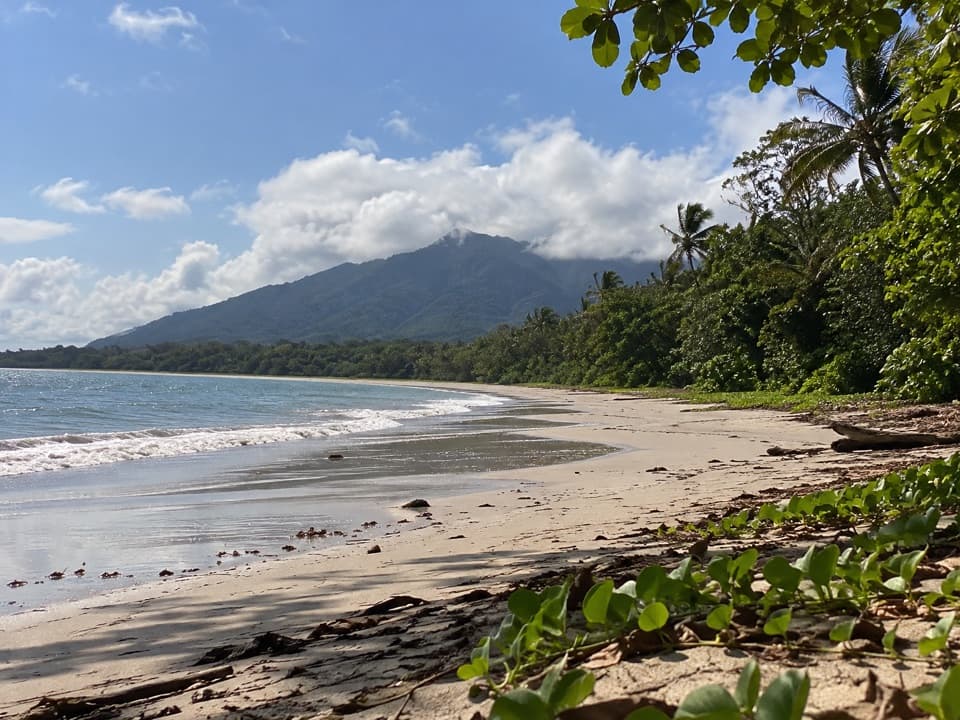
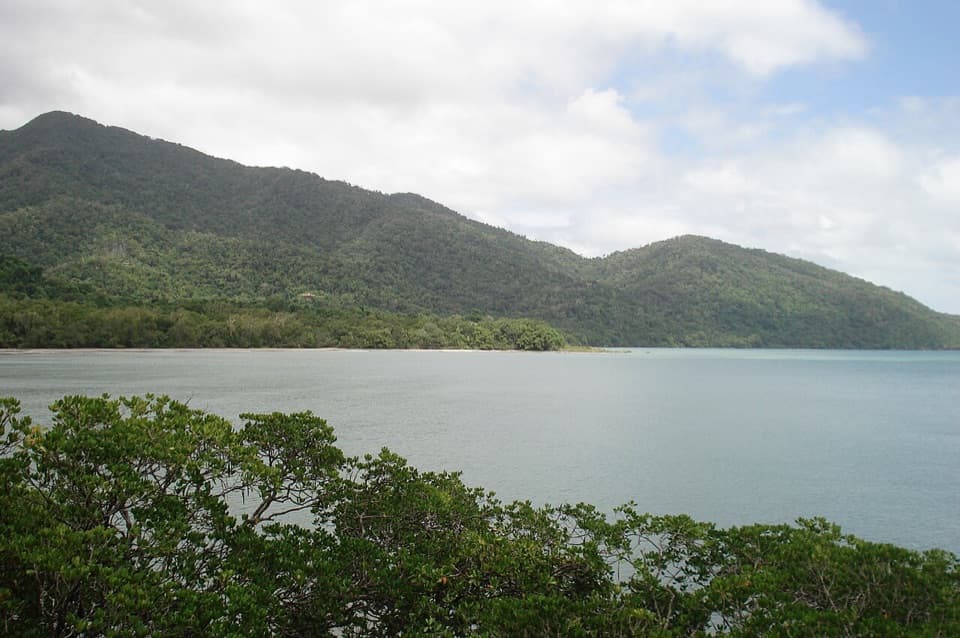
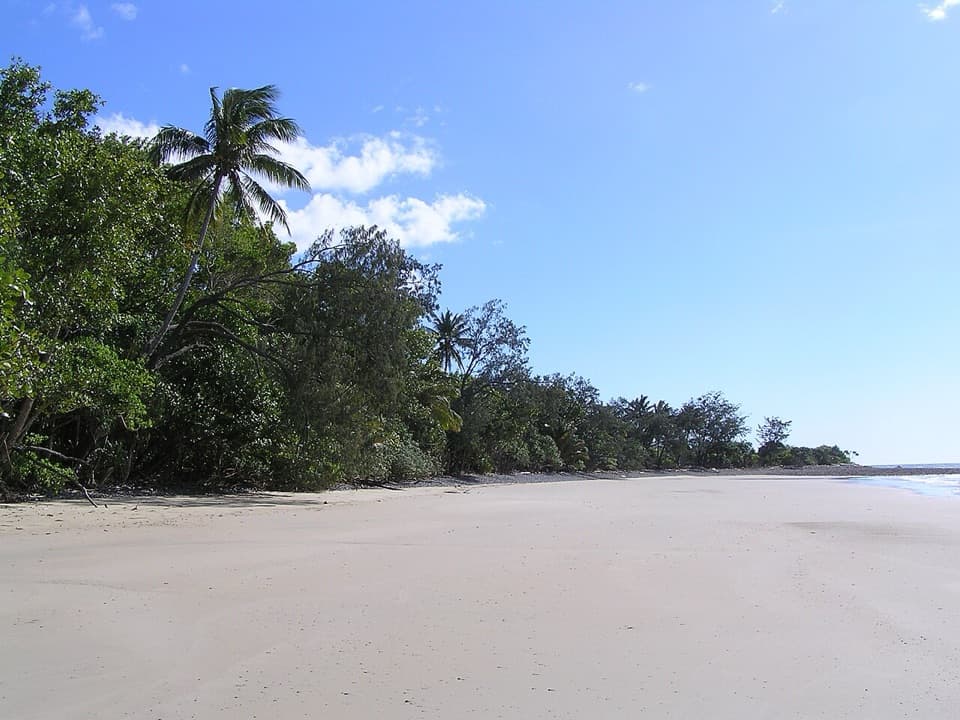
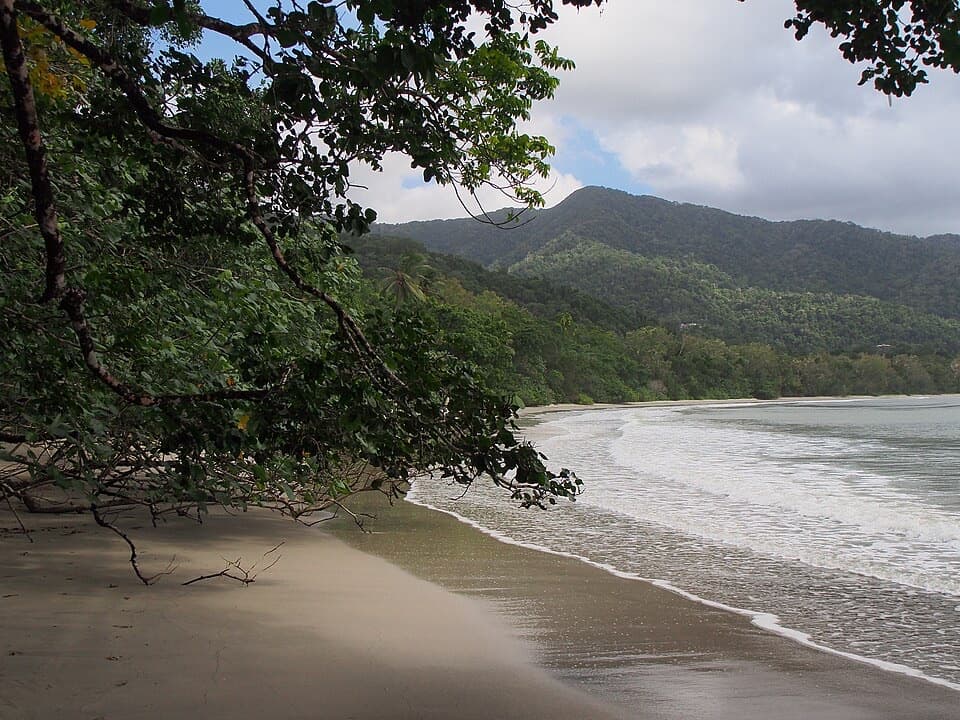
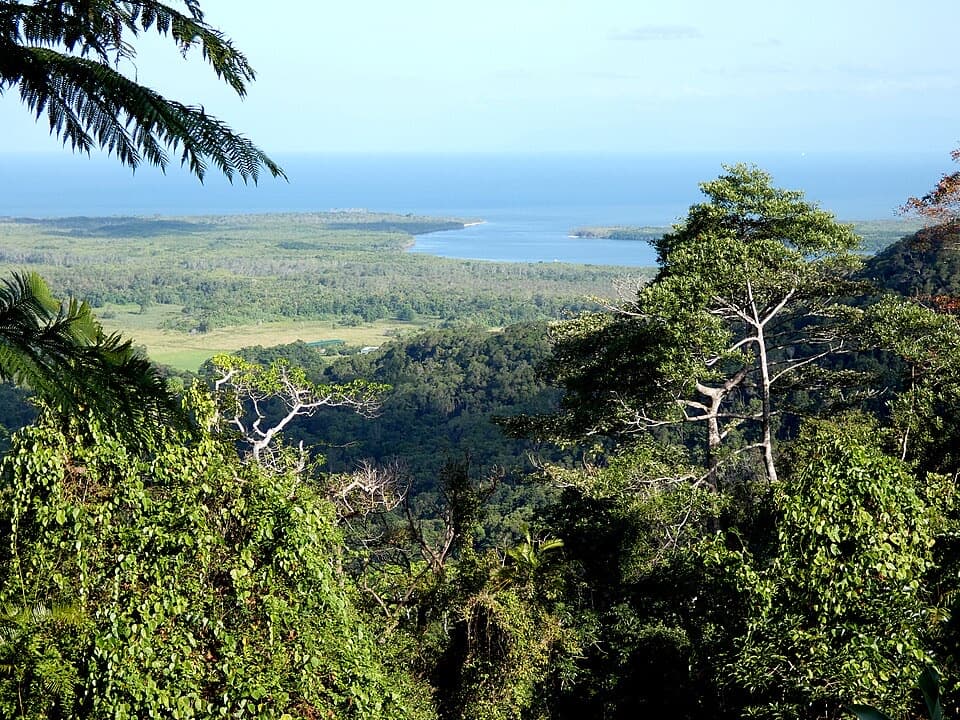
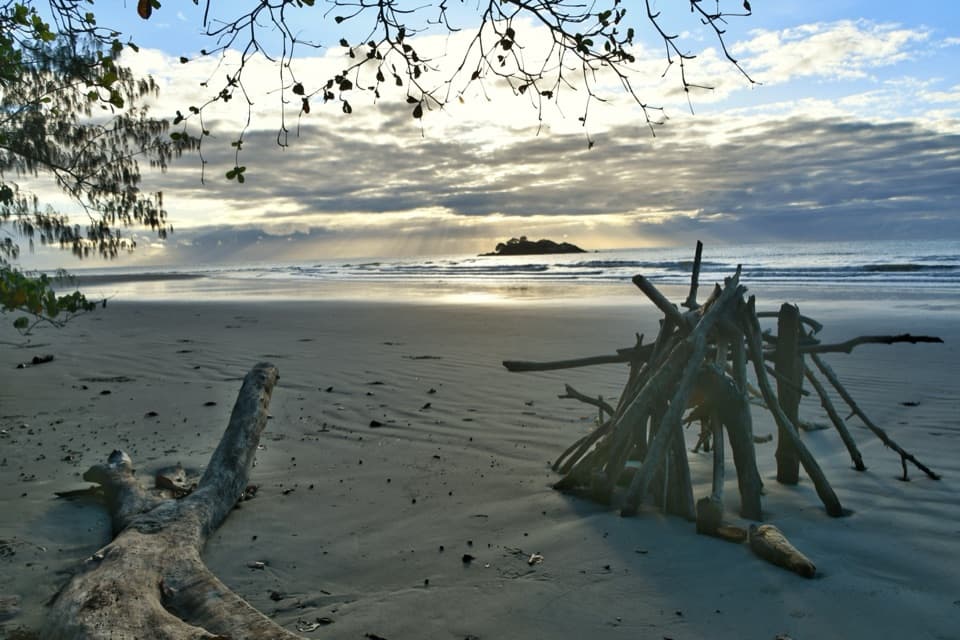
South of the Cape Tribulation headland, Myall Beach is that postcard‑perfect arc where ancient rainforest walks you straight onto wide tropical sand. It feels wild and photogenic rather than developed, with mangroves at your back and the Coral Sea out front.

Getting There & Access

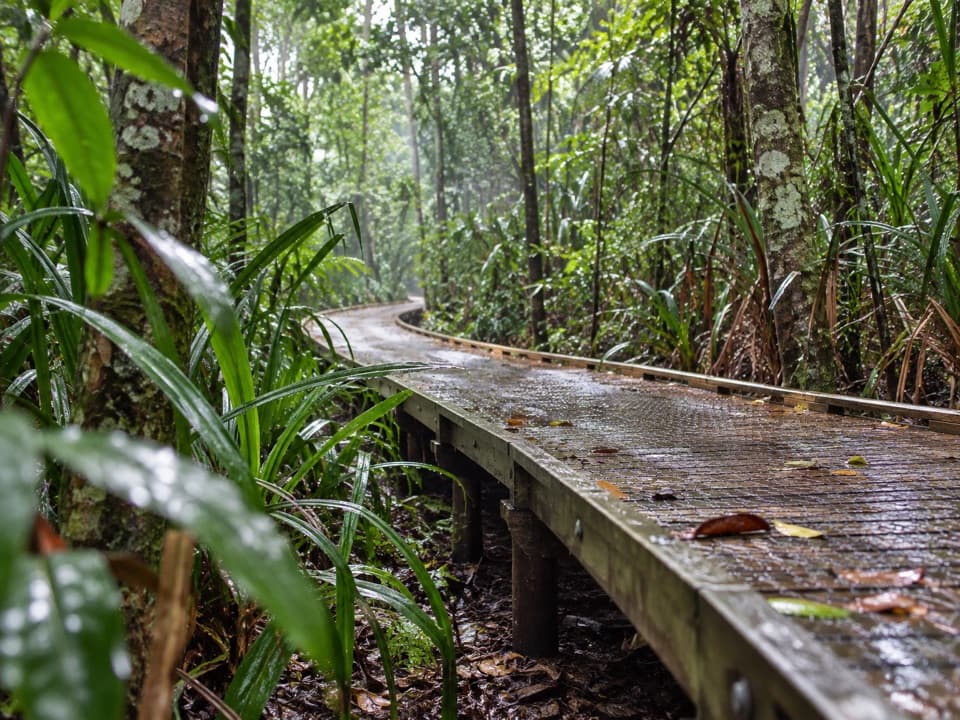
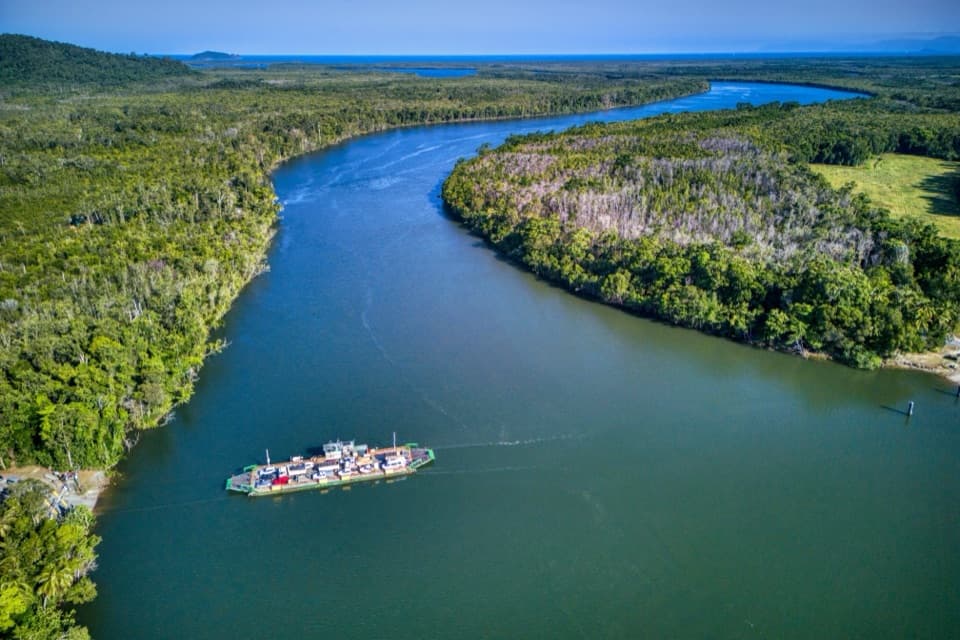
Cross the Daintree River ferry, follow Cape Tribulation Road, and park at the Dubuji day‑use area. From there, a short boardwalk (about 350 m on a signed track) leads through rainforest and mangroves to the beach. At lower tides you can stroll the shoreline toward Cape Tribulation, but creeks and tides can cut routes—turn back if in doubt.

What You’ll See

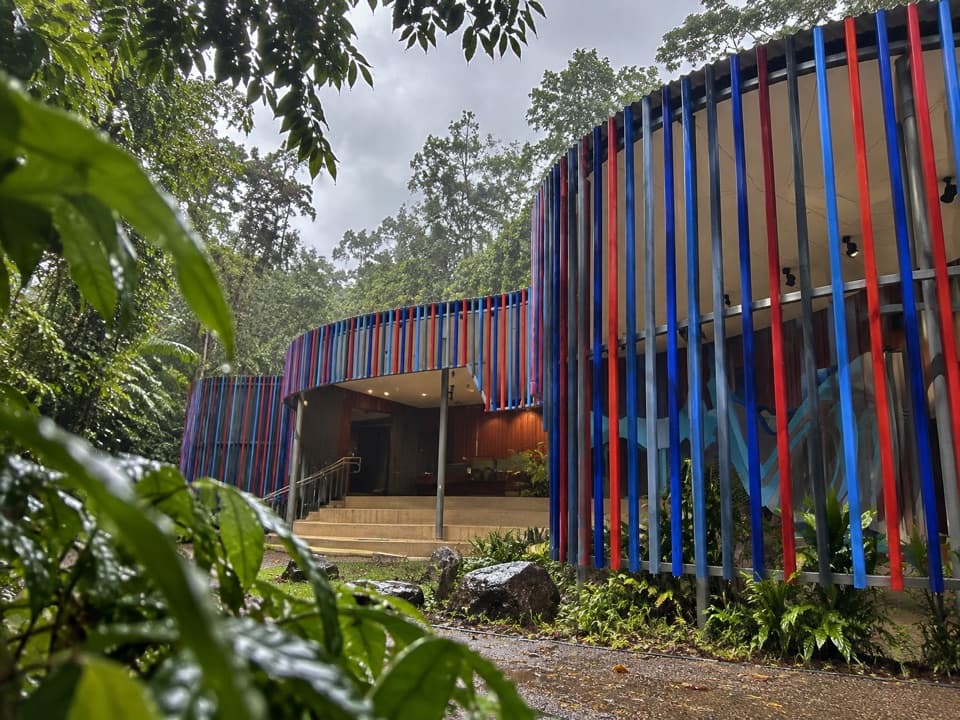
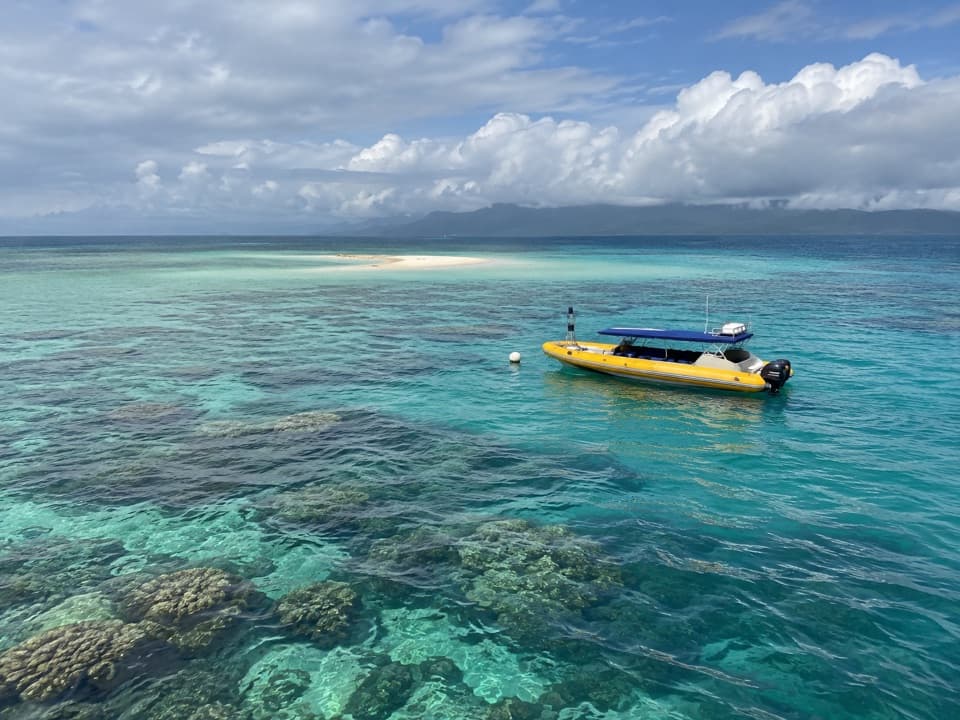
Expect a broad strandplain with mirrorlike sand at low tide, mangrove forests behind the beach, and that famous “reef meets rainforest” look. Interpretive signs on the boardwalk explain the rainforest, mangrove ecology and the area’s stories on Eastern Kuku Yalanji Country. You may also see occasional reef tour boats offshore or a guided horseback group along the sand.

Wildlife

On the boardwalk and in the forest, keep an eye out for southern cassowary (give it space), Boyd’s forest dragon, lace monitors, orange‑footed scrubfowl, and big tropical butterflies. On the tidal flats, look for fiddler crabs, mudskippers and waders. Saltwater crocodiles inhabit creeks and sometimes the beach—observe from a distance.

Facilities & Services

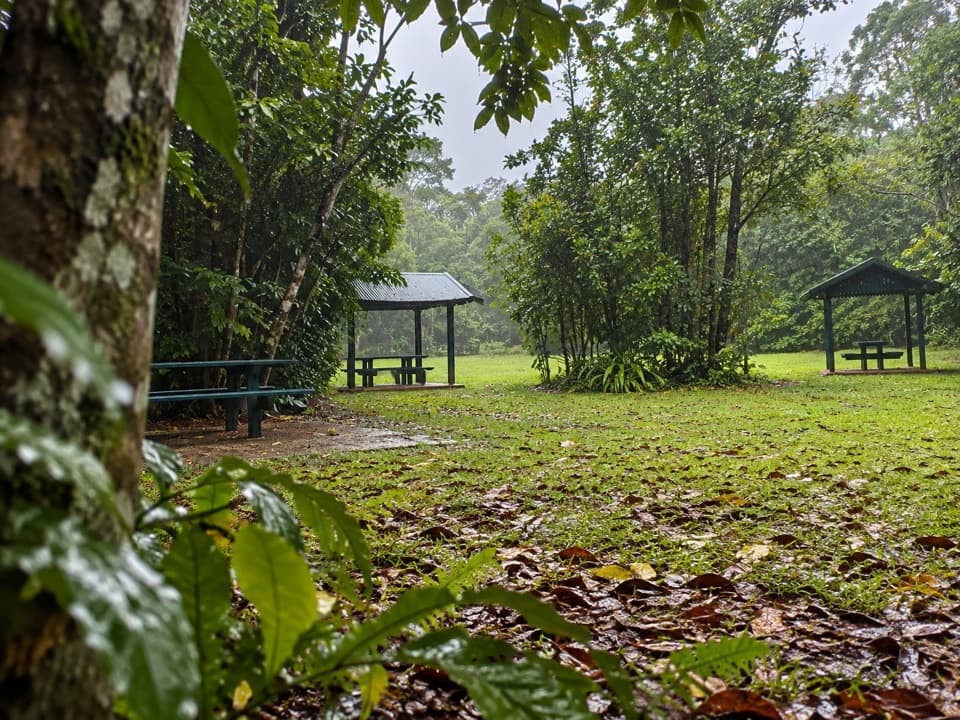
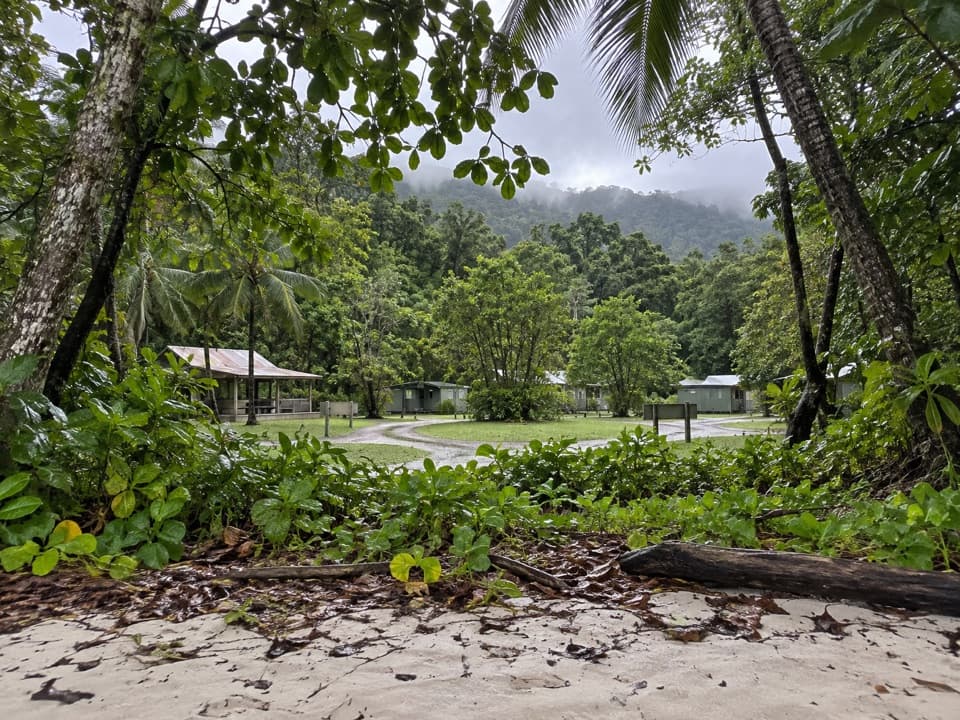
Toilets, shaded picnic tables and parking are at Dubuji day‑use area—the closest facilities to Myall Beach. There are no lifeguards, no stinger nets, and no showers. Mobile reception is patchy. Parking areas are day‑use only.

Safety Essentials

Don’t swim. Crocodiles occur year‑round and marine stingers are present roughly November–May. Stay well back from the water’s edge, especially near creek mouths, and heed all signs. Rising tides can block headland or creek crossings. Carry water, sun protection and insect repellent; sandflies can be active at dusk. Drive carefully on the narrow, winding rainforest road.

Best Time to Visit

For easier walking, milder temps and clearer mornings, the drier months from about May–October are the sweet spot. If you’re here in the wet/stinger season (about November–May), plan for heat, showers, and no swimming. For photography, sunrise at low tide paints the sand into a mirror and silhouettes the Cape Tribulation headland.

2025 Access Note

There were rolling facility and track changes this year: Jindalba day‑use area and walking tracks were closed January 28–September 30, 2025, and Dubuji visitor facilities had closures/changed access April 11–November 30, 2025. Check current status before you go.

Photography Tips

Aim for first light at low tide for glassy reflections; bring a macro lens for mangrove roots, crabs and butterflies along the boardwalk.

Pros

  • Short rainforest boardwalk access from Dubuji day‑use area
  • Classic “rainforest meets reef” scenery with big low‑tide flats

Cons

  • No safe swimming due to crocodiles and marine stingers; no nets or lifeguards
  • No facilities on the sand; services are back at Dubuji

Tips

  • Park at Dubuji day‑use area and follow the short boardwalk to the sand.
  • Time your visit for sunrise at low tide for the best reflections.
  • Do not swim and keep well back from creek mouths due to crocs and stingers.
  • Check Daintree River ferry hours and queues before setting out.
  • Expect patchy reception; bring water, sun protection and insect repellent.
The Parkwolf tour guide sitting on a phone mounted in a car

Parkwolf Tour Guide

Like a tour guide in your car.

Save the places you found around Daintree, then let Parkwolf guide the drive between them.Download Parkwolf on the App Store