Overview
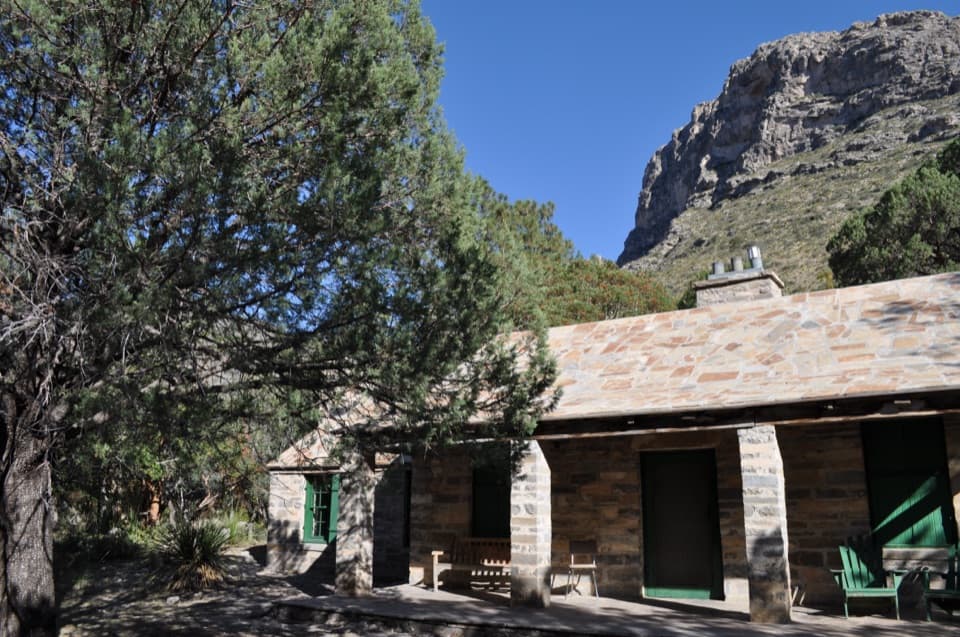
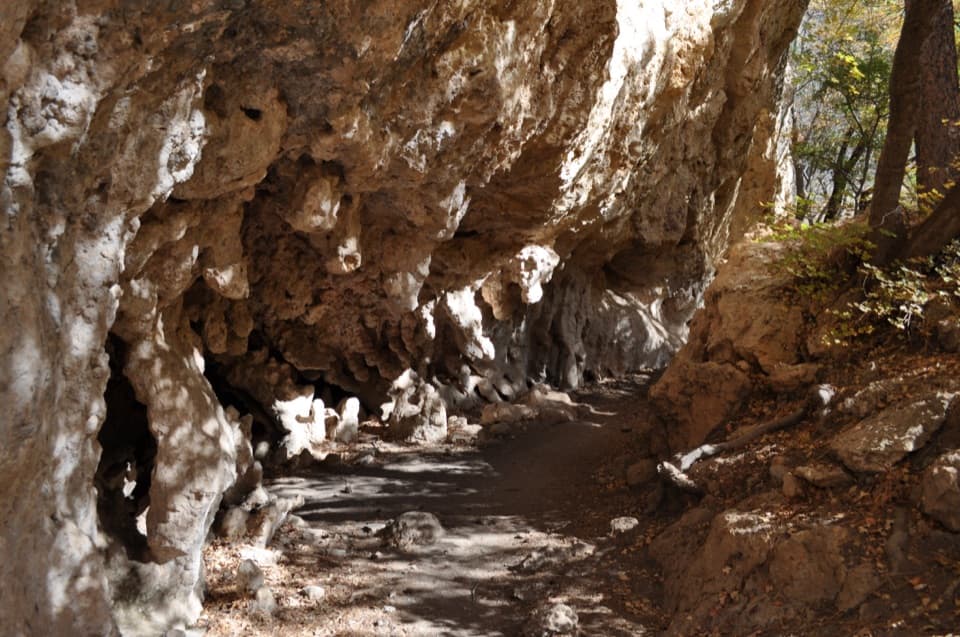
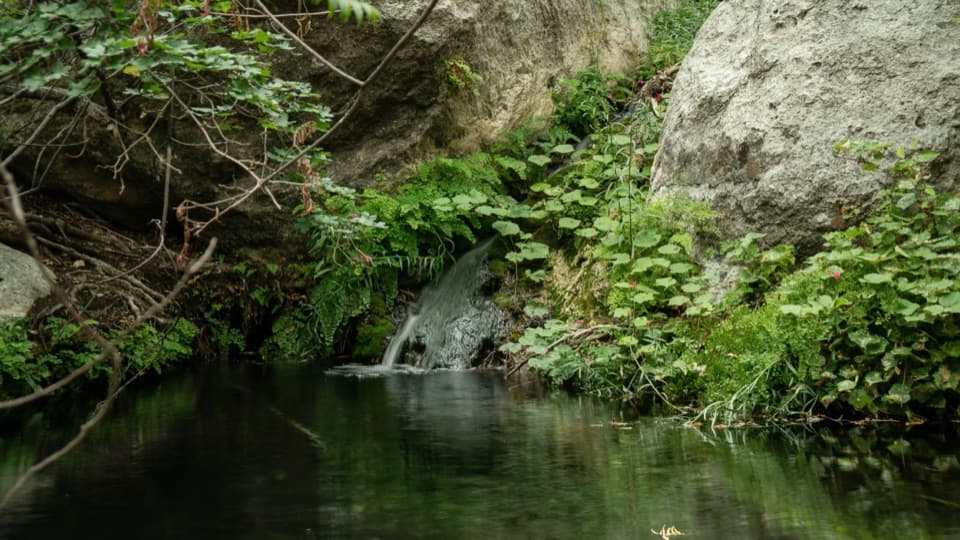
Smith Spring is the park’s classic desert oasis: cool shade, a trickling waterfall, and cottonwoods nestled against pale limestone. It’s the payoff on a short loop that starts at historic Frijole Ranch, passes Manzanita Spring, then climbs gently into a small canyon where groundwater emerges at Smith Spring.
Route at a Glance
- Distance/elevation: about 2.3–2.5 miles with ~400 feet of gain; plan 1–2 hours depending on photo and wildlife stops.
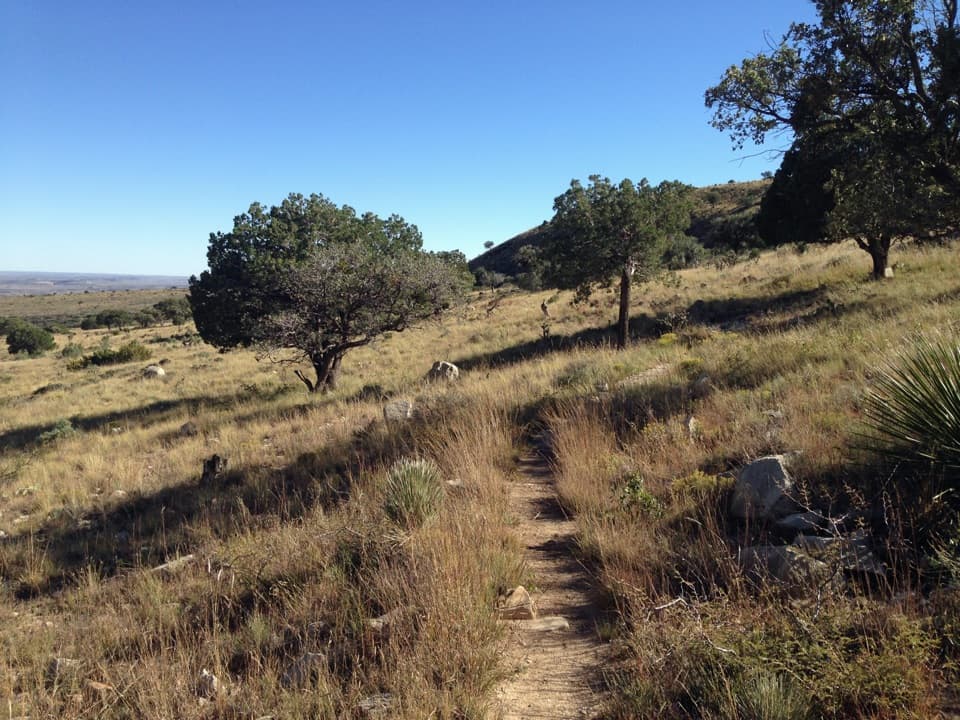
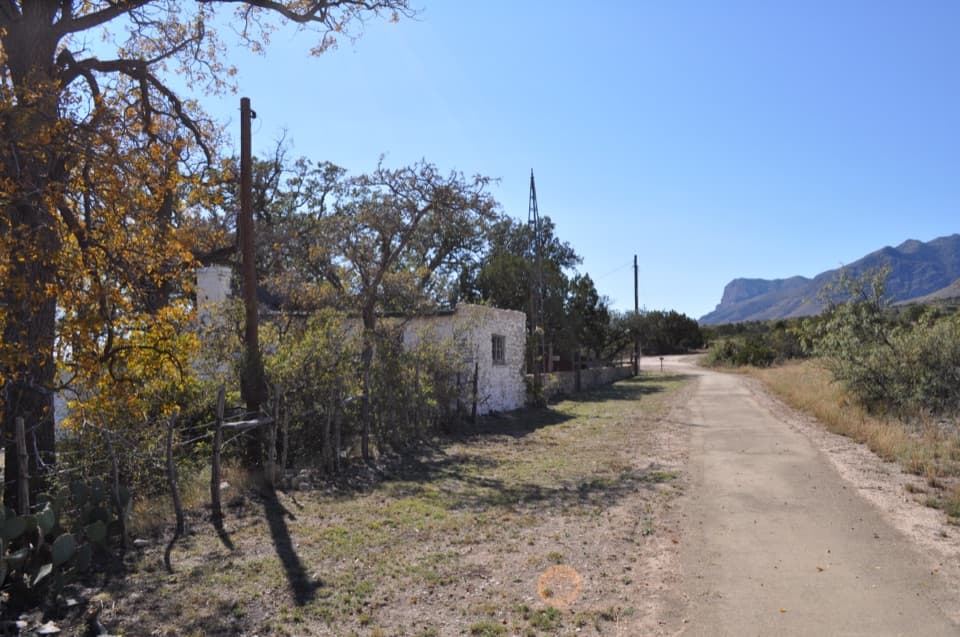
- Start: Frijole Ranch parking area. A paved path leads to Manzanita Spring; beyond that, expect a maintained but rocky trail up to Smith Spring. Many hikers like going counter-clockwise for a quick warm‑up on pavement before the rockier ascent.
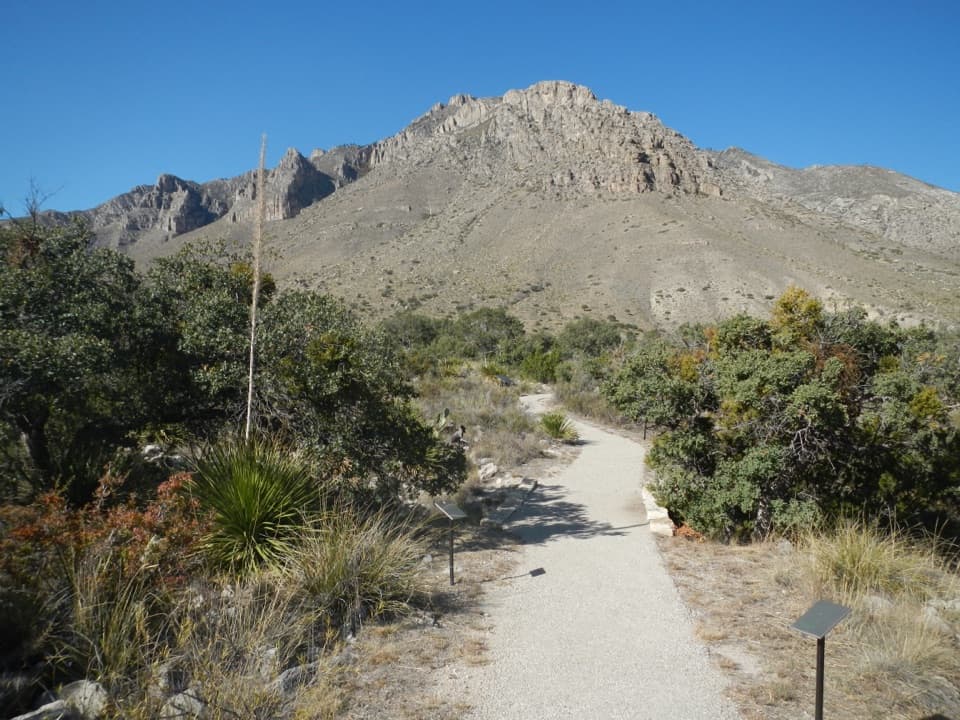
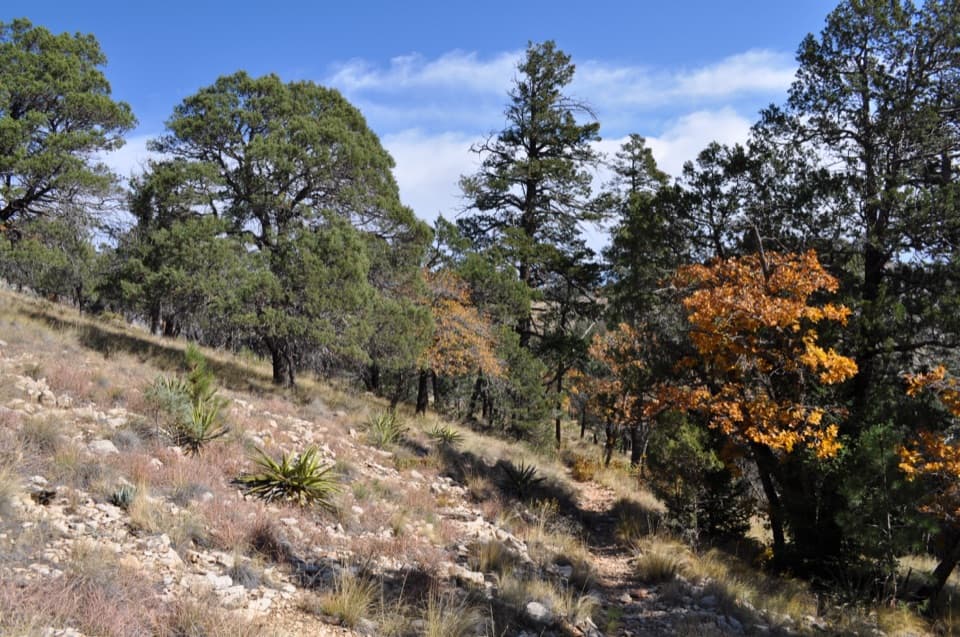
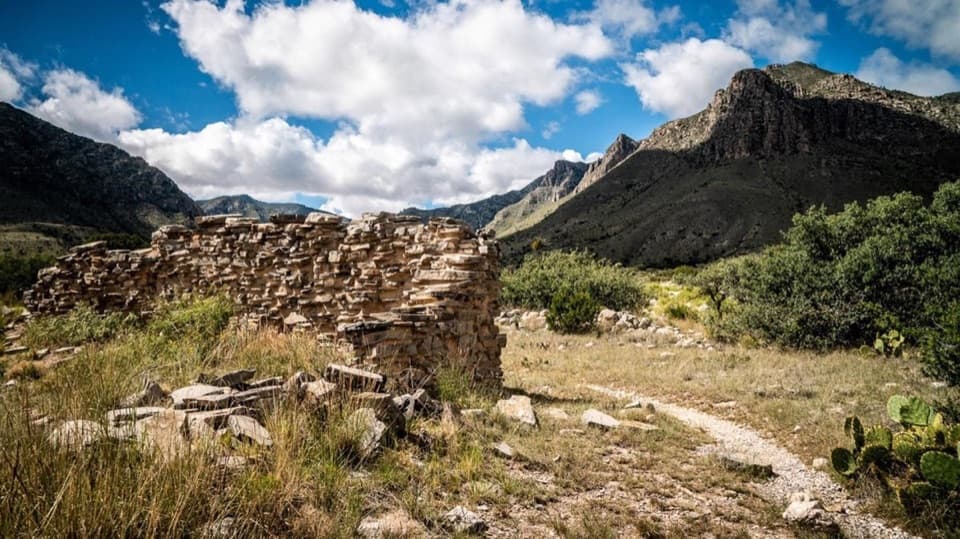
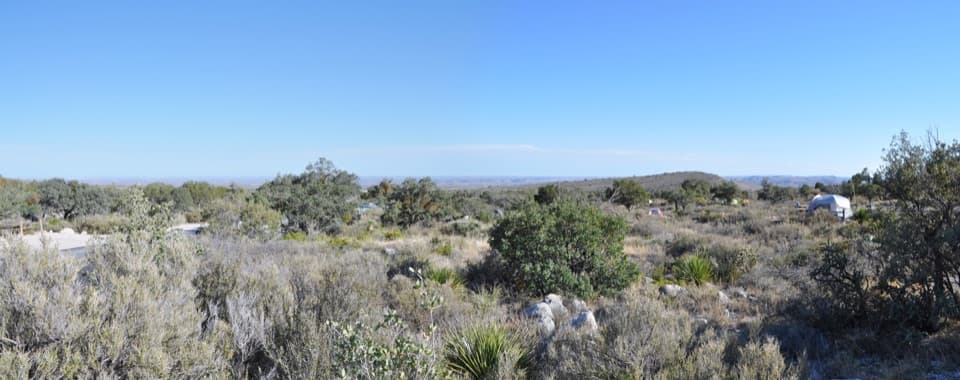
- Along the way you’ll see signs of past wildfires and changing vegetation as you leave open desert grassland for the cooler, greener pocket around the spring.
What You’ll See
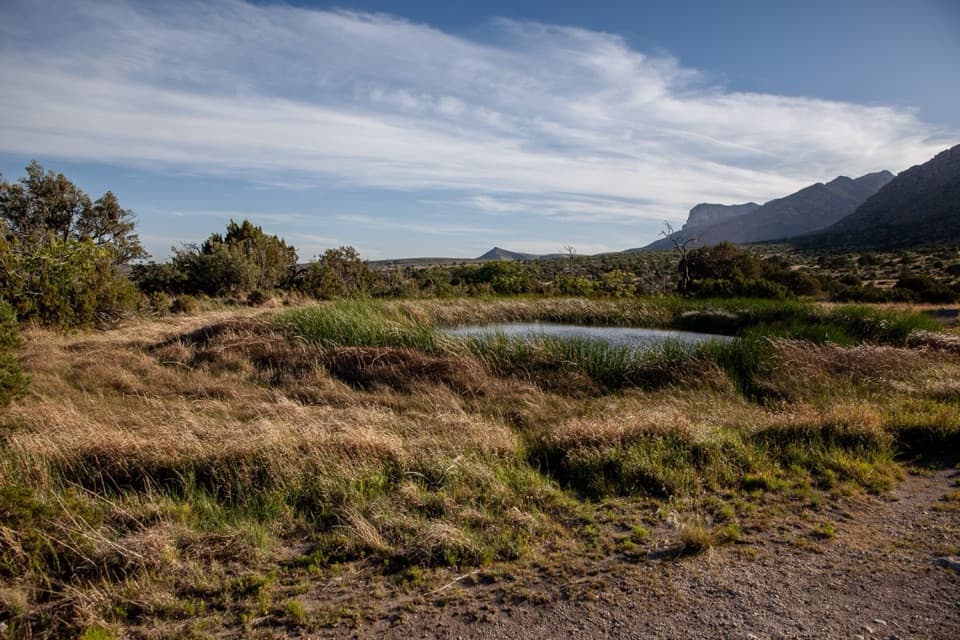
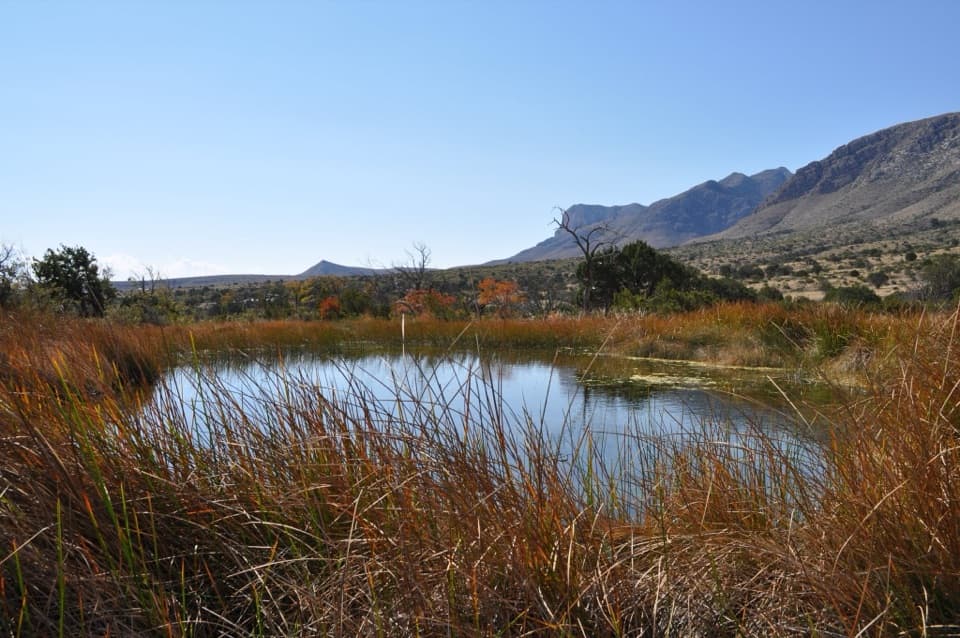
- Manzanita Spring: a ponded water source fringed by grasses, great for a quick look and often birdy.
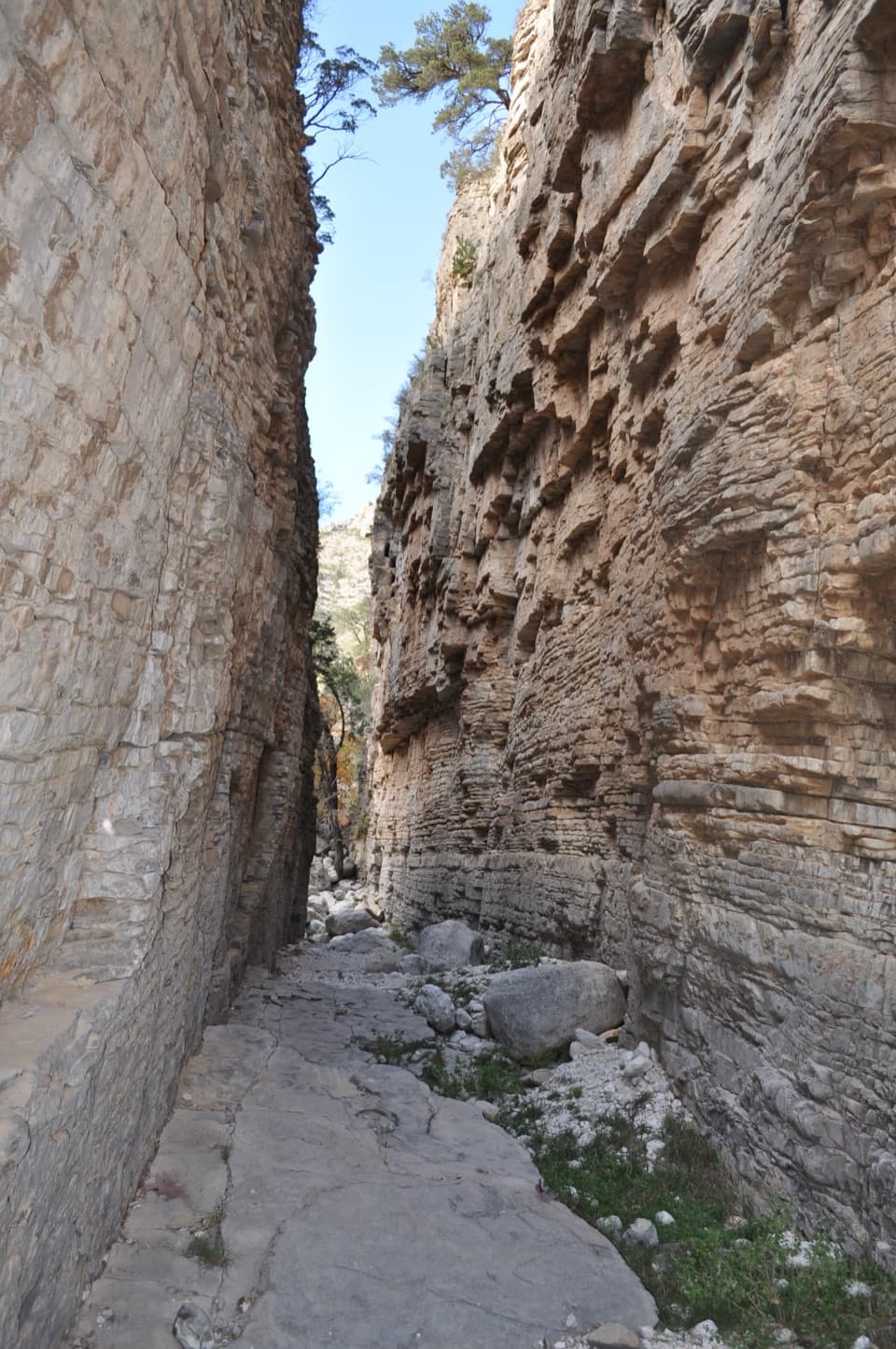
- Smith Spring: clear, cool water with a small cascade tucked beneath limestone slopes, shady trees, and interpretive signage explaining how water moves through fractures in the reef.
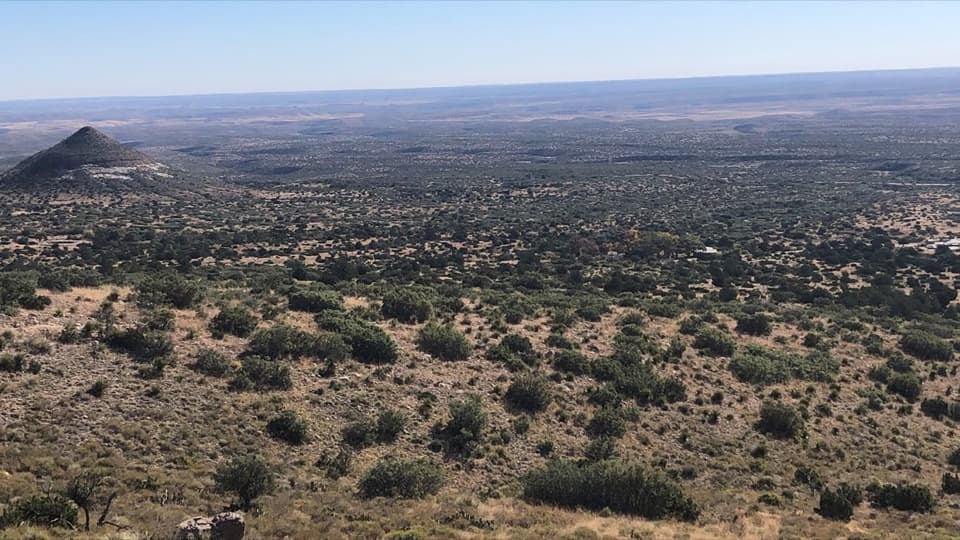
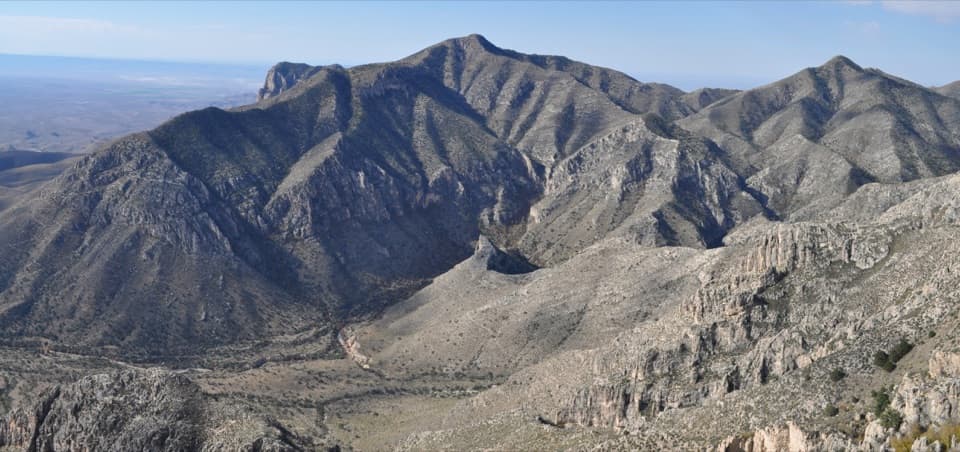
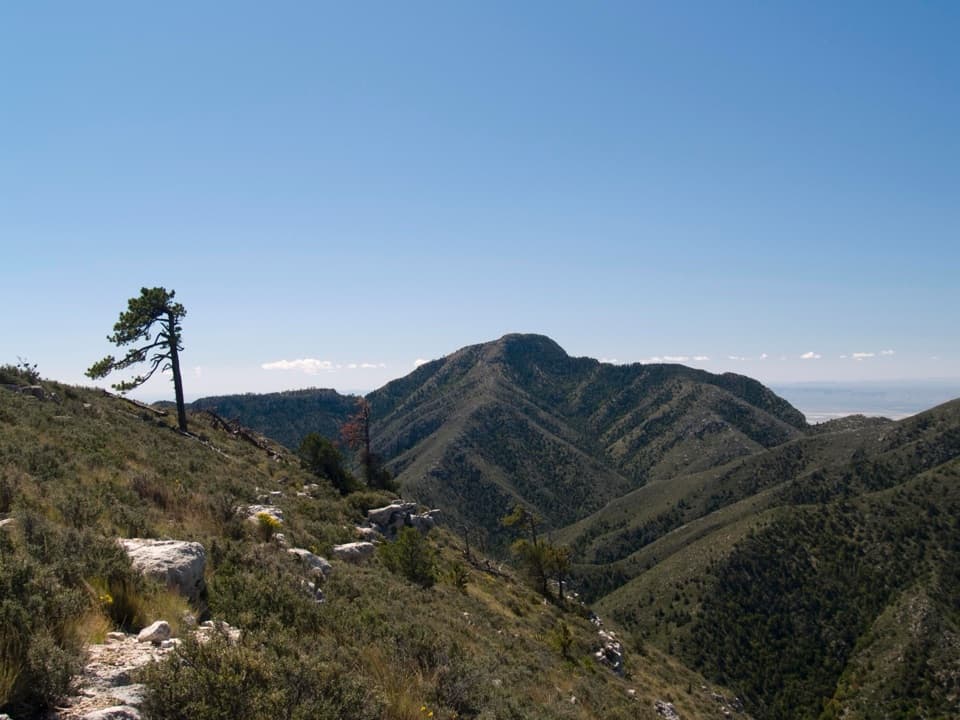
- Big views back across desert foothills contrasted with the intimate feel of the spring’s grotto.
Wildlife and Birding
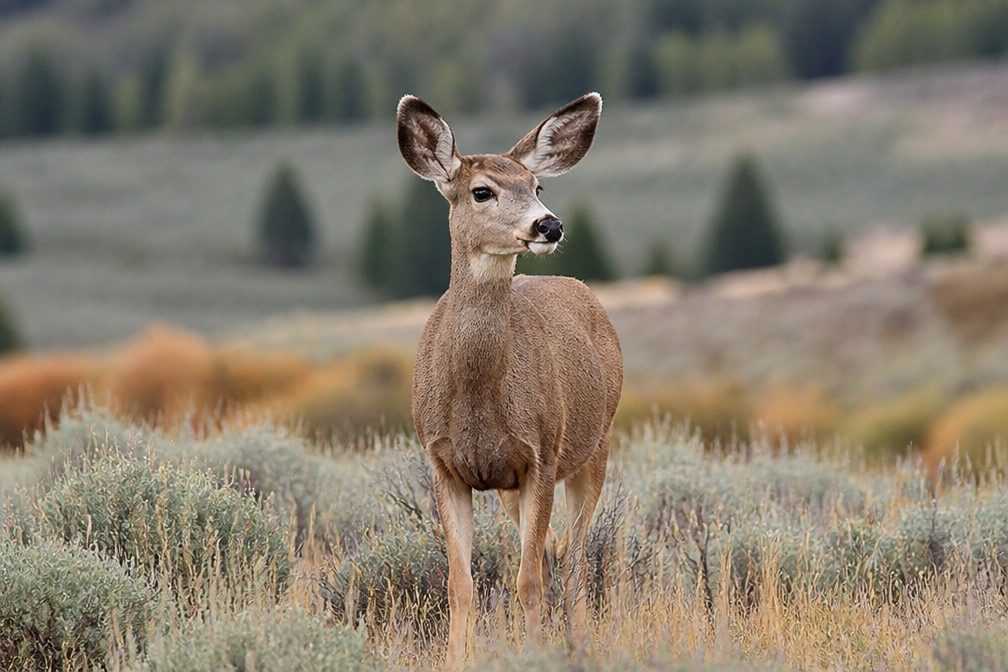
Water is life here, and both springs draw it. Bring binoculars and watch for birds year‑round; hikers also report mule deer and elk along the loop. The spring area itself is a quiet, sheltered spot where wildlife often slips in and out of the shade.
Facilities and Logistics
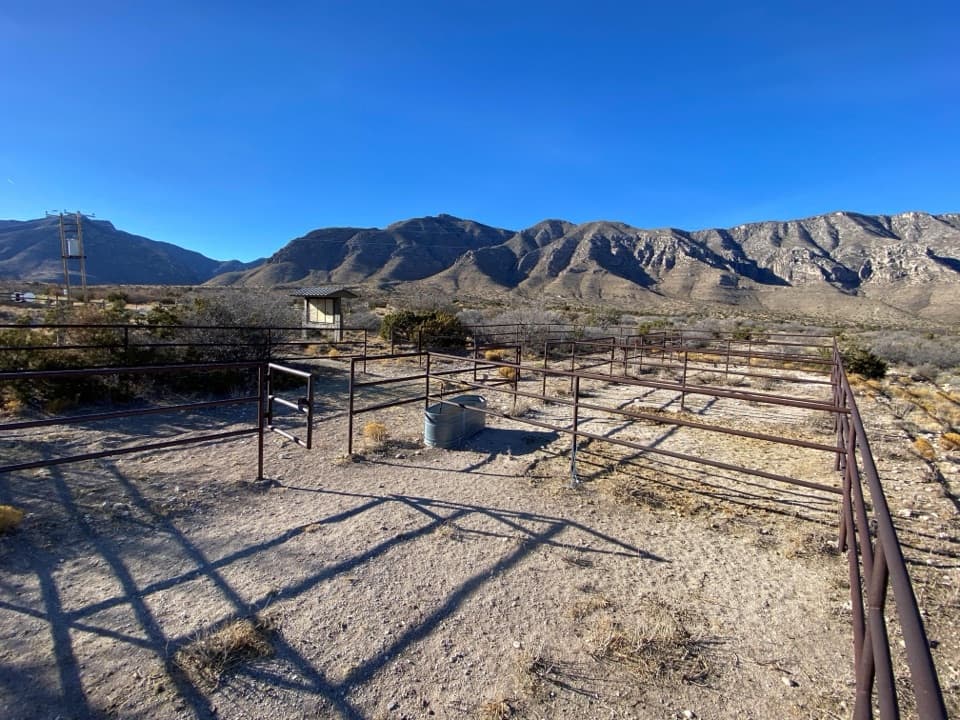
- Trailhead amenities at Frijole Ranch: vault toilets, drinking water fountains, and three large shade structures with picnic tables—perfect for a pre/post‑hike break.
- The path from the ranch to Manzanita Spring is paved; beyond that the surface turns rocky. Wear sturdy shoes; trekking poles help on the uneven bits.
- Do not enter the water—Smith Spring is roped off to protect the source, and its flow sinks underground and reappears at Manzanita Spring.
Geology Bite
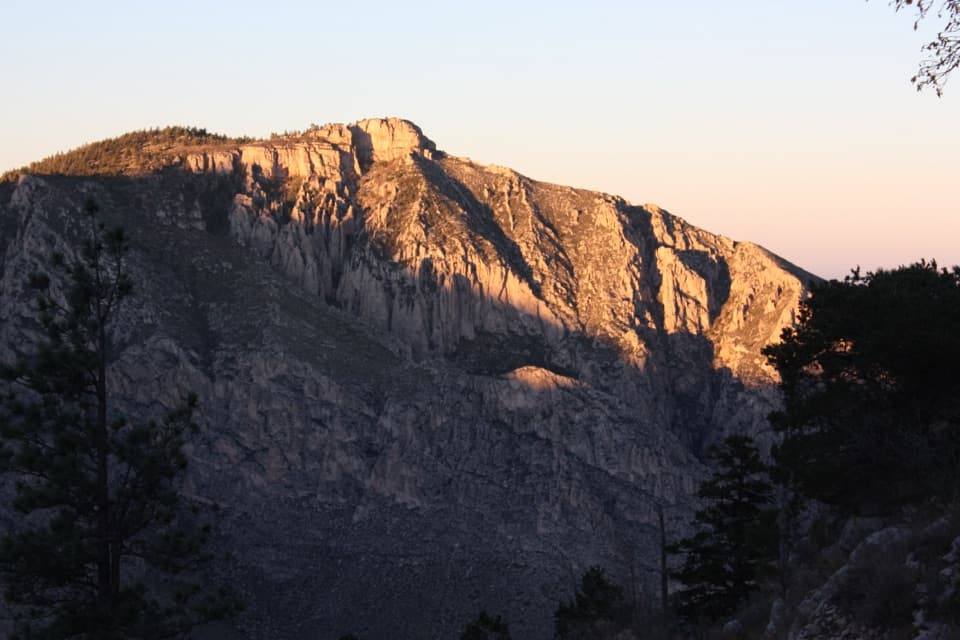
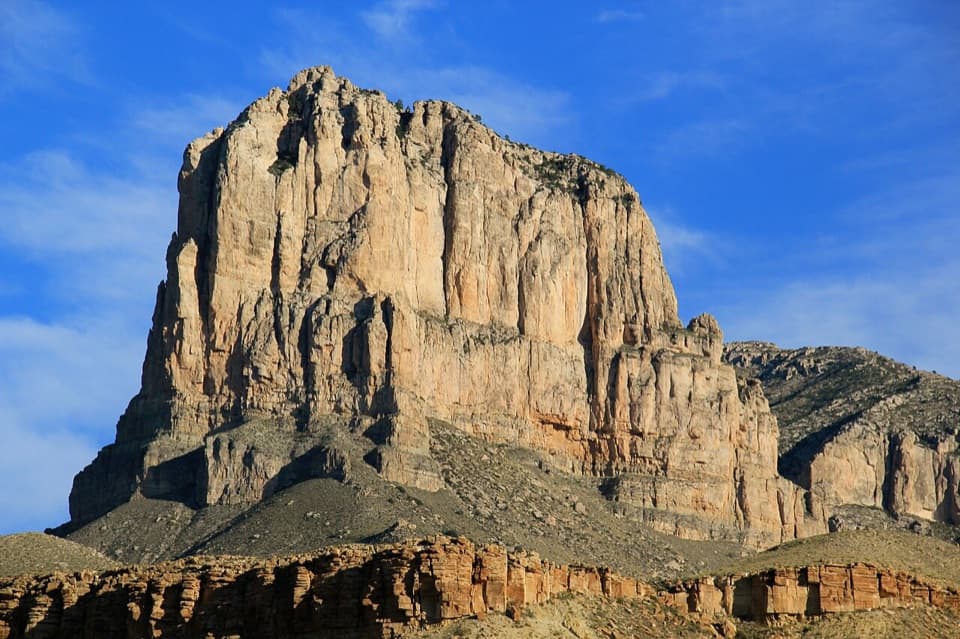
You’re walking on the famed Capitan Reef—an ancient marine fossil reef now lifted into these cliffs. Springs like Smith emerge where groundwater percolates through fractured limestone and finds a surface outlet.
Best Time to Visit
- Year‑round. Dawn and dusk are especially good for bird activity and softer light.
- Start early in warmer months—the approach has little shade and can feel hot. In winter, expect colder temps and occasional wind; check conditions before you go.
Who Will Love It
First‑time visitors, families, and birders get a lot of reward for modest effort. If you’re chasing big elevation and summit views, save this as a mellow, scenic warm‑up paired with a quick look through the Frijole Ranch museum area.