Lava Cliffs Overlook

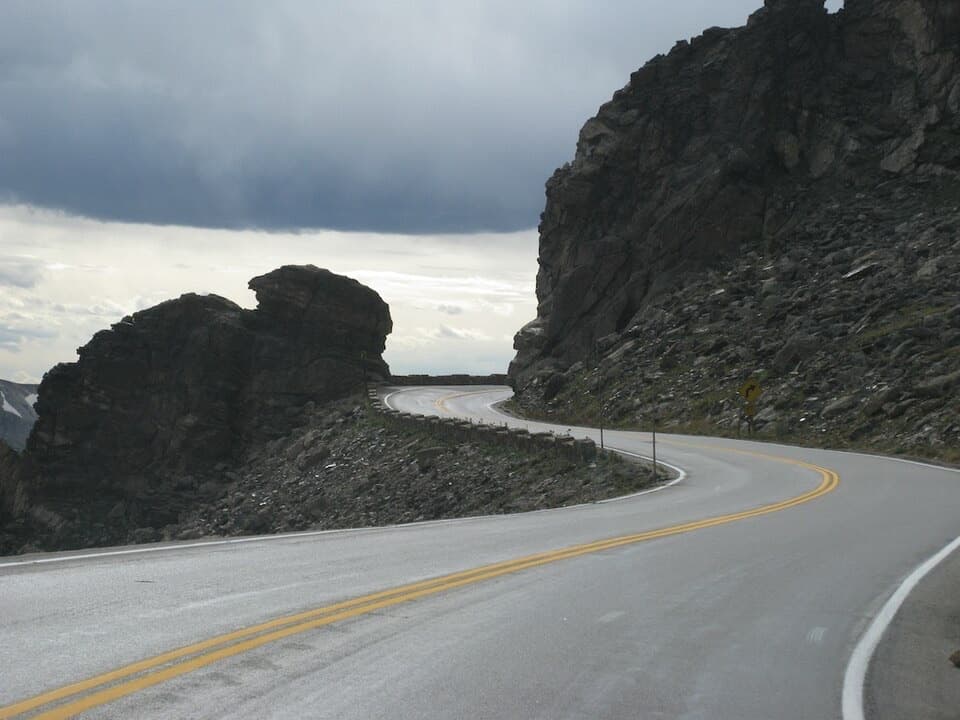
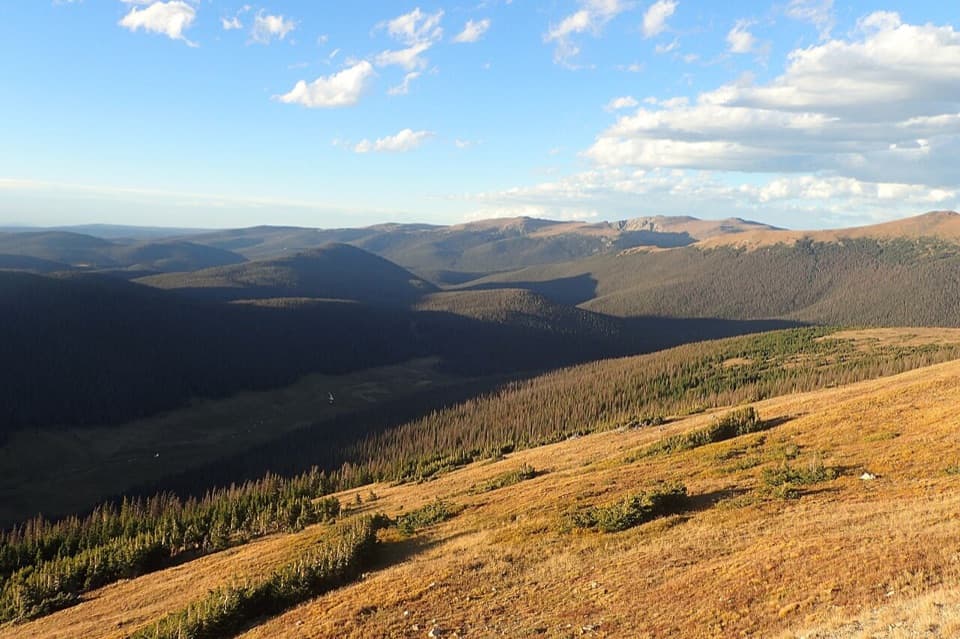
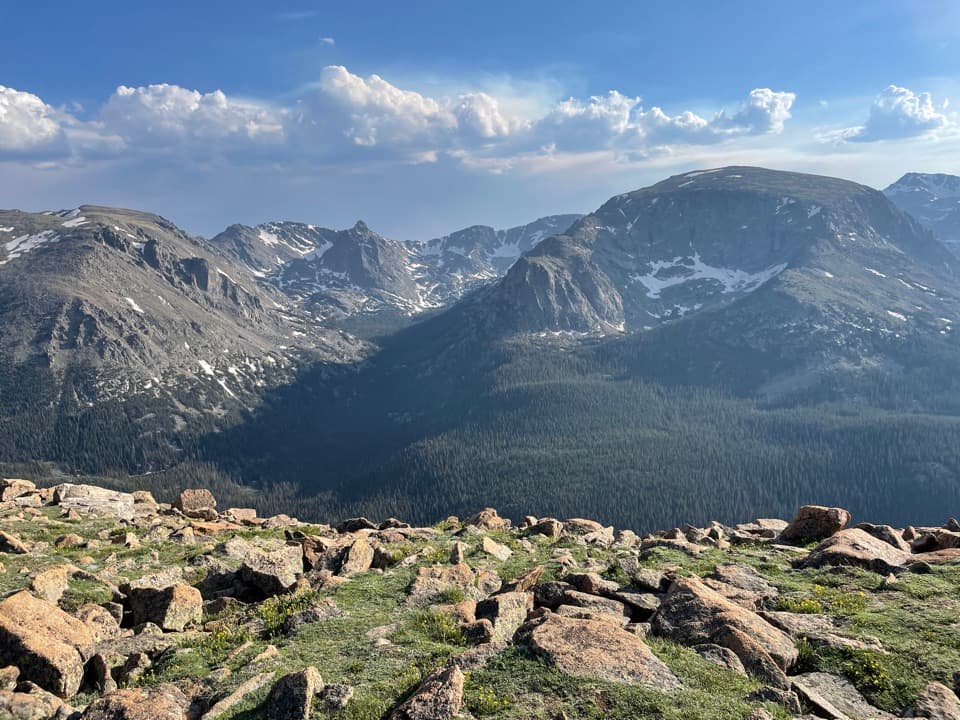
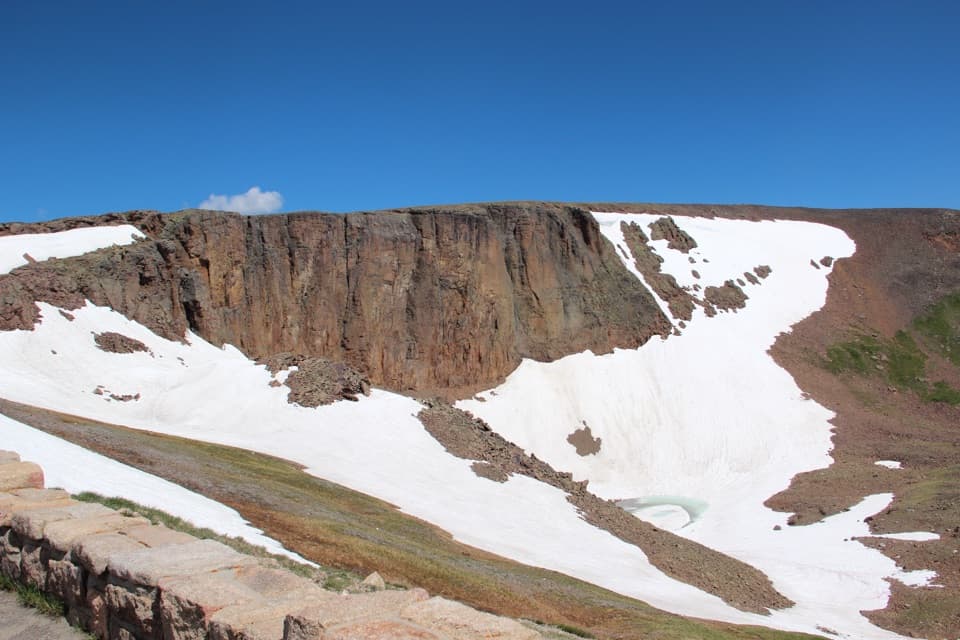
Roadside view of ancient lava cliffs and high alpine tundra
Lava Cliffs Overlook, Rocky Mountain National Park
InsideRocky Mountain National Park

Overview

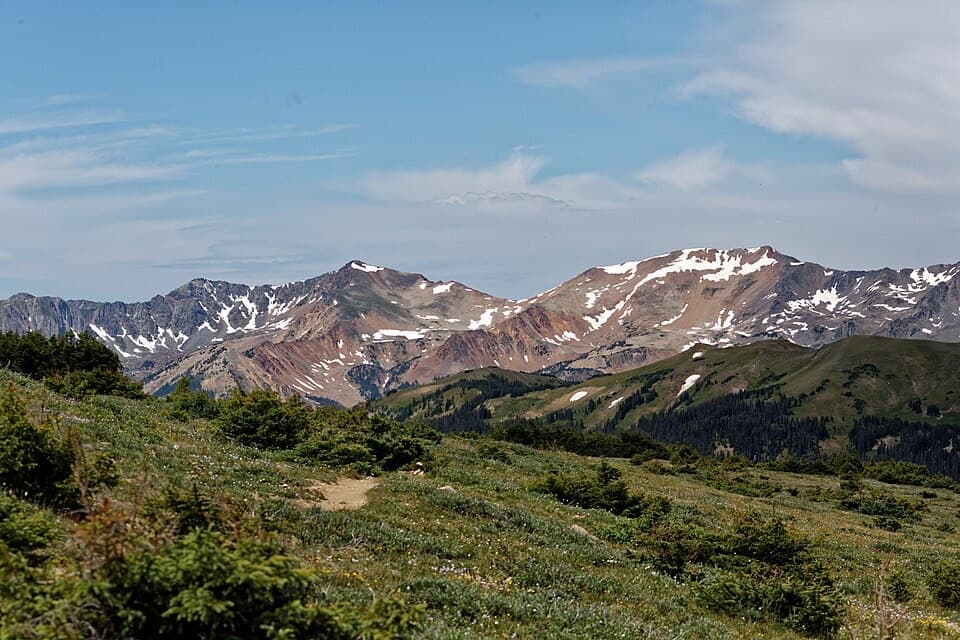
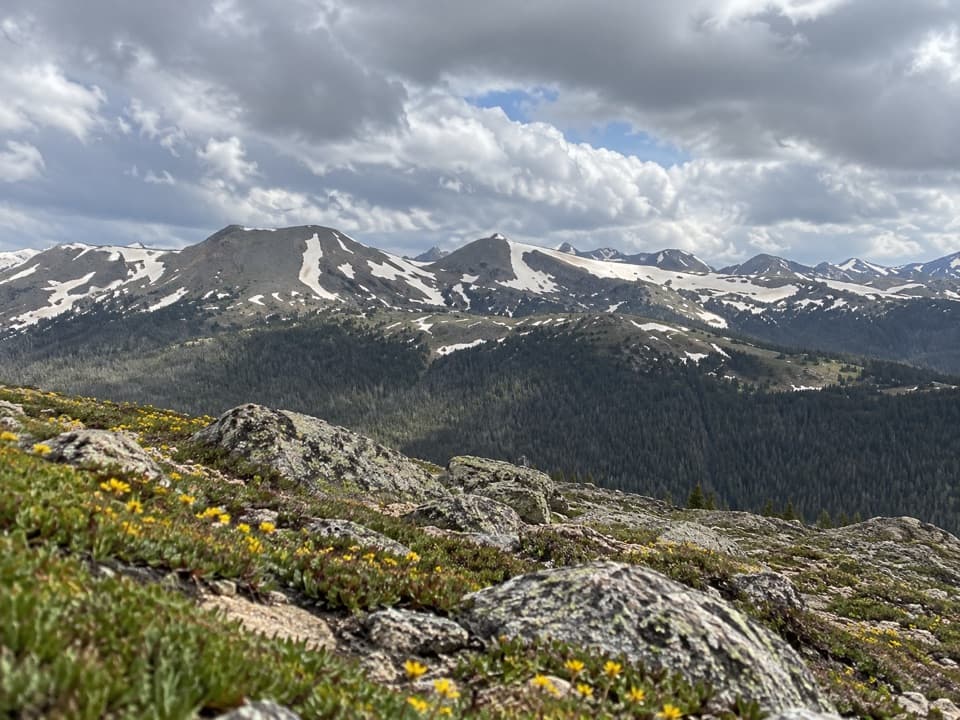
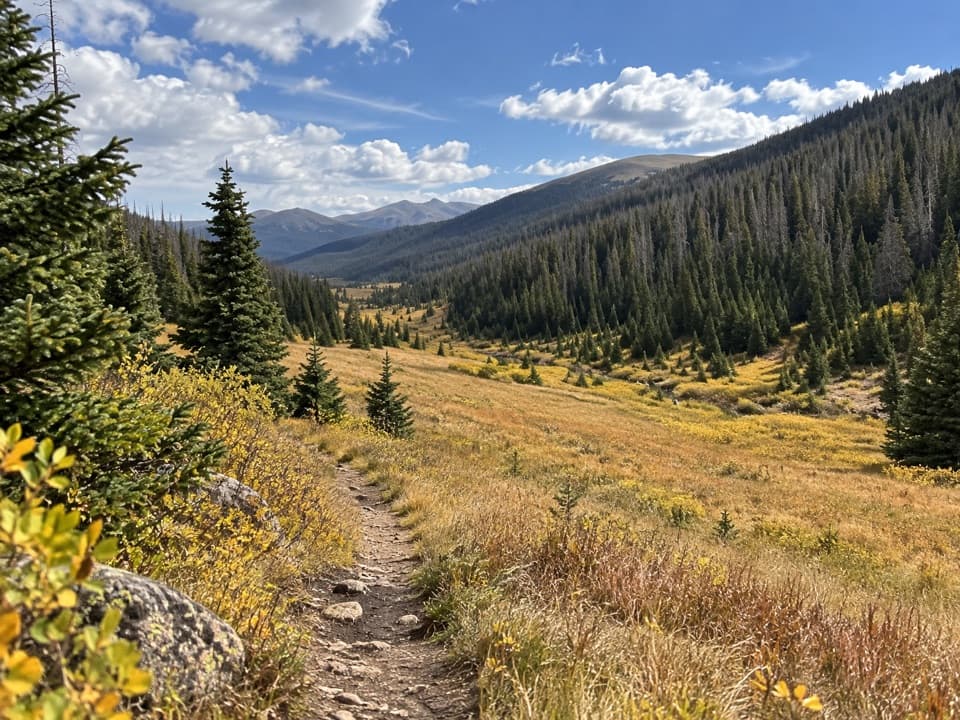
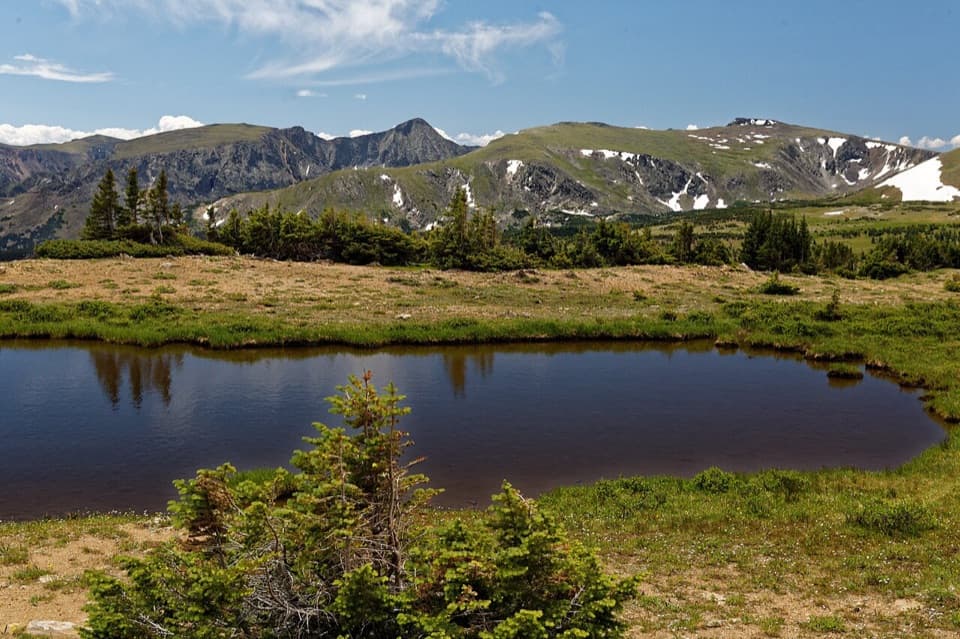
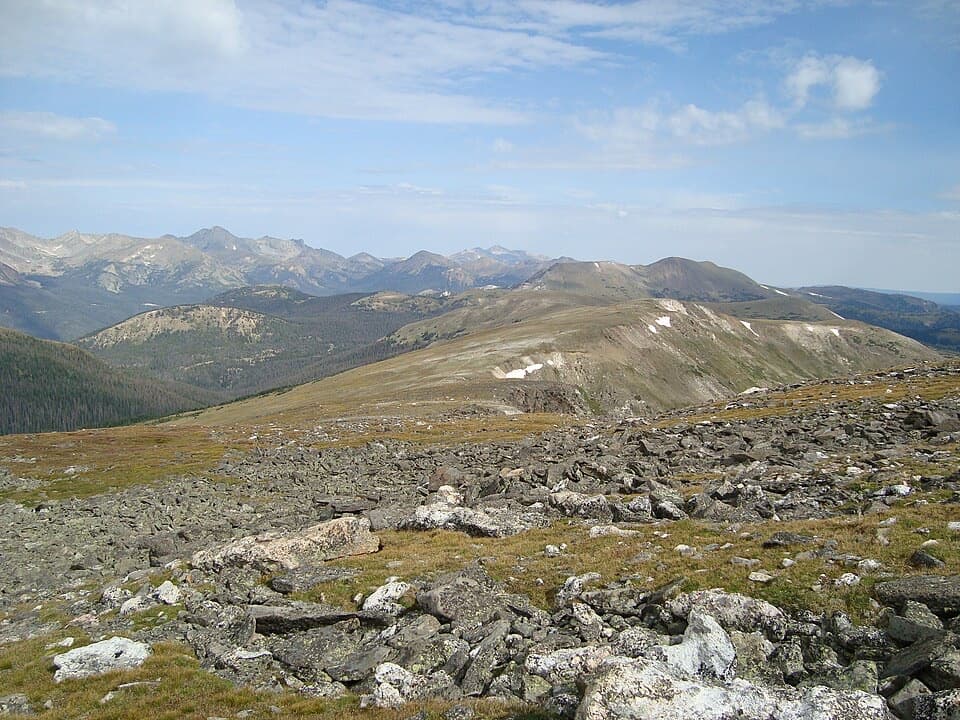
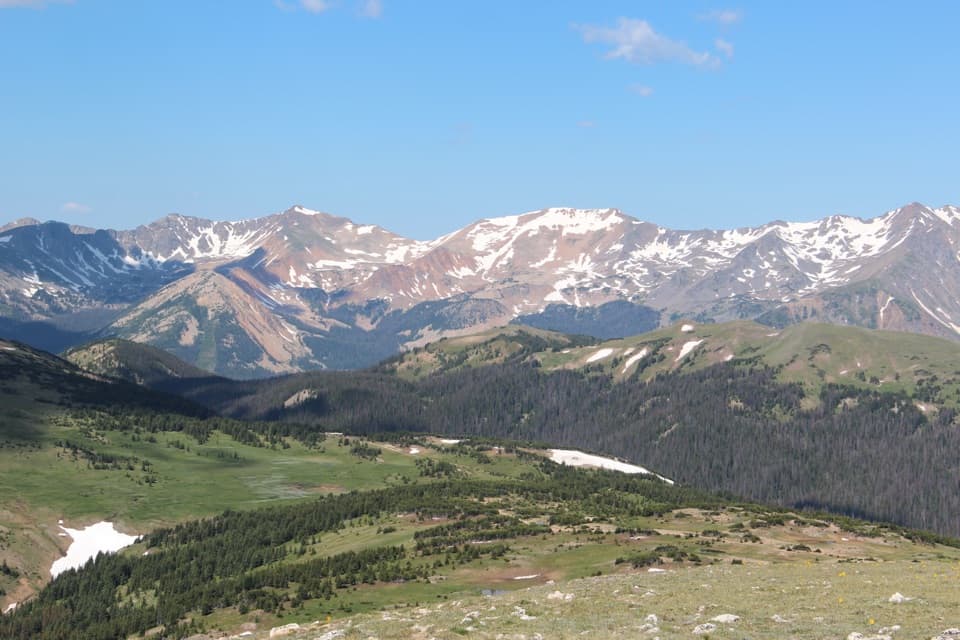
A swift, worthwhile stop on Trail Ridge Road, Lava Cliffs Overlook stacks big mountain drama into a tiny package. You’re standing around 12,080 feet on the edge of alpine tundra, looking straight at a sheer wall of dark volcanic rock with Mount Chapin, Mount Chiquita, and Ypsilon Mountain anchoring the skyline. Even in summer, snow often lingers here—cue snowball selfies and stark, photogenic contrasts.

Why it’s special

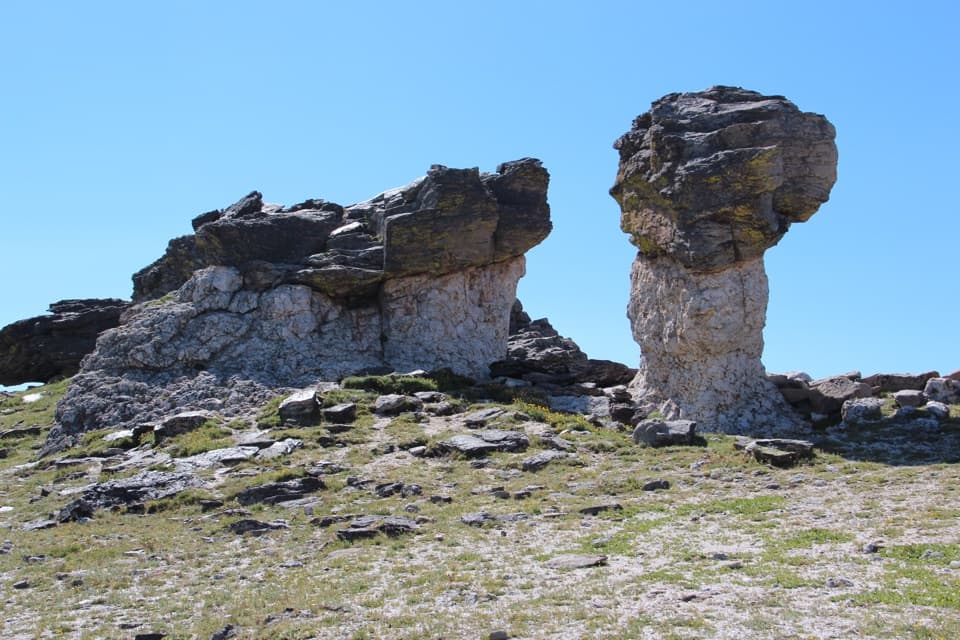
Those cliffs aren’t just pretty—they’re a timeline. A lava flow from the Never Summer Mountains about 28 million years ago left these volcanic layers, and later glaciers sliced the slope open so you can see the face today. It’s a rare, road-accessible look at “young-on-old” geology in the high country.

What you’ll see

  • The namesake lava cliffs right across the valley, with broad alpine vistas.
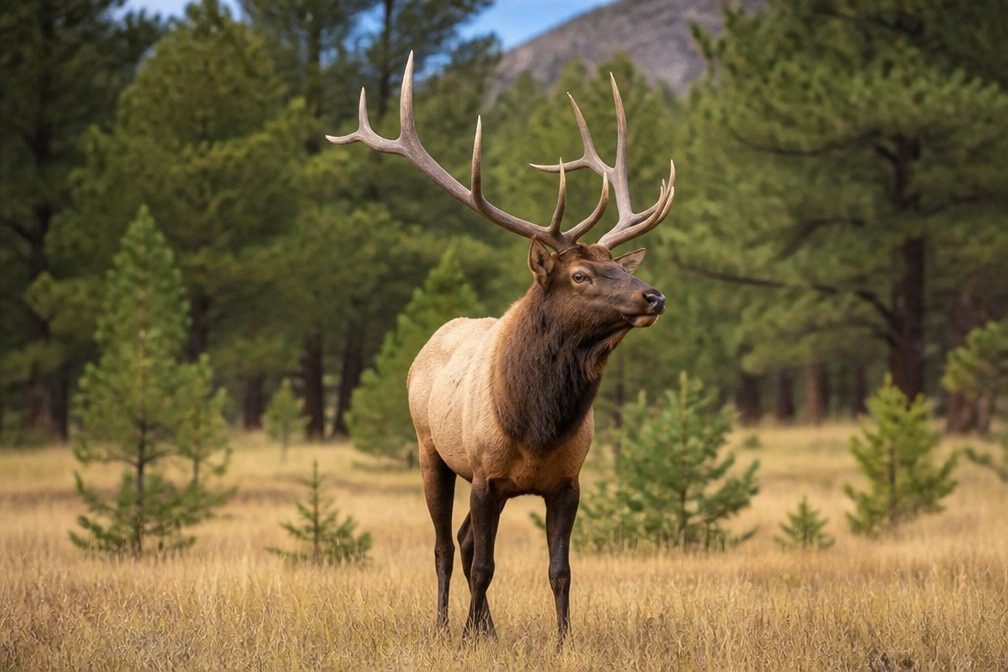
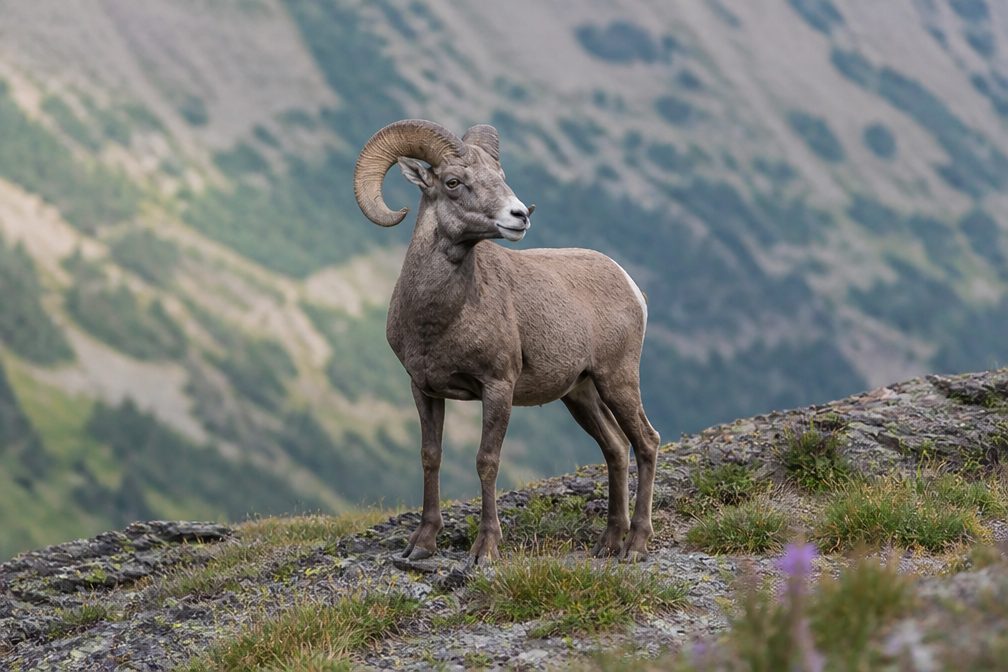
  • Regular wildlife cameos: watch the cliffs for Prairie Falcons and American Pipits; look to the meadows below for elk in midsummer.
  • Snowbanks early in the season that can tower along the road and make for dramatic photos.

Logistics

This is a simple roadside pullout with a very short paved stroll (roughly 0.1 miles total around the lot). Parking is limited—about a dozen vehicles—so expect quick turnover but occasional waits. No restrooms here. Pets are restricted to the parking area.

Conditions and safety

You’re at roughly 12,100 feet: altitude sickness is real. If you feel a headache, nausea, or dizziness, slow down, hydrate, eat, and if needed, descend. Weather swings are fast and fierce up here—strong winds and intense sun are common—so bring layers, water, and sun protection.

Seasonality and access

Trail Ridge Road typically opens in late spring and closes from about mid-October to Memorial Day, with weather-related closures anytime. The overlook is effectively open 24/7 when the road is open. During the main season (roughly late May–early October), timed-entry reservations are required to enter the park—check the current rules before you go.

Best time to visit

For photos and fewer crowds, aim for early morning or late afternoon when light is softer and winds can be calmer. Early season delivers striking snow walls; later in summer you’ll have clearer tundra views and a better shot at spotting elk below. Midday light is harsh and parking is more competitive.

Pair it with

If you’re cruising the ridge, combine this stop with another high-country pullout like the Gore Range Overlook for a different angle on the alpine landscape.

Pros

  • Striking volcanic cliff geology revealed by glaciers
  • Quick roadside stop with sweeping alpine views

Cons

  • No restrooms on-site
  • Small pullout that can fill during peak hours

Tips

  • Check Trail Ridge Road status and timed-entry requirements before you go.
  • Go early or late for softer light, calmer winds, and easier parking.
  • Pack layers, water, and sun protection—conditions flip fast at 12,000 feet.
  • Scan the cliffs for Prairie Falcons and pipits; look for elk in midsummer.
  • No restrooms here—use facilities at larger stops along Trail Ridge Road.
The Parkwolf tour guide sitting on a phone mounted in a car

Parkwolf Tour Guide

Like a tour guide in your car.

Save the places you found around Rocky Mountain, then let Parkwolf guide the drive between them.Download Parkwolf on the App Store