Rapidan Camp

Historic presidential cabins by mountain streams, worth the hike
Rapidan Camp, Shenandoah National Park
InsideShenandoah National Park

Why go

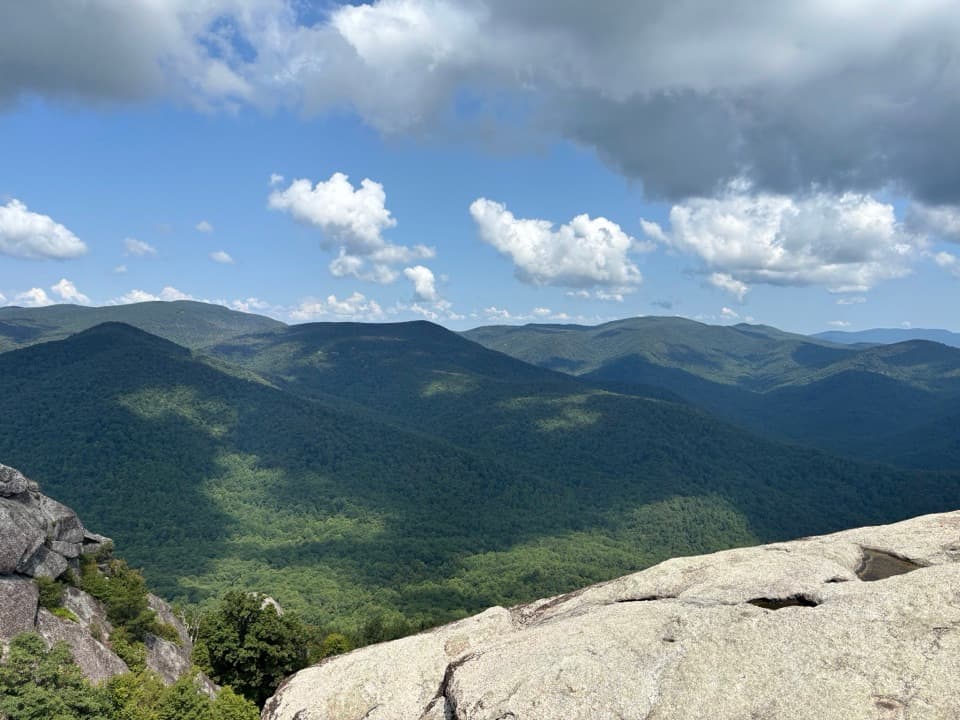
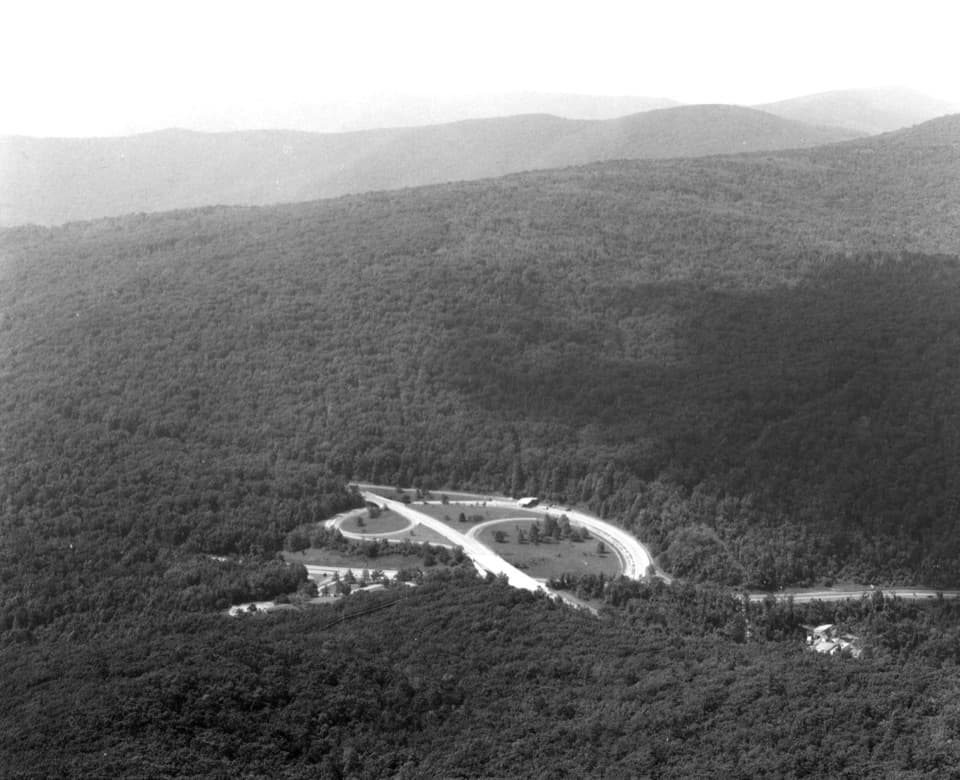
If you like your history with a side of mountain streams, Rapidan Camp delivers. This was President Herbert Hoover’s rustic summer retreat, and the park has restored three original cabins and filled them with period details and interpretive exhibits. It’s quiet, tucked deep in the forest, and feels worlds away from Skyline Drive.

What you’ll see

  • The Brown House (Hoover’s cabin) restored to its 1929–1930s look.
  • Prime Minister’s Cabin with exhibits about the Hoovers, their guests, and camp life.
  • The Creel guest cabin and a compact network of paths, signs, and garden remnants.
  • The Rapidan River headwaters gurgling through pools and small cascades—great ambiance for a snack break.

Getting there

  • Most visitors hike in from Milam Gap (mile 52.8 on Skyline Drive) via the Mill Prong Trail: about 4 miles round trip with roughly 870 feet of descent to the camp—meaning uphill on the way back. Expect several stream crossings on stepping stones and some rocky sections.
  • Want a longer day? Do the 7-mile loop using Mill Prong to the camp, then Laurel Prong and the Appalachian Trail back.
  • Don’t want to hike? Book a ranger-guided van tour in advance from the Harry F. Byrd Visitor Center at Big Meadows. That’s the only vehicle access.
  • Horseback riders can reach the area via Rapidan Fire Road under park rules.

Wildlife and nature

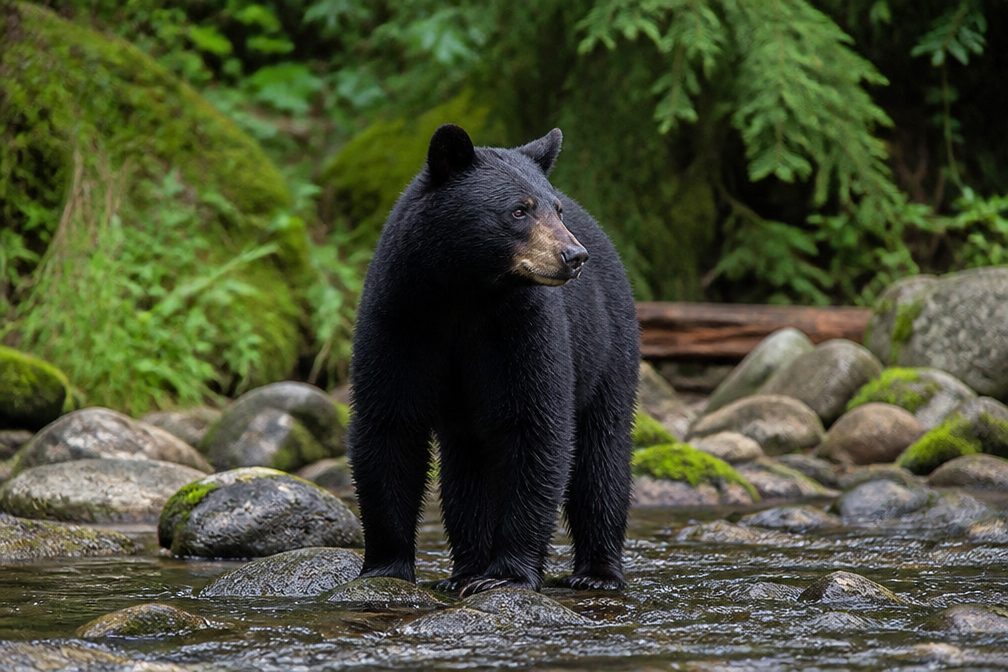
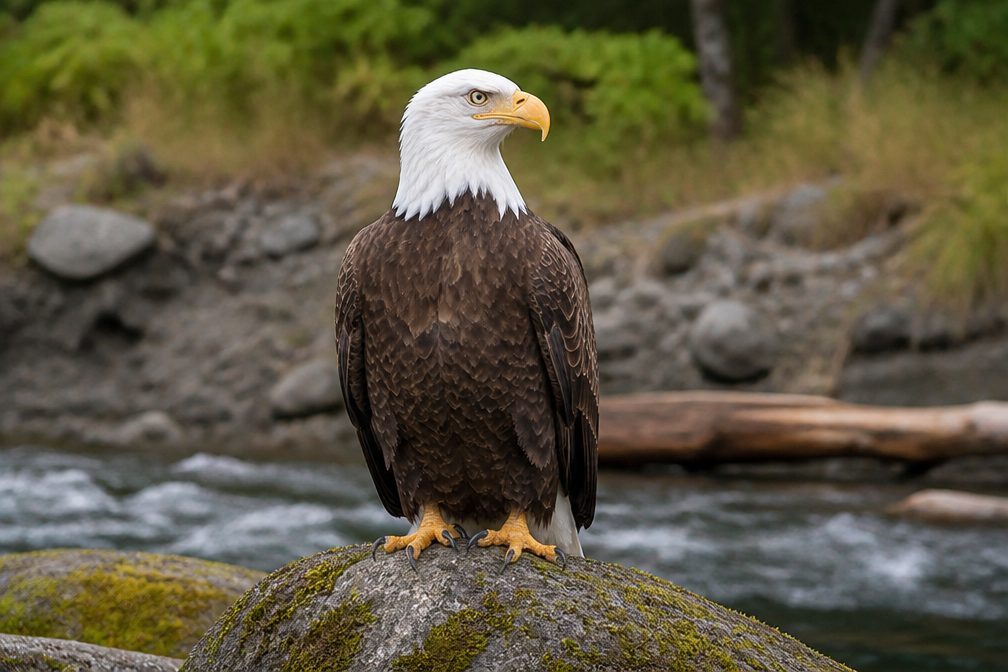
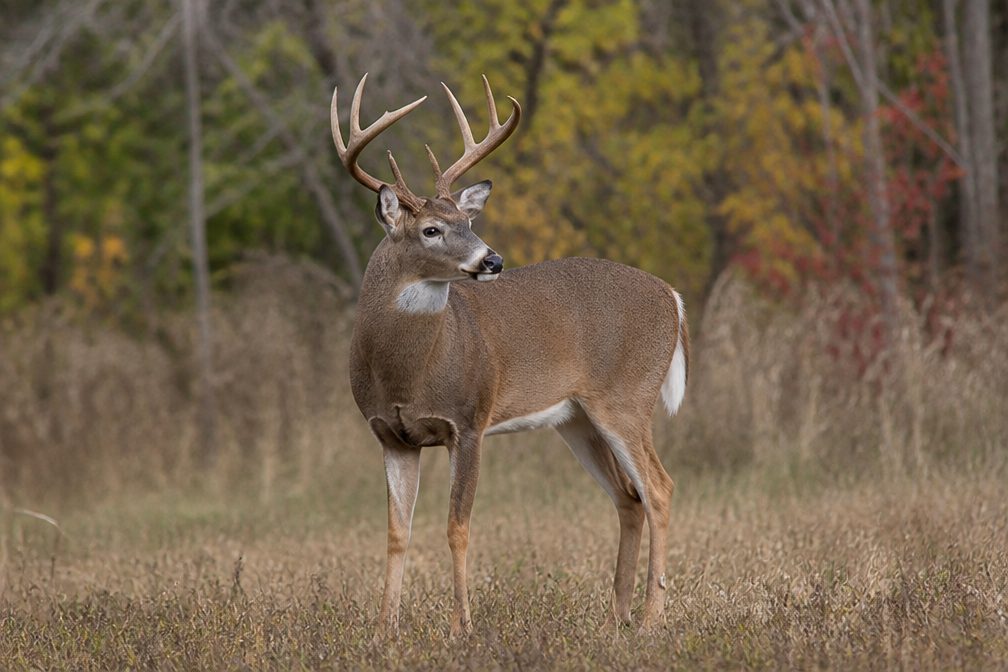
Deer and a wide range of birds frequent the valley, and you might (more rarely) encounter black bears. Spring brings wildflowers like trillium along the prongs. The Rapidan is noted for trout—no surprise Hoover picked it for fishing.

Essentials and limitations

  • Facilities are minimal: a vault/portable toilet, interpretive exhibits, and not much else.
  • No potable water, food, or trash service—pack in what you need and pack it out.
  • No backcountry camping within 0.5 miles of the camp.
  • Cell service is unreliable this deep in the park.

Best time to visit

  • Weekdays and early mornings are the calmest; you may have the site to yourself.
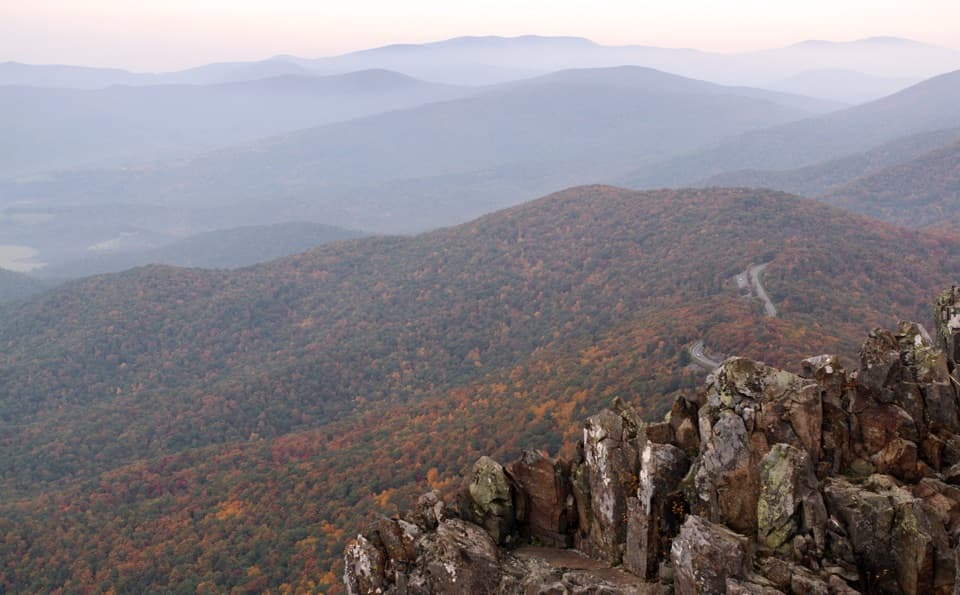
  • Spring for wildflowers and flowing streams; fall for foliage and soft light.
  • Ranger-led van tours can book out in peak seasons—reserve months ahead if that’s your plan.

Is it worth it?

Absolutely—especially if you’re into presidential history or want a quieter, more contemplative corner of the park. The hike is moderate and scenic, the story is compelling, and the setting by the headwaters makes it feel like a secret spot that just happens to have hosted a president.

Pros

  • Restored 1930s presidential cabins with exhibits
  • Peaceful streamside setting reached by a scenic hike
  • Ranger-led van tours available with advance reservations

Cons

  • Requires a hike with stream crossings and an uphill return
  • No food or water on site; facilities are very limited

Tips

  • Book the ranger-led van tour well in advance if you want to skip the hike.
  • Bring all the water and snacks you’ll need—there’s no food or potable water on site.
  • Wear grippy footwear and consider trekking poles for the stream crossings.
  • Download an offline map before you go; cell service is spotty in this valley.
  • Remember the return hike is mostly uphill—budget extra time and energy.
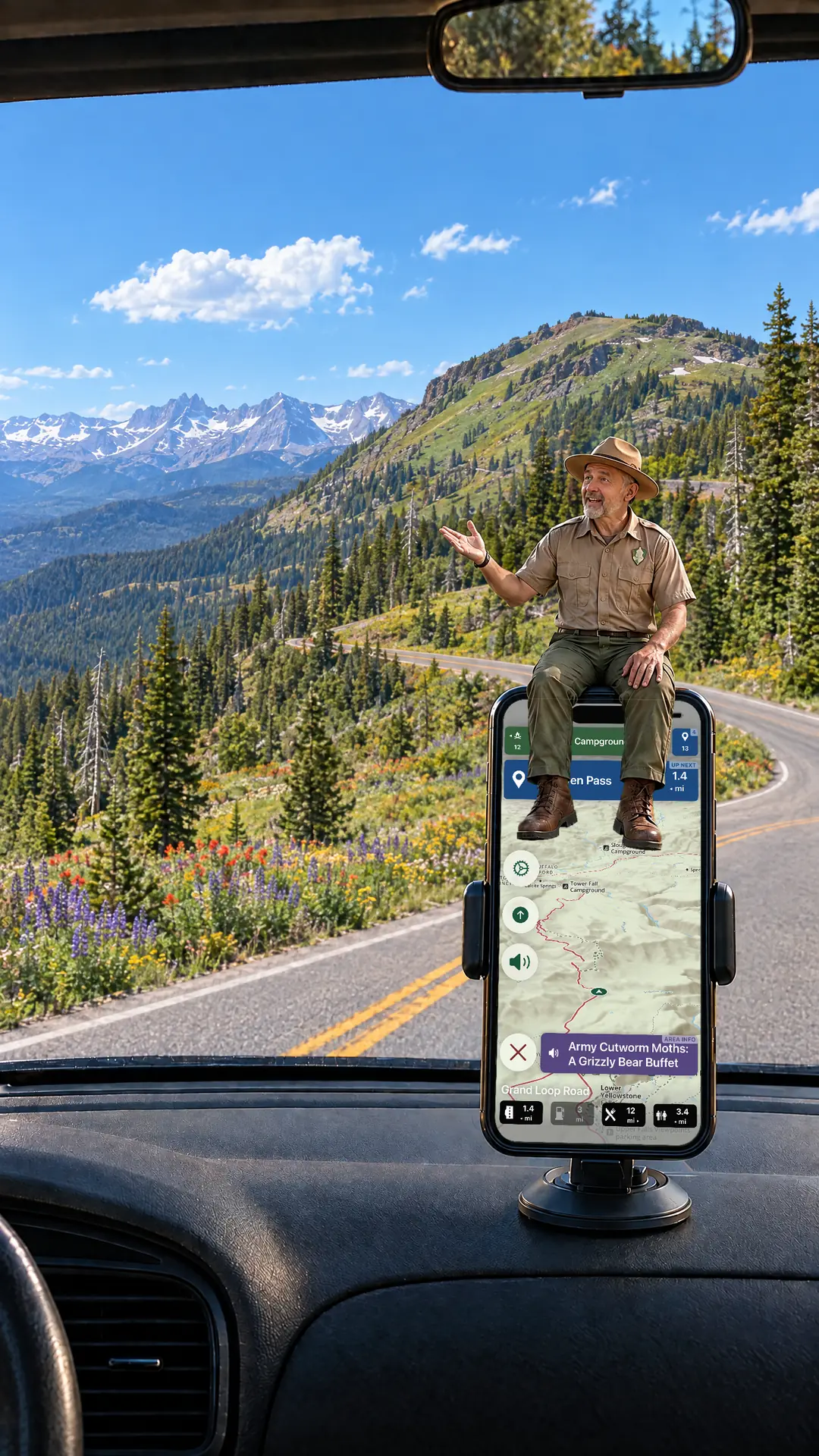
The Parkwolf tour guide sitting on a phone mounted in a car

Parkwolf Tour Guide

Like a tour guide in your car.

Save the places you found around Shenandoah, then let Parkwolf guide the drive between them.Download Parkwolf on the App Store