Place · 1 mi away

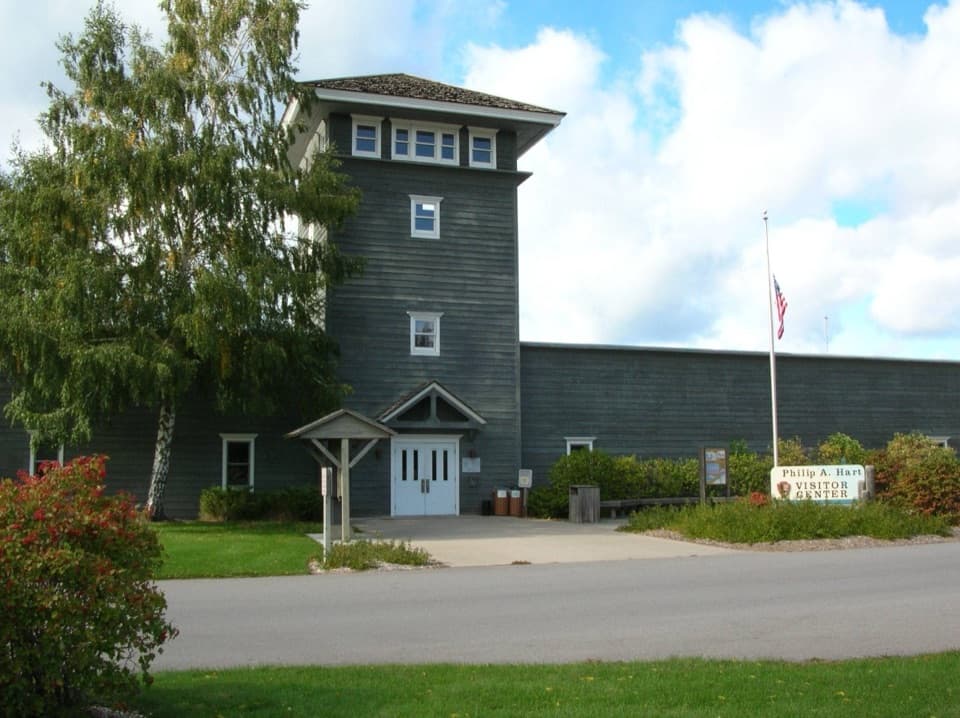
This is the park’s nerve center in Empire—your smartest first stop. You’ll find clear trip-planning guidance, engaging exhibits on the dunes’ nature and history, and a helpful staff that’ll steer you to the right hikes, overlooks, and beaches for your day.
Rangers and volunteers are on hand year-round to answer questions and offer up-to-the-minute advice on trail conditions, weather, and what’s best for your interests. You can pick up brochures, maps, and entrance passes here and avoid fumbling for info at trailheads later.
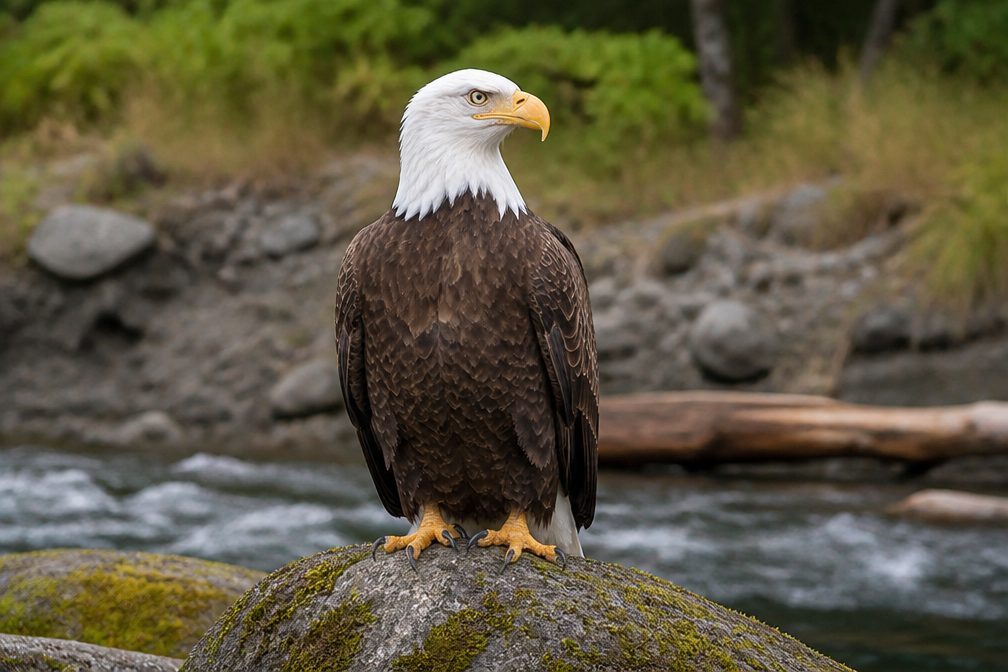
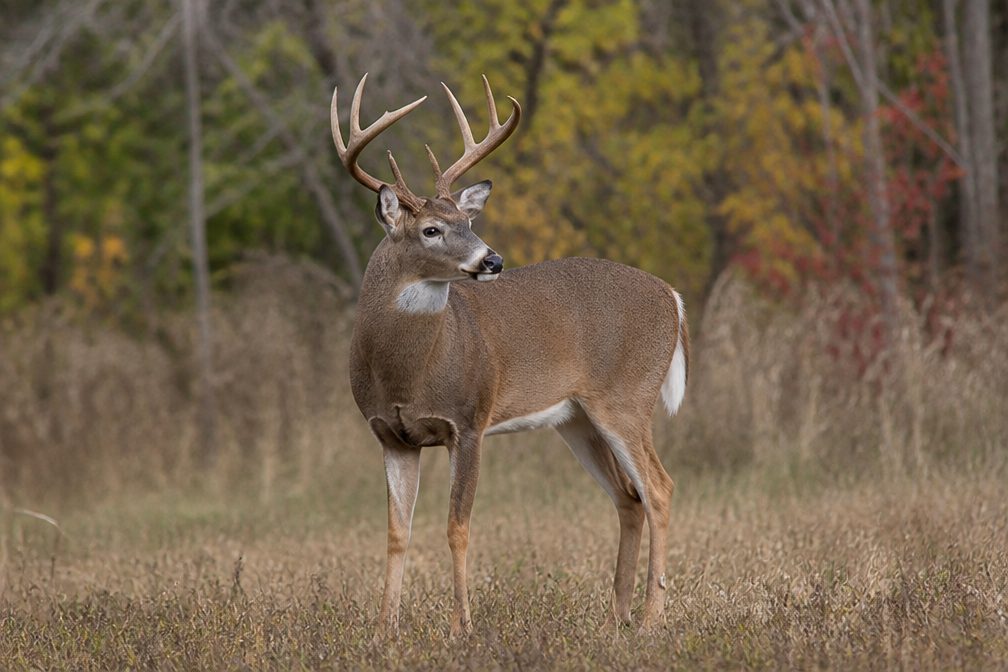
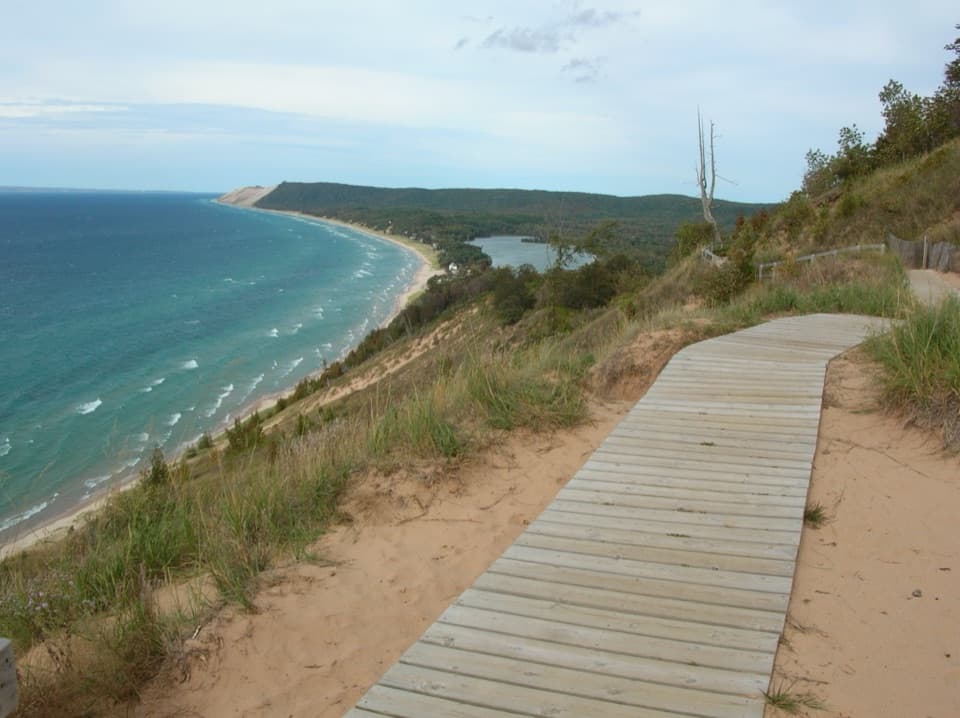
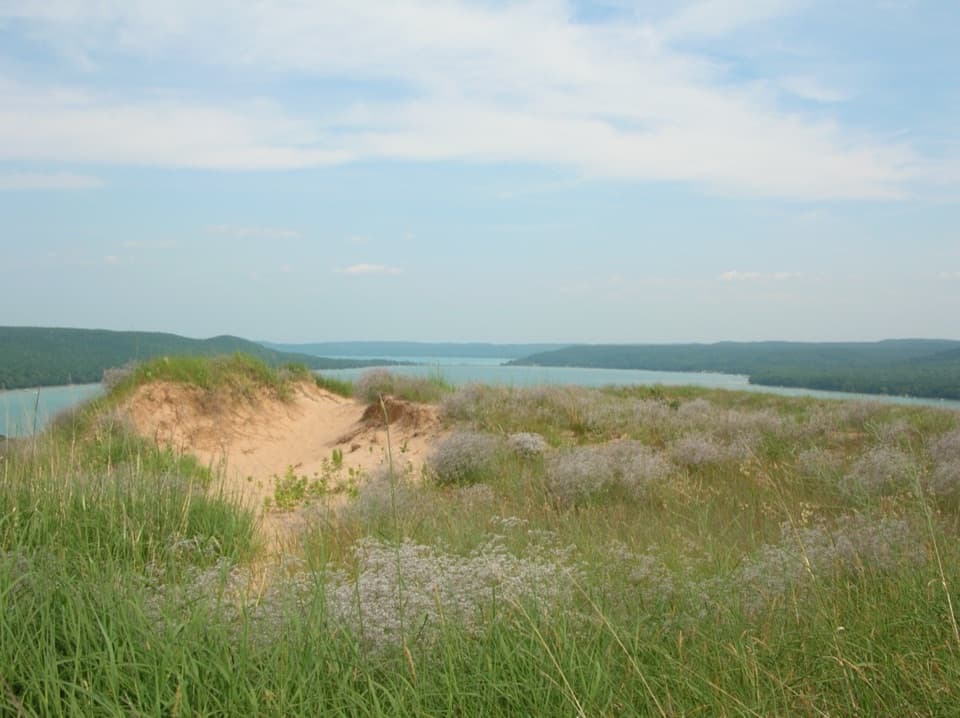
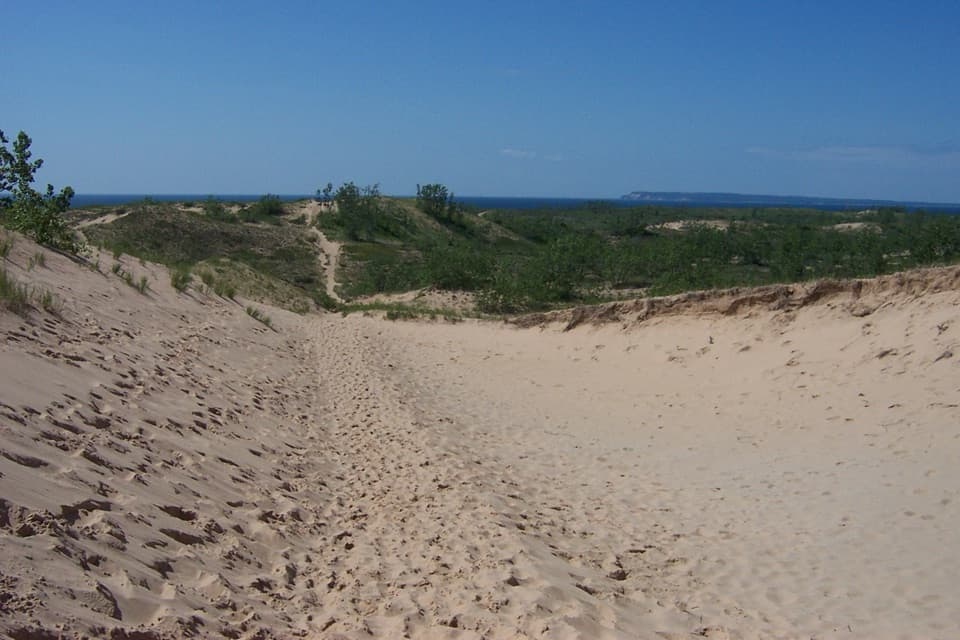
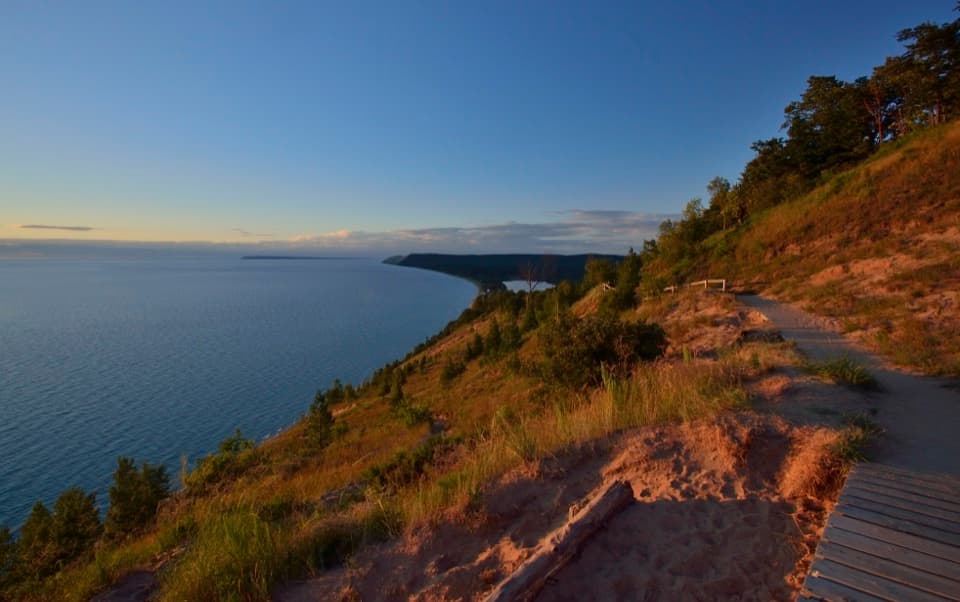
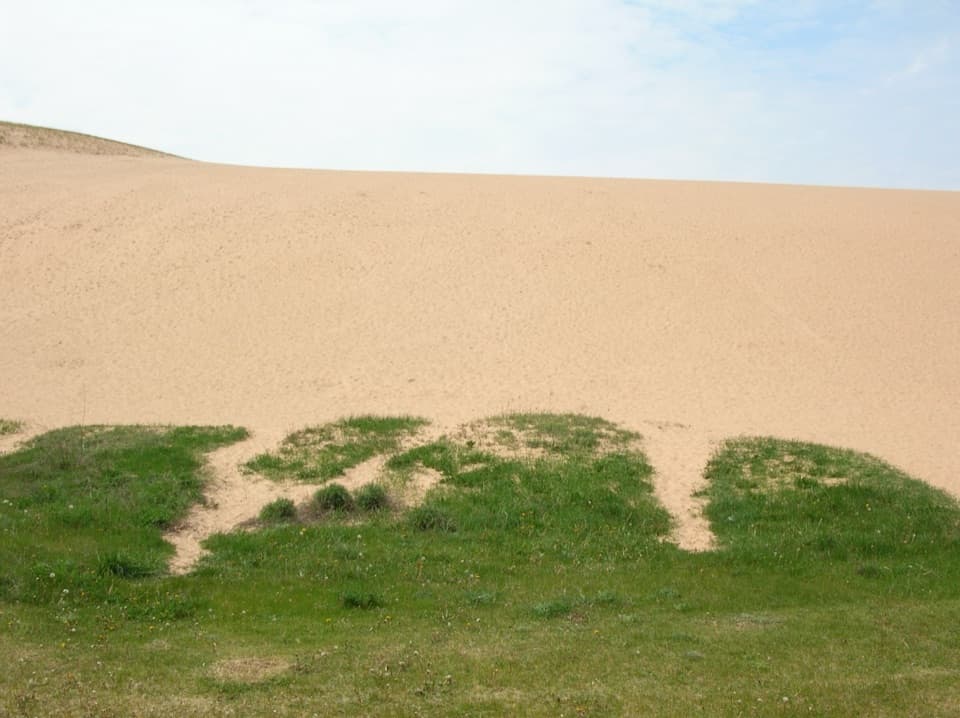
The exhibits spotlight the lakeshore’s wildlife—think bald eagles, piping plovers, deer, foxes—and unpack how glaciers and wind built these towering dunes. It’s a quick primer that makes what you’ll see outside much more meaningful.
Expect modern restrooms, potable water with a bottle-filling station, WiFi, picnic tables, seating, and an auditorium/theater space. There’s ample parking for cars and even buses/RVs. No food service here—plan snacks or meals in the village.
Hours are generally 9 am–4 pm and it’s open year-round (closed Thanksgiving, Christmas, and New Year’s Day). It’s busiest late morning to early afternoon, especially on weekends. Aim for opening (9–10 am) or after 3 pm for easier parking and quicker chats with rangers. Most people spend up to 30 minutes here—an hour if you watch the film and browse exhibits.
Named for U.S. Senator Philip A. Hart, whose work helped create the national lakeshore, the center doubles as a quick course in how this landscape came to be and why it’s protected today.