Overview
About Whariwharangi Hut
Why stop
- A historic farmhouse gives this hut more character than a standard bunk stop.
Heads up
- The approach from Wainui takes about two hours on foot each way.
Map
Where it is
The highest, rockiest slopes around here are a summer buffet for grizzly bears.
Abel Tasman Tour Guide
Your drive to Whariwharangi Hut, narrated.
Parkwolf is a GPS audio tour guide for Abel Tasman National Park. As you drive, it chimes in with what’s ahead: hidden gems, upcoming stops, history, geology, and wildlife, right through your car’s speakers.
Recorded for this area
Wainui Bay Coast Track Entrance“Wainui Bay's Coast Track entrance is coming up. The walk to Whariwharangi Bay takes about four hours return, with a climb over a saddle each way, so save it for a proper half-day outing.”
Plays on the road 2.9 km from Whariwharangi Hut in the Parkwolf Abel Tasman Tour Guide.
More stories near here in the app
- A Snail That Hunts Worms
- Tōtaranui Beach and Campground
- Protection Beneath the Water
- Pigeon Saddle and Awapoto Hut
- 23 audio storiesacross Abel Tasman’s roads, triggered by GPS as you drive
- Wildlife heatmapsfor Kea, New Zealand Fur Seal, Little Penguin, and 13 more
- Works offlinemaps, 43 trails, 65 places, and audio download before you lose signal
- CarPlay readysimple controls built for the drive
“Fantastic app with many points of information… It’s great to just turn on while you’re driving and it gives you an audio tour of the national Park. We love it!!!!”


Guide
More about Whariwharangi Hut
A farmhouse at the end of the Coast TrackWhariwharangi Hut is the northernmost Great Walk hut on the Abel Tasman Coast Track: a…
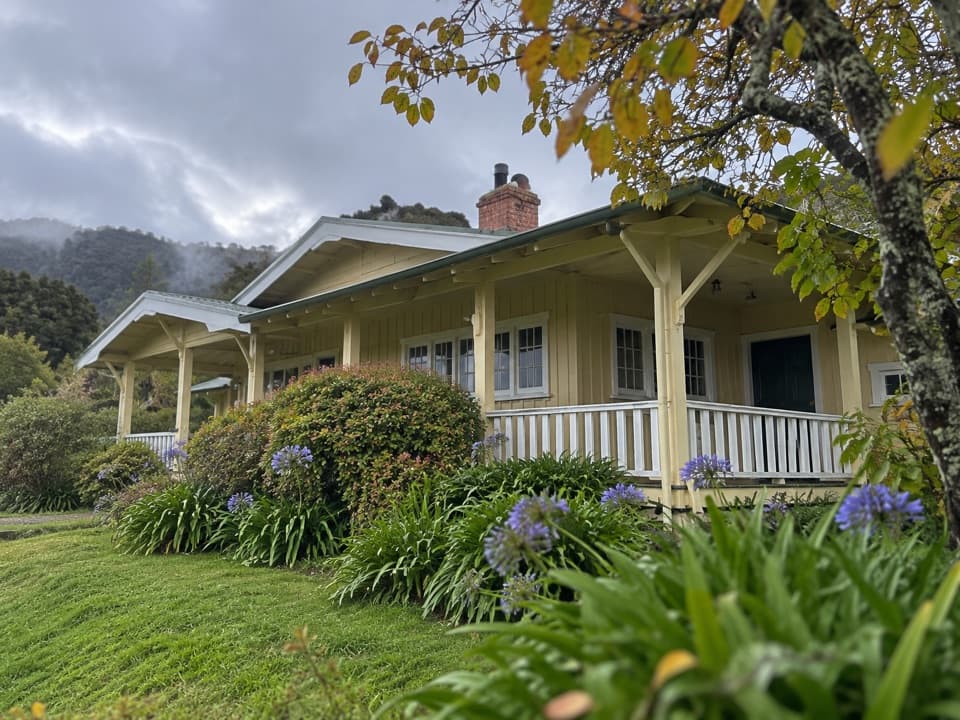
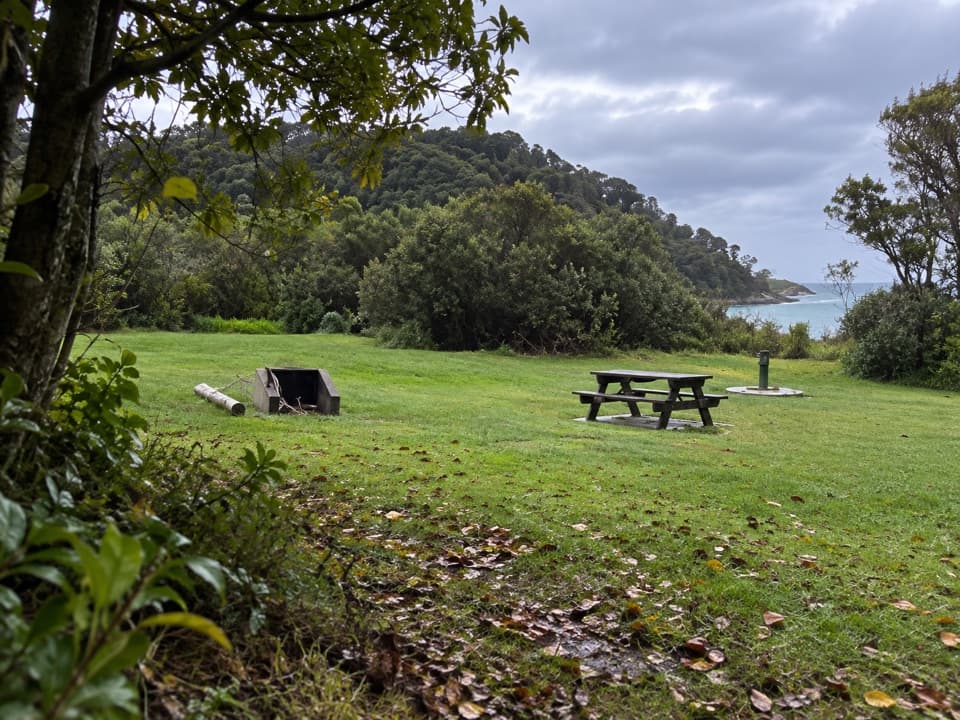
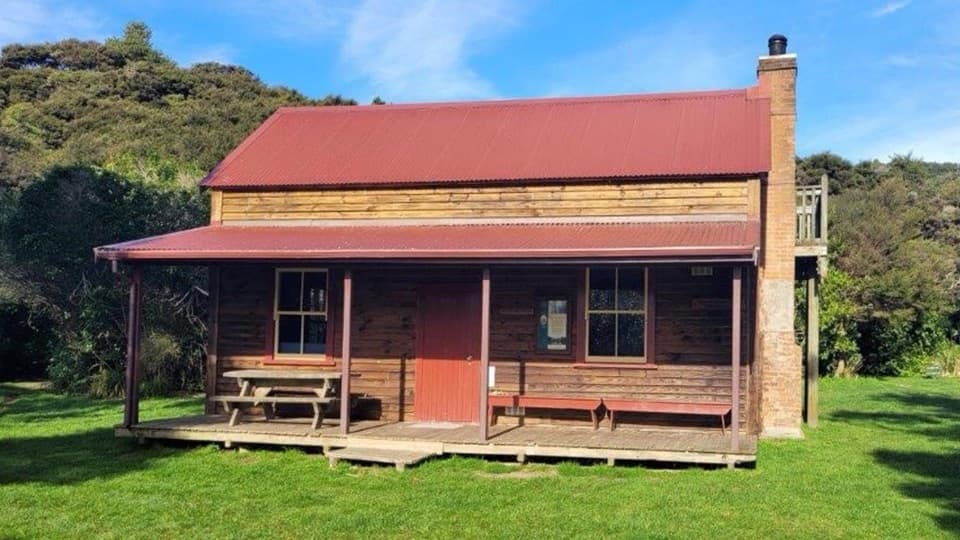
Whariwharangi Hut is the northernmost Great Walk hut on the Abel Tasman Coast Track: a restored, one-and-a-half-storey timber farmhouse in a grassy clearing near Whariwharangi Bay. With 20 bunks, it makes most sense as an overnight on the track, or a long walk for the old homestead and beach. From Wainui car park, allow about 5.7 km and two hours on foot each way; from Tōtaranui via Gibbs Hill Track, it is about 9 km and three hours. Book ahead: huts and campsites on the Coast Track require separate reservations year-round.
Plan for a simple hut nightThe ground floor has a bunkroom, a storage room and a large shared room; two smaller bunkrooms…
The ground floor has a bunkroom, a storage room and a large shared room; two smaller bunkrooms are upstairs. There is no gas cooking or installed lighting, so bring a portable stove and fuel, plus candles. The water supply is untreated; treat it before drinking. A wood fire and the old farmhouse layout give the shared space a cozier feel than a standard bunk hut. The nearby campsite is a separate booking, and its campers cannot use the hut facilities.
An old farmhouse in the bushJohn Handcock built the house around 1896 and lived in the valley with his family for 15 years.
John Handcock built the house around 1896 and lived in the valley with his family for 15 years. The last residents left in 1926, but farming continued until 1972. In 1980 the Abel Tasman Park Board restored and significantly altered the homestead for tramping use. Inside, the built-in staircase and timber wall panelling are among the details that survived from the house's earlier life.
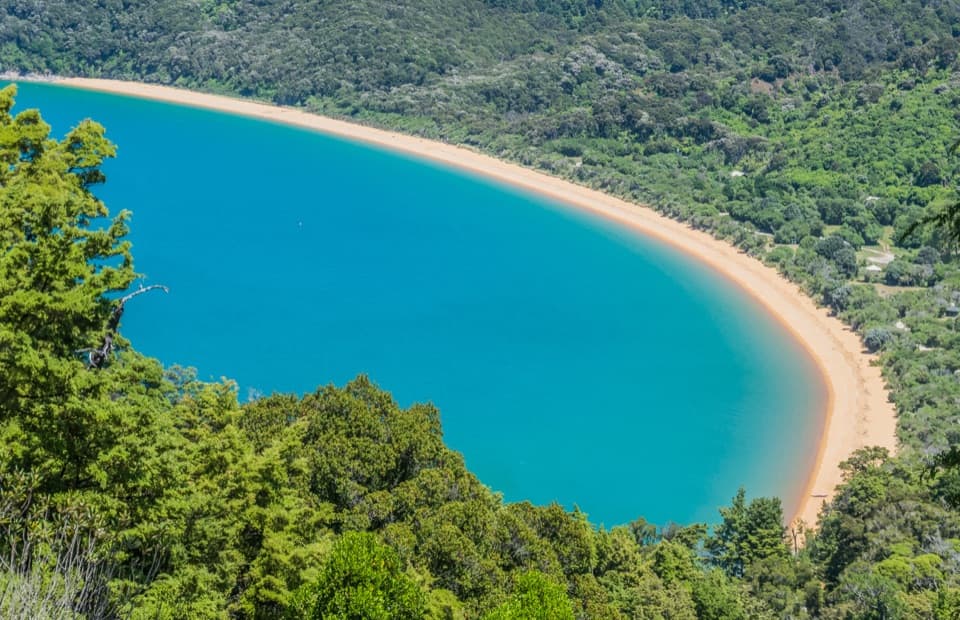
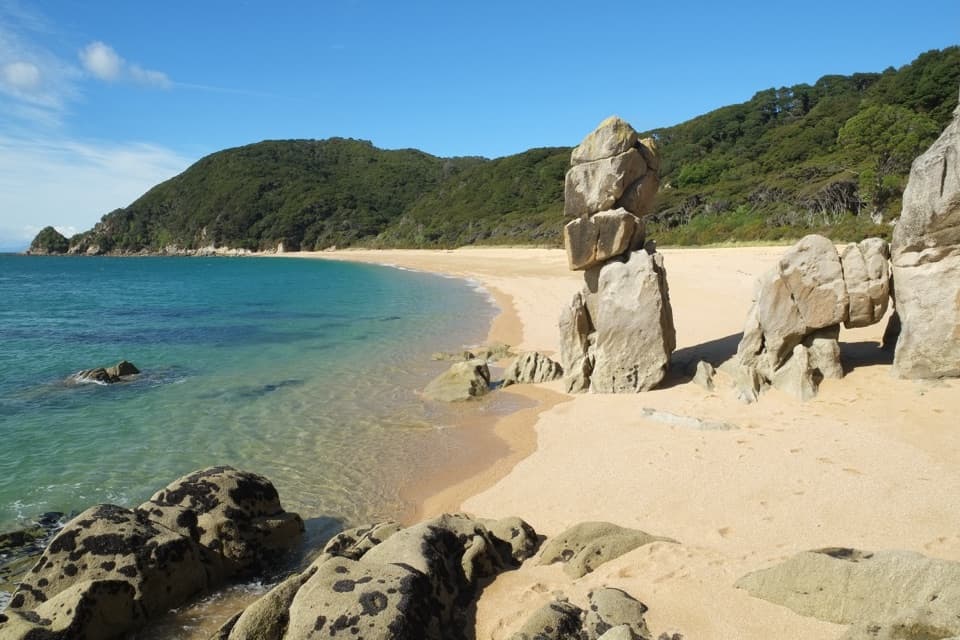
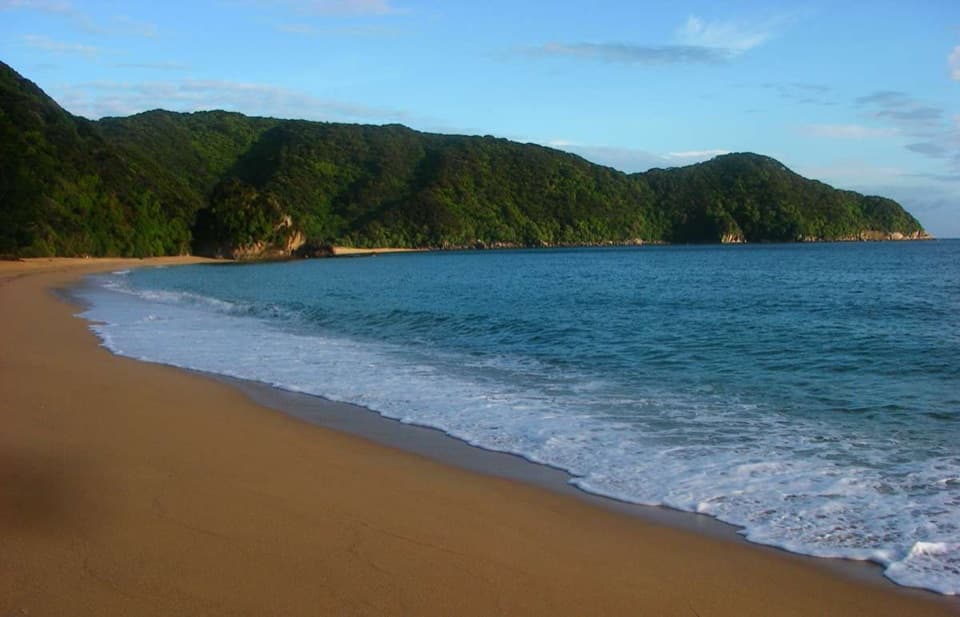
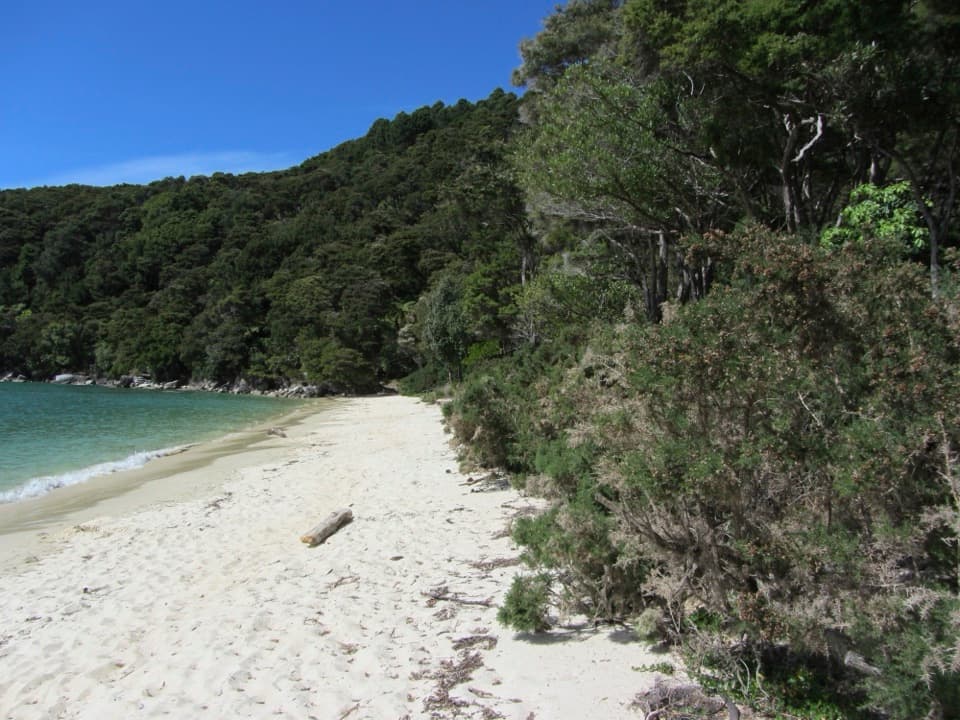
Walk over to the bayWhariwharangi Bay's roughly one-kilometre beach is a short walk from the hut, with views across…
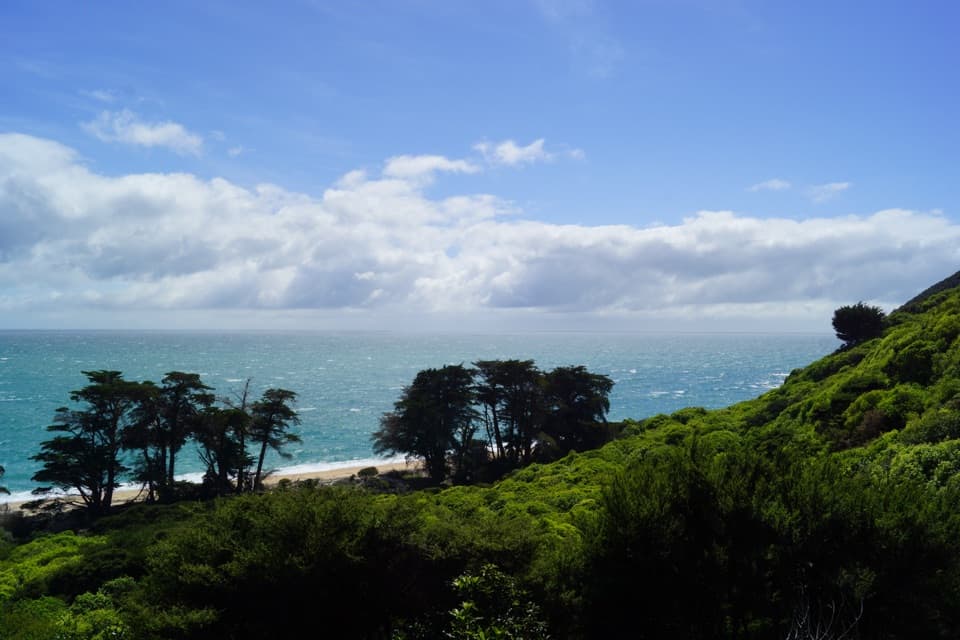
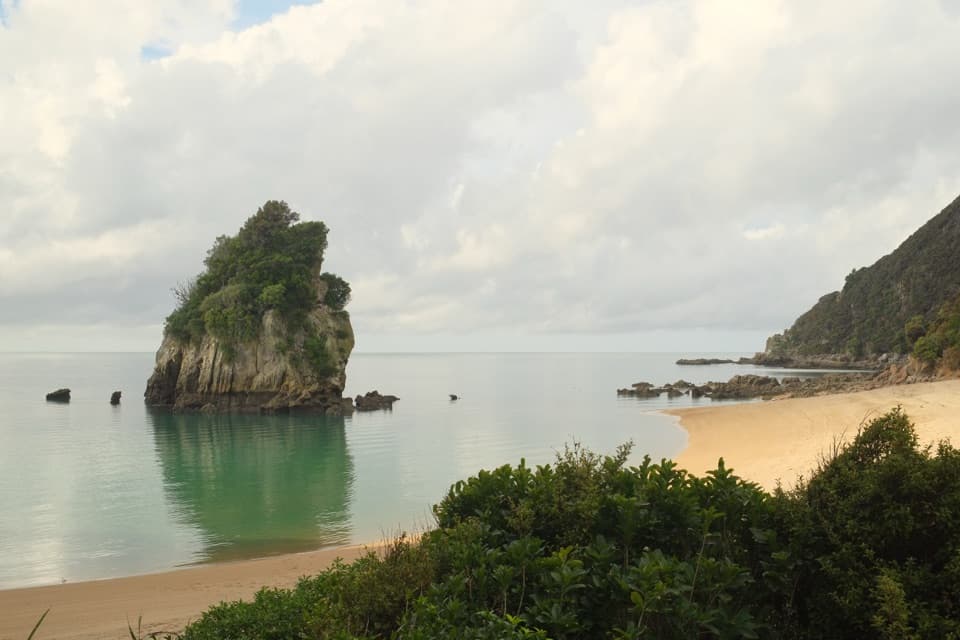
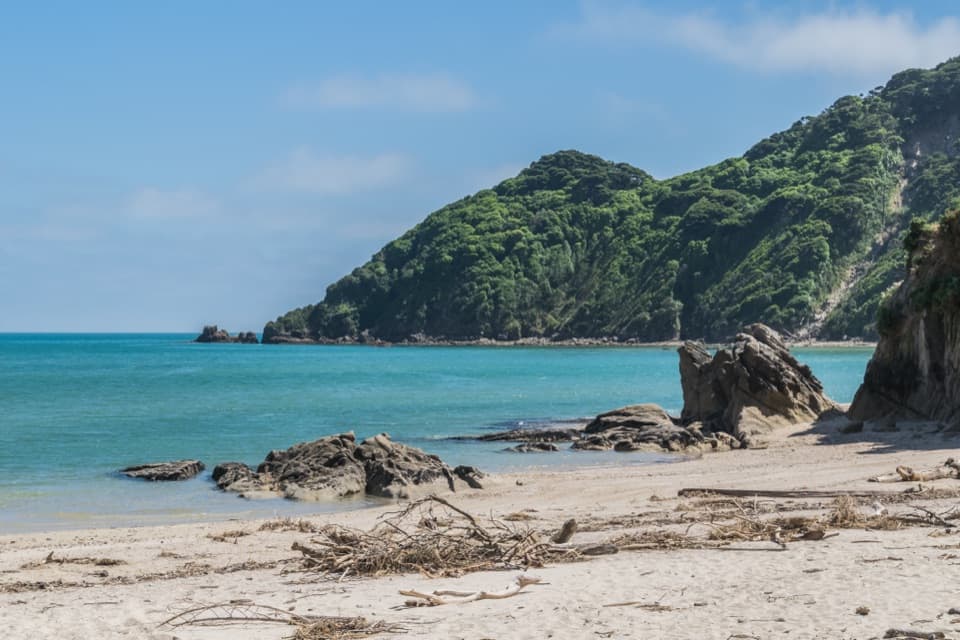
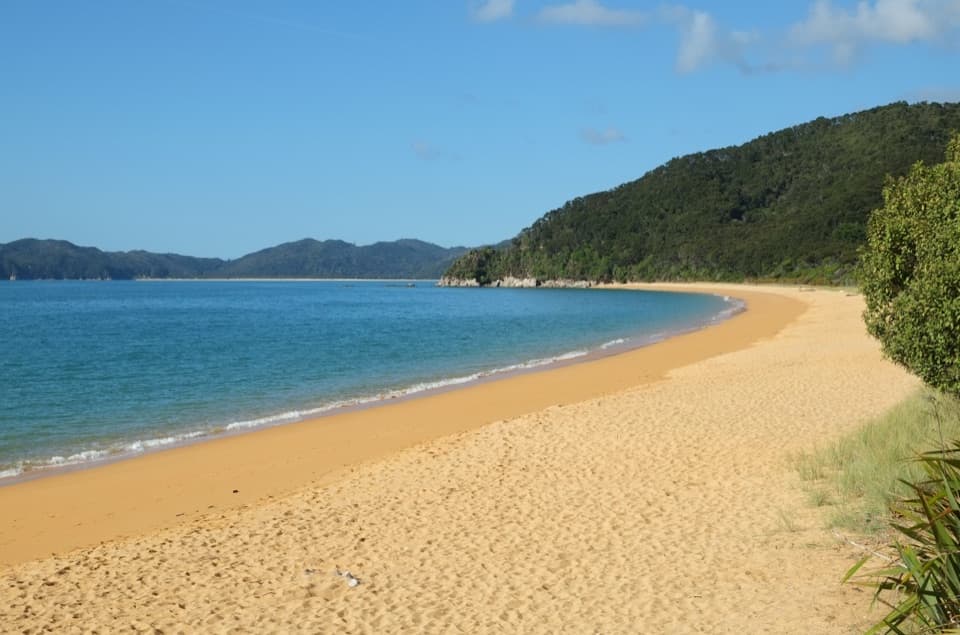
Whariwharangi Bay's roughly one-kilometre beach is a short walk from the hut, with views across Golden Bay toward Farewell Spit. For a photo of the building, step back into the clearing and include the full veranda, red roof and brick chimney; a tight crop loses the farmhouse scale.
Wildlife
Wildlife in Abel Tasman
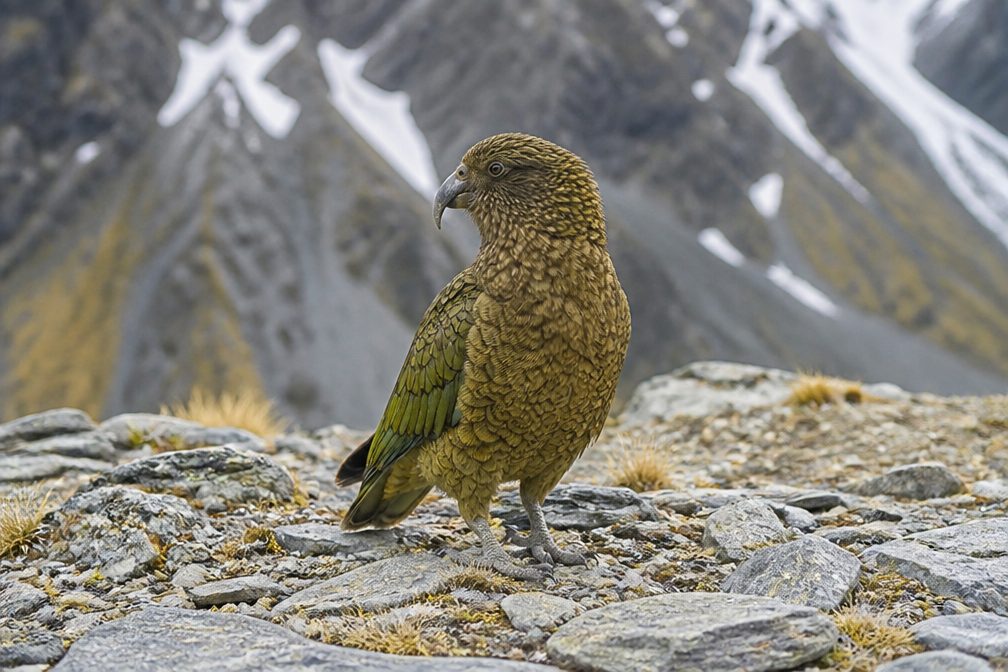 10 sightingsKeaMost seen around 10 AMSighting map
 54 sightingsNew Zealand Fur SealMost seen around 10 AMSighting map
 20 sightingsLittle PenguinMost seen around 9 PMSighting map
 21 sightingsSouth Island KākāMost seen around 5 PMSighting map
 526 sightingsWekaMost seen around 9 AMSighting map
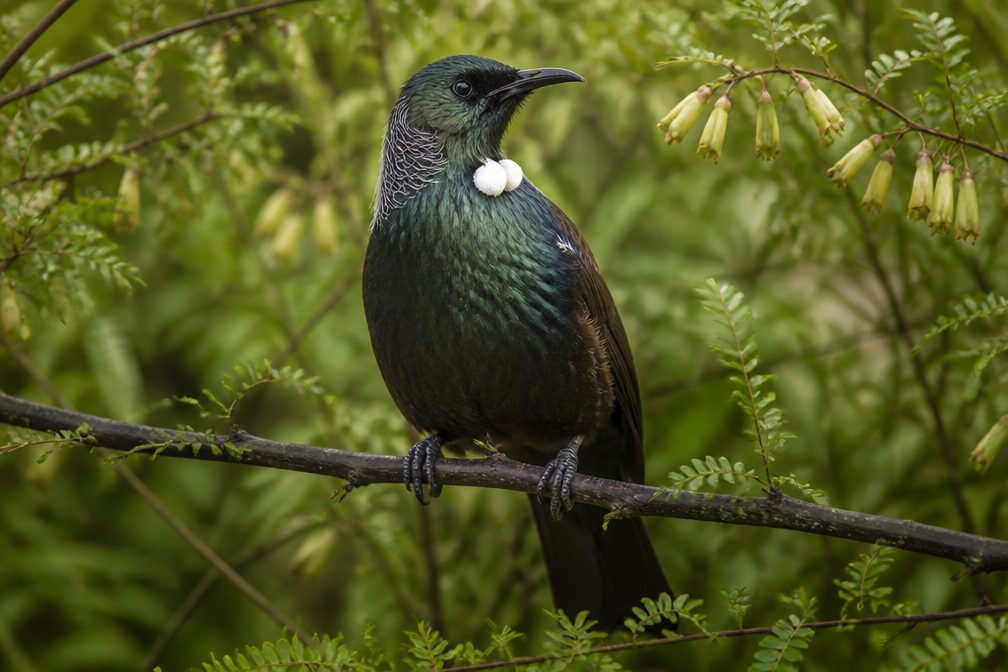 16 sightingsTūīMost seen around 7 AMSighting map
Sighting maps show where each species has been reported across Abel Tasman. Wildlife moves, so no sighting is guaranteed.