Place · 0.2 mi away

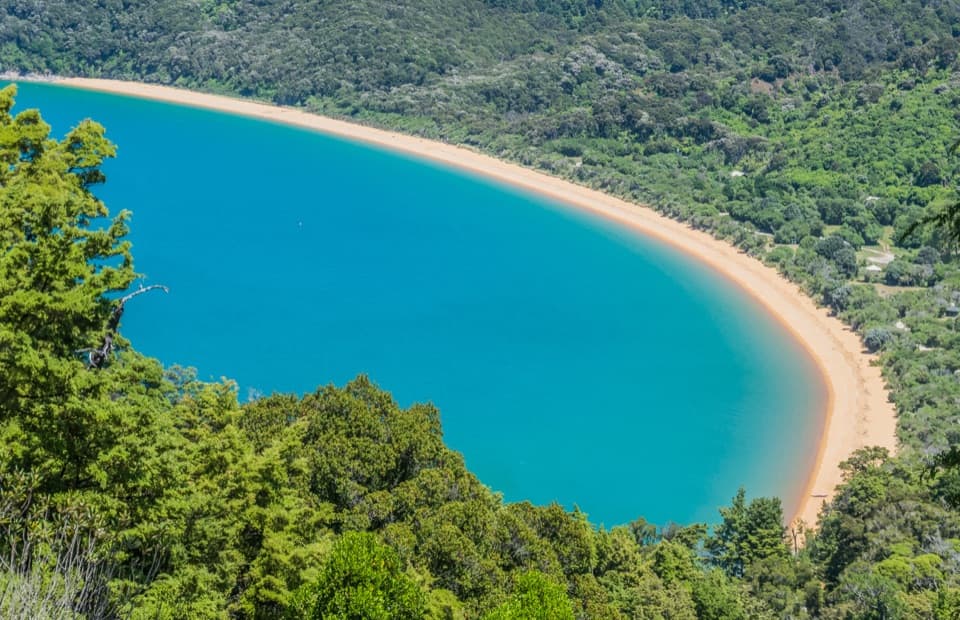
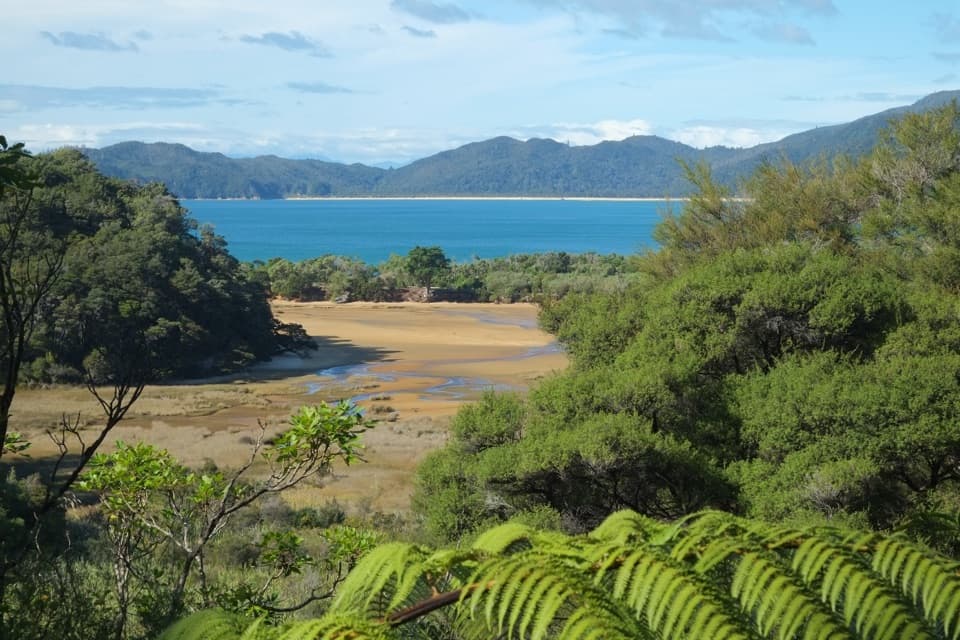
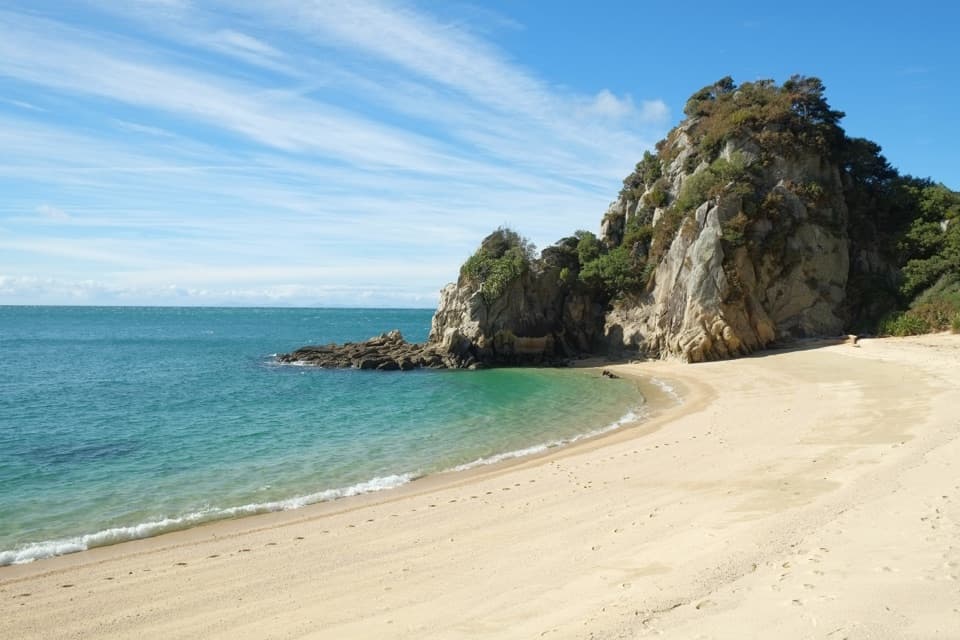
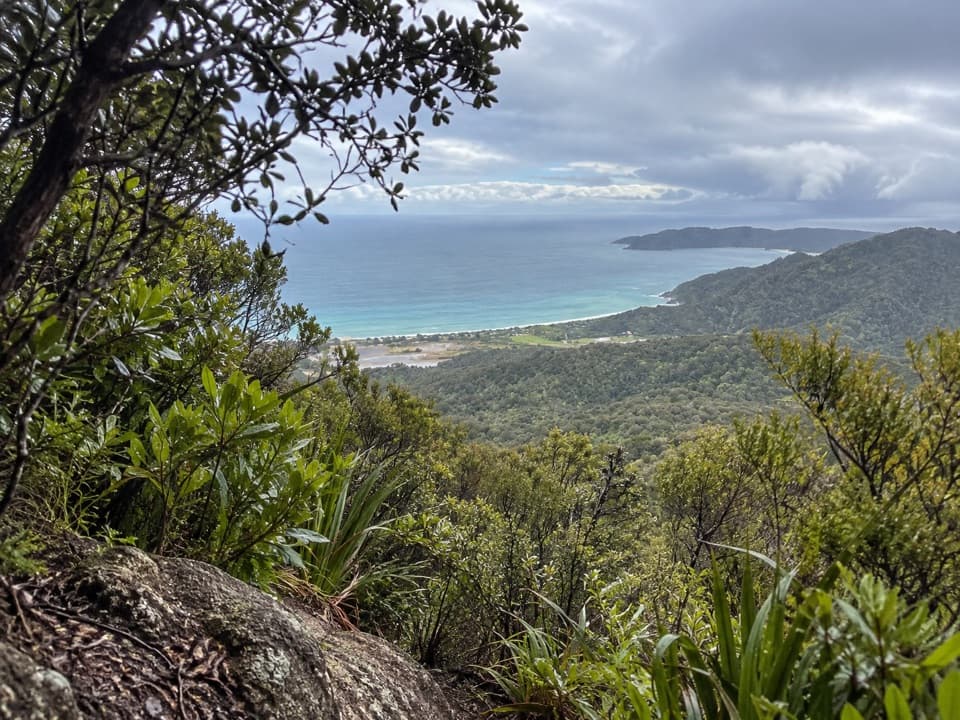
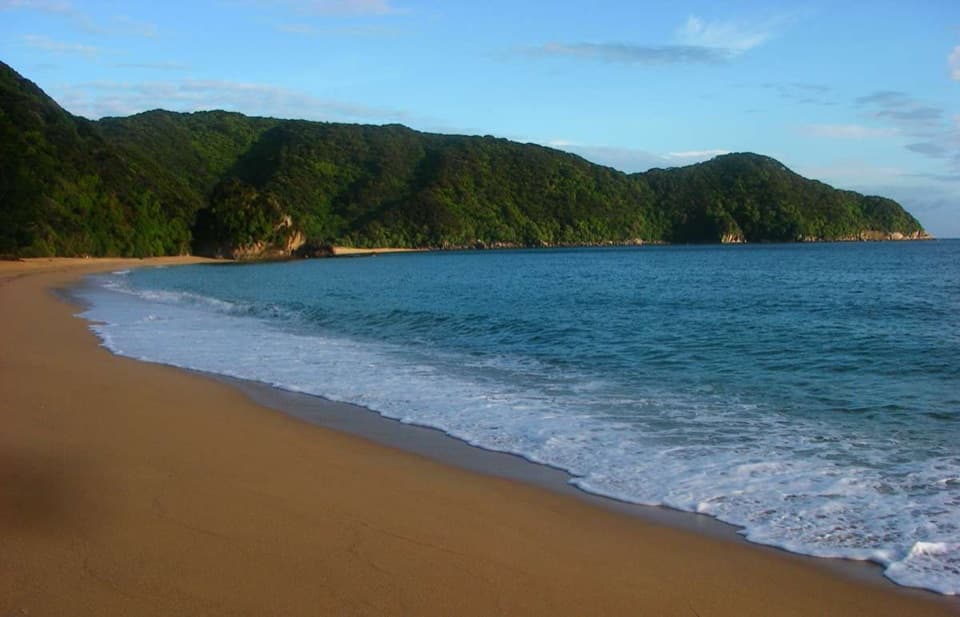
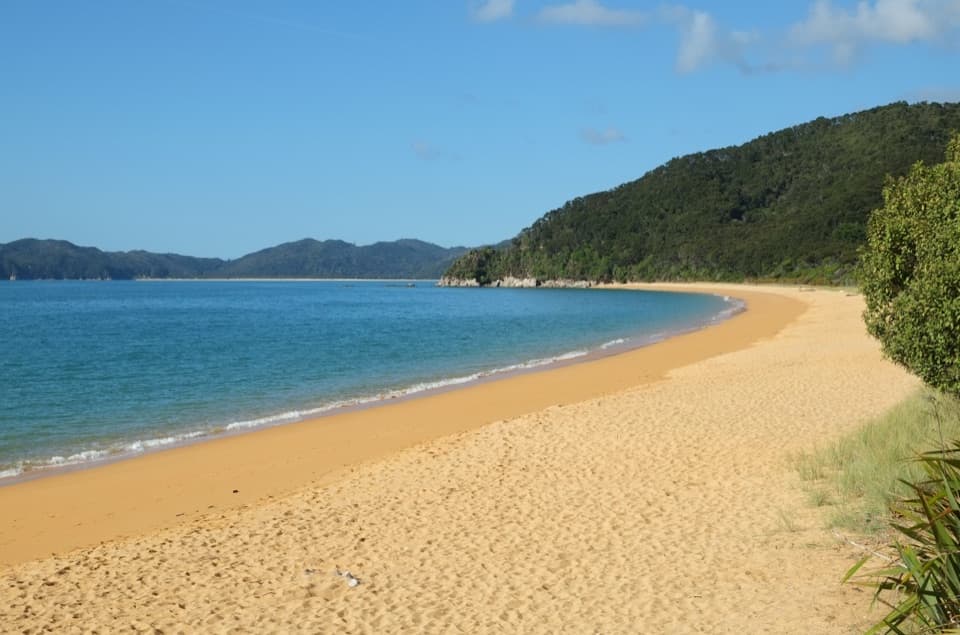
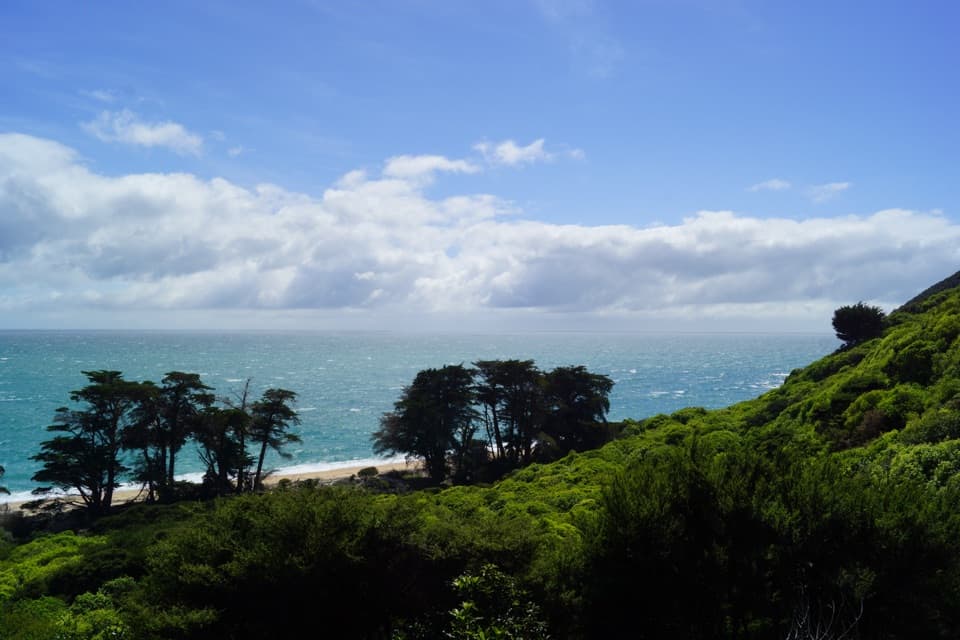
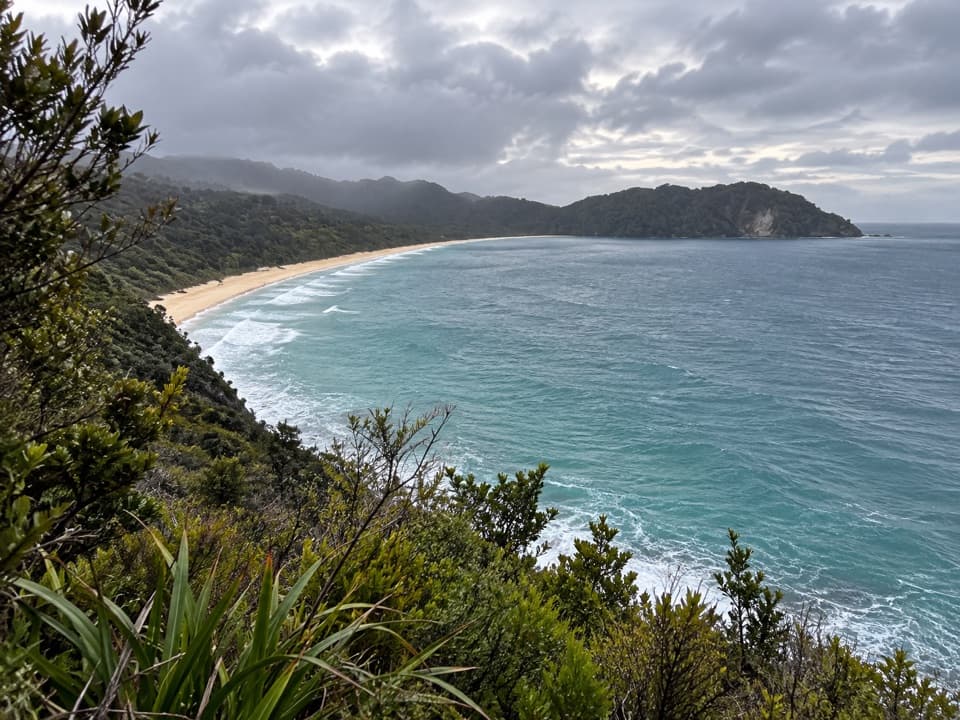
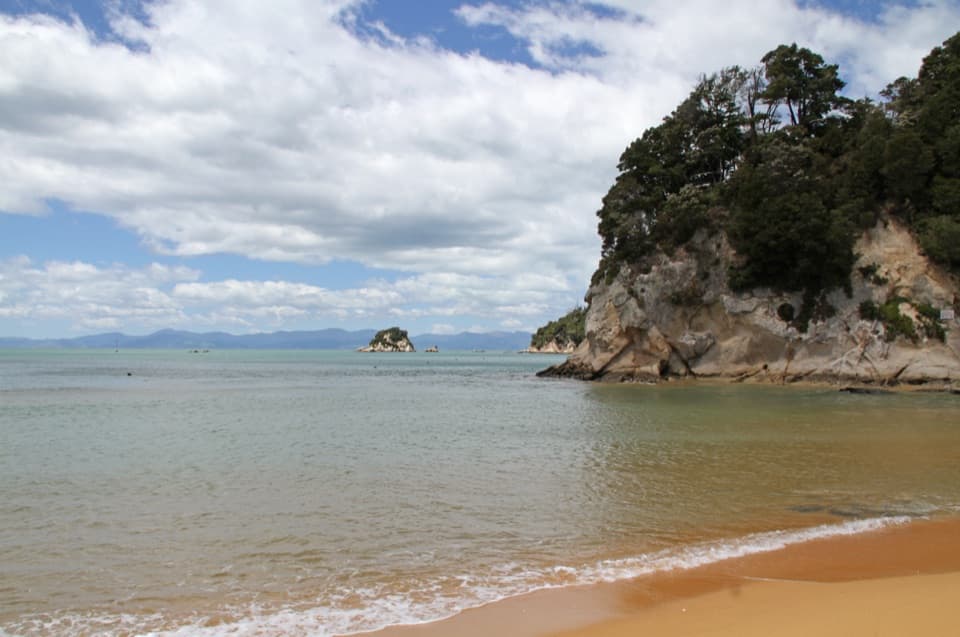
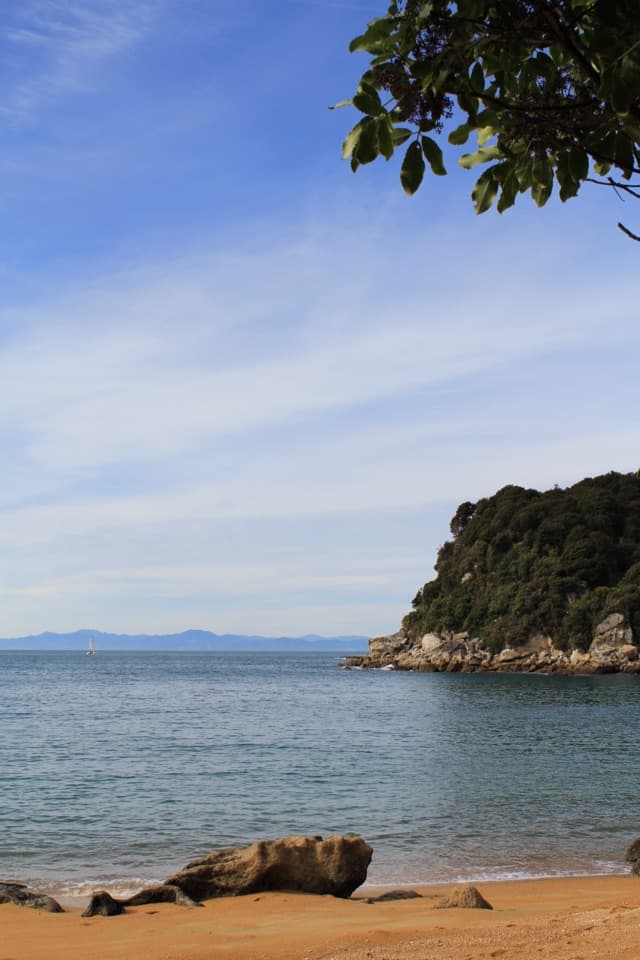
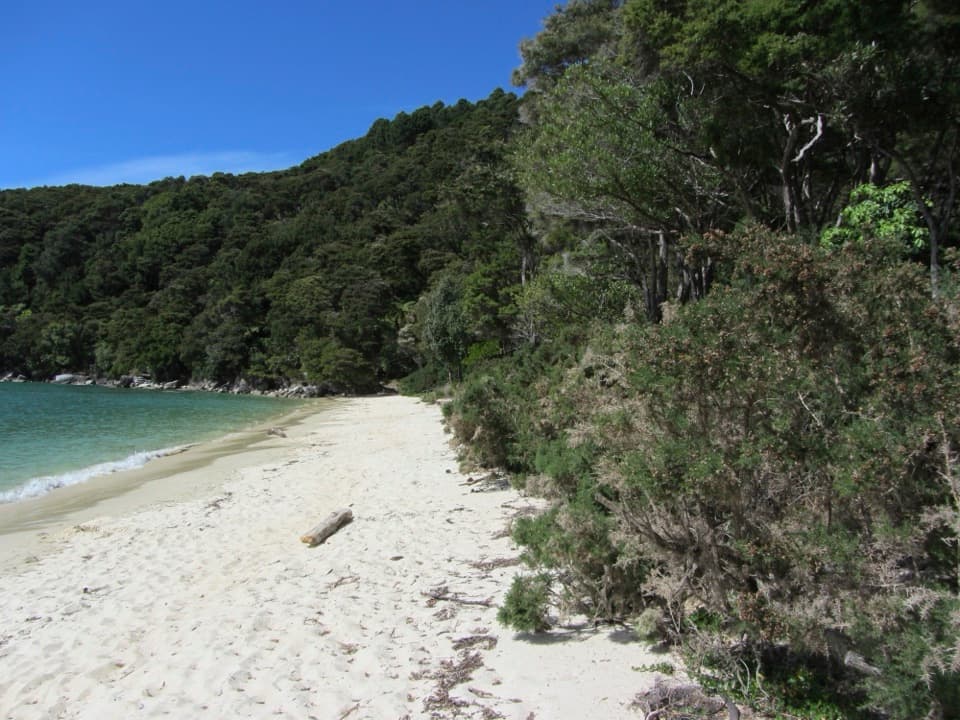
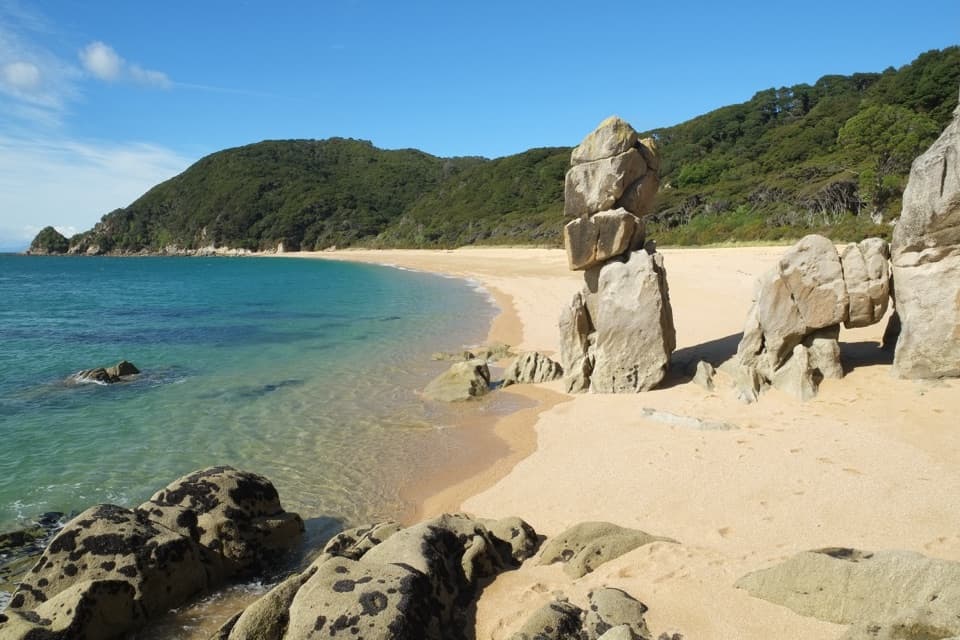
Anapai Bay is one of the park’s quiet golden arcs, split by rocky headlands that create a sheltered, kid‑friendly lagoon at lower tides. North of Tōtaranui it feels far less busy than the southern coast, so you often get long swathes of sand and birdsong all to yourself.
Most people walk from Tōtaranui on the Abel Tasman Coast Track: about 3–3.5 km each way (roughly 1–1.5 hours one way) on easy, well‑formed trail. There’s no road to the bay itself—access is on foot or by boat. Scheduled water taxis typically go as far as Tōtaranui; beyond that you walk. Reaching Tōtaranui by car includes a narrow, winding unsealed final stretch, so allow extra time.
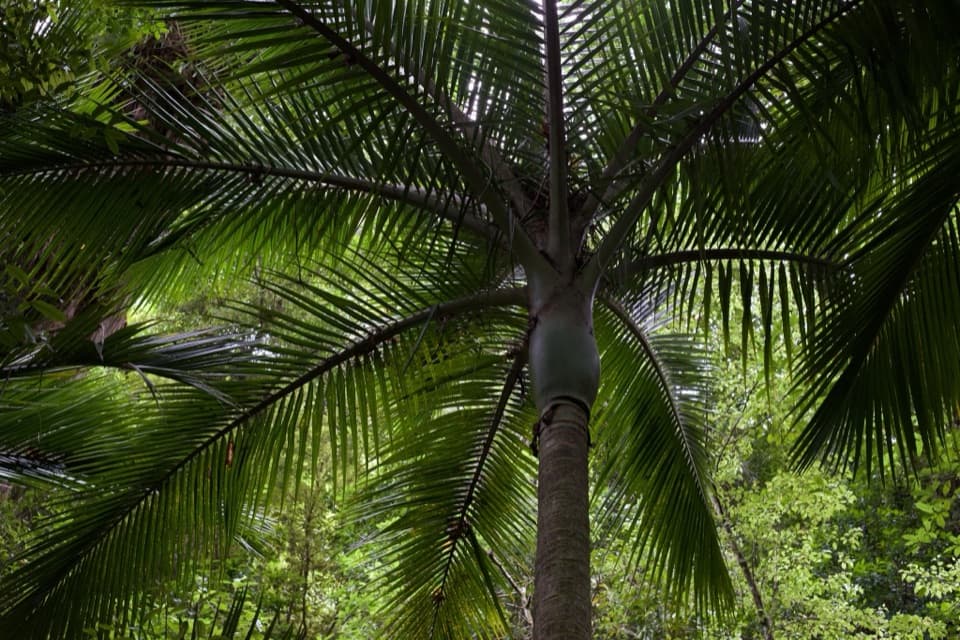
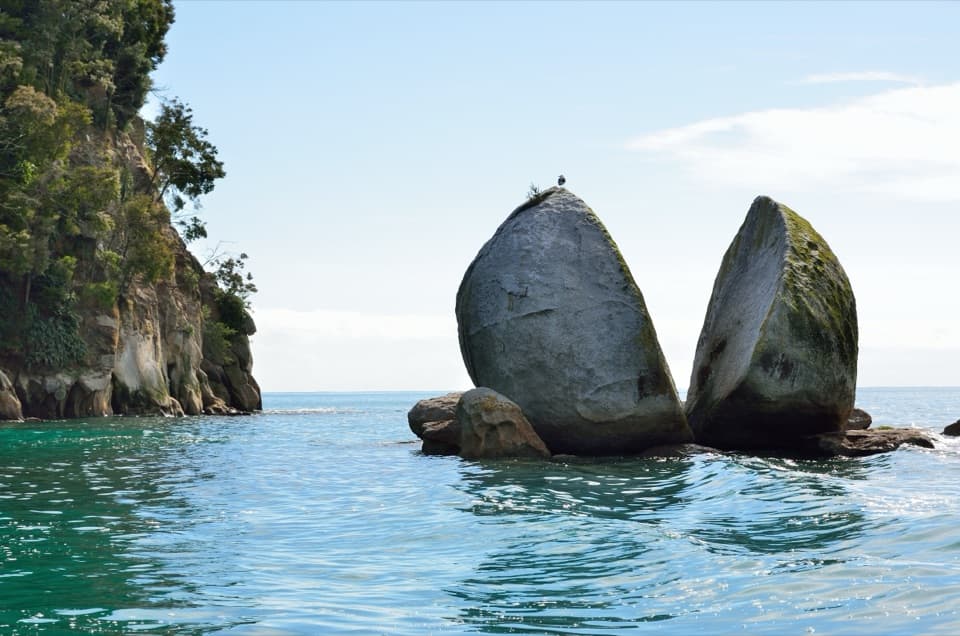
Look for striking contrasts in the headlands: harder rock to the north and more deeply weathered granite to the south. The sand’s trademark golden hue comes from weathered Separation Point Granite, which produces coarse, quartz‑rich grains. The approach dips from dry kānuka on ridges into lush valley forest before opening to the beach.
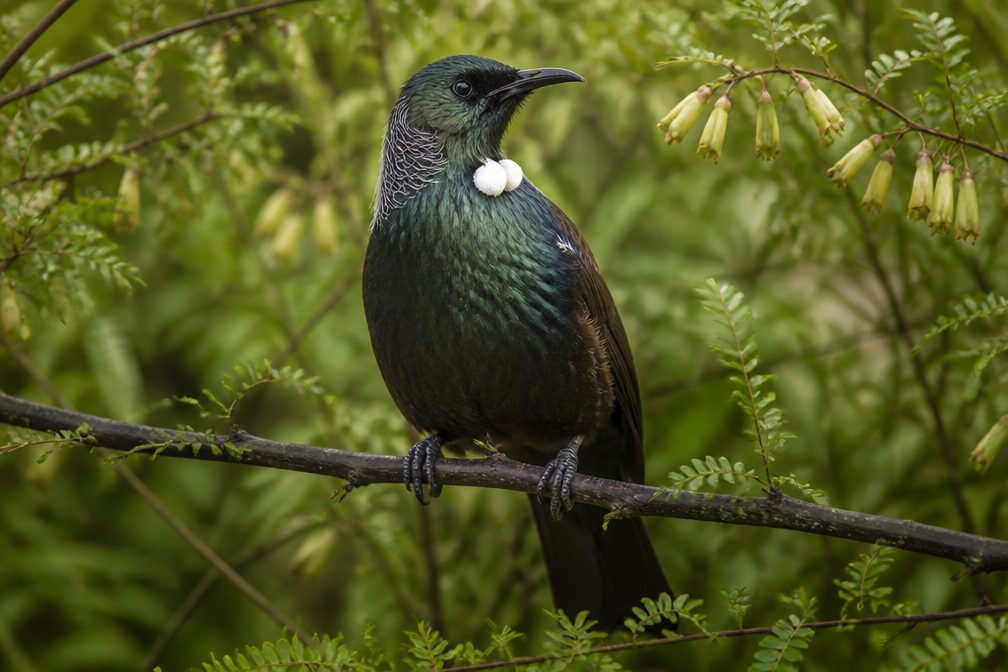
Keep an eye out for New Zealand fur seals along the coast and the occasional passing dolphins offshore. On land and shore you may see weka, tūī, bellbird, fantail, dotterels, and shags/cormorants. Give seals extra space during the October–January breeding period.
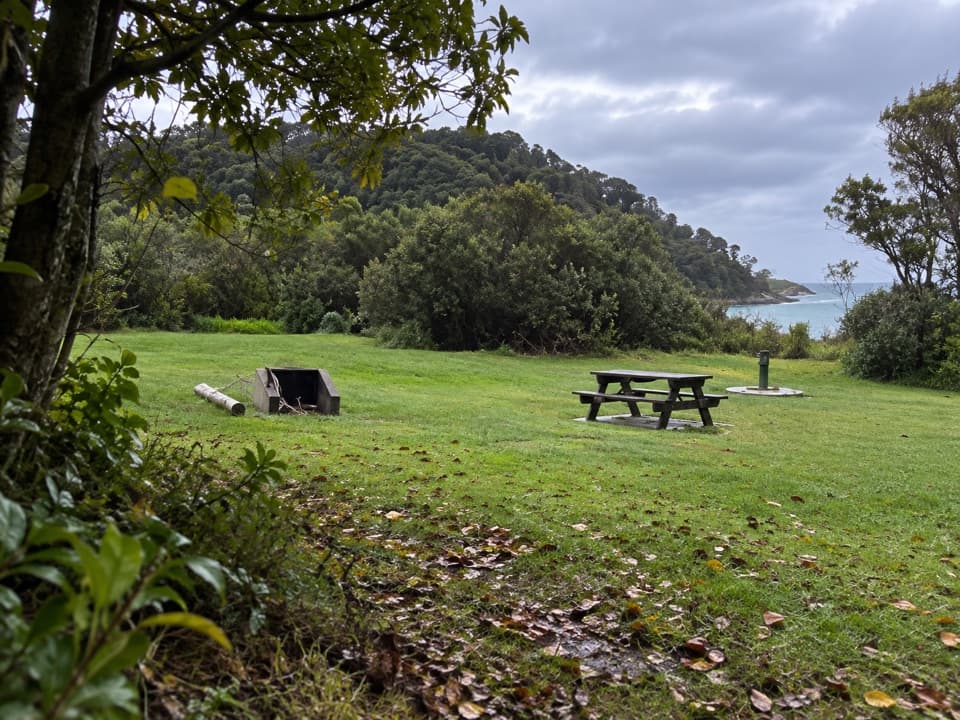
A small DOC campsite sits right by the beach (about six tent sites; roughly a dozen people when full). Facilities are basic: expect a toilet, but bring your own drinking‑water treatment and pack out rubbish. Bookings are required year‑round via DOC, and the DOC Campsite Pass isn’t valid here. Filtered tap water is available at larger hubs like Tōtaranui.
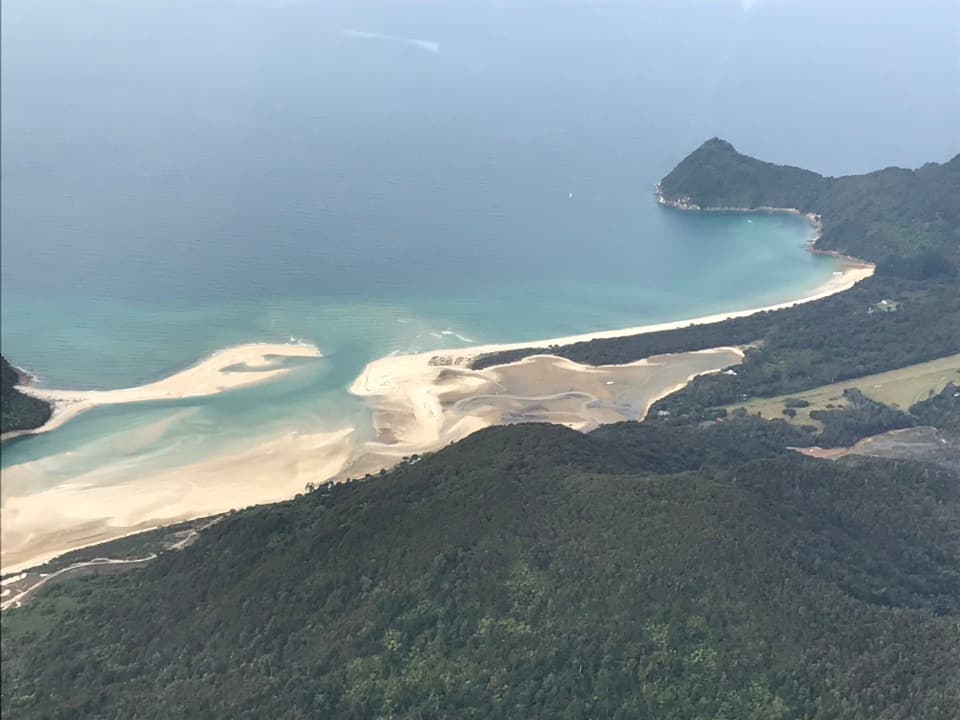
For warm water and thinner crowds, late February to March is a sweet spot, and anytime outside New Zealand school holidays is noticeably quieter. Wasps are a common summer nuisance (December–April). Time your visit for lower tide if you want the shallow lagoon for swimming. If you’re linking sections of the Coast Track (e.g., via Awaroa), plan carefully around the Awaroa Inlet low‑tide window—there’s no high‑tide alternative.