1 active Abel Tasman alert
- ClosureRoad resealing closures near Kaiteriteri, 29–30 OctoberExpect rolling closures on roads near Kaiteriteri from 6am to 8pm on Thursday 29 and Friday 30 October while crews reseal the roads.Official details
Campground · Abel Tasman National Park
A quiet beachside campsite at Abel Tasman's remote northern end.
Overview
Map
Plan your stop
The highest, rockiest slopes around here are a summer buffet for grizzly bears.
Abel Tasman Tour Guide
Parkwolf is a GPS audio tour guide for Abel Tasman National Park. As you drive, it chimes in with what’s ahead: hidden gems, upcoming stops, history, geology, and wildlife, right through your car’s speakers.
More stories near here in the app
“Fantastic app with many points of information… It’s great to just turn on while you’re driving and it gives you an audio tour of the national Park. We love it!!!!”


Guide
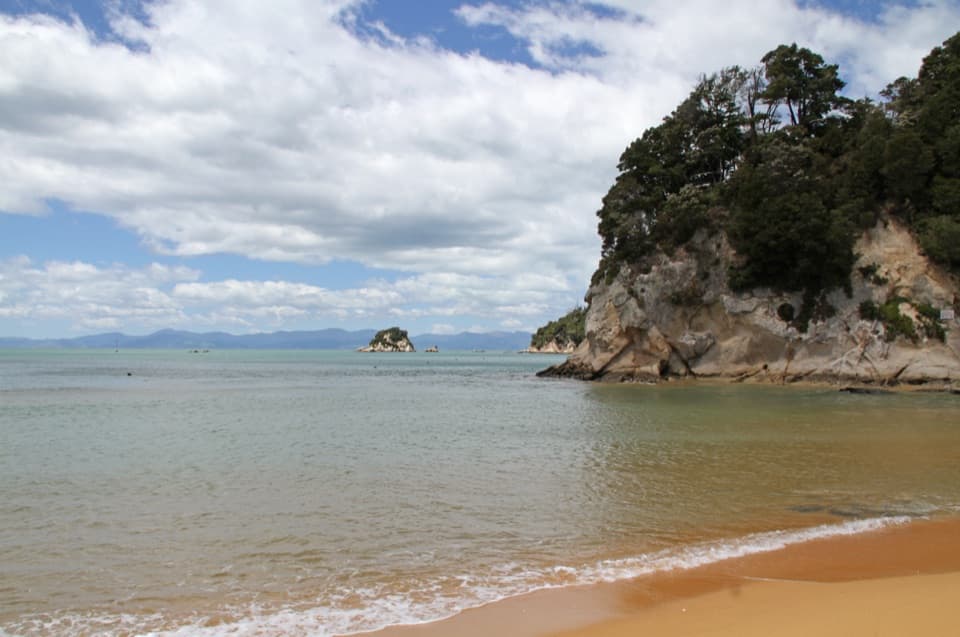
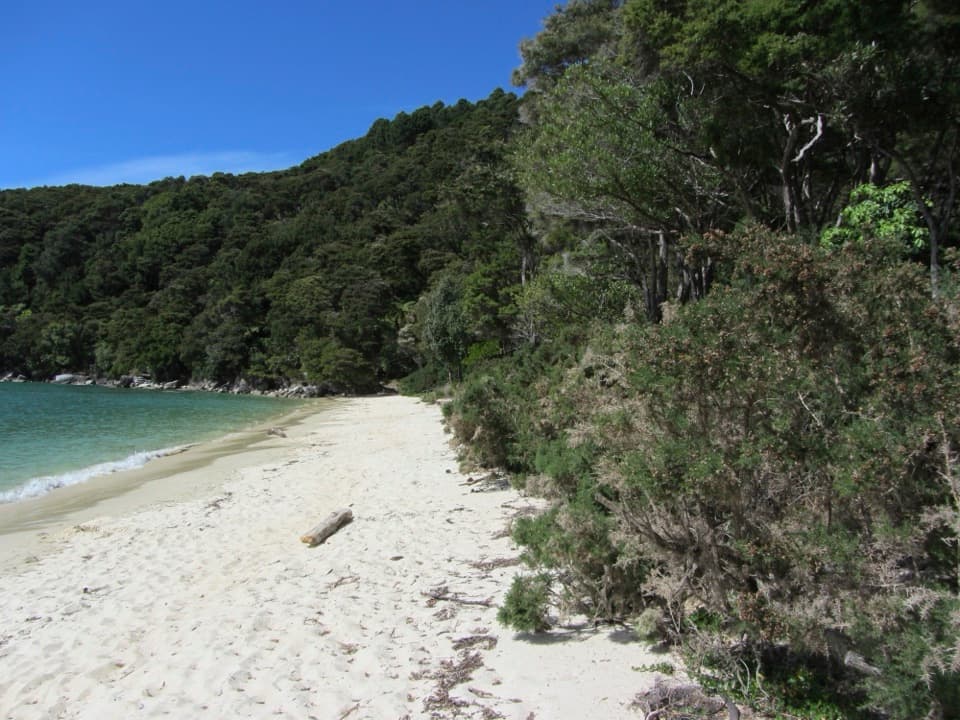
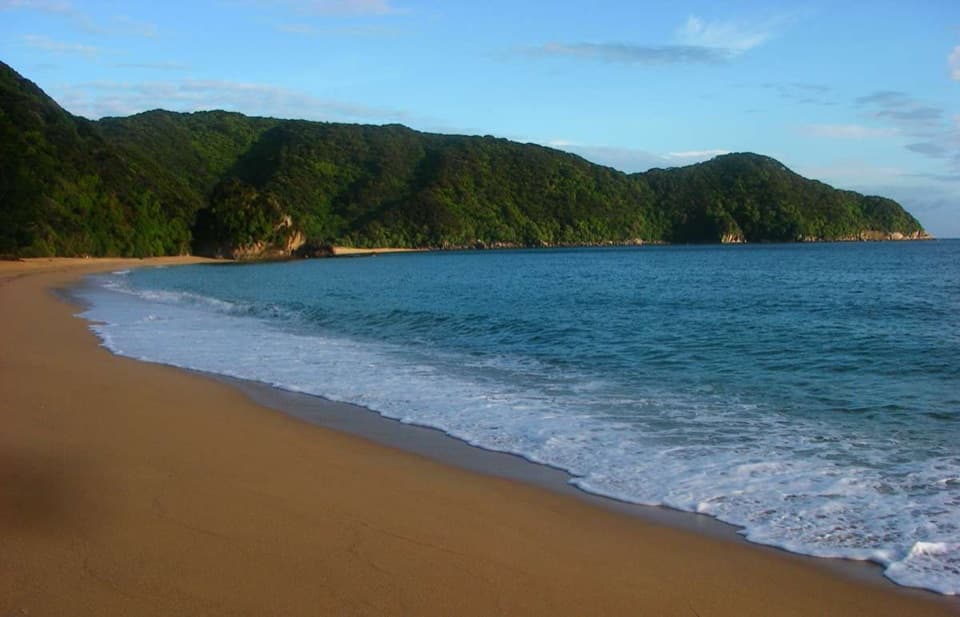
Mutton Cove is a golden-sand bay on the northern Abel Tasman Coast Track, with a 20-site Department of Conservation tent campsite beside the beach. It suits an overnight stay or a longer walk, not a quick drive-up stop: no road reaches it, and scheduled water taxis stop at Tōtaranui. Walk in on the Coast Track or arrange a boat independently. Visitors describe this northern stretch as quieter than the more accessible southern bays.
The campsite is on the track's Tōtaranui-to-Whariwharangi section. The whole section is 9.8 km and about 3 hours 15 minutes; that is not the distance or time to Mutton Cove alone. Book ahead and carry your meals, since food isn't sold along the track. Water at the site is listed as untreated, so boil it before drinking. Dogs aren't allowed, and fires are limited to designated fireplaces when no fire ban is in force.
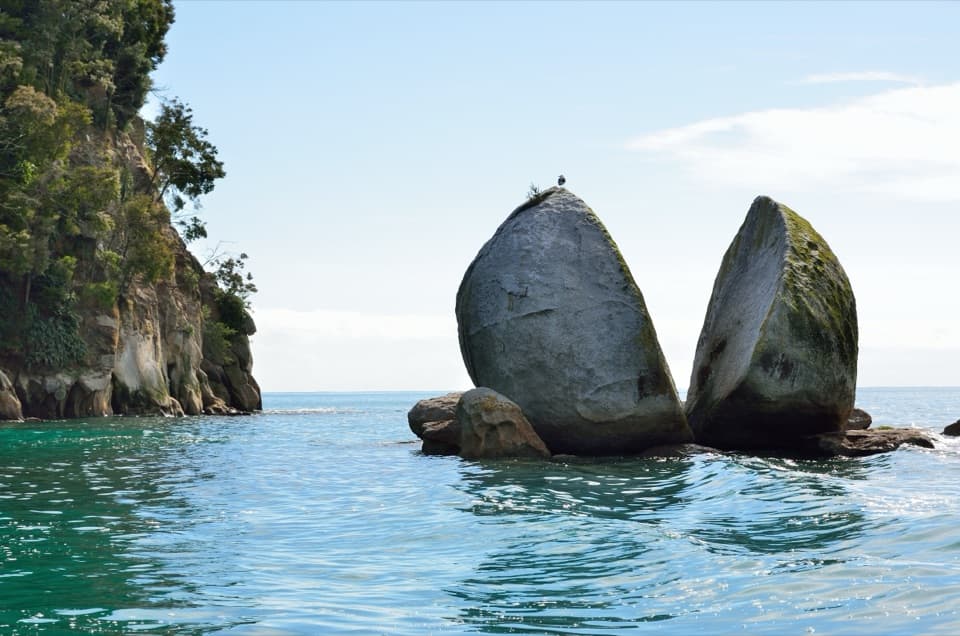
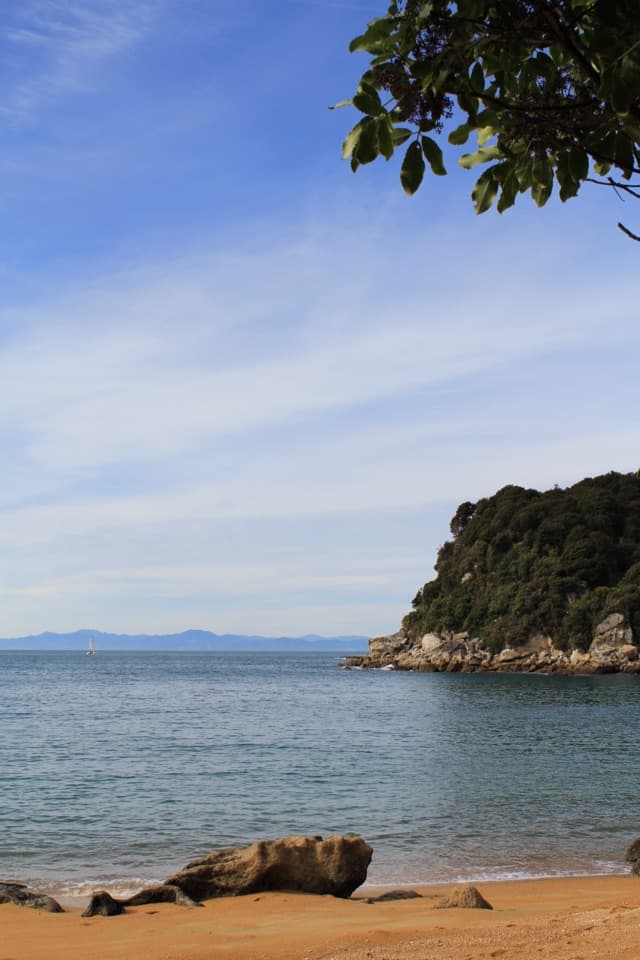
The sand curves below forested coastal hills, with rocky ends to explore. Visitors often praise the clear water and beach; a few mention swimming or looking for marine life around the rocks, though sightings aren't guaranteed. For a photo, include the curve of the beach and one of the green headlands to show how the cove wraps around.
Local history suggests the name comes from ships carrying mutton that sheltered here in westerly weather during the area's farming years in the early 1900s. It's a likely origin, not a certain explanation.
Wildlife
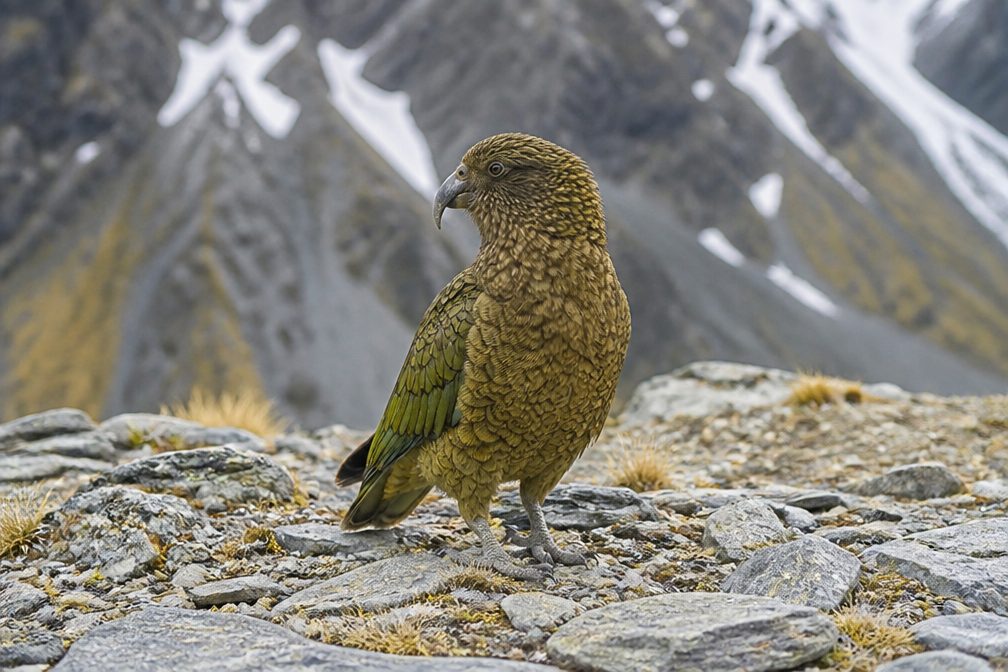 10 sightingsKeaMost seen around 10 AMSighting map
 54 sightingsNew Zealand Fur SealMost seen around 10 AMSighting map
 20 sightingsLittle PenguinMost seen around 9 PMSighting map
 21 sightingsSouth Island KākāMost seen around 5 PMSighting map
 527 sightingsWekaMost seen around 9 AMSighting map
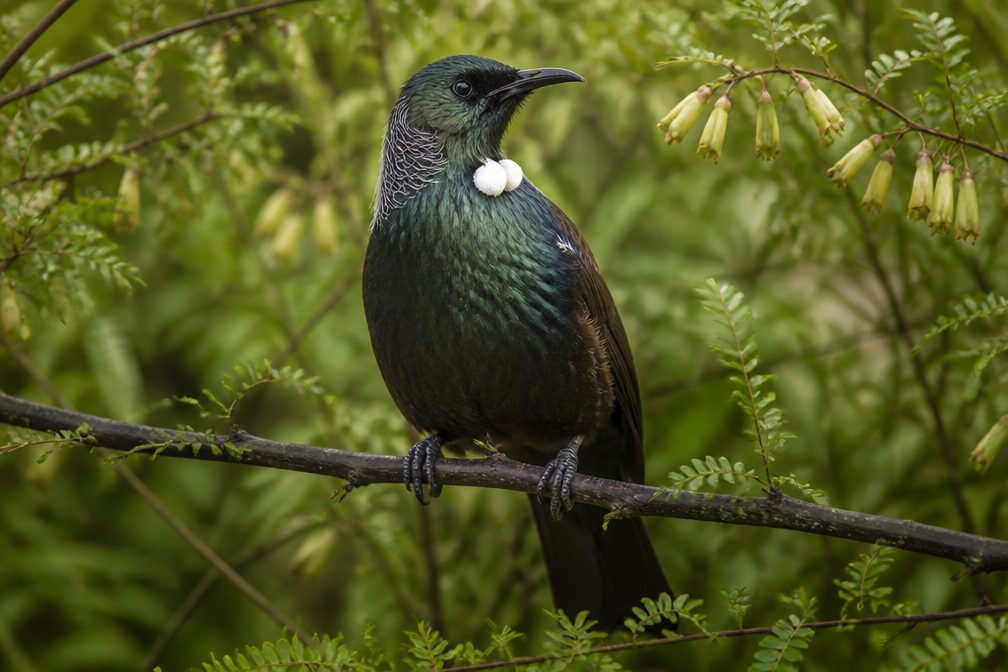 16 sightingsTūīMost seen around 7 AMSighting map
Sighting maps show where each species has been reported across Abel Tasman. Wildlife moves, so no sighting is guaranteed.
Keep exploring
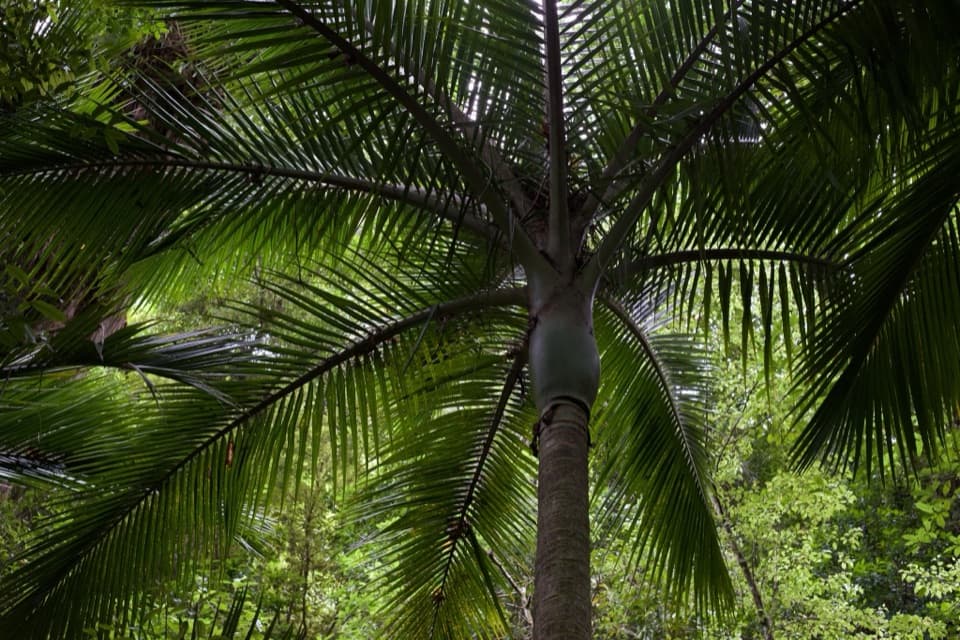 EasyPukatea Walk0.8 km · 30 min · 2.8 km awayA curving raupō boardwalk leads into pukatea and nīkau forest
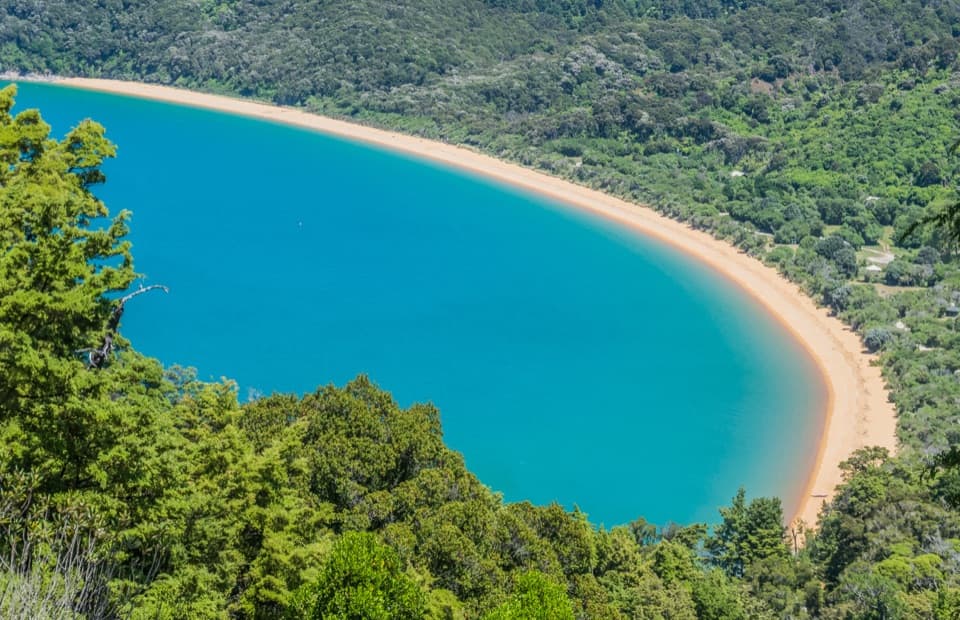 ModerateHeadlands Track3.8 km · 1.3 hr · 3.1 km awayA wooded headland walk with a pocket view of Tōtaranui and Awaroa.
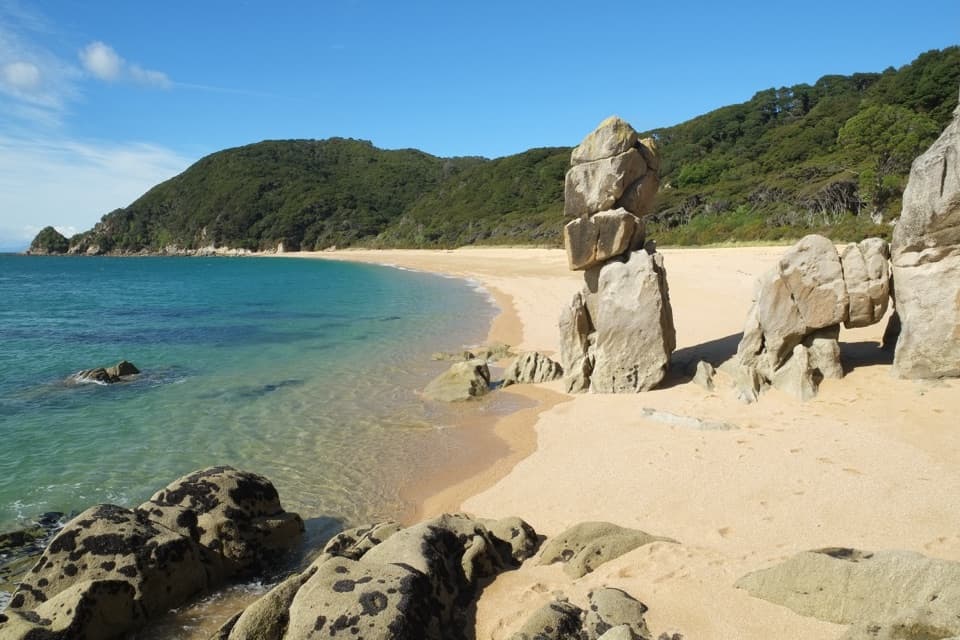 ModerateTōtaranui to Anapai Bay6.4 km · 2.5 hr · 3.6 km awayA low saddle leads to Anapai’s divided beach and granite stacks.
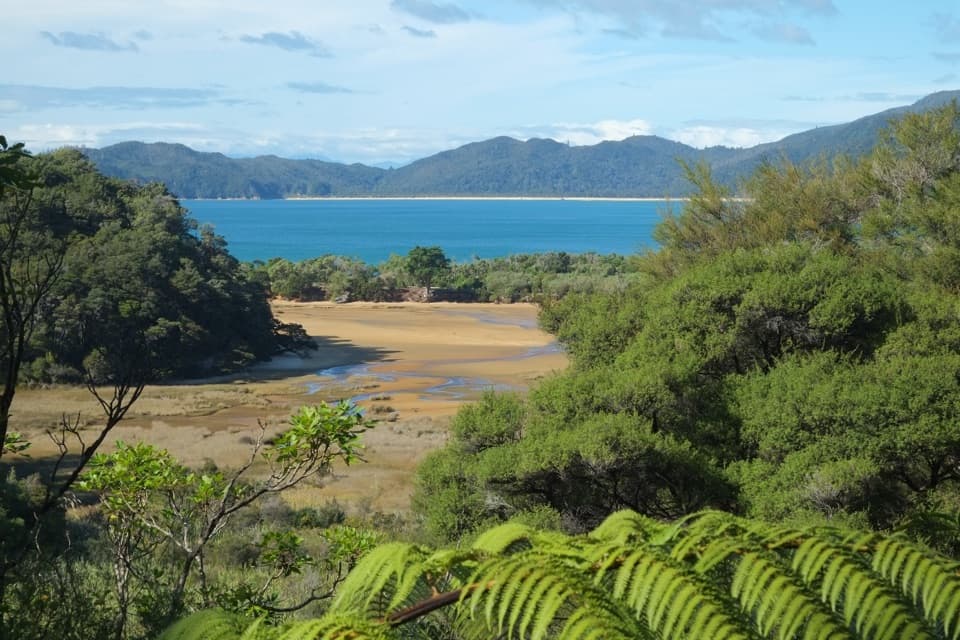 ChallengingGibbs Hill to Whariwharangi Bay Loop Track18.3 km · 5.5 hr · 3.6 km awayA steep ridge and a restored homestead reward the coastal loop.ModerateTōtaranui to Whariwharangi Bay9.8 km · 3.3 hr · 3.6 km awayBeach coves and kānuka headlands lead to a restored homestead.
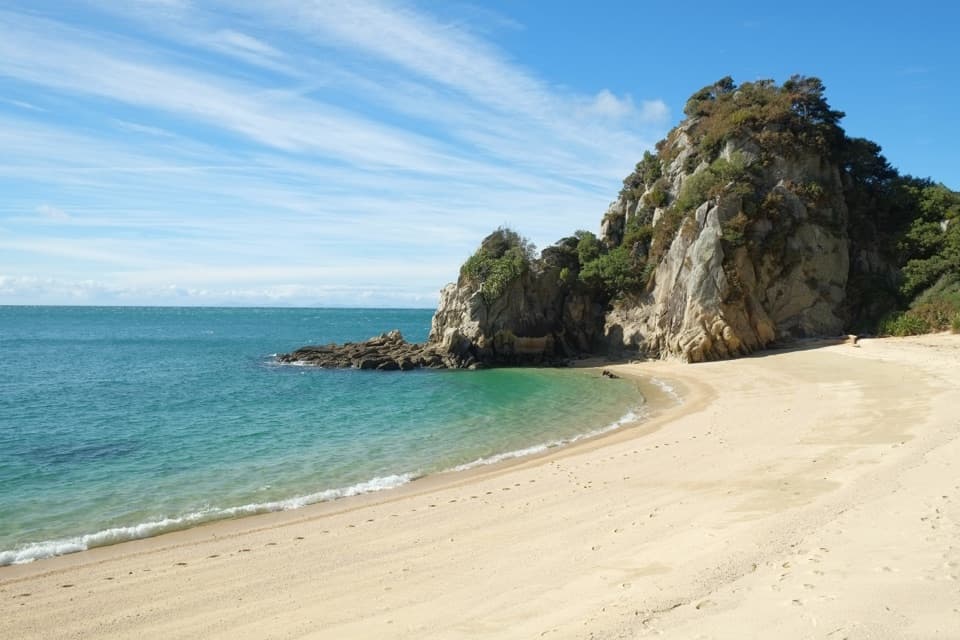 ModerateTōtaranui to Separation Point14.4 km · 4.5 hr · 3.6 km awayGolden beaches, nikau gullies, and a headland between two bays.
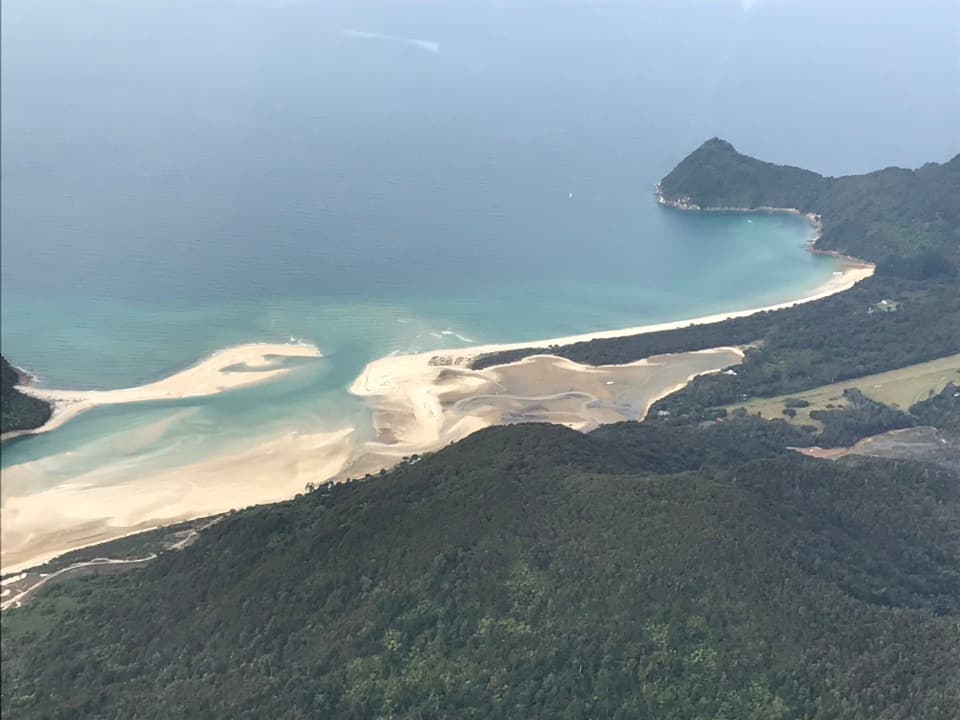 ModerateTōtaranui to Awaroa Bay9 km · 3 hr · 3.6 km awayA low-tide crossing turns this coast walk into a proper outing.
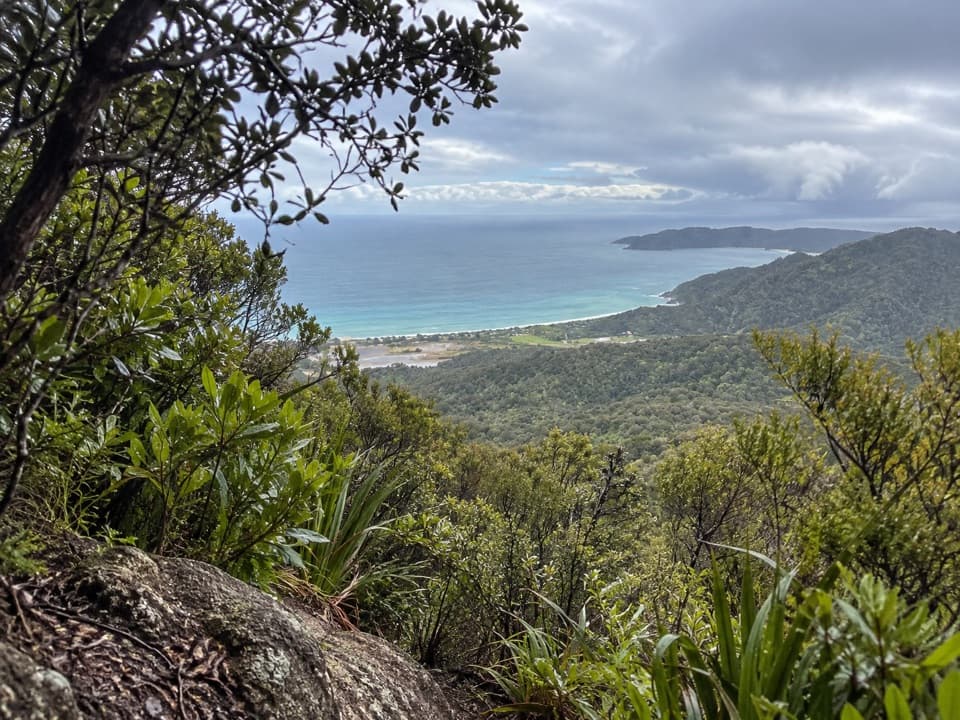 ChallengingGibbs Hill Track from Tōtaranui9 km · 3.8 hr · 3.6 km awaySteep climb from Tōtaranui to a clear-day bay panorama.
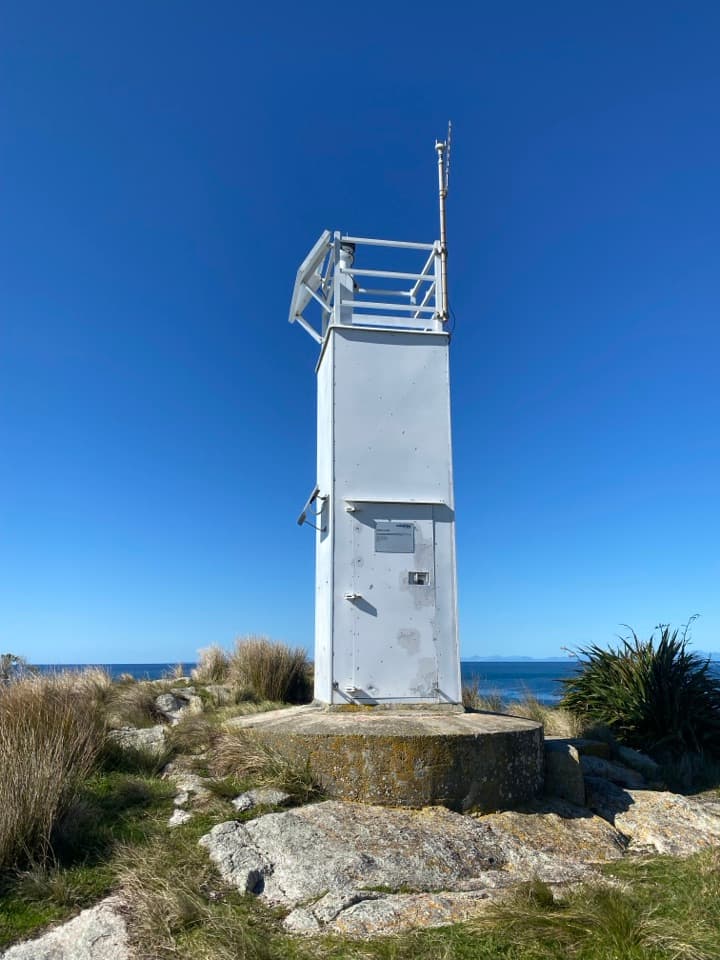 Sight · 1.1 km awaySeparation Point / Te MatauA long walk to a rugged headland above two bays.Beach · 1.5 km awayAnapai BayA northern beach with golden sand, stacked rocks and six tent sites.
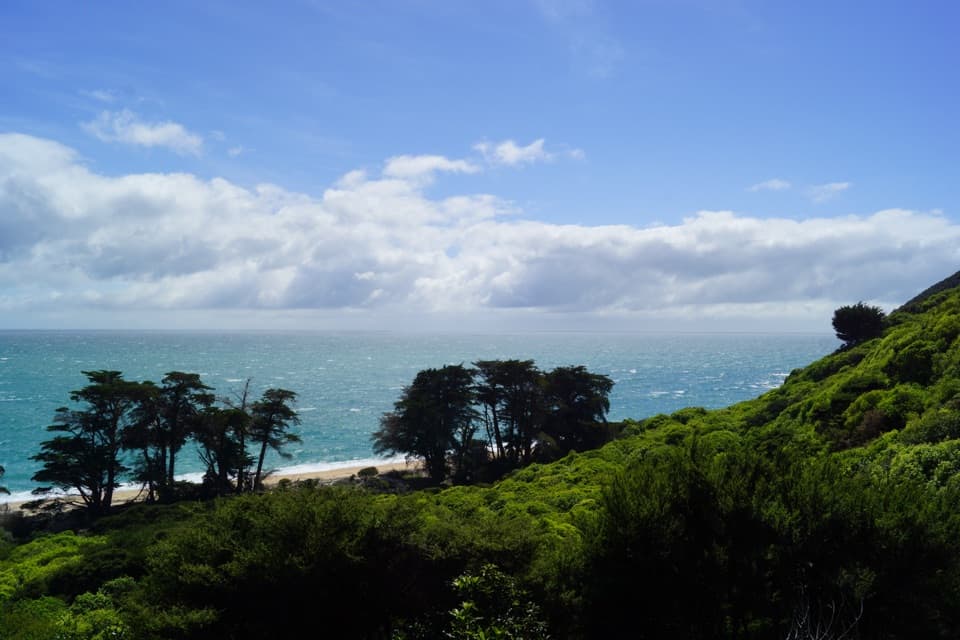 Campground · 1.7 km awayWhariwharangi BayA remote beach camp beside a restored coastal farmhouse.
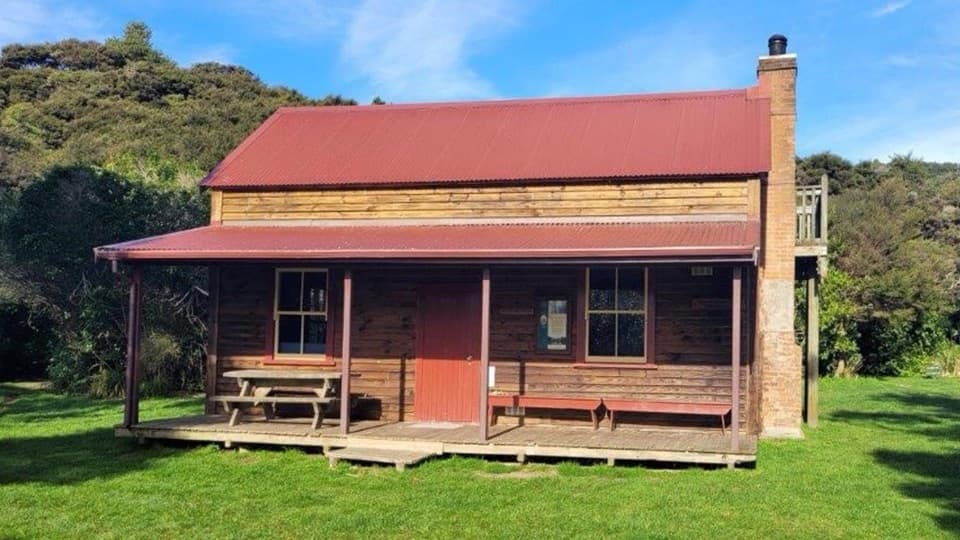 Lodging · 1.7 km awayWhariwharangi HutSleep in a restored farmhouse at the Coast Track's northern end.
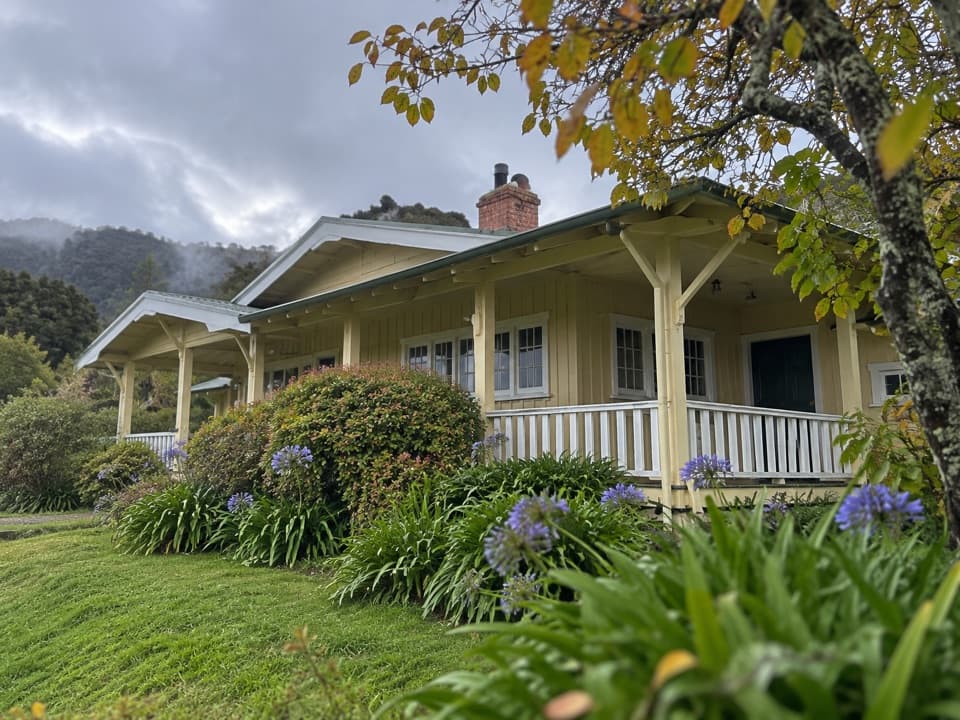 Lodging · 3.2 km awayNgarata HomesteadA 1914 homestead group stay for exploring Tōtaranui
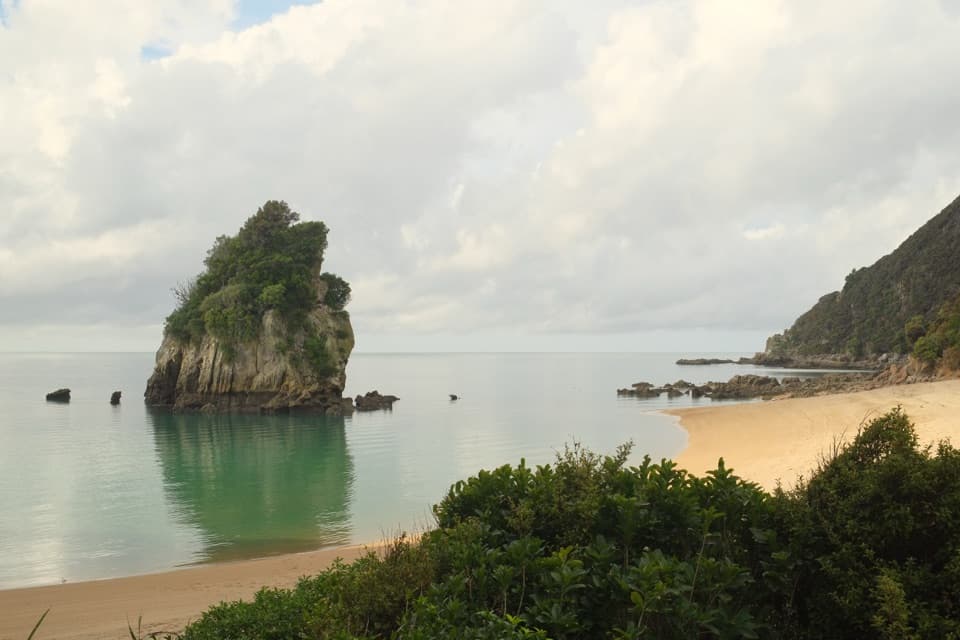 Sight · 3.2 km awayTaupō PointA tide-dependent walk to a Māori pā on Wainui Inlet.
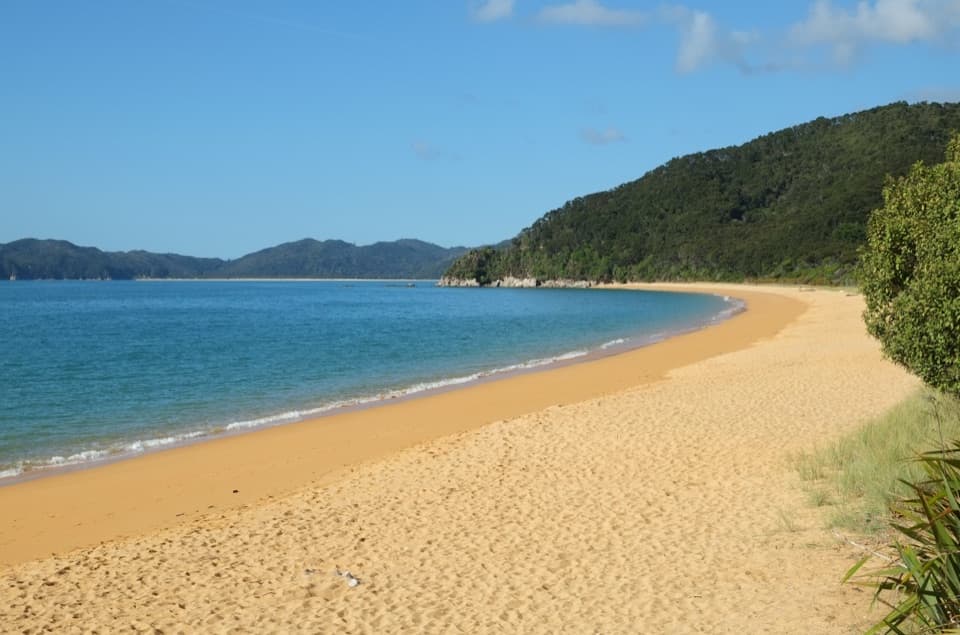 Campground · 3.6 km awayTōtaranui Beach and CampgroundA big campground by the beach, beyond a long gravel approach.
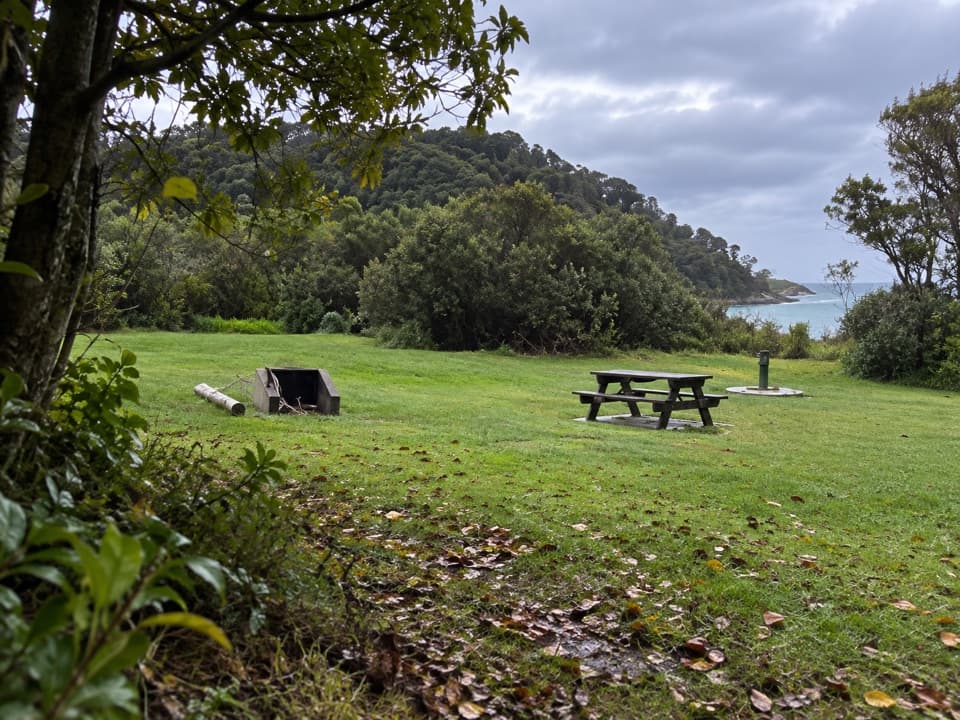 Campground · 3.7 km awayTōtaranui Great Walk CampsiteTwenty tent sites put you beside the beach on the Coast Track.
Parkwolf’s Abel Tasman ranking

The audio tour guide for the drive, plus offline maps, trails, and wildlife heatmaps for when the signal drops.