Lake Mackenzie Hut

Great Walk hut on a turquoise alpine lake with big-mountain views
Lake Mackenzie Hut, Fiordland National Park
InsideFiordland National Park

Why go

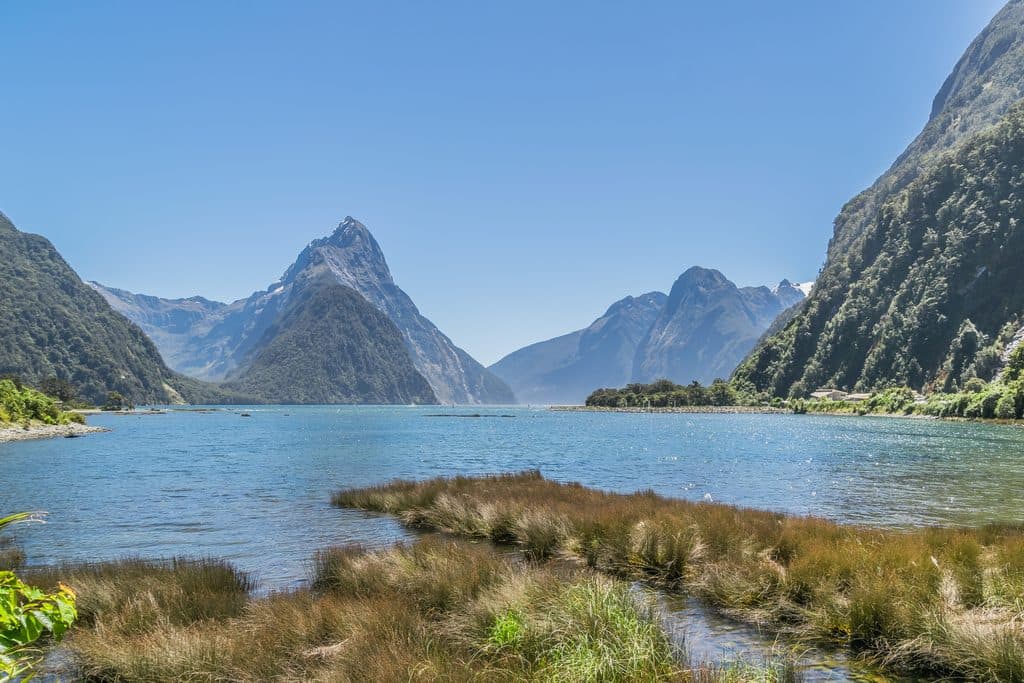
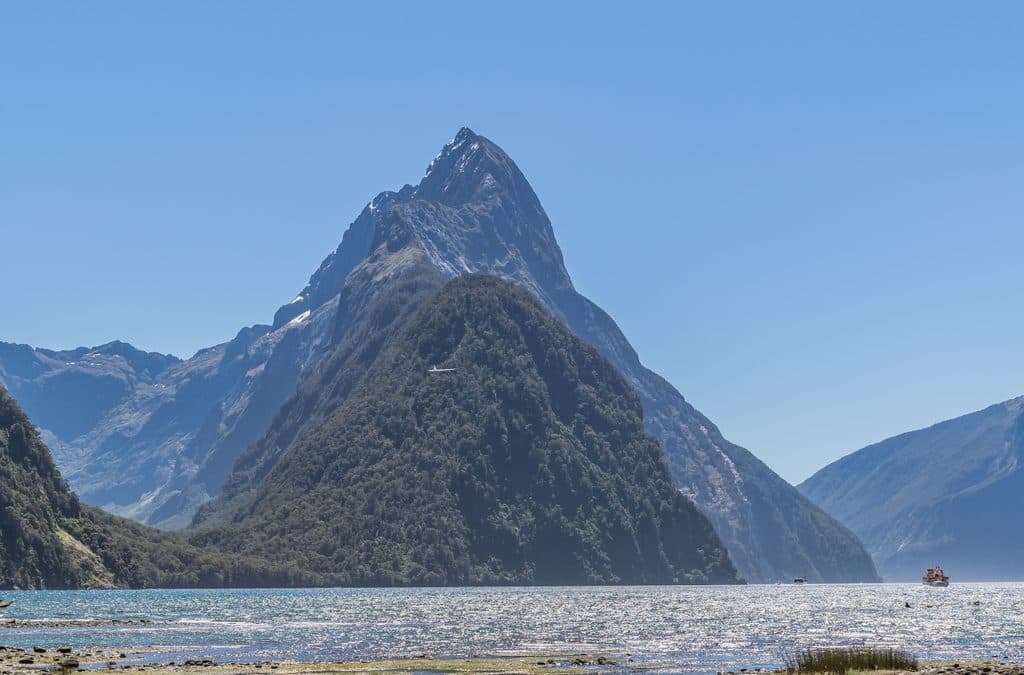
If you’re walking the Routeburn, this is the hut you hope lines up with sunset. Perched just steps from the shore, Lake Mackenzie Hut pairs glassy water with steep, glacially carved walls and skyline peaks—a classic Fiordland scene that feels like a reward after the descent from the high country.

The setting

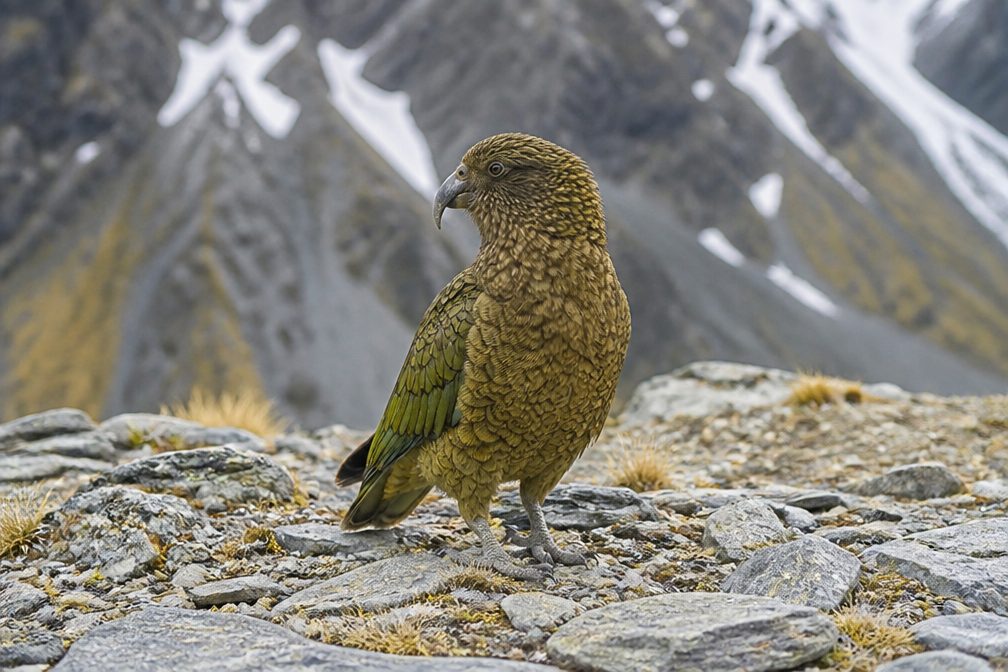
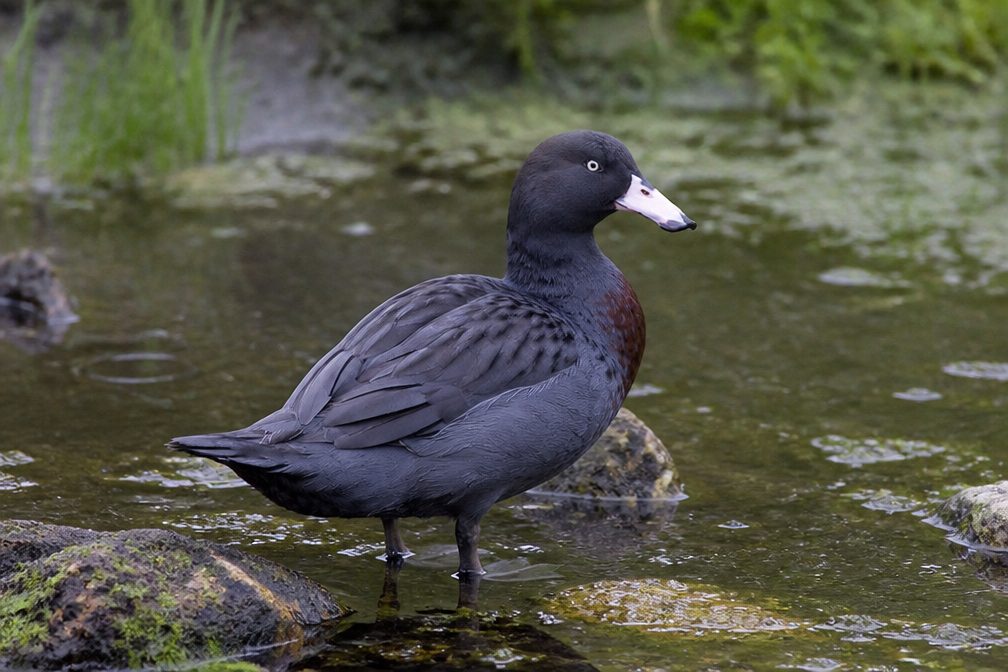
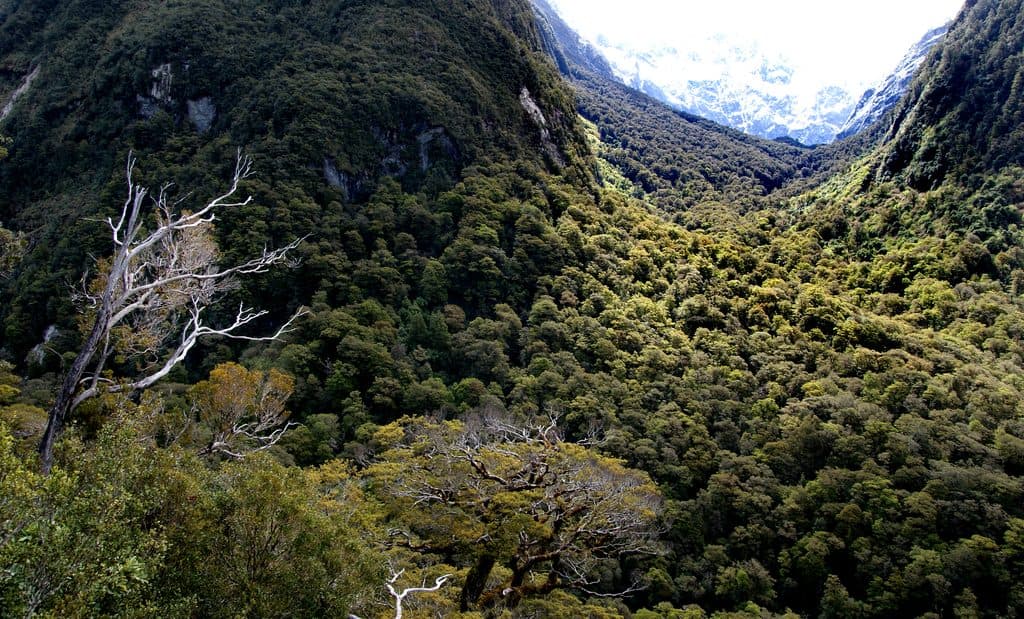
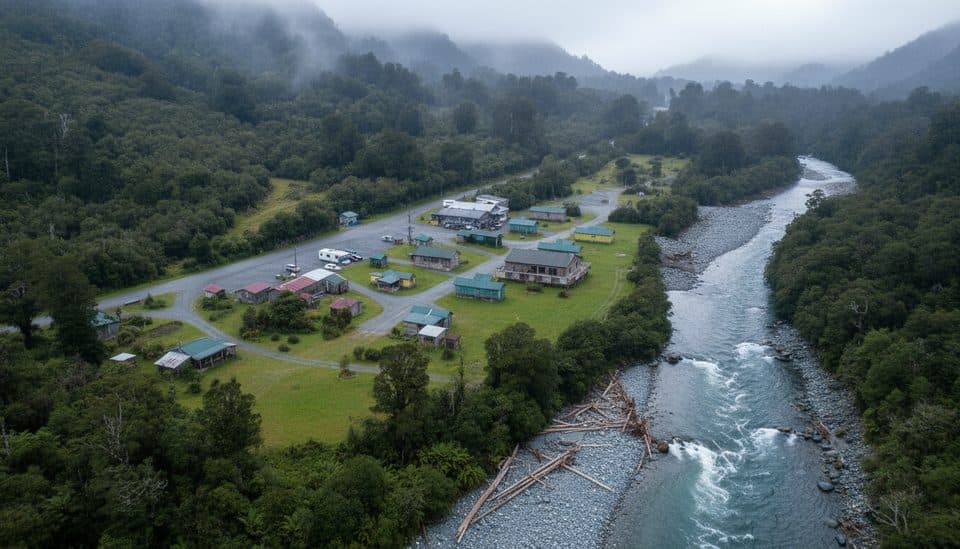
At roughly 1,036 m on the southern edge of Lake Mackenzie, the hut sits in beech forest with big views toward Ocean Peak, Emily Peak, and the Darran Range. It’s one of the most photogenic stops on the track; in calm weather the lake turns mirror‑still. Expect curious bush birds around camp—New Zealand robins (toutouwai) are commonly seen—and a quiet chorus in the evenings.

What the hut offers

This is a sizeable, well‑run DOC Great Walk hut: 50 bunks with mattresses, communal kitchen and dining areas, plenty of gas cookers (in season), a log fire, and a ranger on site in season who does an entertaining, info‑packed evening talk. Toilets are flush with running cold water during the Great Walk season, switching to pit toilets out of season. There’s cold tap water in season; outside the season you’ll use the rain tank/nearby sources. No showers, no food sales, no WiFi, and no road access—everything comes in on your back.

Seasons and access

  • Great Walk season (roughly Nov–Apr): extremely popular; bookings required for overnight stays. Facilities are fullest (gas, lighting, flush toilets) and a hut warden is present. Day visitors can use the toilets and outside water tank but not indoor hut facilities.
  • Outside season (May–Oct): far quieter, with reports of near‑solitude. Facilities are pared back (pit toilets, no indoor running water, bring your own stove).

Nearby and alternatives

A separate DOC campsite sits next to the hut area (managed and booked separately). There’s also a private guided‑walks lodge nearby that’s not open to independent trampers.

Wildlife and nature notes

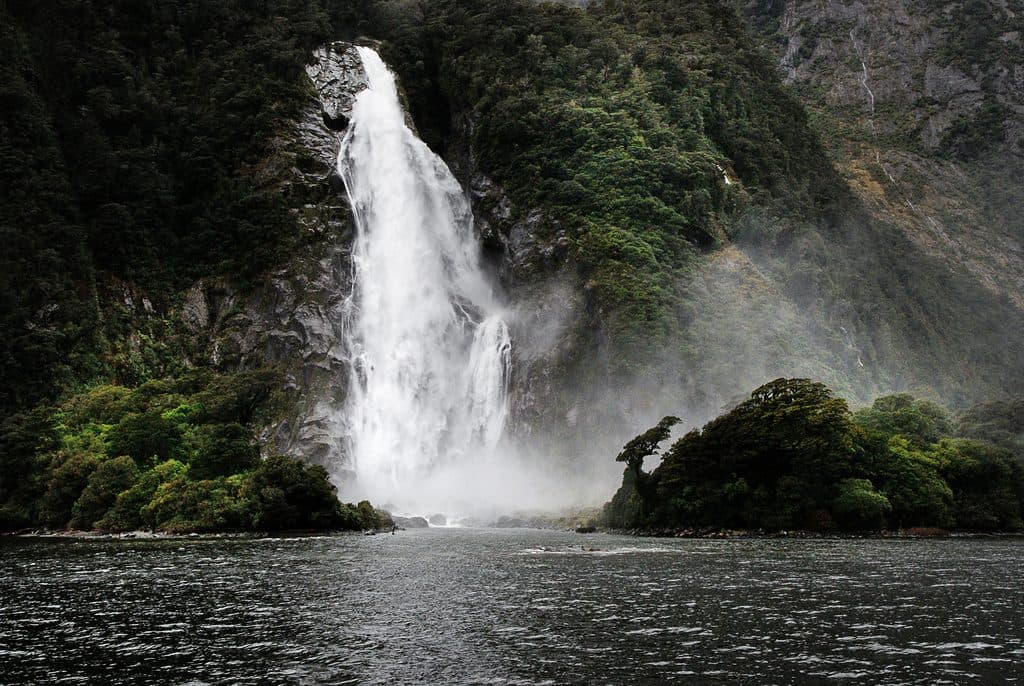
You’ll move from exposed alpine to sheltered forest as you approach, which is why birdlife picks up here. Keep an eye out for friendly robins and other native bush birds. The lake and valley are classic Fiordland glacial terrain—deep basin, steep sides, and that dramatic amphitheater feel.

Best time to visit

  • For solitude: shoulder or off‑season when the track quiets down and you might have the lakeshore mostly to yourself.
  • For atmosphere and amenities: mid‑afternoon to sunset in Great Walk season—arrive early to claim a preferred bunk, enjoy the ranger talk, and catch golden light on the lake. Mornings are best for reflection photography when winds are calm.

Good to know

Bring a sleeping bag, all your food, and rain/warm layers year‑round—Fiordland can flip the switch from bluebird to sideways rain fast. If you like a cold plunge, the lake is bracing but unforgettable on a sunny afternoon.

Pros

  • Stunning lakefront setting with big alpine views
  • Large 50‑bunk Great Walk hut with gas cookers, log fire, ranger talks in season
  • Flush toilets and running water during Great Walk season

Cons

  • Very popular and busy in season; advance bookings essential
  • Strict day‑use rules on facilities during peak months
  • Weather shifts fast; can be cold and wet even in summer

Tips

  • Book well ahead for Nov–Apr; it’s one of the busiest huts on the Routeburn.
  • Arrive early to improve your chances of picking a preferred bunk.
  • Outside the Great Walk season bring your own stove; gas isn’t provided.
  • Day visitors in season can use toilets and the outdoor water tank only.
  • Always check the DOC hut page for current status and seasonal rules before you go.
The Parkwolf tour guide sitting on a phone mounted in a car

Parkwolf Tour Guide

Like a tour guide in your car.

Save the places you found around Fiordland, then let Parkwolf guide the drive between them.Download Parkwolf on the App Store