Place · 1.4 mi away

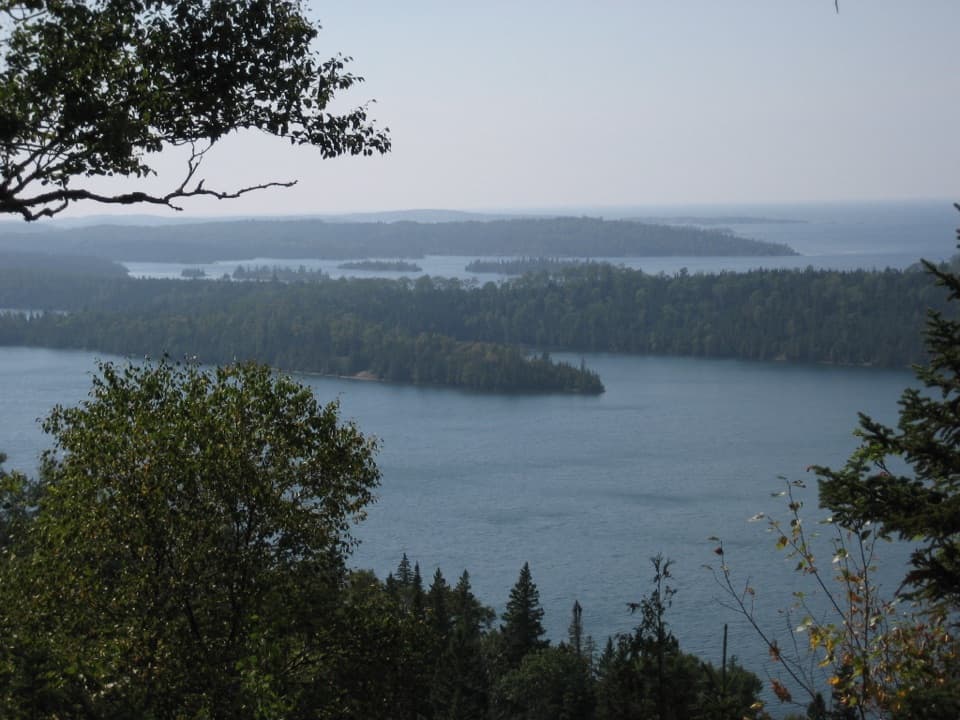
If you’re chasing the classic Isle Royale vibe—raw shoreline, big-water views, and quiet nights—Belle Isle Campground delivers. Tucked on the northeast end of the archipelago, it feels remote even by Isle Royale standards, with a peaceful cove and sightlines out toward Passage Island and the Lake Superior shipping lanes.
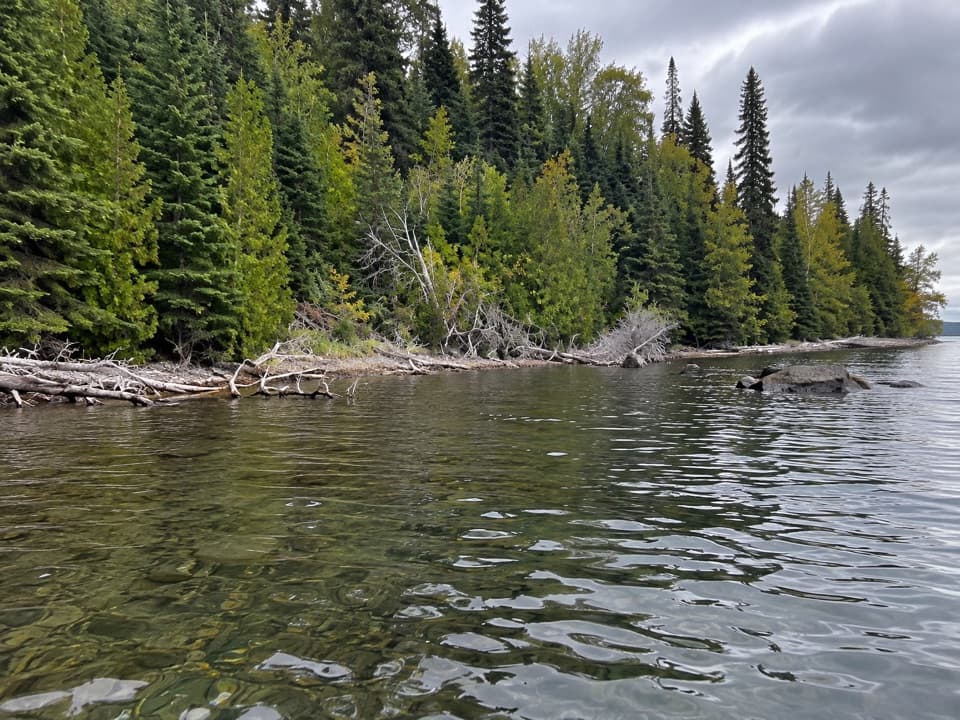
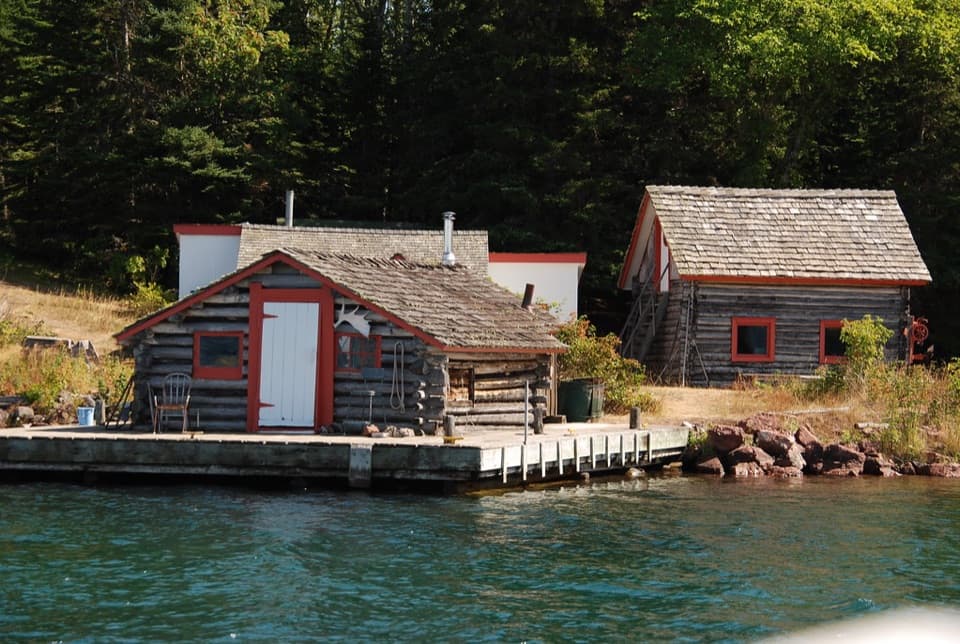
This is a true backcountry stop: you arrive by canoe, kayak, or private boat, tie up at the dock, and settle into a simple, beautiful setting. The shoreline is rocky, the forest is thick, and sunsets over the water can be superb. Expect solitude, punctuated by the occasional paddler or boater using Belle Isle as a drop-off or pickup point in summer.
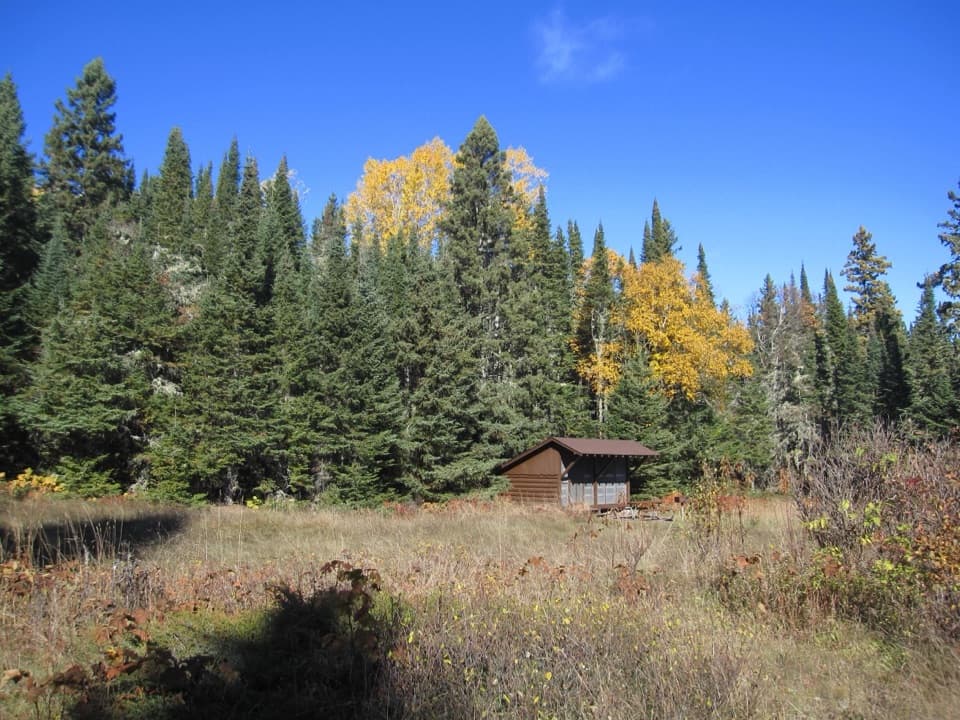
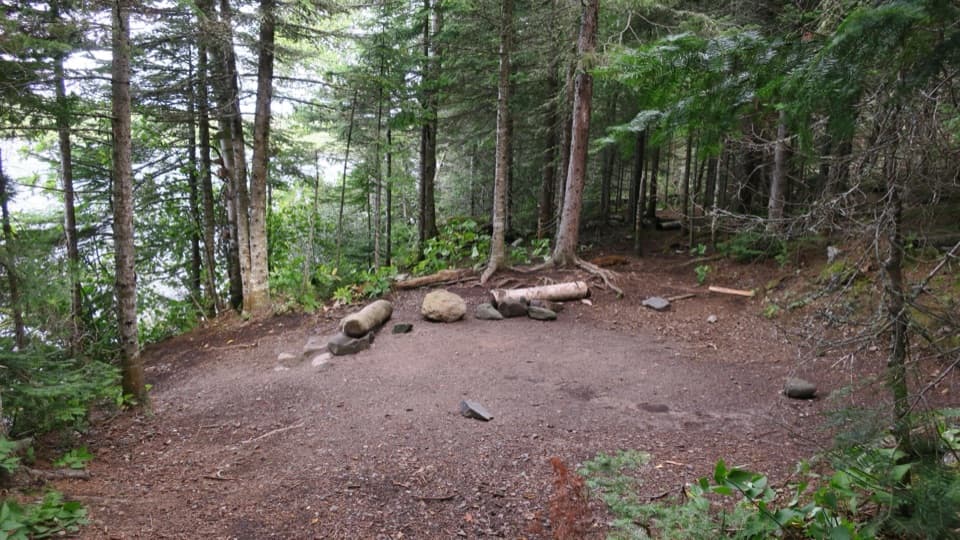
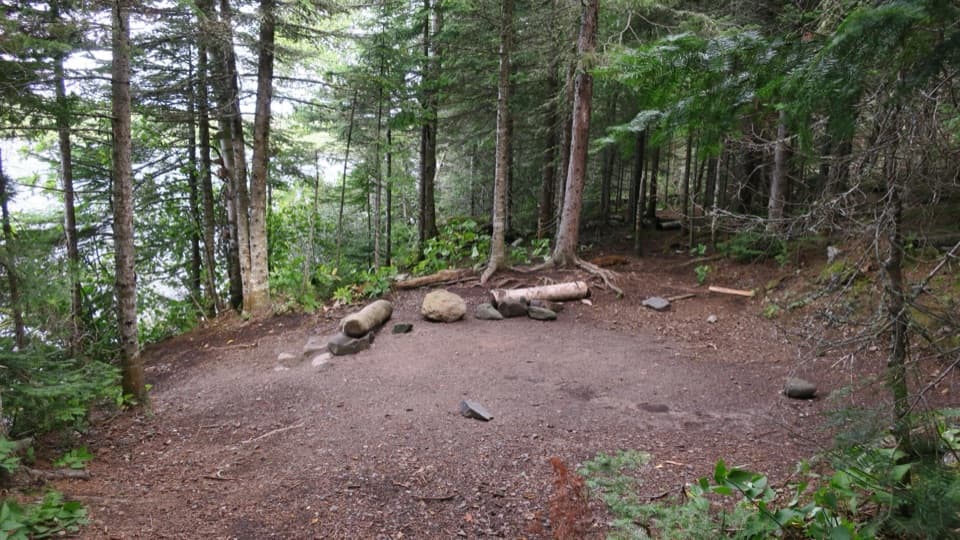
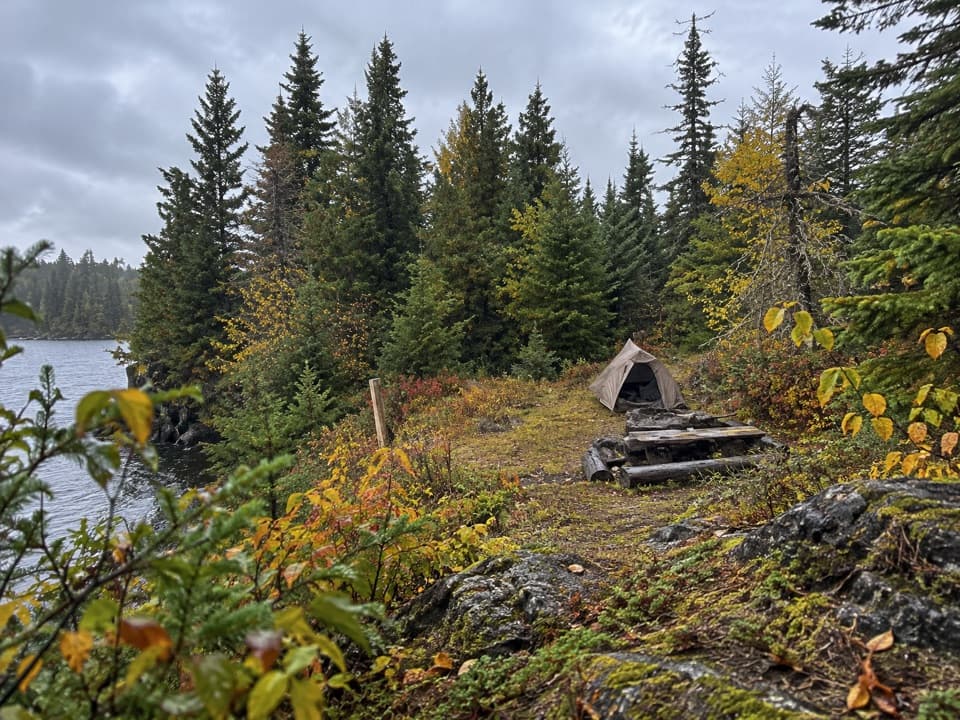
Belle Isle has six shelters and additional designated tent sites. The shelters are a big perk when Lake Superior’s weather turns fickle. Toilets are available, but there’s no potable water, showers, store, or hookups. Campfires are allowed; pets are not. Bring everything you need and pack out everything you bring.
Access is by watercraft only. The dock here has enough depth (around 13 feet in normal conditions) for most small boats, making arrivals and resupplies smoother than many backcountry sites. If you’re paddling, plan conservatively around wind and waves—Lake Superior calls the shots.
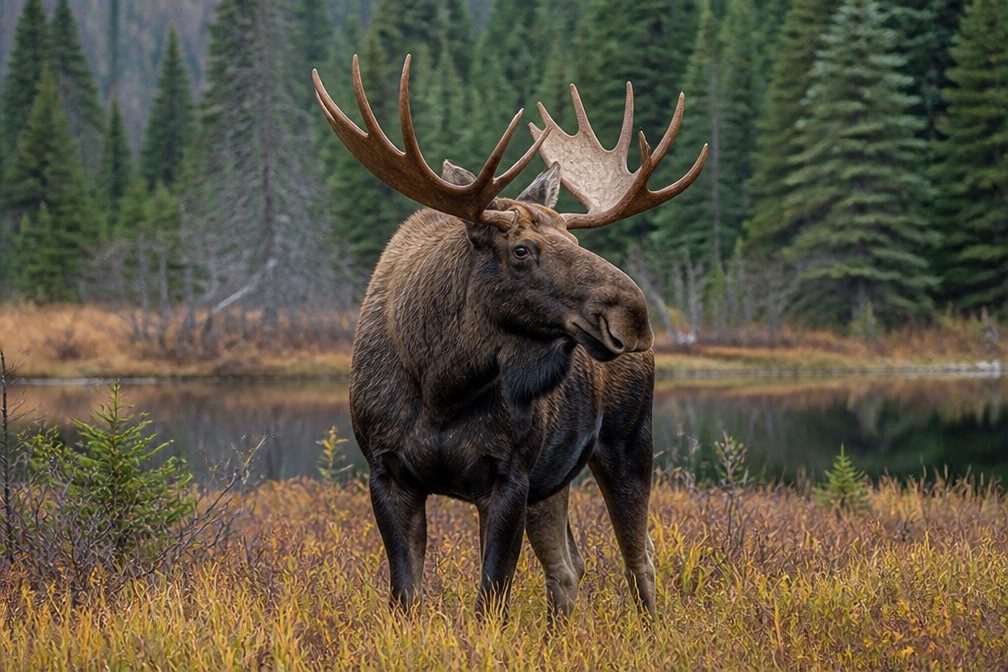
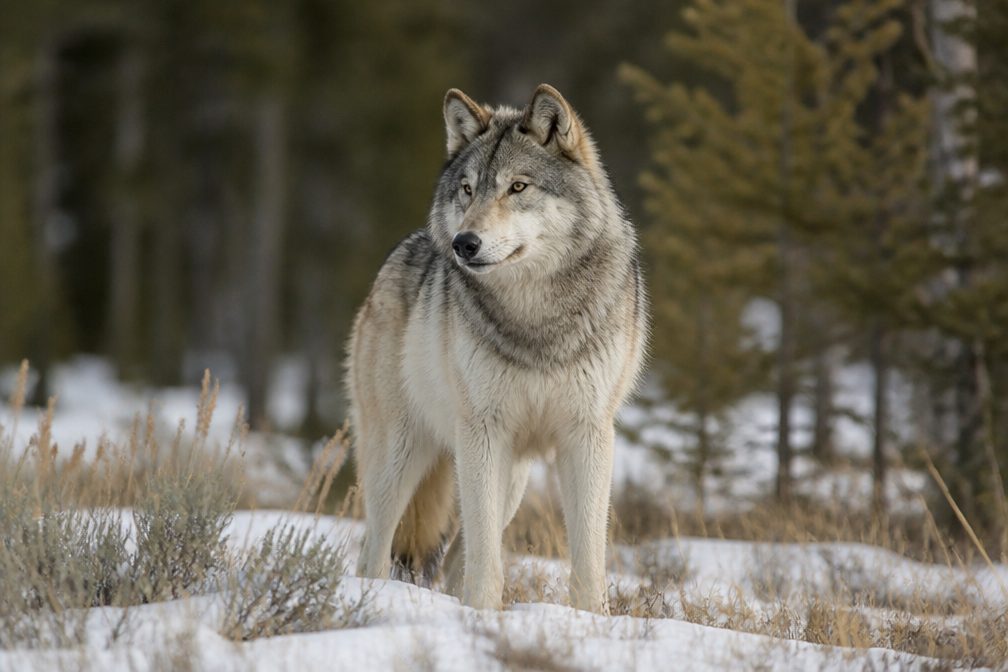
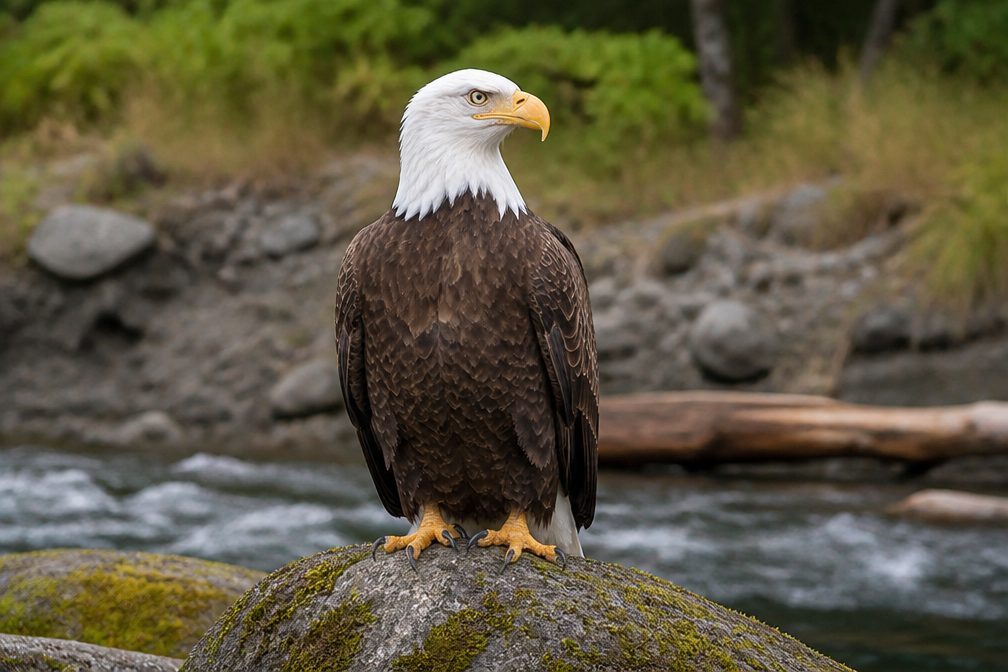
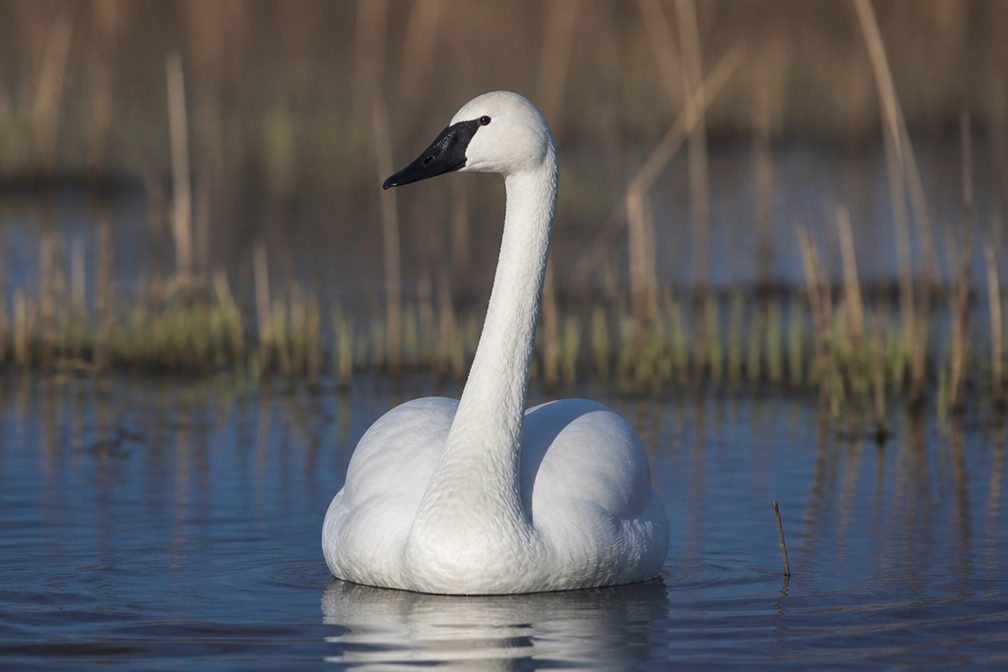
Views are the headline: look east toward the open lake and out to Passage Island, or south and west down Merritt Lane. It’s a great perch for watching freighters slip by on clear days. Wildlife is the usual Isle Royale cast—think moose, foxes, and plenty of birds—though sightings are never guaranteed.
July and August bring the warmest water and most reliable access windows, but that’s also when shelters are most likely to fill. Aim for early arrivals, or consider shoulder-season dates for more solitude. For photos, soft morning and late-day light flatter the rocky shoreline and big-sky horizons.
Everyone needs an overnight permit, and you should be fully self-sufficient: filter or treat all water, carry robust rain and wind layers, and bring a solid map and first-aid kit. In peak season, be ready to double up in sites if requested.