Combers Beach

A wild, spacious surf beach reached by a short rainforest walk
Combers Beach, Pacific Rim National Park Reserve
InsidePacific Rim National Park Reserve

Overview

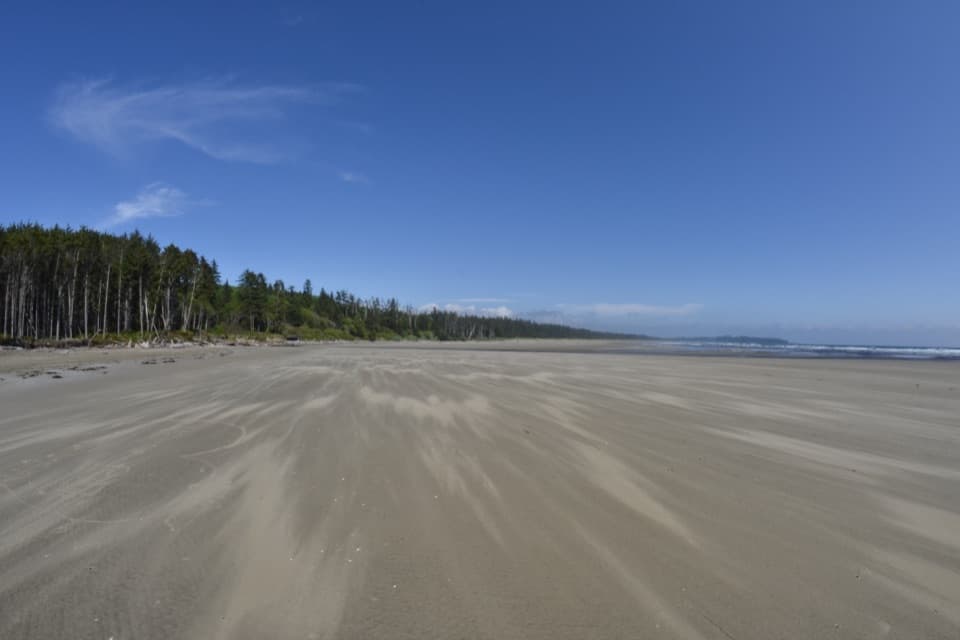
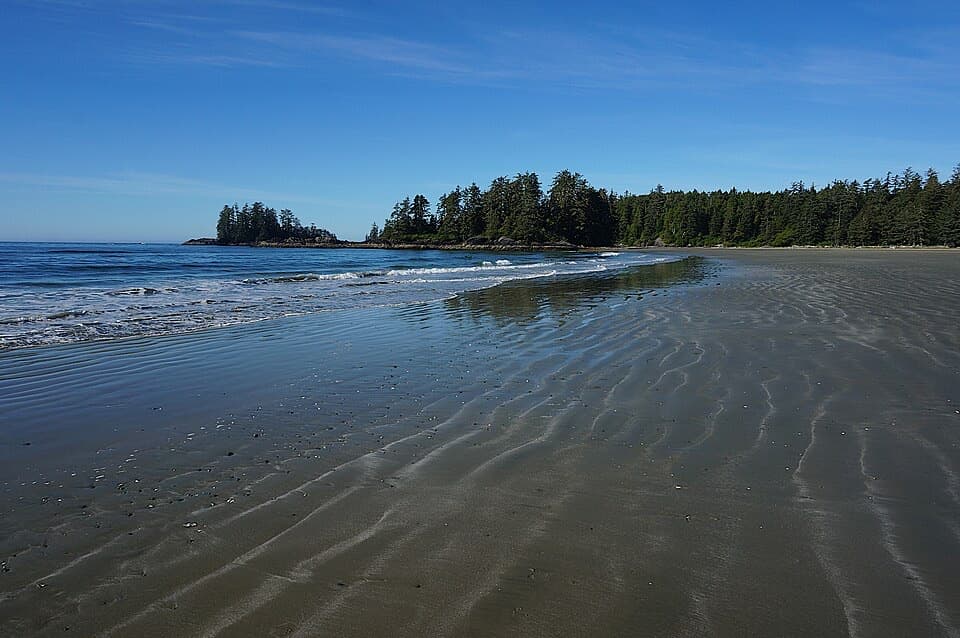
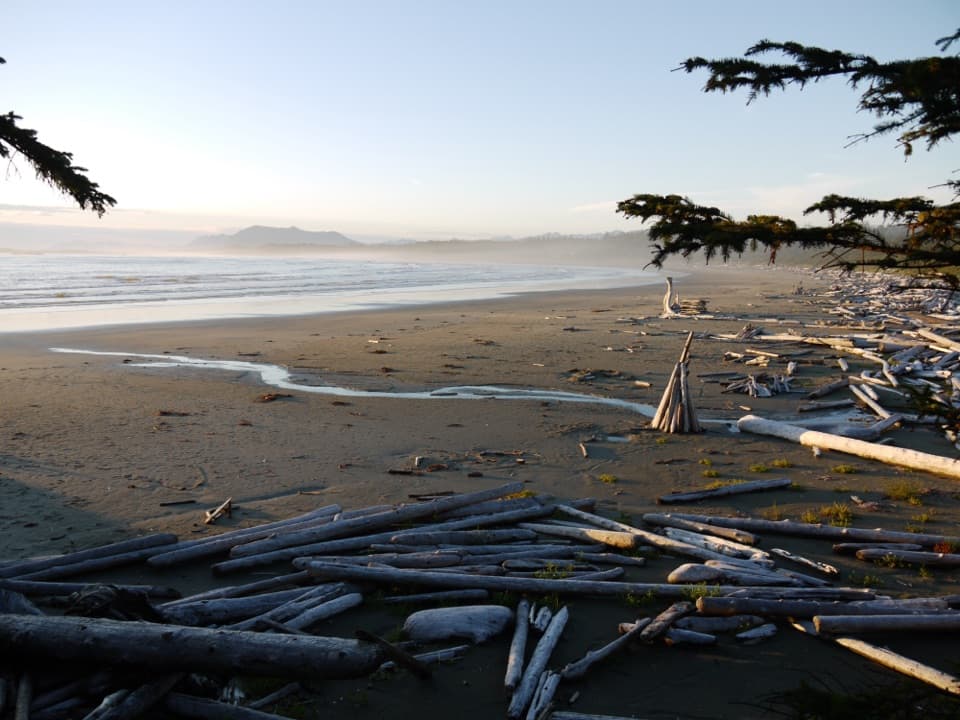
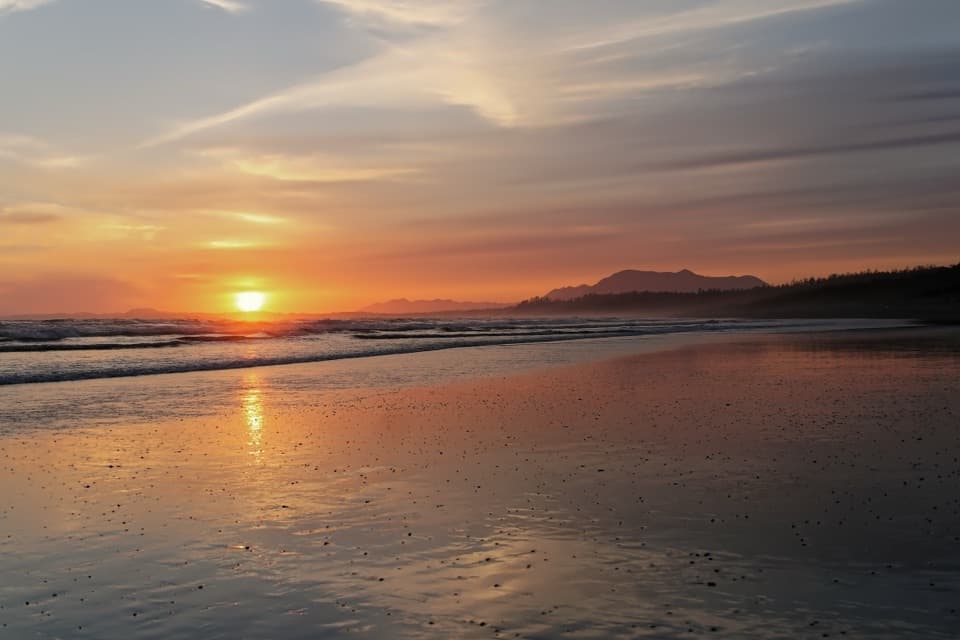
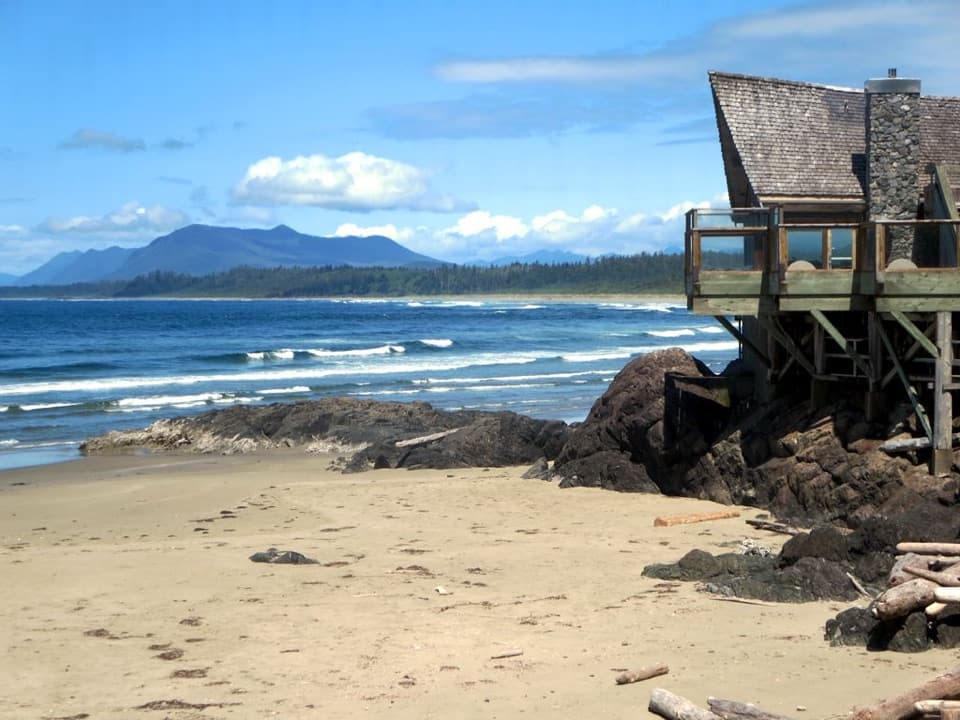
Combers Beach is the quiet stretch many people hope to find: a wide, windswept slice of sand framed by old-growth forest and surf. It sits between Sandhill Creek and Green Point Rocks and feels more “wild coast” than resort beach. If you want the spaciousness of Long Beach with fewer people, this is your move.

Getting There & The Trail

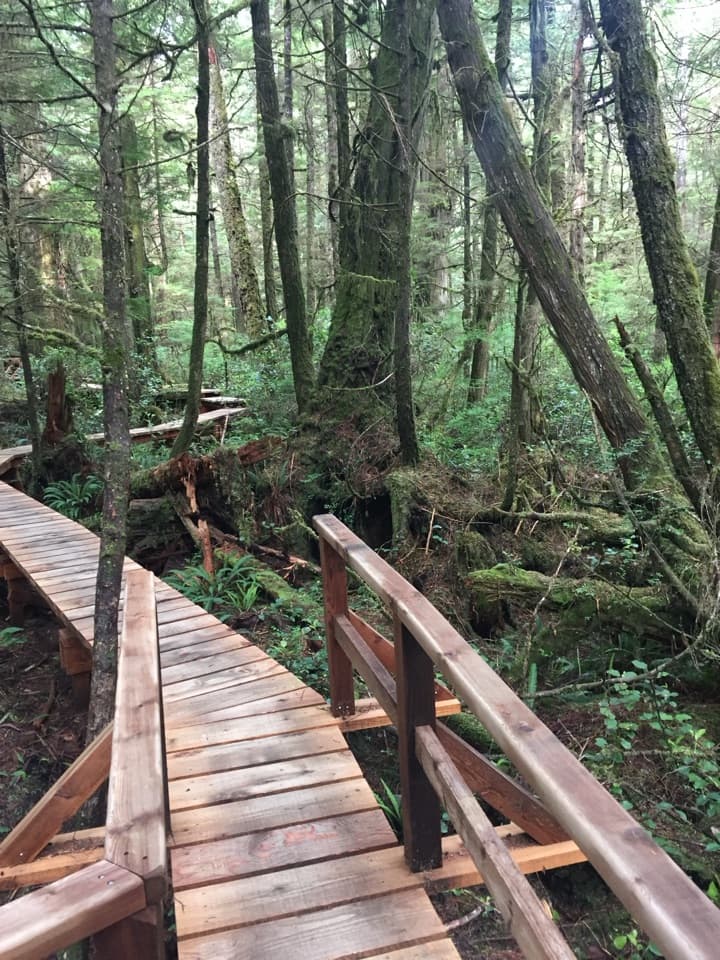
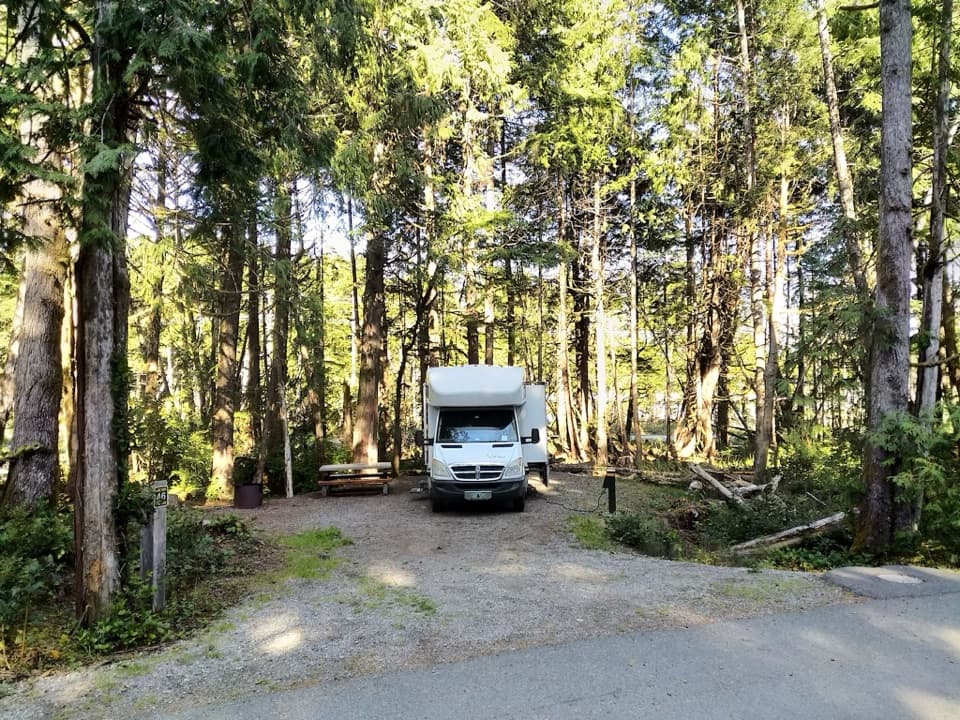
From a dedicated parking lot, a short forest trail (about 500 m one way) drops quickly through cedar–hemlock and Sitka spruce to the shore. Expect gravel sections, boardwalk, and some steps; there’s a welcome bench partway for the uphill return. Campers at nearby Green Point Campground also have a boardwalk access that leads onto this same stretch of sand.

What Makes It Different

The approach alone sets the tone—tunnel through towering, wind-sculpted trees, then step onto a big, open beach with room to breathe. It’s popular with surfers thanks to consistent waves, yet the sheer size means you can still find your own patch of sand. On clear days, the treetops and ocean horizon make easy, photo-worthy scenes.

Wildlife

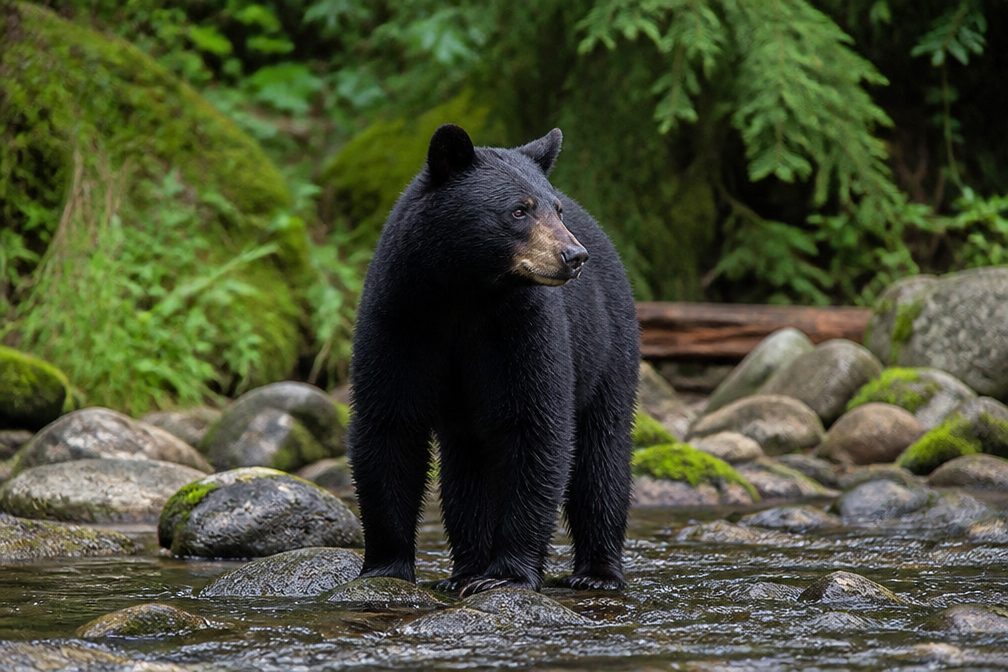
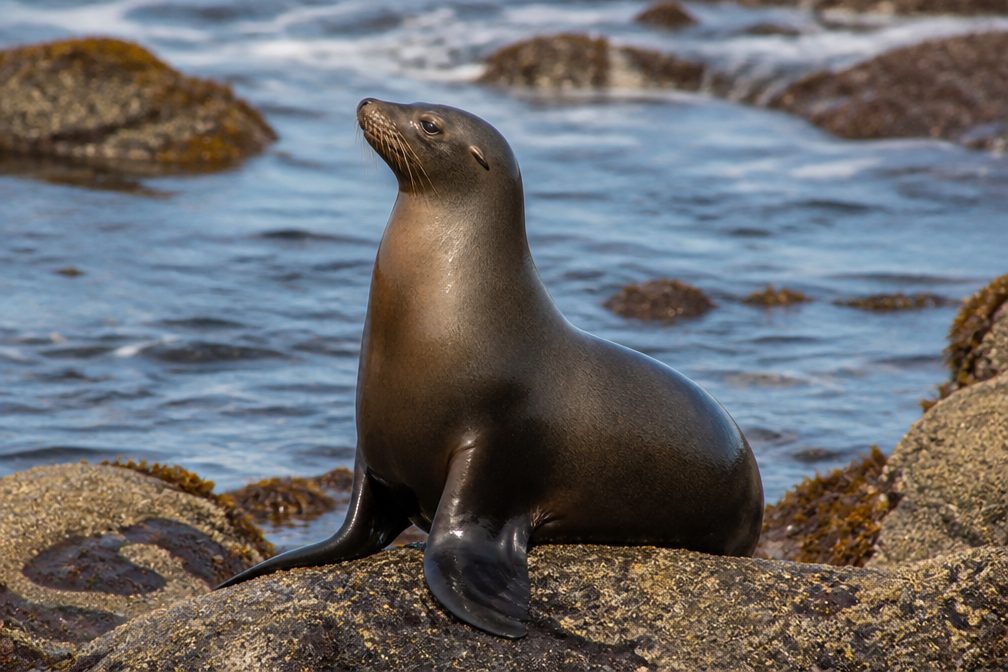
Shorebirds actively use this beach as a resting and feeding site, so keep eyes low and ears open along the wrack line. Offshore rocks sometimes host sea lions; scan with binoculars when the surf settles. The adjacent forest is habitat for wolves and black bears, though sightings on the beach are uncommon—respect closures and posted guidance.

Hazards, Tides & Creek Crossing

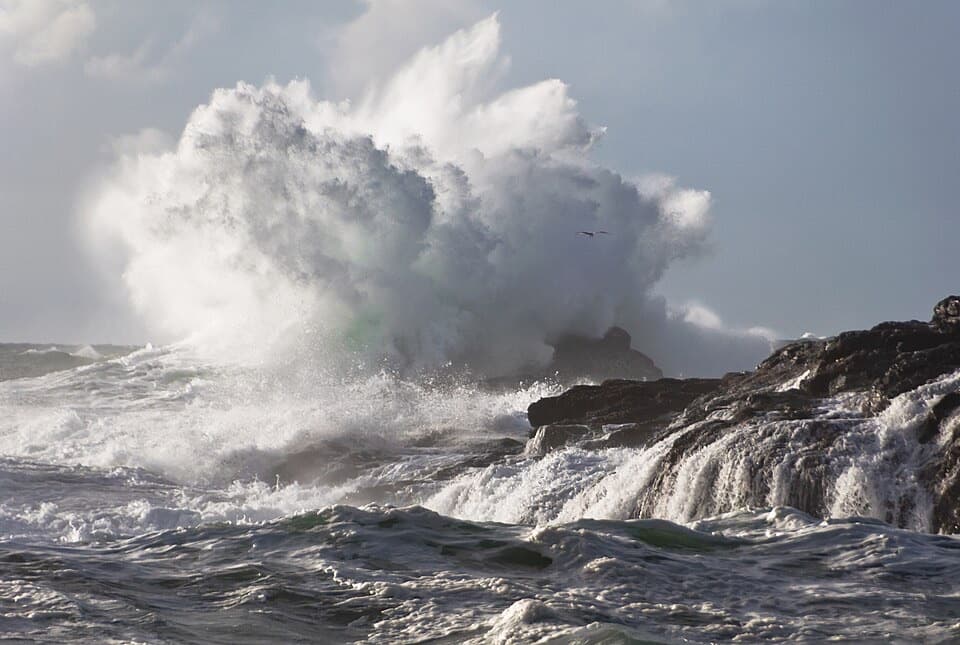
Sandhill Creek, to your left as you arrive, changes character with season and tide. If you need to cross, it’s usually shallower closer to the waves; check conditions and avoid swift or deep sections. Winter storms can pile driftwood, undercut banks, and make access tricky; portions of the trail aren’t maintained in winter/early spring. The surf is powerful—swim only if signs and conditions say it’s safe.

Activities

  • Beach walking in either direction with big Pacific views
  • Surfing when conditions line up
  • Birdwatching—especially along the intertidal and creek mouth
  • Low-key picnics tucked behind driftwood (pack out everything)

Cultural & Natural Context

The beach lies near the Esowista First Nations Reserve. The forest you walk through—a wind-shaped “spruce fringe”—is ecologically significant and increasingly rare, with interpretive signs highlighting why it matters.

Best Time to Visit

  • Low tide: Best for long walks and easier creek crossings.
  • Calm-weather days: The cross-breeze can be strong even when it’s sunny; bring layers.
  • Winter: Dramatic surf and storm watching can be rewarding but hazardous—mind surge warnings and changing access.

Rules That Matter

To protect wildlife (wolves and shorebirds), dogs are not permitted here from April 1 to October 1. That closure includes the Combers Beach Trail and the campground boardwalk access. Service animals are exempt.

Pros

  • Broad, wild sandy shoreline that rarely feels crowded
  • Short, atmospheric rainforest approach from a signed trailhead

Cons

  • Steep return climb from the beach
  • Dogs prohibited here Apr 1–Oct 1

Tips

  • Cross Sandhill Creek closer to the waves at low tide when it’s typically shallower.
  • Budget energy for the steep uphill return; use the bench as a mid-climb breather.
  • Pack layers—cross-breezes can be strong even on sunny days.
  • Obey the seasonal dog closure here from April 1 to October 1.
  • In winter, expect unmaintained sections, driftwood piles, and storm surge—check conditions first.
The Parkwolf tour guide sitting on a phone mounted in a car

Parkwolf Tour Guide

Like a tour guide in your car.

Save the places you found around Pacific Rim, then let Parkwolf guide the drive between them.Download Parkwolf on the App Store