Overview
About Uluṟu-Kata Tjuṯa Cultural Centre
Why stop
- A strong cultural introduction before you explore Uluṟu.
- Distinctive mud-brick architecture, galleries and a useful café on one campus.
Heads up
- There is a lot to take in; a quick stop can feel more like an information desk than a full visit.
Map
Where it is

The highest, rockiest slopes around here are a summer buffet for grizzly bears.
Uluru-Kata Tjuta Tour Guide
Your drive to Uluṟu-Kata Tjuṯa Cultural Centre, narrated.
Parkwolf is a GPS audio tour guide for Uluru-Kata Tjuta National Park. As you drive, it chimes in with what’s ahead: hidden gems, upcoming stops, history, geology, and wildlife, right through your car’s speakers.
See the Uluru-Kata Tjuta audio tourRecorded for this place
Cultural Centre: Stories, Art and a Café“You're coming up on the Cultural Centre, with exhibits, community-owned galleries and a café in one stop.”
Plays as you drive up to Uluṟu-Kata Tjuṯa Cultural Centre in the Parkwolf Uluru-Kata Tjuta Tour Guide.
More stories near here in the app
- A Finch Nest Built by Two
- Uluṟu: Mala Walk and Kaṉtju Gorge
- Kuniya Walk: Muṯitjulu Waterhole
- Paint from the Country
- 40 audio storiesacross Uluru-Kata Tjuta’s roads, triggered by GPS as you drive
- Wildlife heatmapsfor Dromedary Camel, Black-breasted Kite, Brown Falcon, and 13 more
- Works offlinemaps, 15 trails, 28 places, and audio download before you lose signal
- CarPlay readysimple controls built for the drive
“Fantastic app with many points of information… It’s great to just turn on while you’re driving and it gives you an audio tour of the national Park. We love it!!!!”


Guide
More about Uluṟu-Kata Tjuṯa Cultural Centre
Why start hereThe Uluṟu-Kata Tjuṯa Cultural Centre is the park’s interpretive visitor centre, on the main…
The Uluṟu-Kata Tjuṯa Cultural Centre is the park’s interpretive visitor centre, on the main road to Uluṟu. It brings together Aṉangu cultural interpretation, park information, art, community-owned shops and a café in one stop. Make it an early visit; allow at least two hours if you want time for the exhibits and Tjukurpa Tunnel.
Begin with Tjukurpa TunnelThis self-guided experience introduces Aṉangu law, stories and respectful behaviour through art…
This self-guided experience introduces Aṉangu law, stories and respectful behaviour through art and films, with wind sounds and inma (ceremonial song). Move quietly and take your time. Photography is prohibited inside the Tunnel for cultural reasons.
Look beyond the TunnelThe Nintiringkupai Information Room connects oral histories and Pitjantjatjara language with…
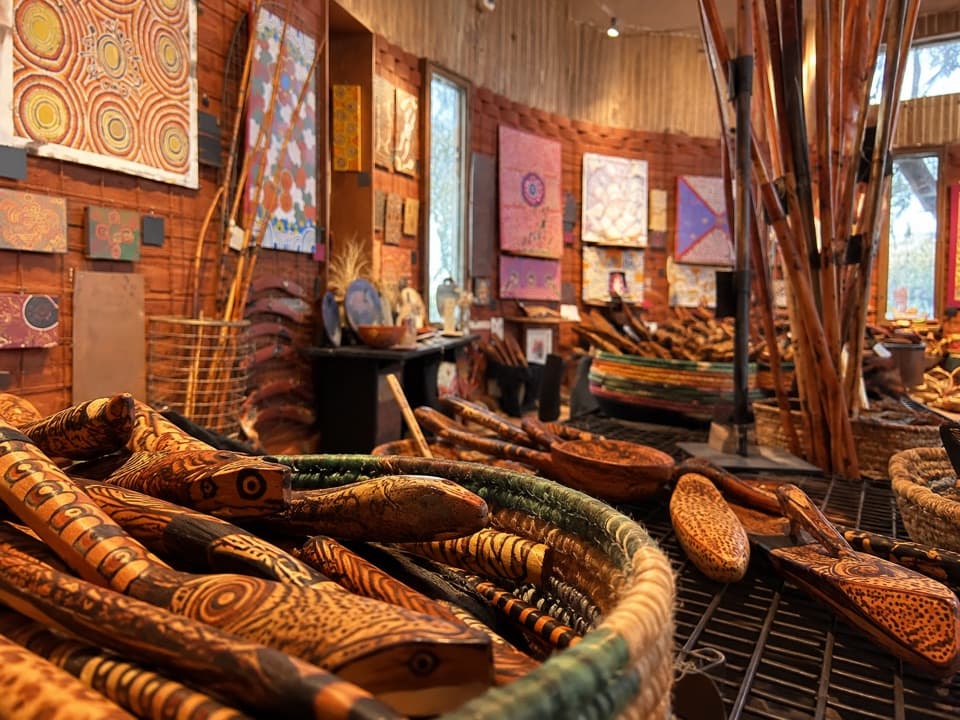
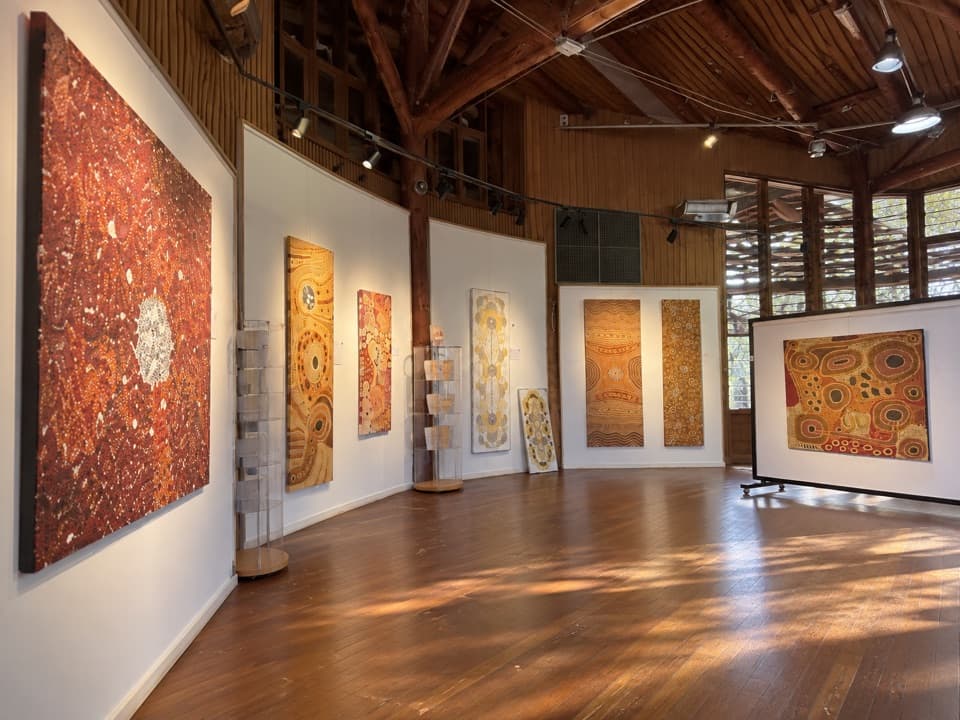
The Nintiringkupai Information Room connects oral histories and Pitjantjatjara language with joint park management, traditional burning, plants, animals and how Uluṟu formed. You can pick up a visitor guide and talk with rangers at the desk. The same campus has the Maṟuku Arts and Walkatjara Art galleries; works at Maṟuku come from more than 500 artists across over 20 remote communities, and Walkatjara is Muṯitjulu Community’s art centre, where artists may be working. There’s also a small oddity to look for at the desk: mala poo paper, made from droppings collected in the paddock that helps protect the threatened mala.
The building carries the storyThe centre opened in 1995, ten years after the handback of Uluṟu-Kata Tjuṯa to its Aboriginal…
The centre opened in 1995, ten years after the handback of Uluṟu-Kata Tjuṯa to its Aboriginal Traditional Owners. Its two curving, locally made mud-brick buildings represent Kuniya, the woma python woman, and Liru, the brown snake man. Their story is tied to the battle at Muṯitjulu Waterhole and the creation of Uluṟu. The design was worked out on site with the Muṯitjulu community, with stories mapped and the paths through the centre explored in sand drawings.
Eat and take a breakIninti is on the campus and is the park’s only place to buy food and drinks.
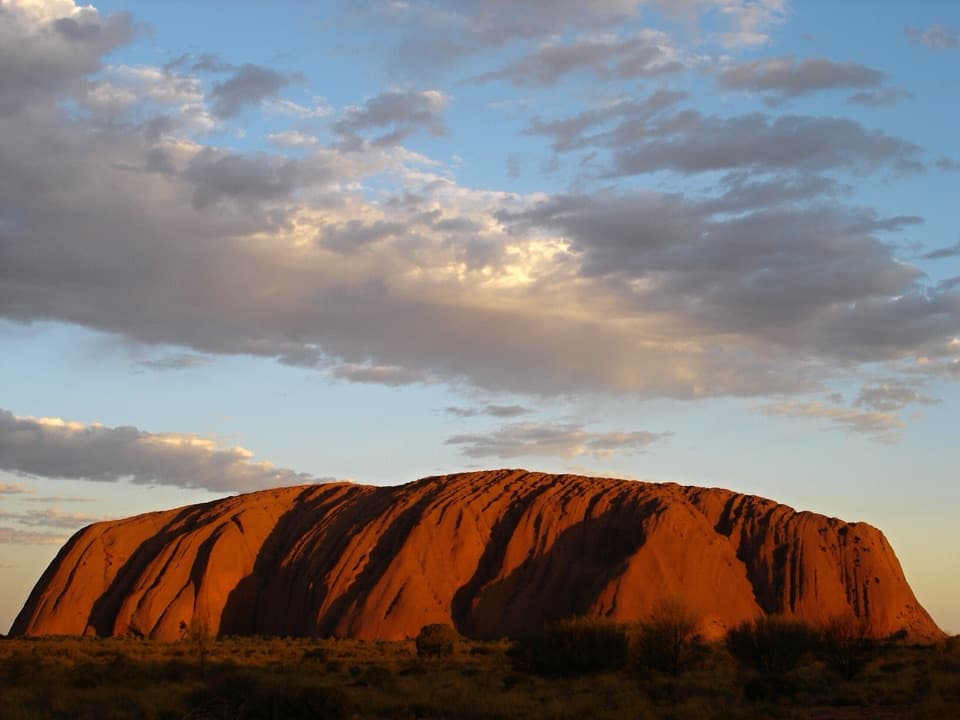
Ininti is on the campus and is the park’s only place to buy food and drinks. The Aboriginal-owned café serves coffee, hot meals, sandwiches, wraps, meat pies, sausage rolls, pastries and cakes, with indoor and outdoor seating and an upstairs lounge looking toward Uluṟu. Behind the centre, the picnic area has tables, gas barbecues and shelter. It also has an uninterrupted view of Uluṟu; the curved walls make a good foreground for a photo of the building with the rock behind it.
Fit it into your dayThe centre is about a 10–15-minute drive from the park entry station.
The centre is about a 10–15-minute drive from the park entry station. You need a park pass to enter the park, and a vehicle or organized tour to get around it. If you have a short visit, choose the displays and galleries you most want to see rather than trying to rush through everything.
Wildlife
Wildlife in Uluru-Kata Tjuta
 32 sightingsDromedary CamelMost seen around 6 PMSighting map
 14 sightingsBlack-breasted KiteMost seen around 10 AMSighting map
 27 sightingsBrown FalconMost seen around 7 AMSighting map
 11 sightingsWestern Brown SnakeMost seen around 9 AMSighting map
 32 sightingsMain's FrogMost seen around 7 PMSighting map
 17 sightingsRed-backed KingfisherMost seen around 7 AMSighting map
Sighting maps show where each species has been reported across Uluru-Kata Tjuta. Wildlife moves, so no sighting is guaranteed.