Overview
About Maṟuku Arts Gallery
Why stop
- Work sourced from 500+ artists across more than twenty communities.
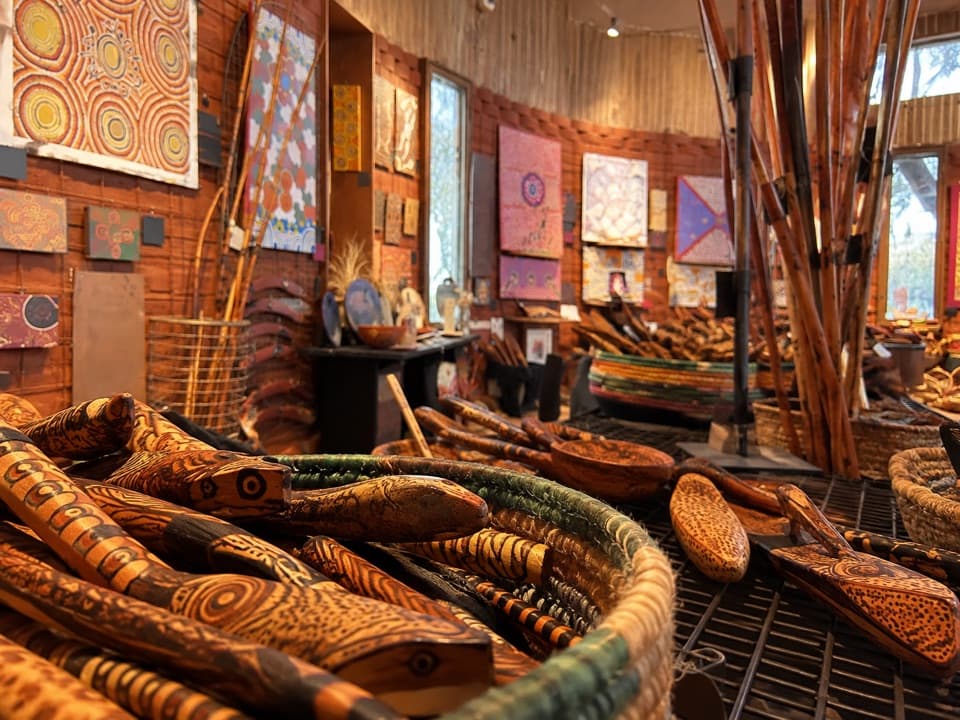
- A community-owned, not-for-profit gallery connects visitors with local artists.
Map
Where it is
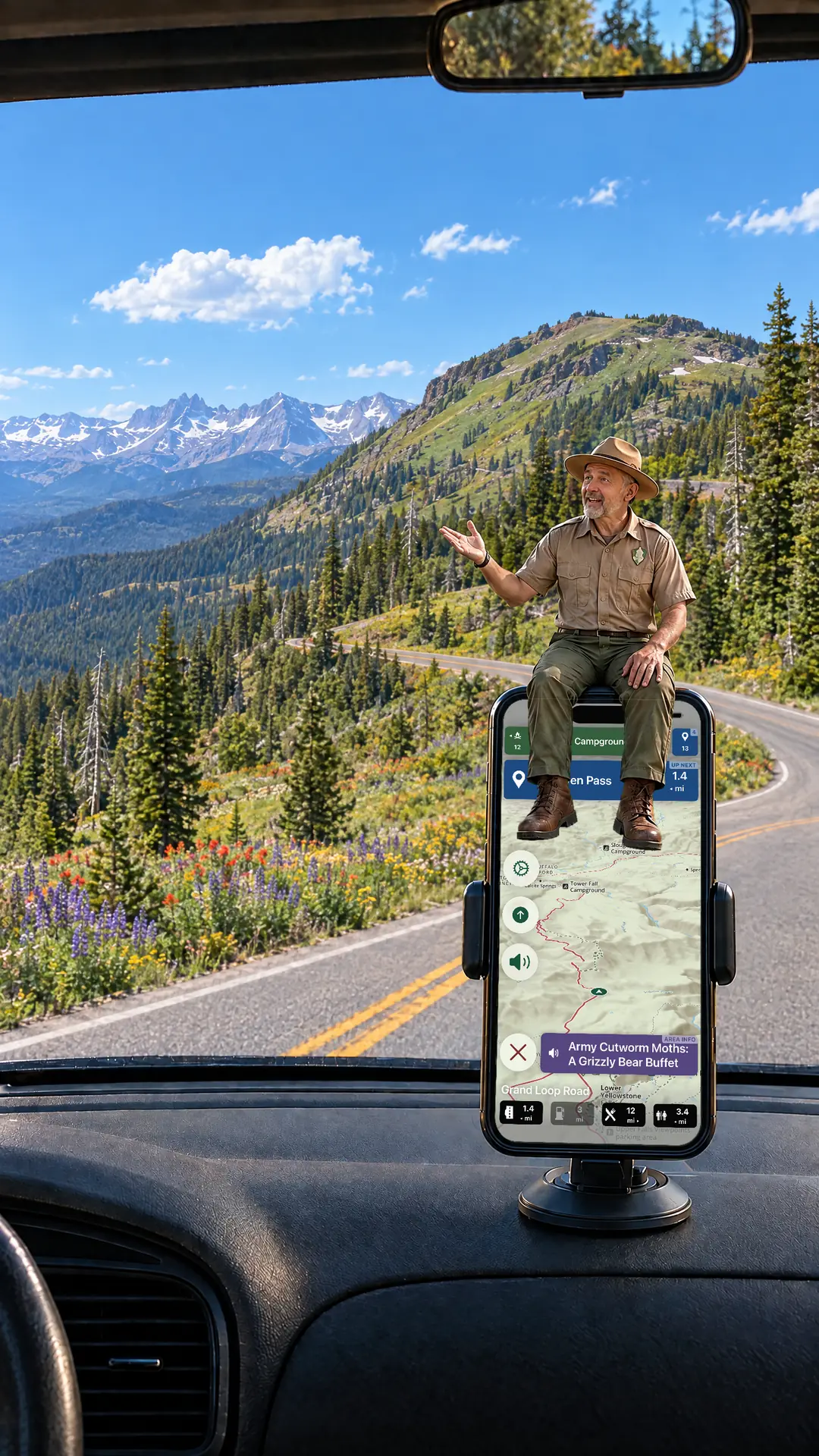
The highest, rockiest slopes around here are a summer buffet for grizzly bears.
Uluru-Kata Tjuta Tour Guide
Your drive to Maṟuku Arts Gallery, narrated.
Parkwolf is a GPS audio tour guide for Uluru-Kata Tjuta National Park. As you drive, it chimes in with what’s ahead: hidden gems, upcoming stops, history, geology, and wildlife, right through your car’s speakers.
See the Uluru-Kata Tjuta audio tourRecorded for this place
Cultural Centre: Stories, Art and a Café“You're coming up on the Cultural Centre, with exhibits, community-owned galleries and a café in one stop.”
Plays as you drive up to Maṟuku Arts Gallery in the Parkwolf Uluru-Kata Tjuta Tour Guide.
More stories near here in the app
- A Finch Nest Built by Two
- Uluṟu: Mala Walk and Kaṉtju Gorge
- Kuniya Walk: Muṯitjulu Waterhole
- Paint from the Country
- 40 audio storiesacross Uluru-Kata Tjuta’s roads, triggered by GPS as you drive
- Wildlife heatmapsfor Dromedary Camel, Black-breasted Kite, Brown Falcon, and 13 more
- Works offlinemaps, 15 trails, 28 places, and audio download before you lose signal
- CarPlay readysimple controls built for the drive
“Fantastic app with many points of information… It’s great to just turn on while you’re driving and it gives you an audio tour of the national Park. We love it!!!!”


Guide
More about Maṟuku Arts Gallery
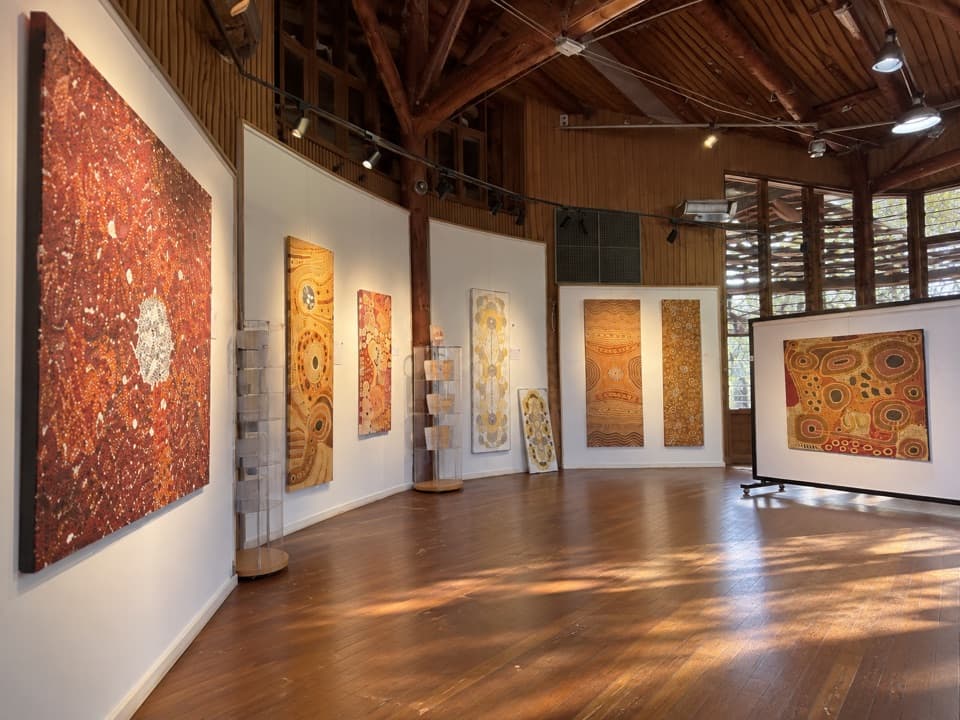
See work from across the desertMaṟuku Arts Gallery is an Aṉangu-owned and operated gallery inside the Uluṟu-Kata Tjuṯa…
Maṟuku Arts Gallery is an Aṉangu-owned and operated gallery inside the Uluṟu-Kata Tjuṯa Cultural Centre. It shows and sells handcrafted puṉu, including traditional wood art, tools and weapons, alongside other work sourced from more than 500 artists in over twenty Central and Western Desert communities and Homelands. The Cultural Centre has two distinct galleries; Maṟuku is separate from Walkatjara Art.
A direct link to artistsMaṟuku is a not-for-profit community organization incorporated in 1984.
Maṟuku is a not-for-profit community organization incorporated in 1984. It buys works directly from artists and returns them to its Muṯitjulu warehouse for treatment and cataloguing; some are offered for sale, while others go into exhibitions or the collection. Its profits are invested back into the local community. If a piece catches your eye, ask about the artist and its story; visitors often found those explanations added welcome context.
Pair it with the rest of the Cultural CentreThe gallery is one part of a larger visitor stop.
The gallery is one part of a larger visitor stop. Allow at least two hours for the Cultural Centre as a whole: it also has information and displays about oral histories, language, joint management, traditional burning, local plants and animals, and Uluṟu's formation. Ininti Café is on site and is the only place in the park where you can buy food and drinks, making it an easy option if you plan to spend time exploring the centre.
Wildlife
Wildlife in Uluru-Kata Tjuta
 32 sightingsDromedary CamelMost seen around 6 PMSighting map
 14 sightingsBlack-breasted KiteMost seen around 10 AMSighting map
 27 sightingsBrown FalconMost seen around 7 AMSighting map
 11 sightingsWestern Brown SnakeMost seen around 9 AMSighting map
 32 sightingsMain's FrogMost seen around 7 PMSighting map
 17 sightingsRed-backed KingfisherMost seen around 7 AMSighting map
Sighting maps show where each species has been reported across Uluru-Kata Tjuta. Wildlife moves, so no sighting is guaranteed.