Overview
About Kuḻpi Nyiinkaku (Teaching Cave)
Why stop
- Its teaching story brings specific meaning to the layered cave paintings.
Heads up
- The cave is not marked wheelchair-accessible.
Map
Where it is
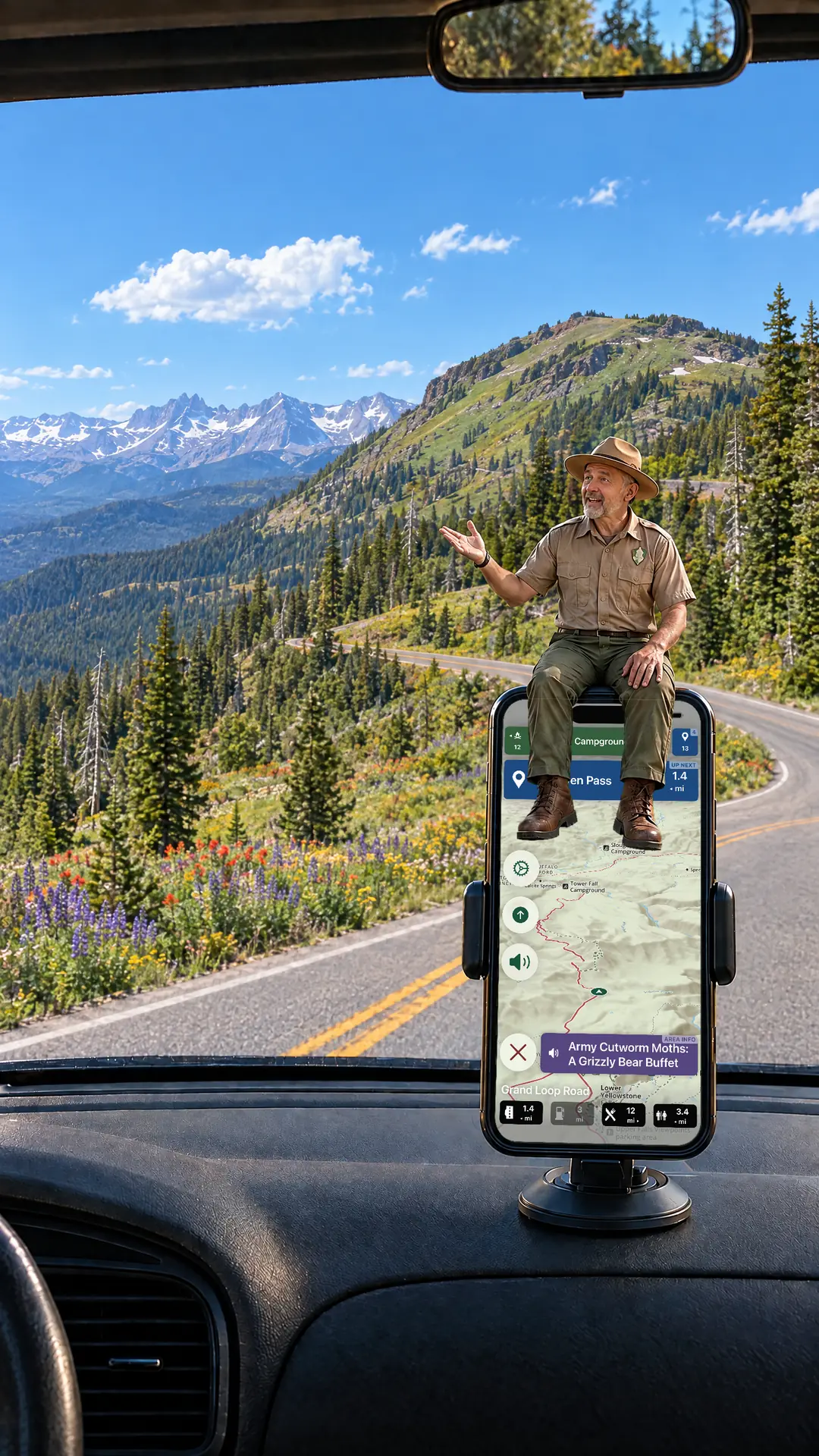
The highest, rockiest slopes around here are a summer buffet for grizzly bears.
Uluru-Kata Tjuta Tour Guide
Your drive to Kuḻpi Nyiinkaku (Teaching Cave), narrated.
Parkwolf is a GPS audio tour guide for Uluru-Kata Tjuta National Park. As you drive, it chimes in with what’s ahead: hidden gems, upcoming stops, history, geology, and wildlife, right through your car’s speakers.
See the Uluru-Kata Tjuta audio tourRecorded for this place
Uluṟu: Mala Walk and Kaṉtju Gorge“You're approaching Mala carpark at the base of Uluṟu. For a close look without spending the whole morning walking, I'd choose the Mala Walk to Kaṉtju Gorge: two kilometres return, allowing about ninety minutes.”
Plays as you drive up to Kuḻpi Nyiinkaku (Teaching Cave) in the Parkwolf Uluru-Kata Tjuta Tour Guide.
More stories near here in the app
- A Finch Nest Built by Two
- An Emu Dad on Duty
- Kuniya Walk: Muṯitjulu Waterhole
- Cultural Centre: Stories, Art and a Café
- 40 audio storiesacross Uluru-Kata Tjuta’s roads, triggered by GPS as you drive
- Wildlife heatmapsfor Dromedary Camel, Black-breasted Kite, Brown Falcon, and 13 more
- Works offlinemaps, 15 trails, 28 places, and audio download before you lose signal
- CarPlay readysimple controls built for the drive
“Fantastic app with many points of information… It’s great to just turn on while you’re driving and it gives you an audio tour of the national Park. We love it!!!!”


Guide
More about Kuḻpi Nyiinkaku (Teaching Cave)
A teaching cave on the Mala WalkKuḻpi Nyiinkaku is a rock shelter at Uluṟu’s base, known as the teaching cave and one of the…
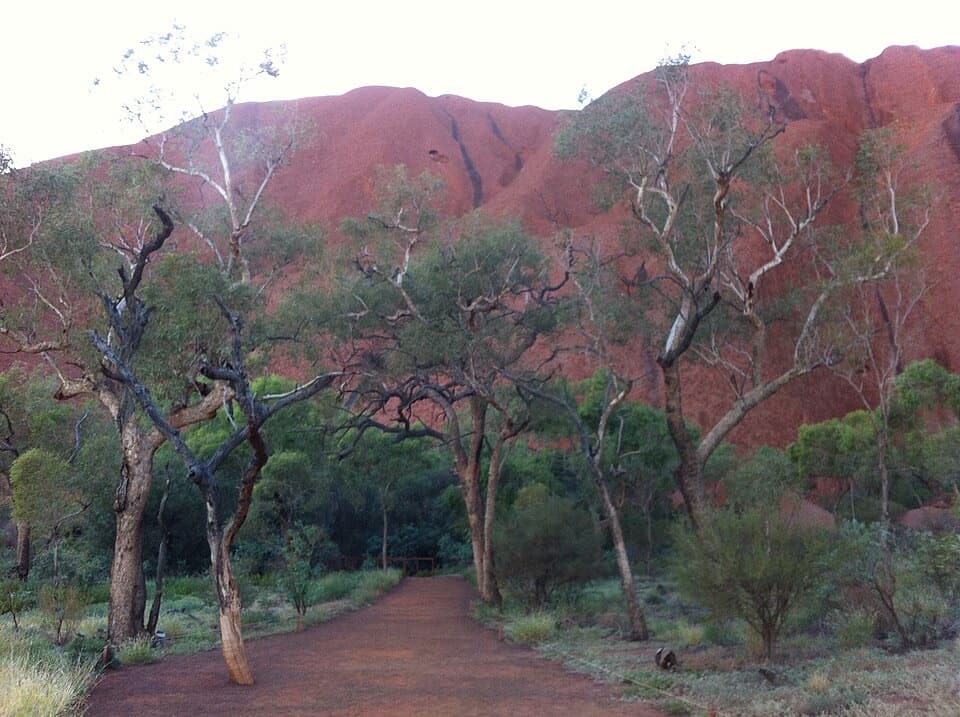
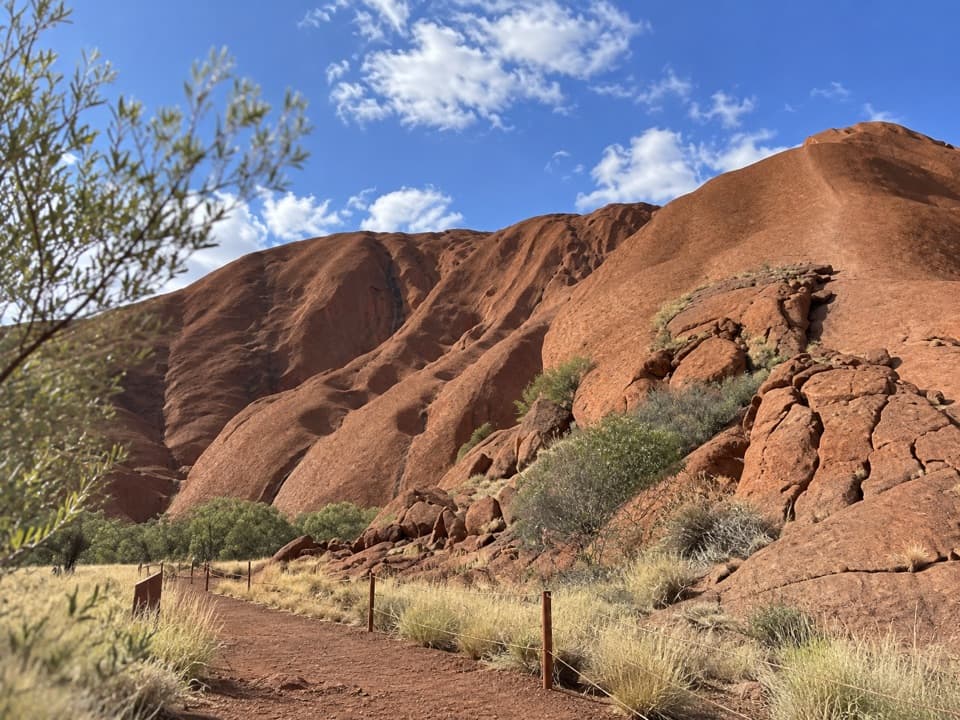
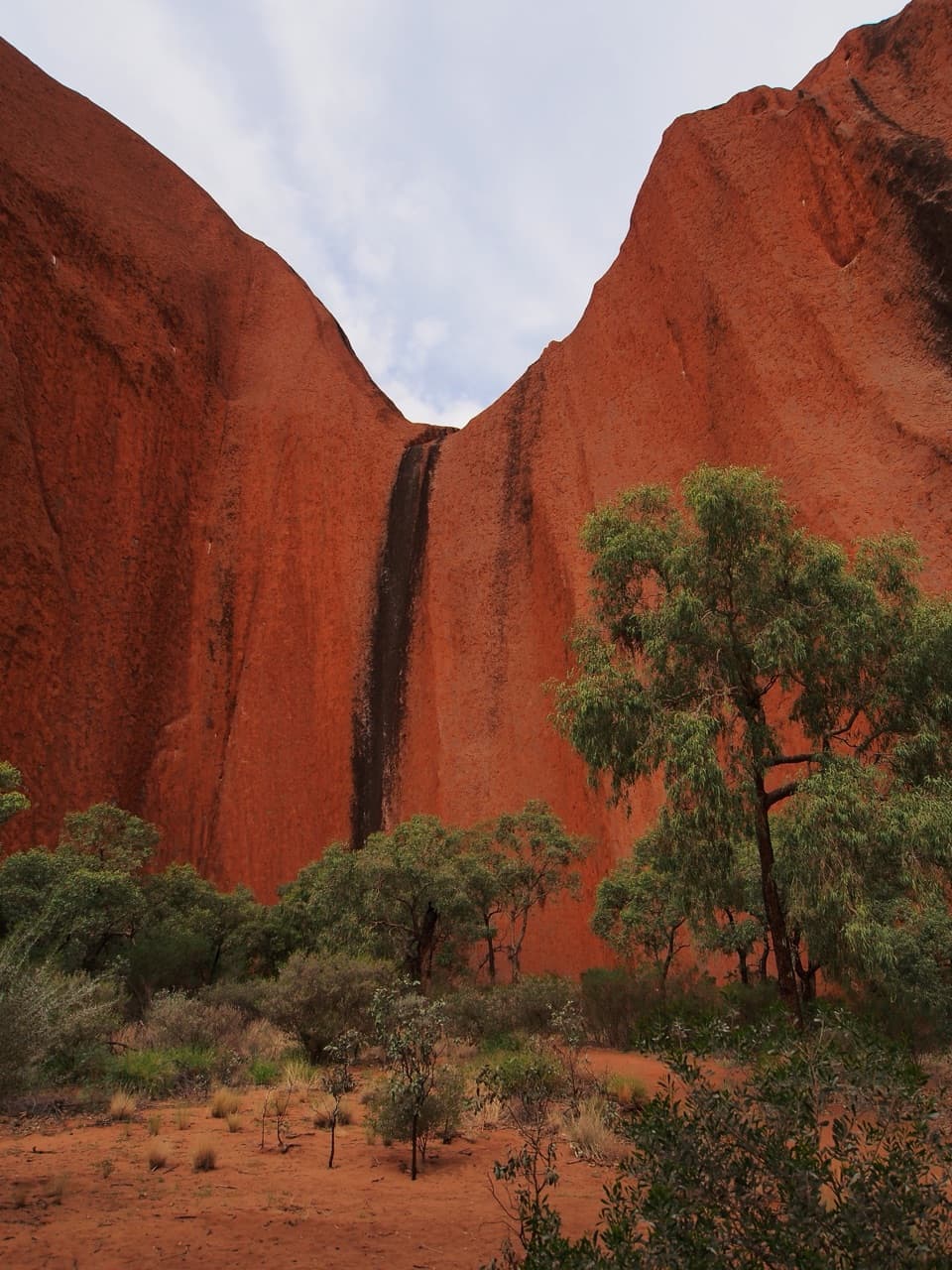
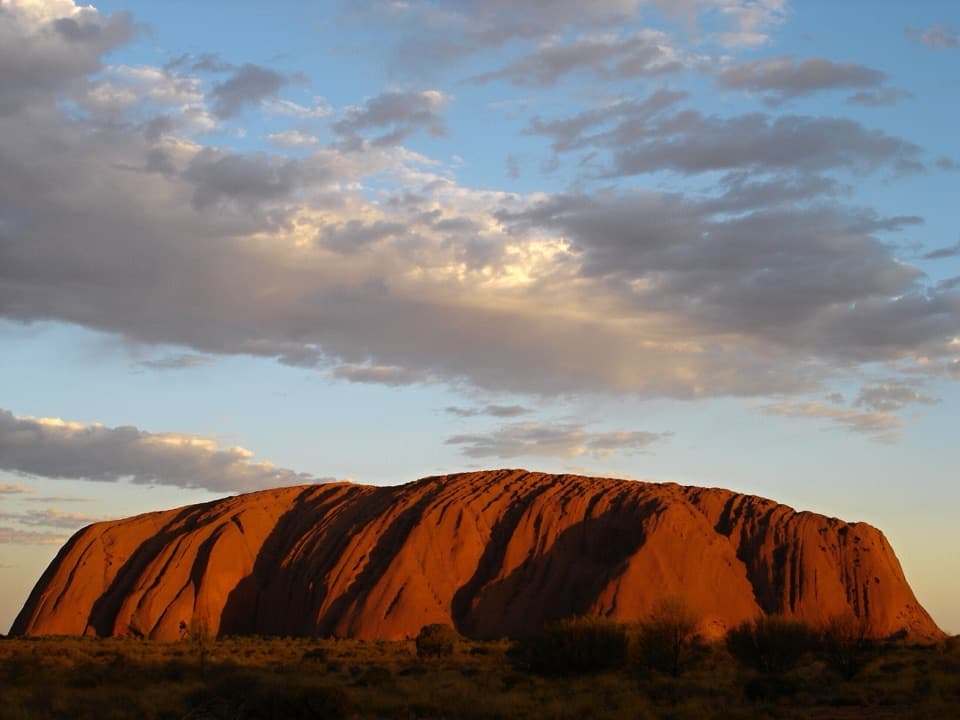
Kuḻpi Nyiinkaku is a rock shelter at Uluṟu’s base, known as the teaching cave and one of the Mala Walk’s cultural stops. It lies along the route from Mala carpark to Kaṉtju Gorge, so plan to reach it on foot as part of the walk. The full route is 2 km return, grade 2, and takes about 1 hour 30 minutes. The cave is not marked wheelchair-accessible.
The Mala Walk is often busy with guided groups in mid-morning and late afternoon; the park says it can be quiet at sunset.
What the cave taughtIn the Mala story, nyiinka (bush boys) camped here as they prepared to become wati (men).
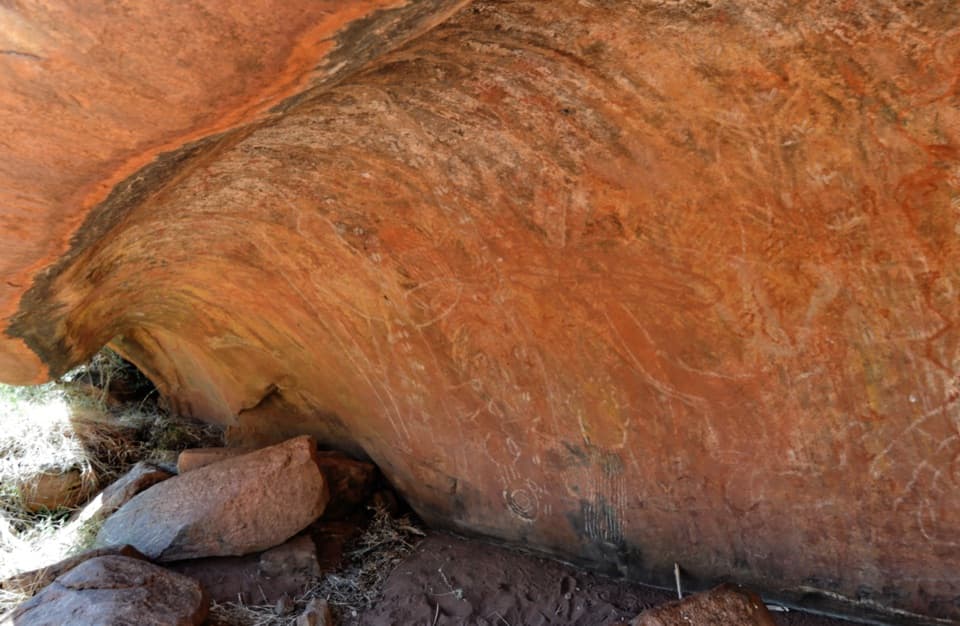
In the Mala story, nyiinka (bush boys) camped here as they prepared to become wati (men). Their grandfathers painted pictures in the cave to teach tracking and hunting for kuka (food animals). Lessons continued out on Country, where the boys learned where to find water and animals and how to find materials for tools and weapons. The training could last several years, until they had shown hunting skill, self-reliance and discipline.
Paintings with layersUluṟu’s rock art sites hold layers of pictures, symbols and figures painted over one another.
Uluṟu’s rock art sites hold layers of pictures, symbols and figures painted over one another. The images worked like teaching notes; only people who took part in the lesson could fully understand them, so don’t expect every mark to have a simple explanation for visitors.
The paintings are difficult to date directly. Carbon dating can measure rock and pigment materials, not the moment a particular image was made. The region’s long human history is not a date for the art in this cave.
Look closely, don’t touchThe painted rock wall is the reason to pause here.
The painted rock wall is the reason to pause here. Look for marks layered over one another, and photograph them from the visitor area without touching the surface. Water and contact can damage the pigment; pouring water on paintings to make them show better in photographs is a practice that stopped because it caused harm.
Wildlife
Wildlife in Uluru-Kata Tjuta
 32 sightingsDromedary CamelMost seen around 6 PMSighting map
 14 sightingsBlack-breasted KiteMost seen around 10 AMSighting map
 27 sightingsBrown FalconMost seen around 7 AMSighting map
 11 sightingsWestern Brown SnakeMost seen around 9 AMSighting map
 32 sightingsMain's FrogMost seen around 7 PMSighting map
 17 sightingsRed-backed KingfisherMost seen around 7 AMSighting map
Sighting maps show where each species has been reported across Uluru-Kata Tjuta. Wildlife moves, so no sighting is guaranteed.