1 active Abel Tasman alert
- ClosureRoad resealing closures near Kaiteriteri, 29–30 OctoberExpect rolling closures on roads near Kaiteriteri from 6am to 8pm on Thursday 29 and Friday 30 October while crews reseal the roads.Official details
Campground · Abel Tasman National Park
A remote beach camp beside a restored coastal farmhouse.
Overview
Map
Plan your stop

The highest, rockiest slopes around here are a summer buffet for grizzly bears.
Abel Tasman Tour Guide
Parkwolf is a GPS audio tour guide for Abel Tasman National Park. As you drive, it chimes in with what’s ahead: hidden gems, upcoming stops, history, geology, and wildlife, right through your car’s speakers.
Recorded for this area
Wainui Bay Coast Track Entrance“Wainui Bay's Coast Track entrance is coming up. The walk to Whariwharangi Bay takes about four hours return, with a climb over a saddle each way, so save it for a proper half-day outing.”
Plays on the road 3 km from Whariwharangi Bay in the Parkwolf Abel Tasman Tour Guide.
More stories near here in the app
“Fantastic app with many points of information… It’s great to just turn on while you’re driving and it gives you an audio tour of the national Park. We love it!!!!”


Guide
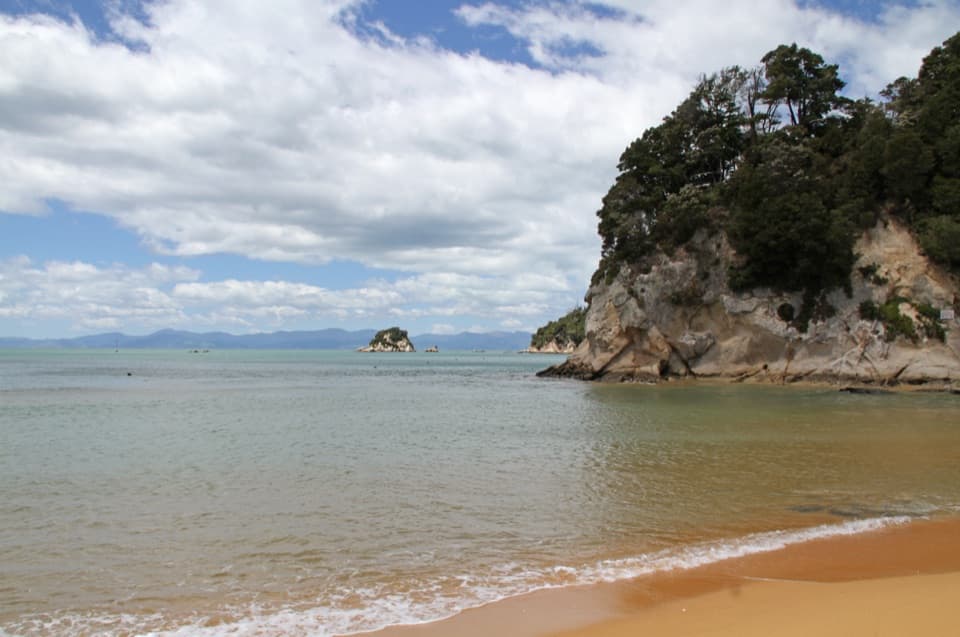
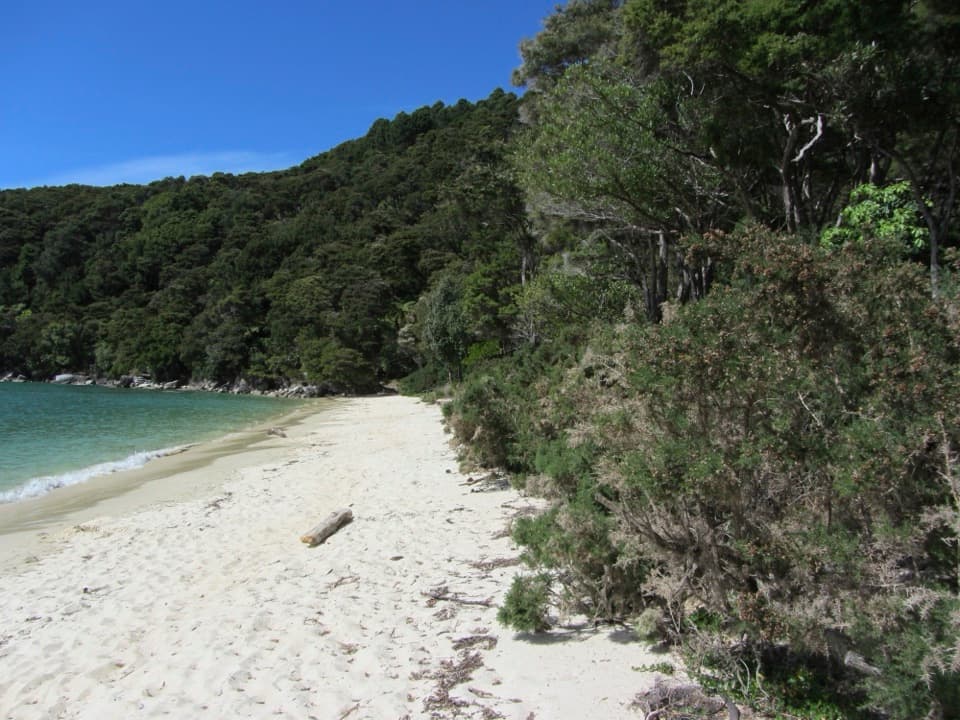
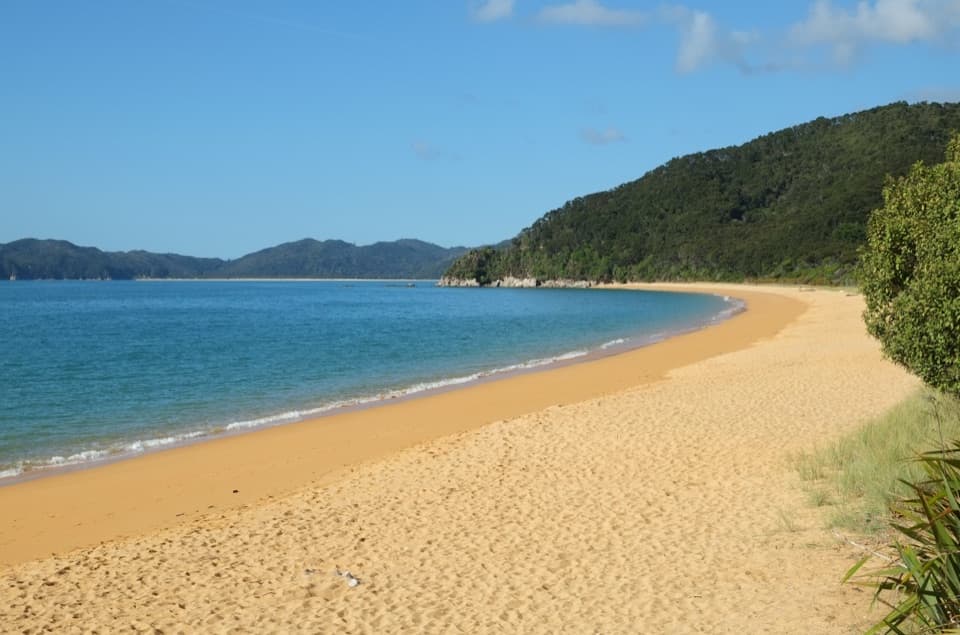
Whariwharangi Bay is a beach and 20-site tent campground on the northern Abel Tasman Coast Track, with a historic farmhouse hut in the grassy clearing behind the sand. Think of it as an overnight stop on foot or by boat, not a quick drive-up beach. There is no road to the bay, and scheduled water taxis stop at Tōtaranui.
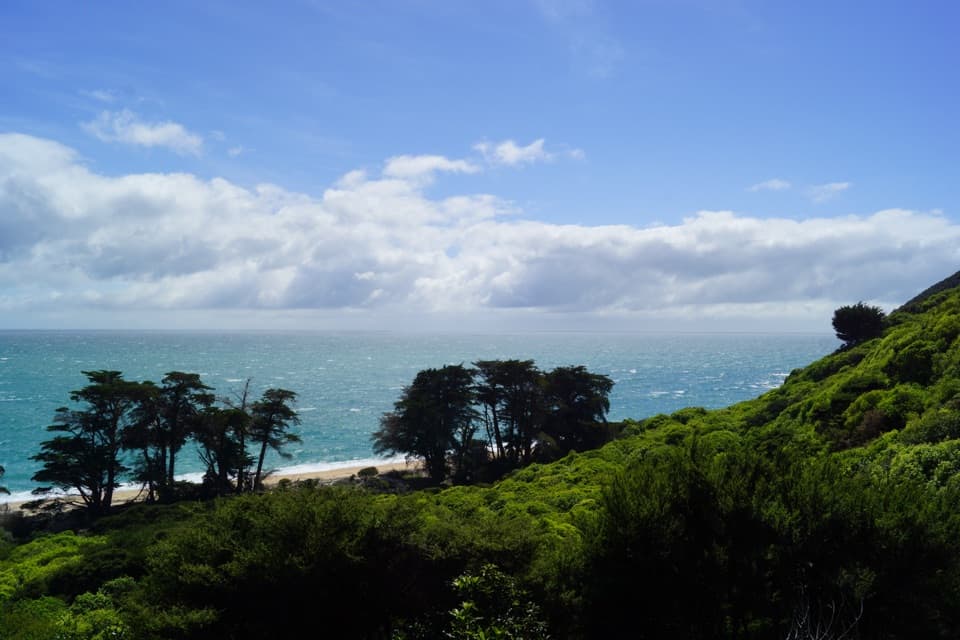
From Wainui car park, allow about 2 hours for 5.7 km on the Coast Track. From Tōtaranui, the route over Gibbs Hill takes a little over three hours. Both approaches are proper walks; the coastline alternates sandy beaches with rocky headlands, and the track climbs from the bay to a saddle overlooking Wainui Inlet. Boat access is possible, but arrange it independently. Dogs aren't allowed.
The campground has 20 non-powered tent sites and requires advance booking. It has flush toilets, but the water is untreated, so boil it before drinking. You can't buy food along the Coast Track; carry your meals and snacks. Fires are limited to designated fireplaces when there is no fire ban.
The separate Whariwharangi Hut just behind the beach began as a farmhouse built by John Handcock around 1896. His family lived in the valley for 15 years; the homestead stopped being lived in after 1926, and farming continued in the northern end of the park until 1972. The park board restored the building in 1980 as a tramping hut, a reminder of the area's pastoral history.
From the beach, frame the sand with the old farmhouse just behind it. On the walk out, the saddle opens toward Wainui Inlet, giving you a higher view after time at the water's edge.
Wildlife
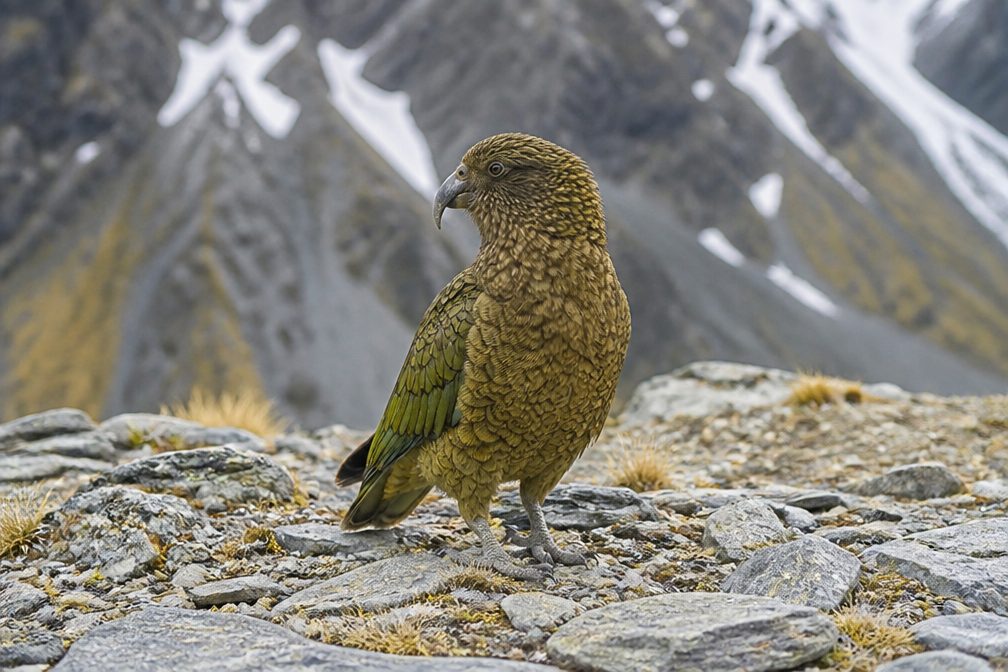 10 sightingsKeaMost seen around 10 AMSighting map
 54 sightingsNew Zealand Fur SealMost seen around 10 AMSighting map
 20 sightingsLittle PenguinMost seen around 9 PMSighting map
 21 sightingsSouth Island KākāMost seen around 5 PMSighting map
 527 sightingsWekaMost seen around 9 AMSighting map
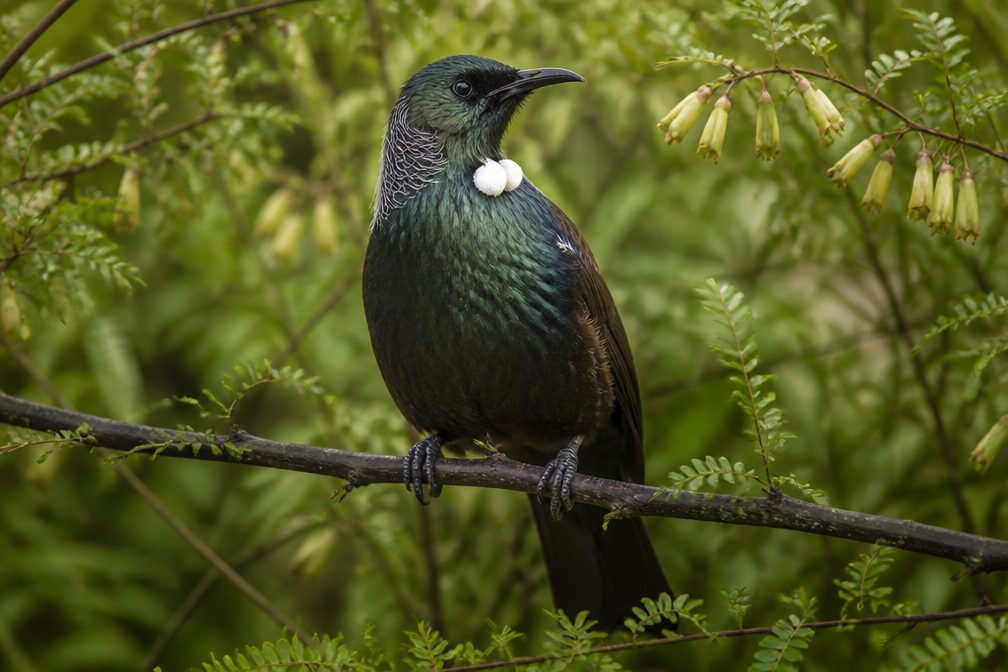 16 sightingsTūīMost seen around 7 AMSighting map
Sighting maps show where each species has been reported across Abel Tasman. Wildlife moves, so no sighting is guaranteed.
Keep exploring
ModerateWainui to Whariwharangi Bay11.4 km · 4 hr · 2.8 km awayA saddle climb to a historic homestead beside a northern bay.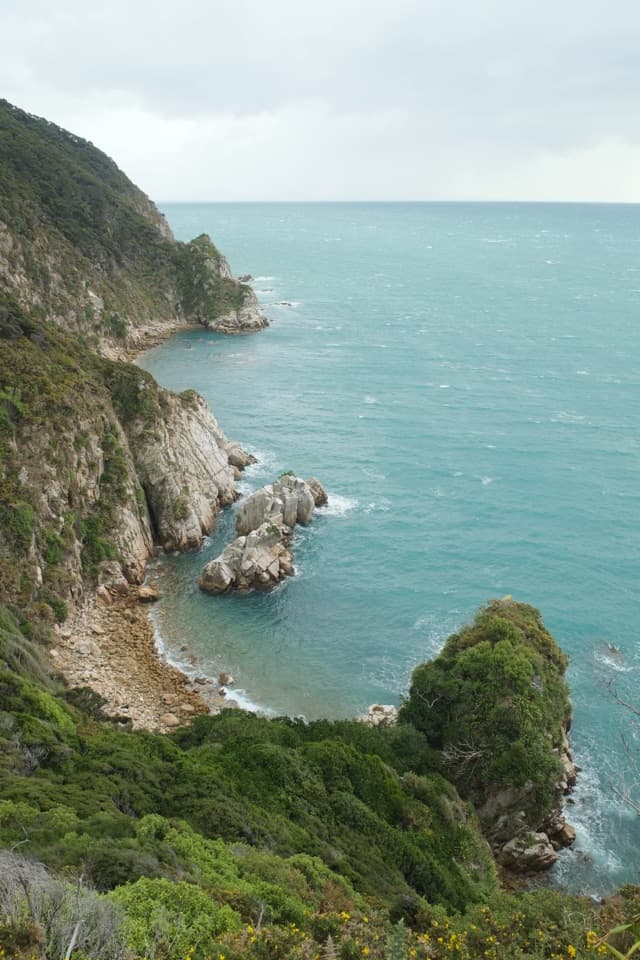 ModerateWainui to Separation Point17.8 km · 5 hr · 2.8 km awayReach the rocky divide between Golden Bay and Tasman Bay.
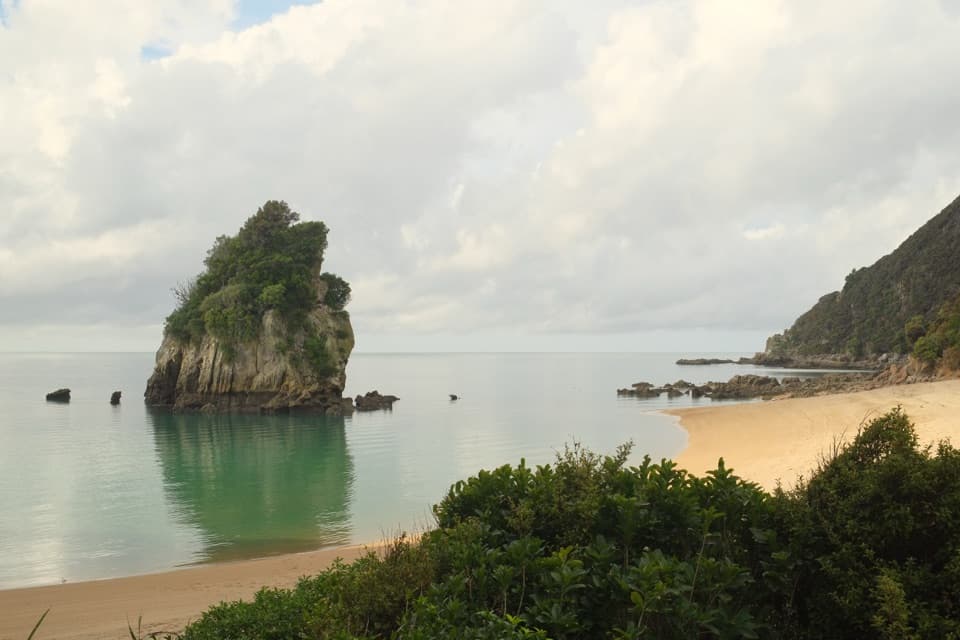 ModerateTaupō Point Track5 km · 2.5 hr · 2.8 km awayA tide-sensitive coast walk with Māori heritage and limestone stacks.
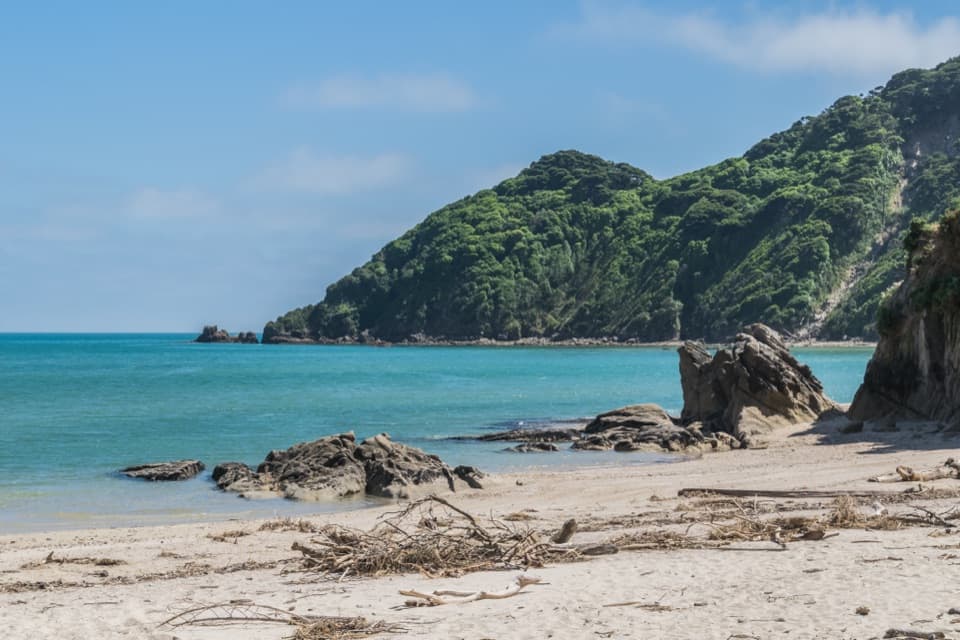 EasyWainui Bay Beach Walk2.3 km · 45 min · 2.8 km awayA short track opens onto an inlet-mouth beach.
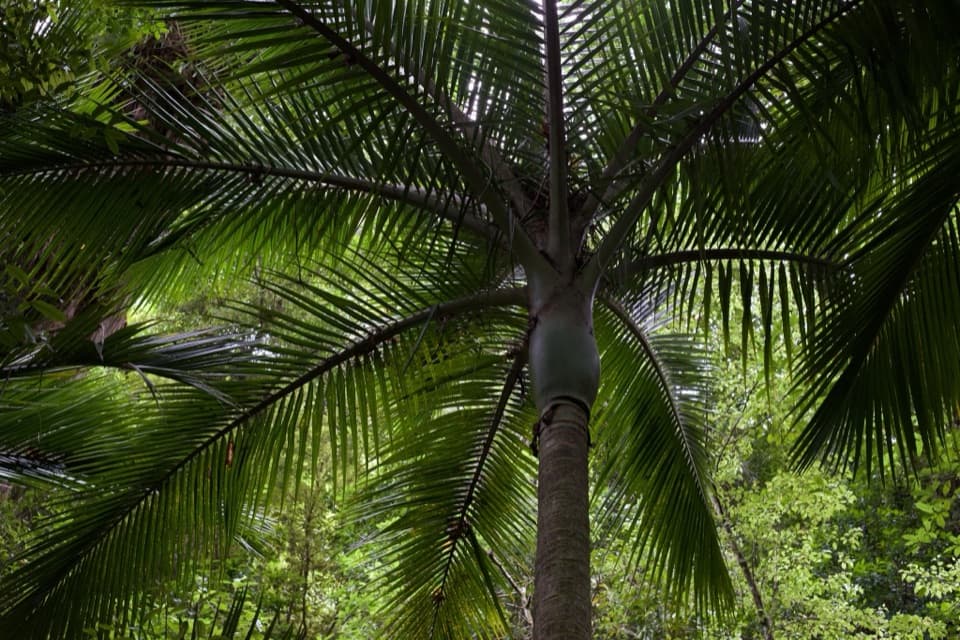 EasyPukatea Walk0.8 km · 30 min · 3.9 km awayA curving raupō boardwalk leads into pukatea and nīkau forest
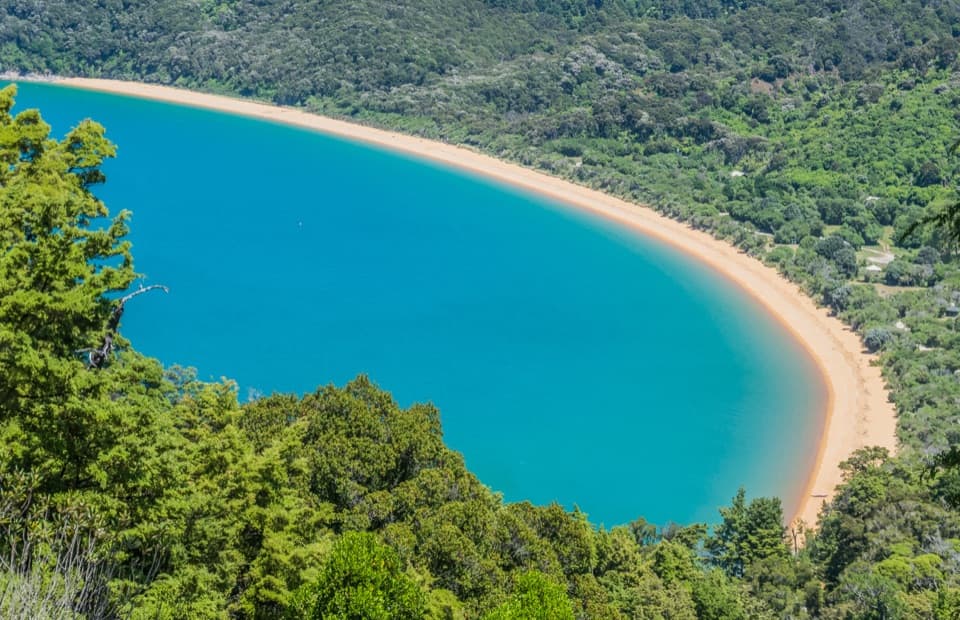 ModerateHeadlands Track3.8 km · 1.3 hr · 4.1 km awayA wooded headland walk with a pocket view of Tōtaranui and Awaroa.
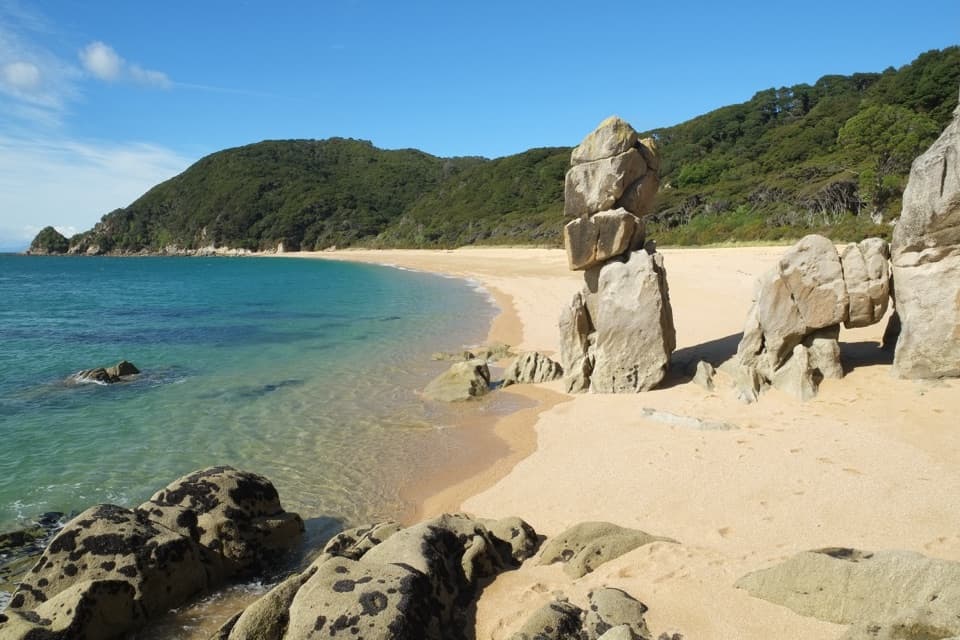 ModerateTōtaranui to Anapai Bay6.4 km · 2.5 hr · 4.5 km awayA low saddle leads to Anapai’s divided beach and granite stacks.
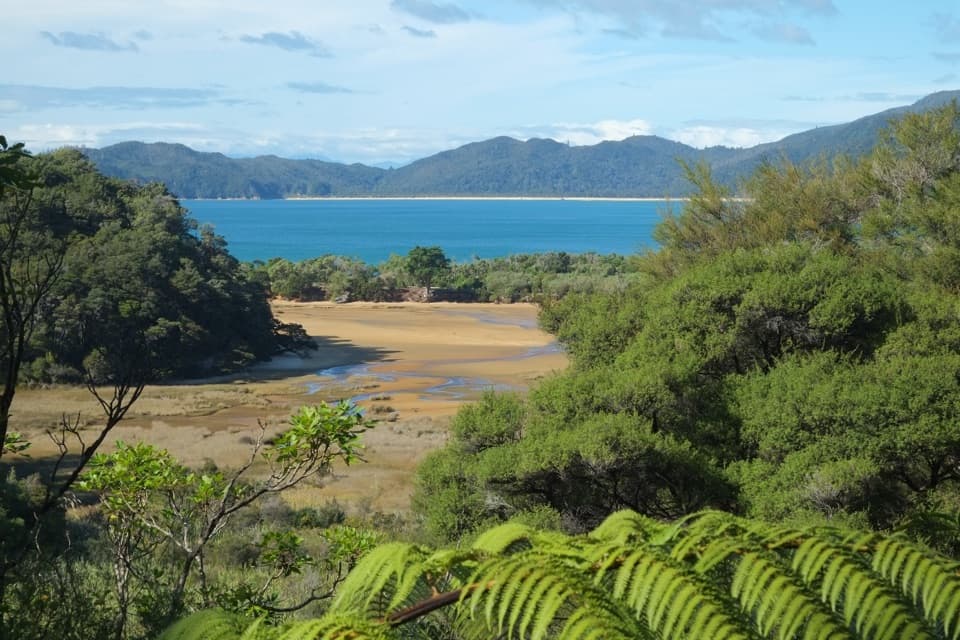 ChallengingGibbs Hill to Whariwharangi Bay Loop Track18.3 km · 5.5 hr · 4.5 km awayA steep ridge and a restored homestead reward the coastal loop.
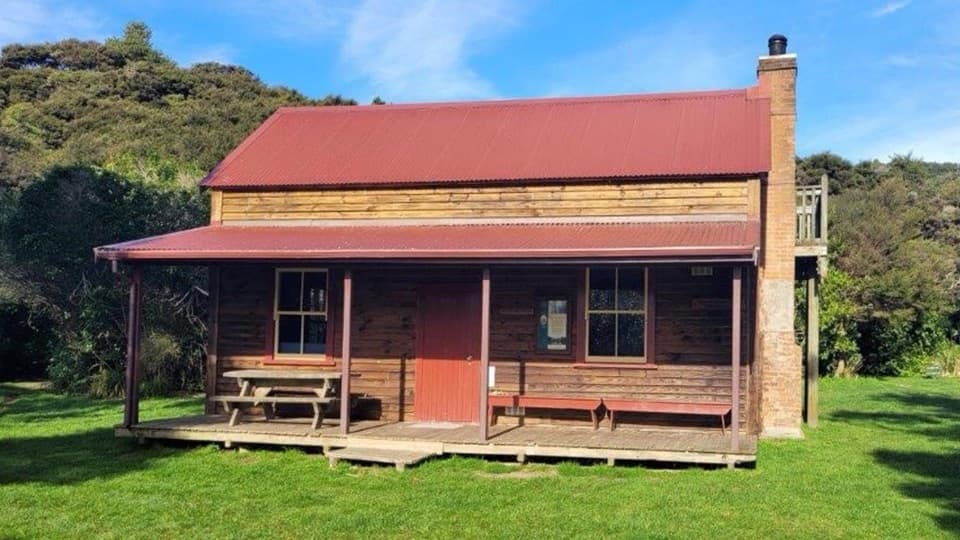 Lodging · At the trailheadWhariwharangi HutSleep in a restored farmhouse at the Coast Track's northern end.Sight · 1.6 km awayTaupō PointA tide-dependent walk to a Māori pā on Wainui Inlet.
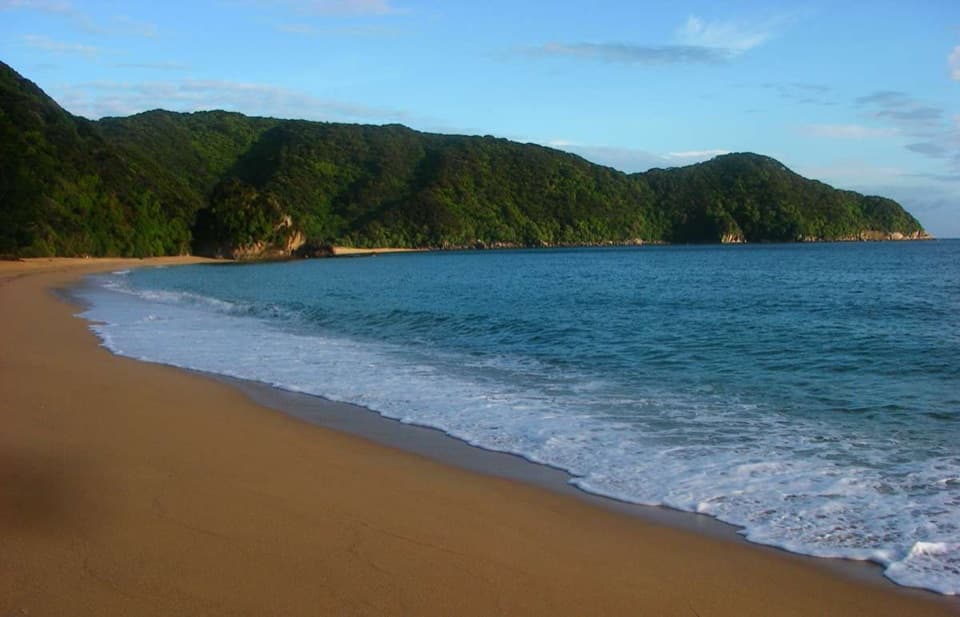 Campground · 1.7 km awayMutton CoveA quiet beachside campsite at Abel Tasman's remote northern end.
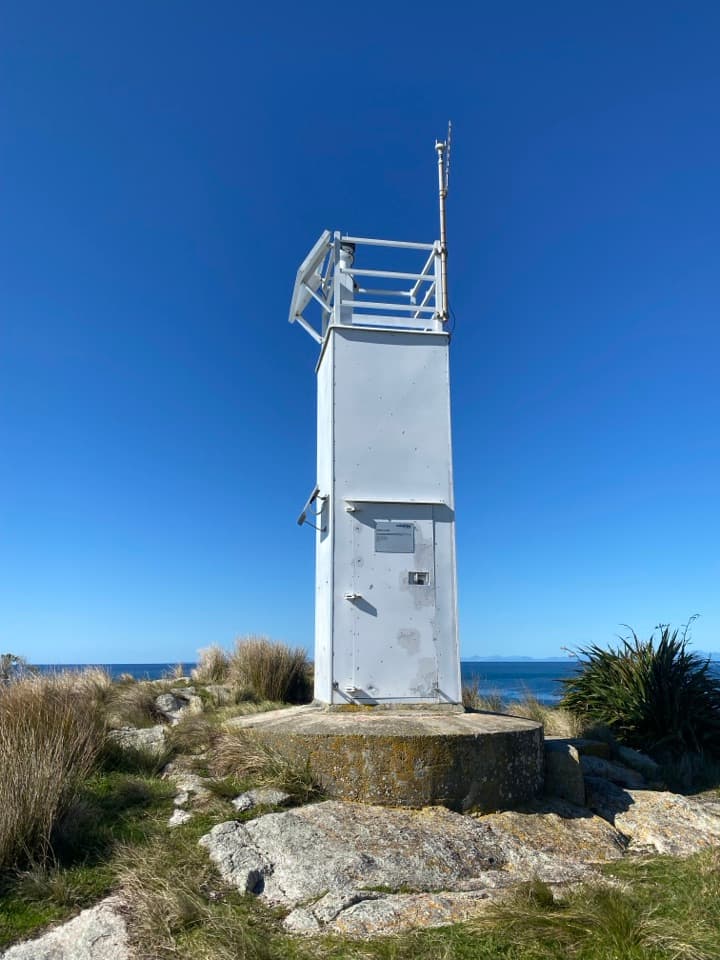 Sight · 2.2 km awaySeparation Point / Te MatauA long walk to a rugged headland above two bays.Beach · 2.9 km awayAnapai BayA northern beach with golden sand, stacked rocks and six tent sites.
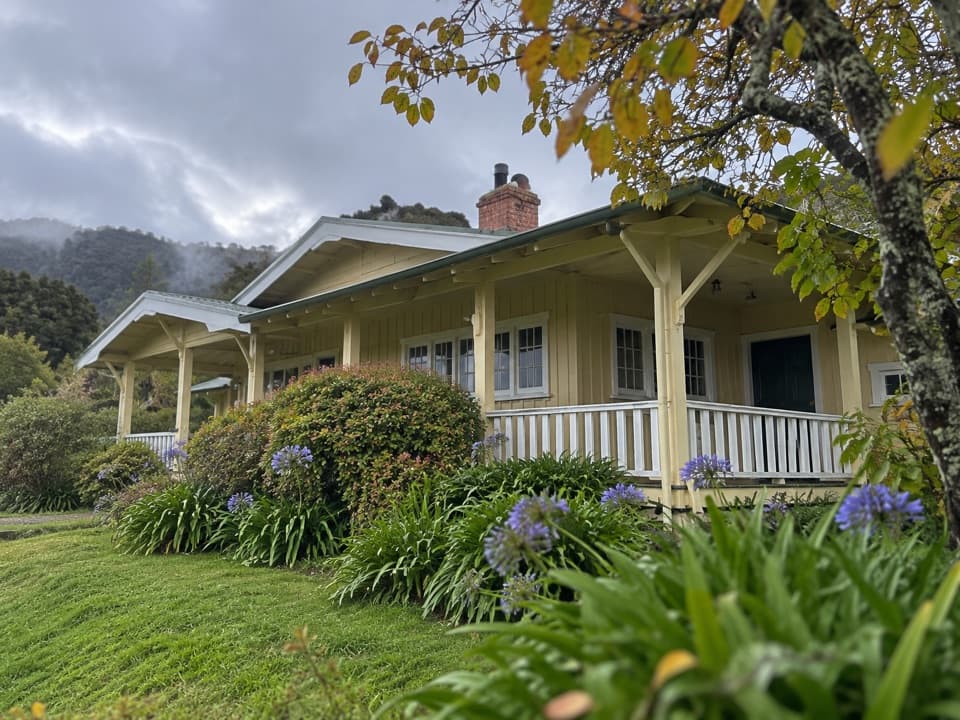 Lodging · 4 km awayNgarata HomesteadA 1914 homestead group stay for exploring Tōtaranui
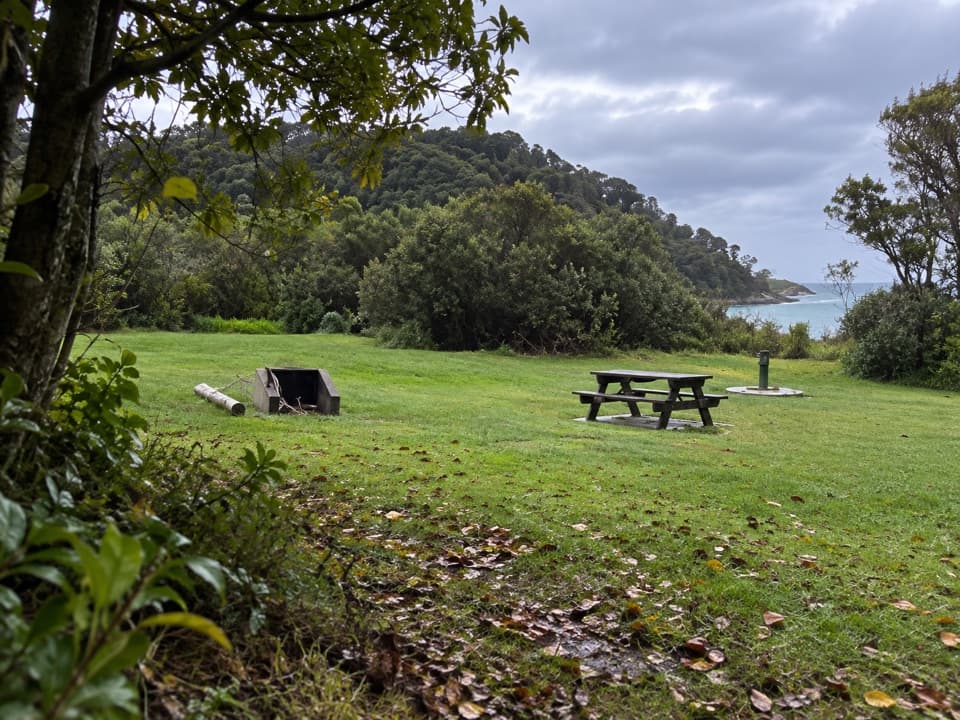 Campground · 4.5 km awayTōtaranui Great Walk CampsiteTwenty tent sites put you beside the beach on the Coast Track.
 Campground · 4.5 km awayTōtaranui Beach and CampgroundA big campground by the beach, beyond a long gravel approach.
Parkwolf’s Abel Tasman ranking

The audio tour guide for the drive, plus offline maps, trails, and wildlife heatmaps for when the signal drops.