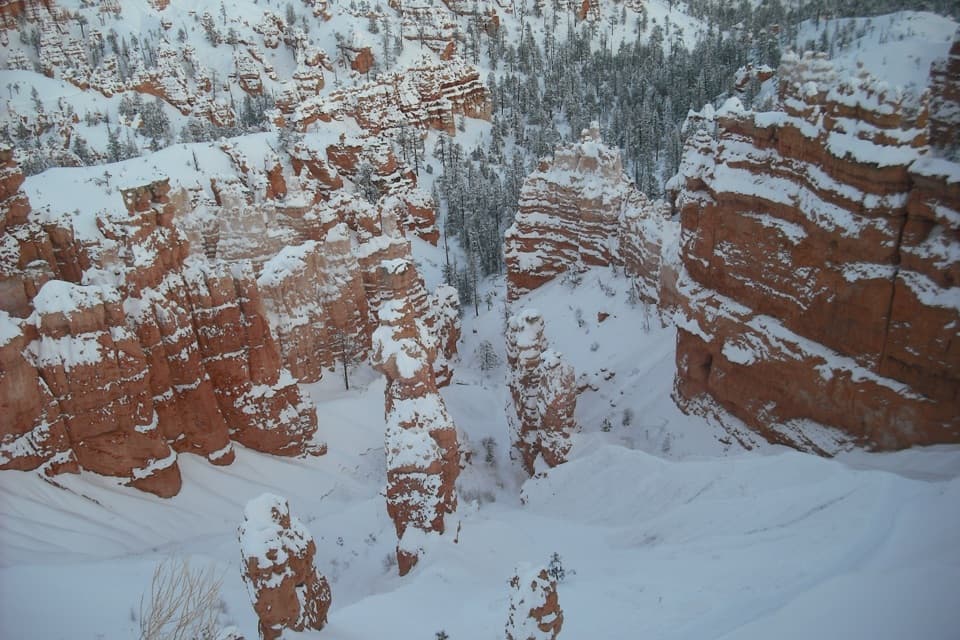
Parking
Start from the Rainbow/Yovimpa Point parking area. Follow the sidewalk toward Yovimpa Point to the signed trail junctions; the access path is shared with nearby routes before Riggs Spring Loop branches off.

Bryce Canyon National Park, UT
A strenuous 8.8-mile loop drops from the rim to Riggs Spring.
Overview
Map & elevation
Plan your hike
The highest, rockiest slopes around here are a summer buffet for grizzly bears.
Bryce Canyon Tour Guide
Parkwolf is a GPS audio tour guide for Bryce Canyon National Park. As you drive, it chimes in with what’s ahead: hidden gems, upcoming stops, history, geology, and wildlife, right through your car’s speakers.
See the Bryce Canyon audio tourRecorded for this trailhead
Rainbow and Yovimpa: Two Directions to Look“Rainbow Point and Yovimpa Point are coming up at the end of the park road. Make time for both: Rainbow looks north along Bryce's rim, while a short paved walk to Yovimpa opens the view south across the Grand Staircase.”
Plays as you drive up to this trailhead in the Parkwolf Bryce Canyon Tour Guide.
More stories near here in the app
“Super fun and useful app! We especially enjoyed the guide as we drove through Bryce Canyon National Park.”


Trail guide
Riggs Spring Loop is an 8.8-mile circuit from the Rainbow/Yovimpa Point access, dropping from the high rim through forest to Riggs Spring before climbing back. It suits hikers looking for a strenuous backcountry day. Allow four to six hours on the trail, plus stops. Published distances range from 8.5 to 8.8 miles; the complete mapped walk from the parking area is about 8.73 miles, so 8.8 is a fair total including the short approach there and back. The route ranges from about 7,400 to 9,100 feet, so the altitude adds to the effort.
Start at the Rainbow/Yovimpa Point parking area and follow the sidewalk toward Yovimpa Point. The signed junctions also serve Bristlecone Loop and Under-the-Rim, and Riggs shares a short stretch with Under-the-Rim before it becomes its own loop. Pay attention at those first signs; following the longer Under-the-Rim route would turn this into a different hike. The short access path to the loop is retraced on the way back to the lot.
The western side is steeper and more heavily forested, with spruce, fir and bristlecone pine. Riggs Spring sits near the loop’s low point, around the middle of the hike, and its shaded setting makes a good pause. Don’t plan on drinking untreated water there—or on finding water at all: natural sources are unreliable, and anything collected needs purification.
On the eastern side, red cliff breaks and quaking aspen groves open views to the east and south. The route descends into the Grey Cliffs, Cretaceous sandstone in the next step of the Grand Staircase. When a cliff opening appears through the trees, keep some trail or aspen in the foreground to show how the view sits within the forest.
Wildlife
 15 sightingsWapitiMost seen around 6 AMSighting map
 51 sightingsUtah Prairie DogMost seen around 9 AMSighting map
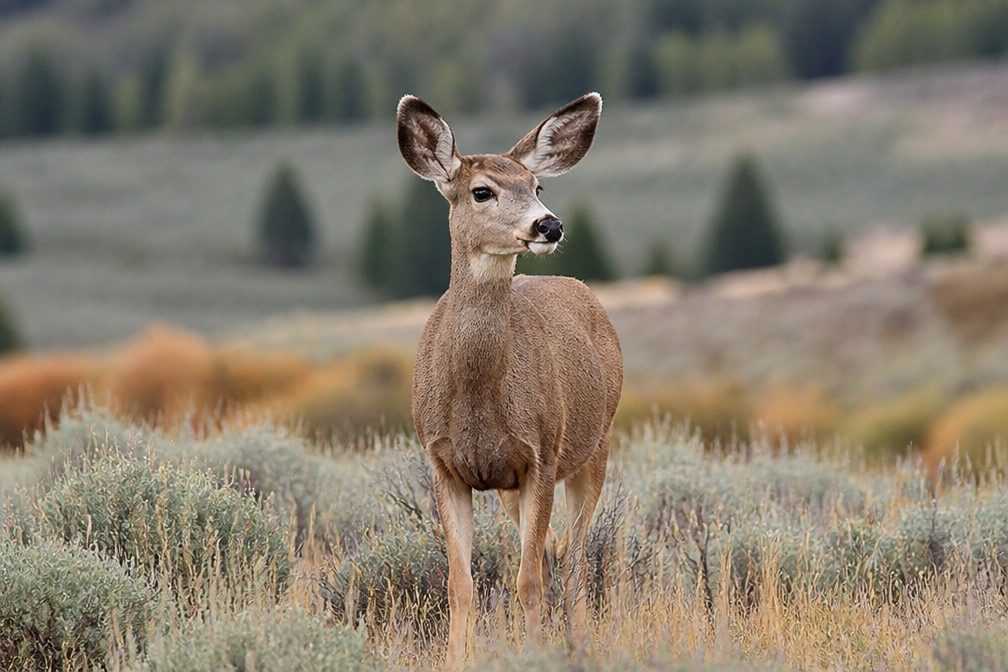 334 sightingsMule DeerMost seen around 7 AMSighting map
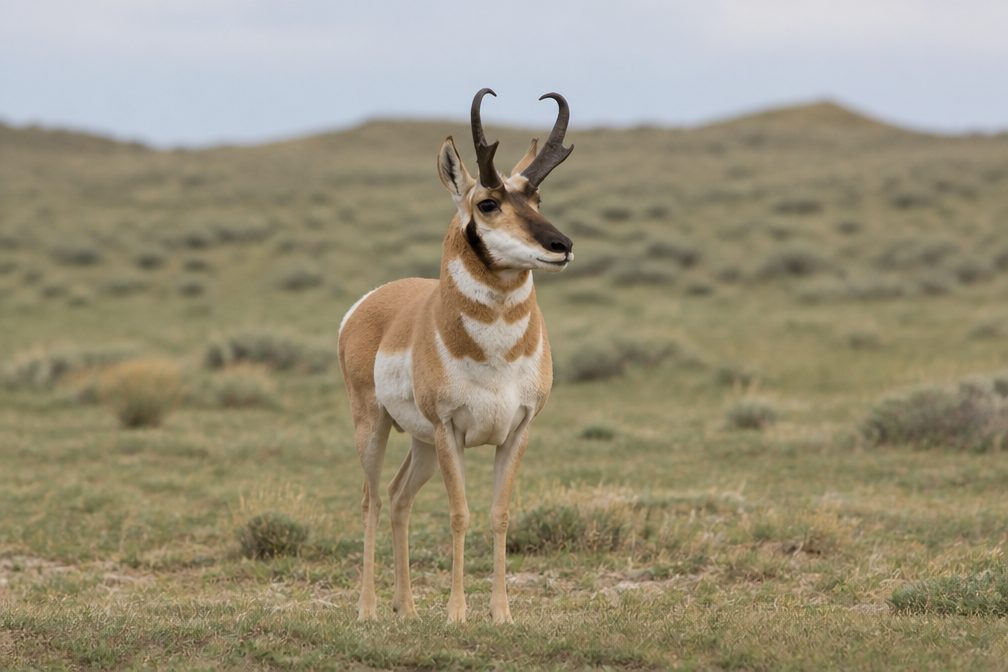 120 sightingsPronghornMost seen around 6 PMSighting map
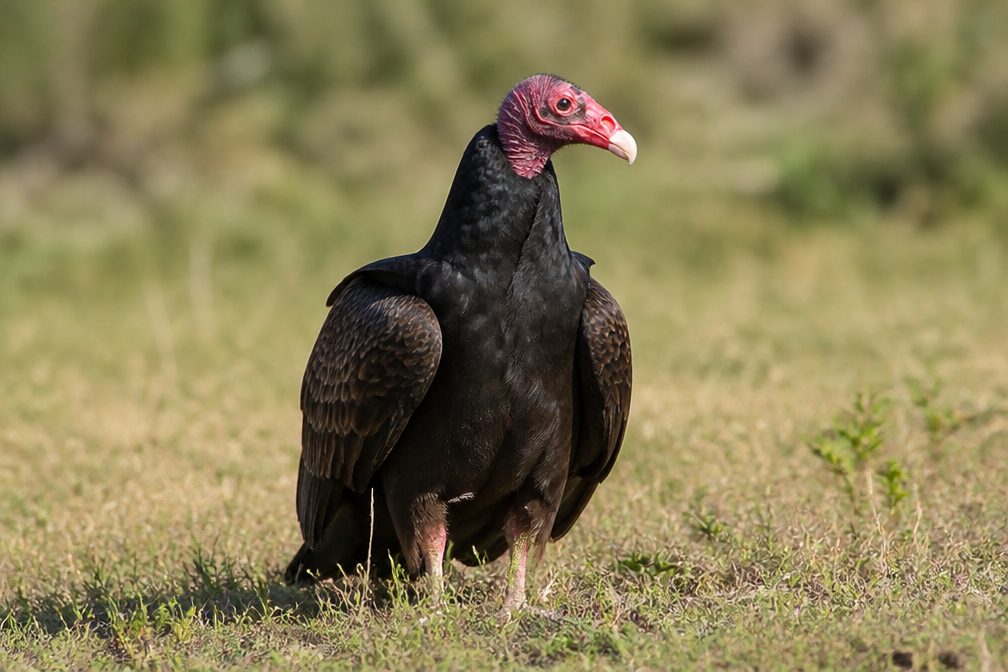 41 sightingsTurkey VultureMost seen around noonSighting map
 44 sightingsWild TurkeyMost seen around 7 AMSighting map
Sighting maps show where each species has been reported across Bryce Canyon. Wildlife moves, so no sighting is guaranteed.
Keep exploring
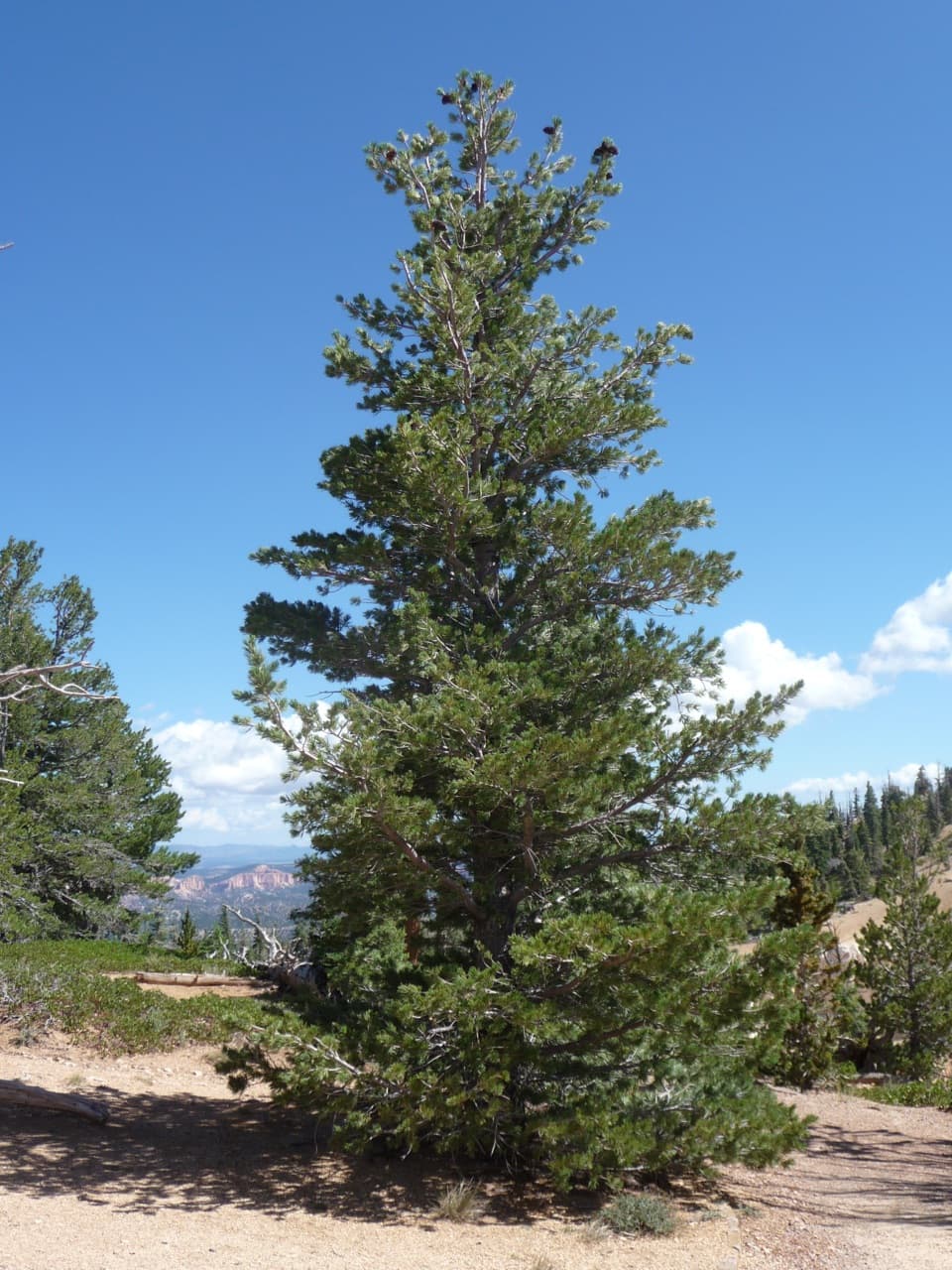 EasyBristlecone Loop Trail1 mi · 1 hr · At the trailheadOne-mile loop for ancient bristlecones and Four Corners views.
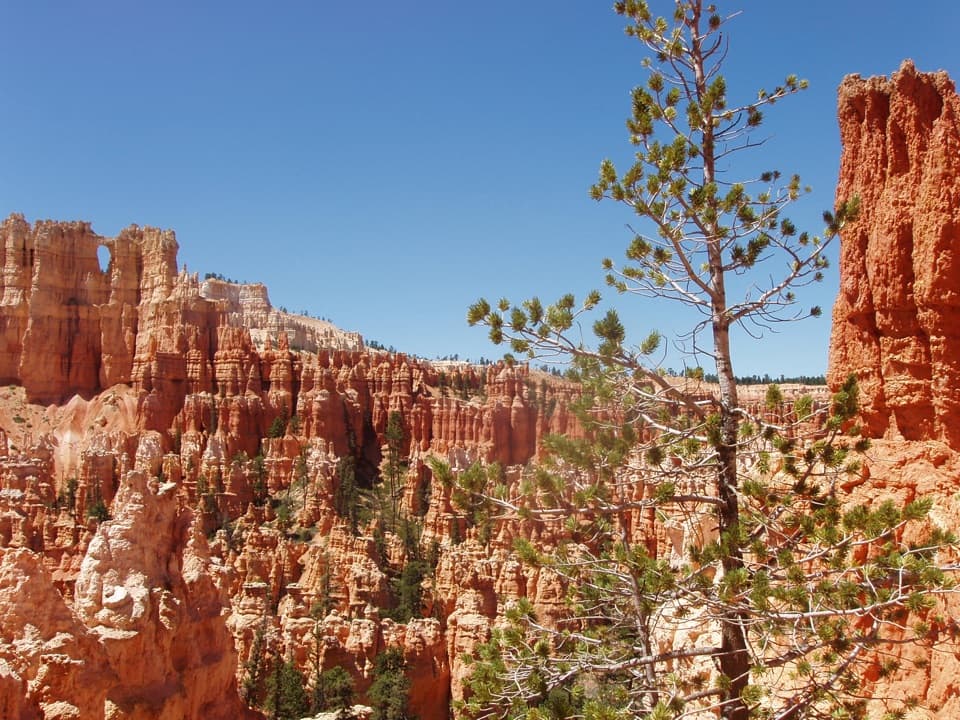 ChallengingUnder-the-Rim Trail22.9 mi · 18 hr · At the trailheadA quieter 23-mile traverse through Bryce’s forested backcountry.
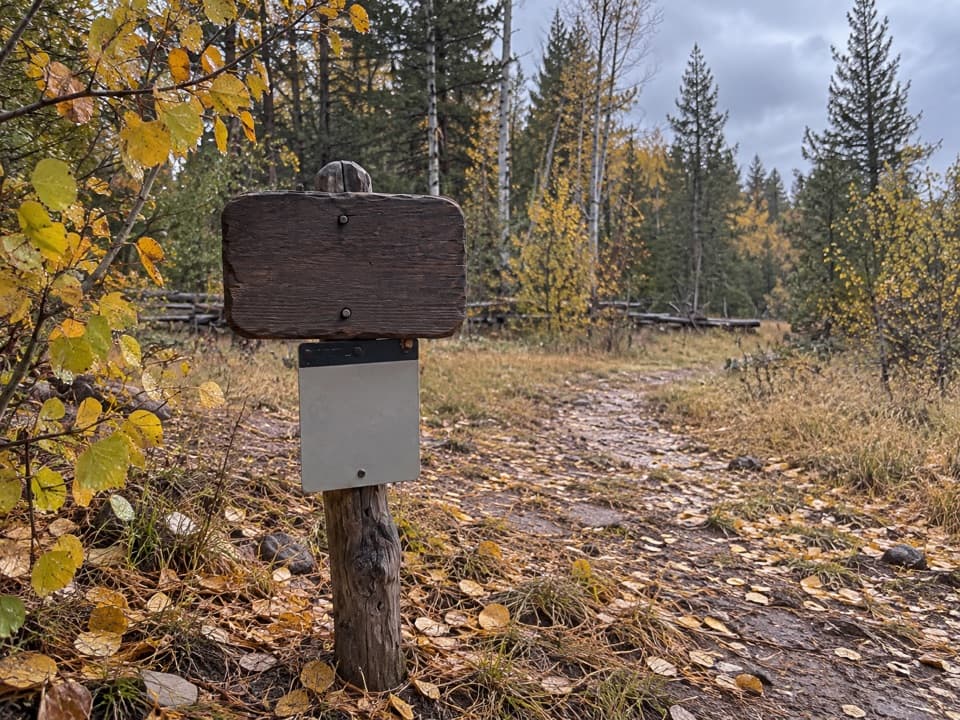 ChallengingBull Rush Hollow Trail10.2 mi · 6 hr · 0.1 mi awayA mapped forest spur branches off at the Riggs Spring low point.
 ModerateAgua Canyon Connecting Trail1.6 mi · 1 hr · 2.3 mi awayA steep, rocky link from Ponderosa Point to Under-the-Rim.
 ModerateWhiteman Connecting Trail2 mi · 1.5 hr · 6.2 mi awayA wooded descent reaches the Under-the-Rim backcountry trail.
 ModerateSwamp Canyon Connector Trail2.1 mi · 1.5 hr · 7.9 mi awayA short, steep drop takes you below the rim into piney canyon.
 ModerateSheep Creek Trail5.8 mi · 4 hr · 7.9 mi awayFollow the cliffs down to a shaded campsite, then climb back out.
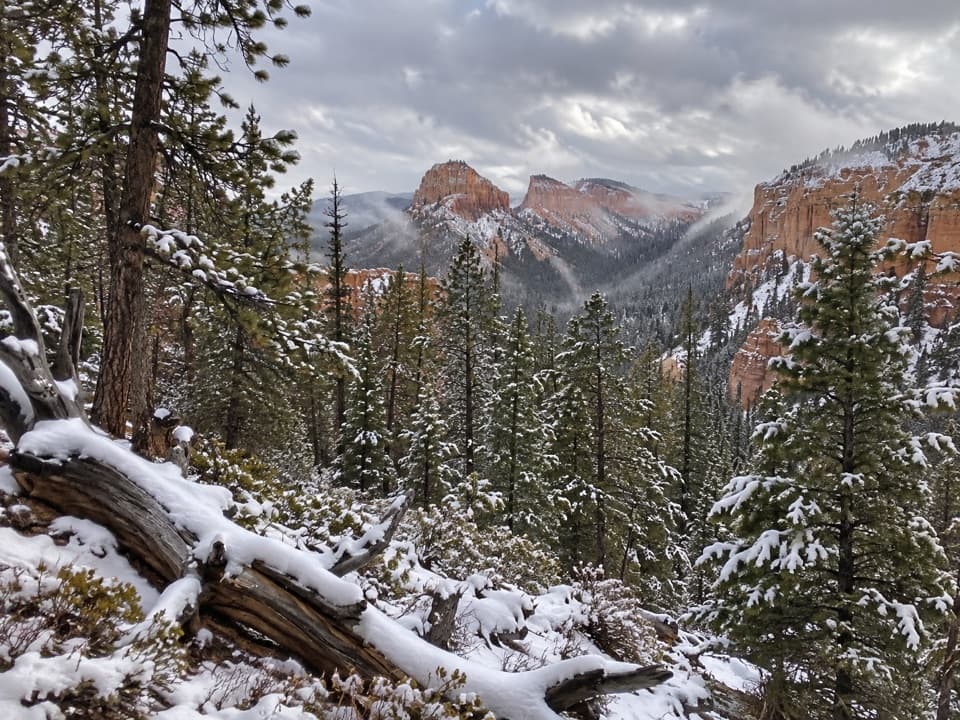 ModerateSwamp Canyon Loop4 mi · 3.5 hr · 7.9 mi awayA quieter loop through meadow, forest, and red-rock canyon country.
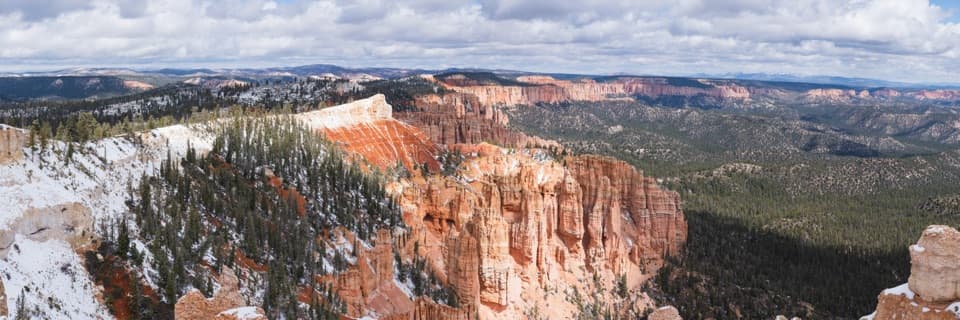 Sight · 0.1 mi awayRainbow PointLayered plateau views and bristlecones at Bryce’s high southern overlook.
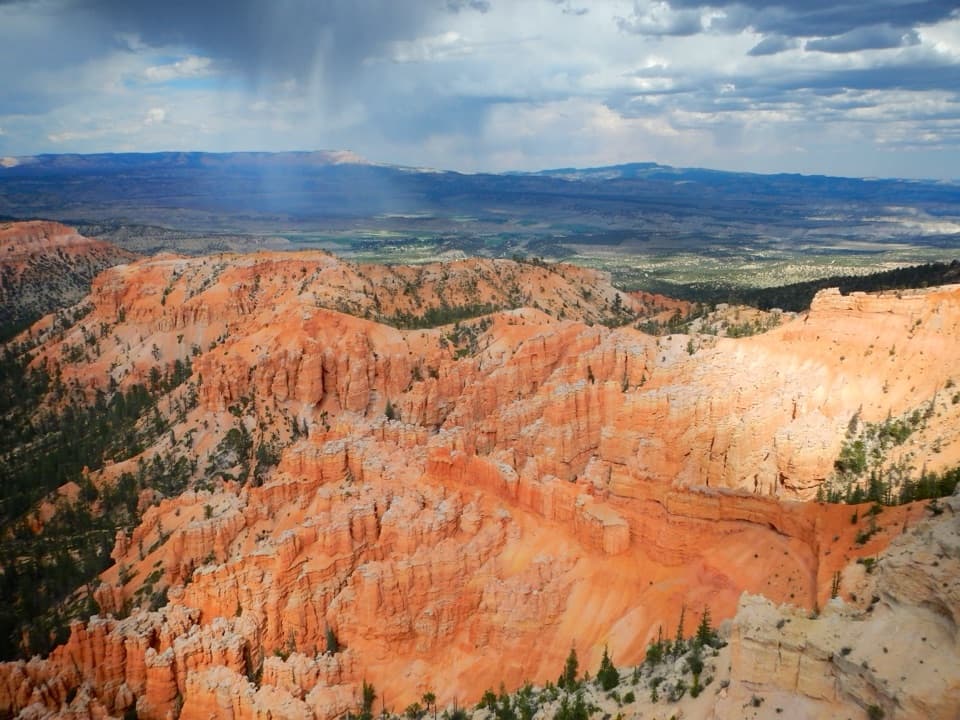 Sight · 0.2 mi awayYovimpa PointA 100-mile panorama over the Grand Staircase.
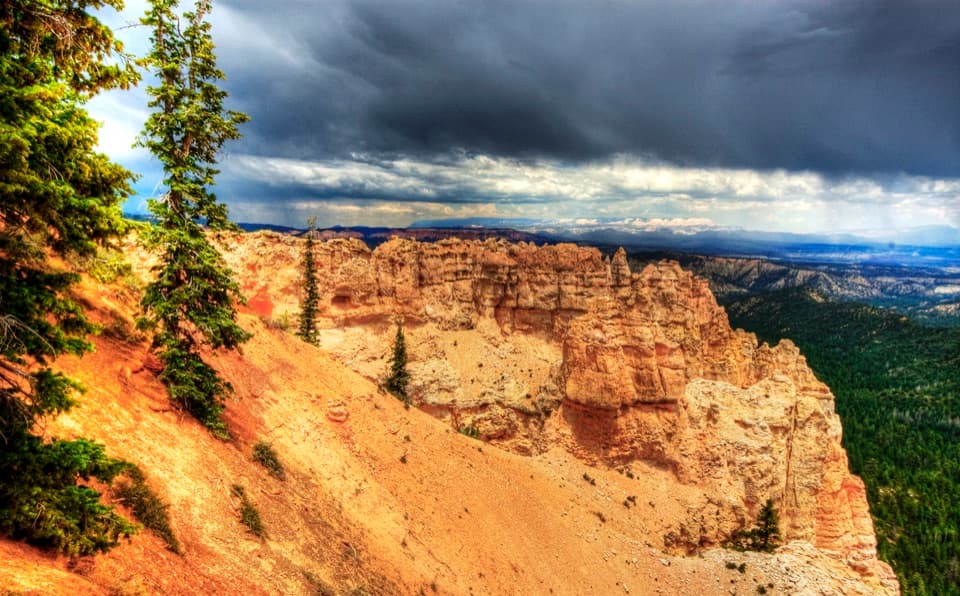 Sight · 1.6 mi awayBlack Birch CanyonA quick overlook above hoodoos and a forested basin.
 Sight · 2.3 mi awayPonderosa CanyonA quick pull-off above an amphitheater, forest, and far-off plateaus.
 Sight · 3.2 mi awayAgua CanyonEye-level hoodoos, then a long view across the Grand Staircase.
 Sight · 4.1 mi awayNatural BridgeAn 85-foot arch frames a pine-filled canyon.
 Sight · 4.8 mi awayFarview PointSee hoodoos give way to the long views of plateau country.
 Food · 4.8 mi awayHoodoo FoodsA handy sandwich stop on the scenic drive.
Parkwolf’s Bryce Canyon ranking

The audio tour guide for the drive, plus offline maps, trails, and wildlife heatmaps for when the signal drops.