
Overview
About Uluṟu Bus Sunset Viewing Area
Why stop
- The dune viewpoint looks toward both Uluṟu and Kata Tjuṯa.
Heads up
- The sandy dune walk is not suitable for wheelchairs.
Map
Where it is
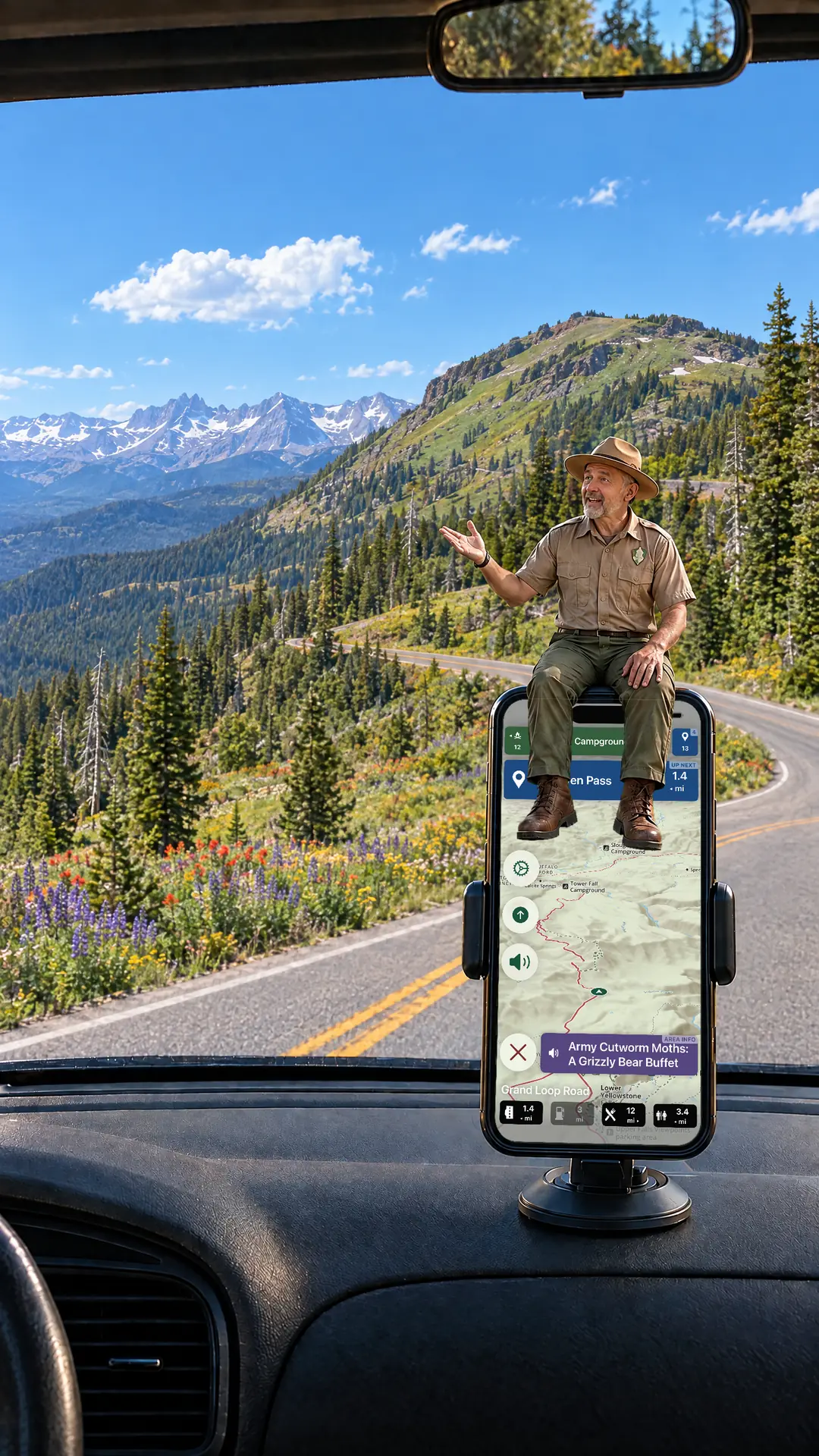
The highest, rockiest slopes around here are a summer buffet for grizzly bears.
Uluru-Kata Tjuta Tour Guide
Your drive to Uluṟu Bus Sunset Viewing Area, narrated.
Parkwolf is a GPS audio tour guide for Uluru-Kata Tjuta National Park. As you drive, it chimes in with what’s ahead: hidden gems, upcoming stops, history, geology, and wildlife, right through your car’s speakers.
See the Uluru-Kata Tjuta audio tourRecorded for this place
Uluṟu Bus Sunset Area and Dune Walk“You're approaching the Uluṟu Bus Sunset Viewing Area, where a dune path leads beyond the coach parking to views of both Uluṟu and Kata Tjuṯa.”
Plays as you drive up to Uluṟu Bus Sunset Viewing Area in the Parkwolf Uluru-Kata Tjuta Tour Guide.
More stories near here in the app
- Uluṟu Car Sunset Viewing Area
- A Finch Nest Built by Two
- The Tree with Red Sap
- How the Climb Came to an End
- 40 audio storiesacross Uluru-Kata Tjuta’s roads, triggered by GPS as you drive
- Wildlife heatmapsfor Dromedary Camel, Black-breasted Kite, Brown Falcon, and 13 more
- Works offlinemaps, 15 trails, 28 places, and audio download before you lose signal
- CarPlay readysimple controls built for the drive
“Fantastic app with many points of information… It’s great to just turn on while you’re driving and it gives you an audio tour of the national Park. We love it!!!!”


Guide
More about Uluṟu Bus Sunset Viewing Area
The coach sunset areaUluṟu Bus Sunset Viewing Area is the designated coach-side viewpoint for the park’s sunset over…
Uluṟu Bus Sunset Viewing Area is the designated coach-side viewpoint for the park’s sunset over Uluṟu. Everyone can use it before 4 pm; after that it is reserved for buses and coaches, so self-drive visitors heading there for sunset should use the separate Car Sunset Viewing Area. The parking area often gets busy as tours arrive, but the dune path takes you away from the crowd. Toilets are here; there is no water on site.
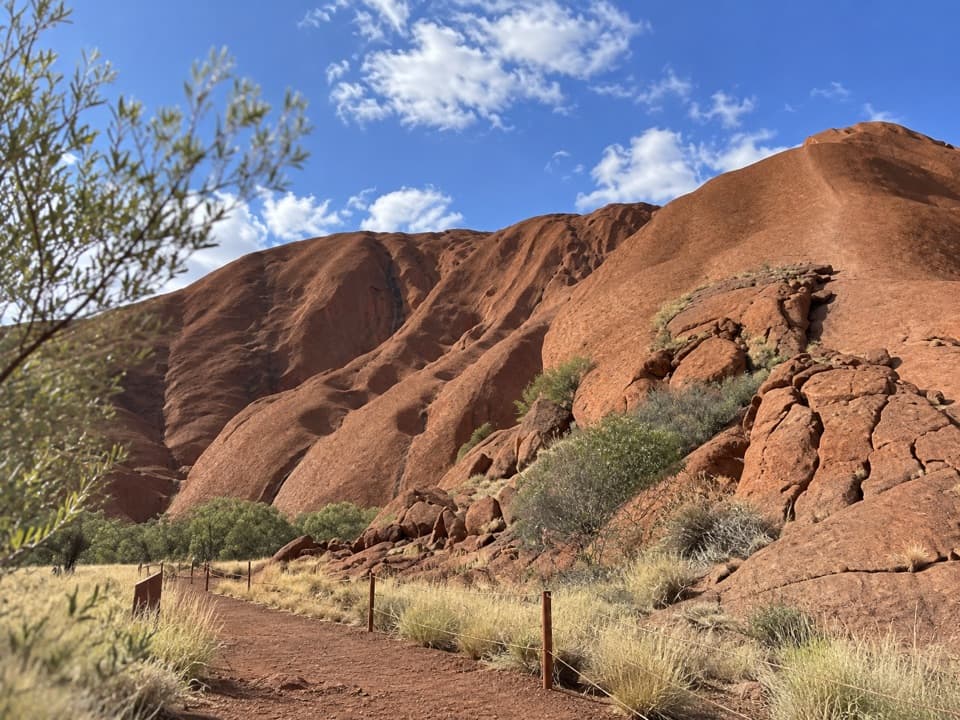
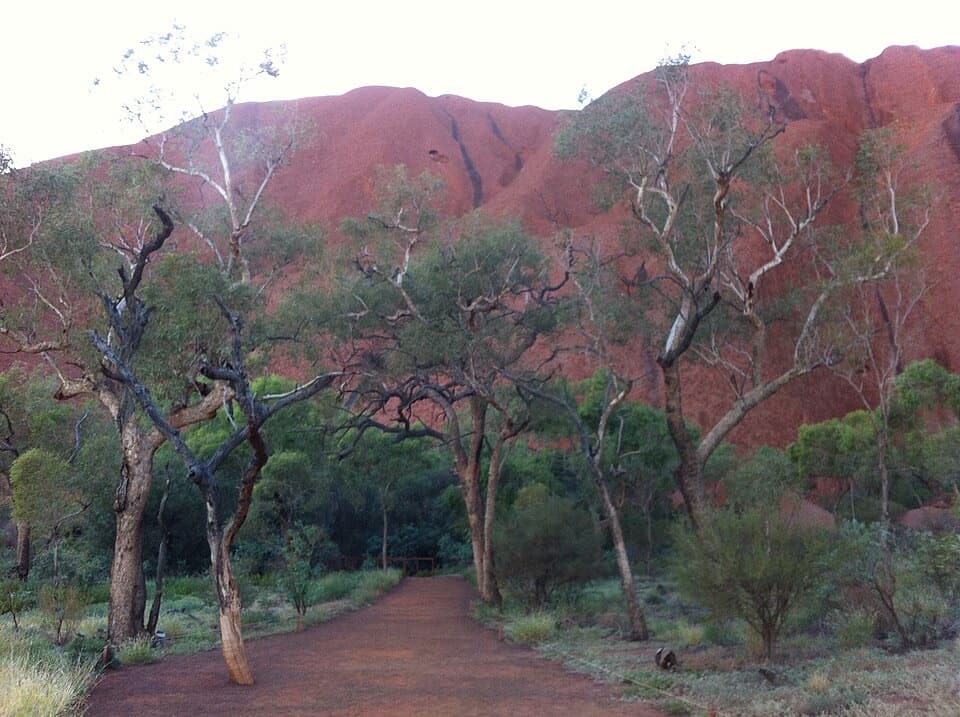
Walk the duneThe short, sandy dune walk is about 500 m return and takes roughly 30 minutes.
The short, sandy dune walk is about 500 m return and takes roughly 30 minutes. It leads away from the parking area to a view of both Uluṟu and Kata Tjuṯa in the distance. I’d make the walk if you can: it adds the second landmark and gets you beyond the busiest part of the stop. The dune path is not suitable for wheelchairs, though Parks Australia lists wheelchair access at the viewing area.
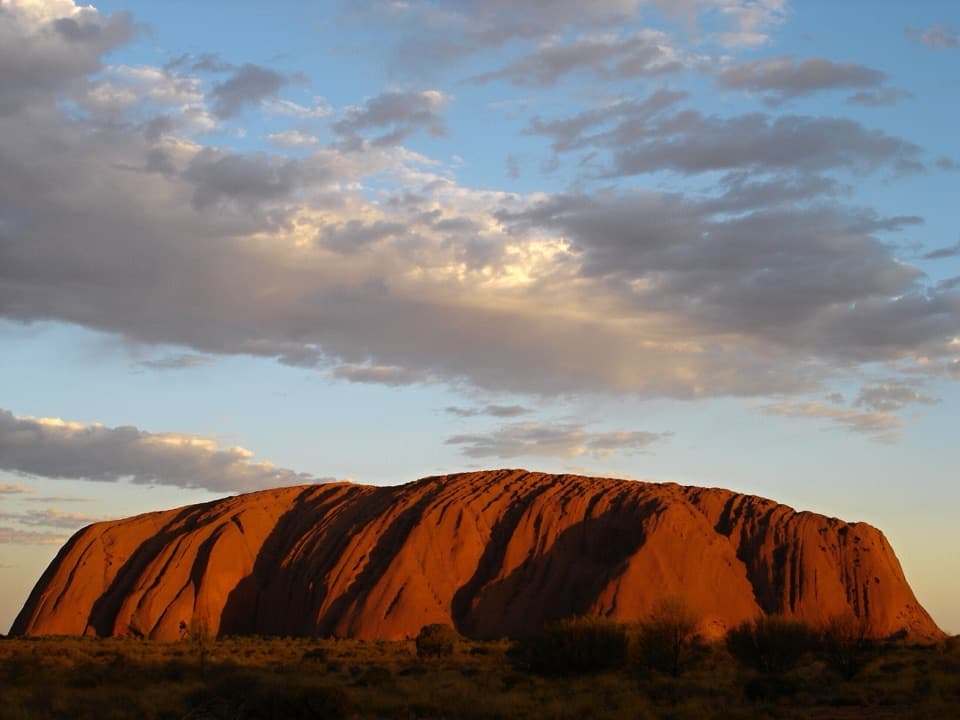
Take in the whole rockAt the end of the dune walk, you get the broad view that makes this stop worthwhile: Uluṟu in…
At the end of the dune walk, you get the broad view that makes this stop worthwhile: Uluṟu in full, with Kata Tjuṯa beyond it. At sunset, the light changes across the rock as the sun drops behind the dunes toward Kata Tjuṯa. At sunrise, you can stay by the parking area for Uluṟu’s silhouette or walk up the dune for both landmarks. Parks Australia asks visitors to photograph Uluṟu in its entirety and avoid zooming in on sacred and sensitive details.
Wildlife
Wildlife in Uluru-Kata Tjuta
 32 sightingsDromedary CamelMost seen around 6 PMSighting map
 14 sightingsBlack-breasted KiteMost seen around 10 AMSighting map
 27 sightingsBrown FalconMost seen around 7 AMSighting map
 11 sightingsWestern Brown SnakeMost seen around 9 AMSighting map
 32 sightingsMain's FrogMost seen around 7 PMSighting map
 17 sightingsRed-backed KingfisherMost seen around 7 AMSighting map
Sighting maps show where each species has been reported across Uluru-Kata Tjuta. Wildlife moves, so no sighting is guaranteed.