South Haulover Beach

Rocky, low-crowd bay with standout snorkeling and calm water
South Haulover Beach, Virgin Islands National Park
InsideVirgin Islands National Park

Overview

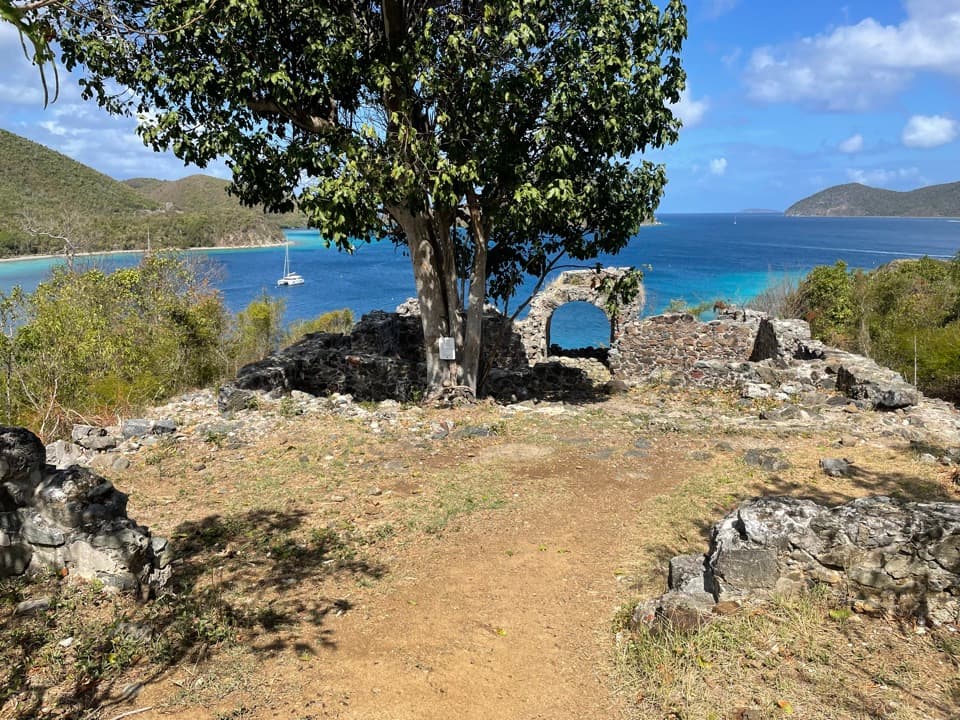
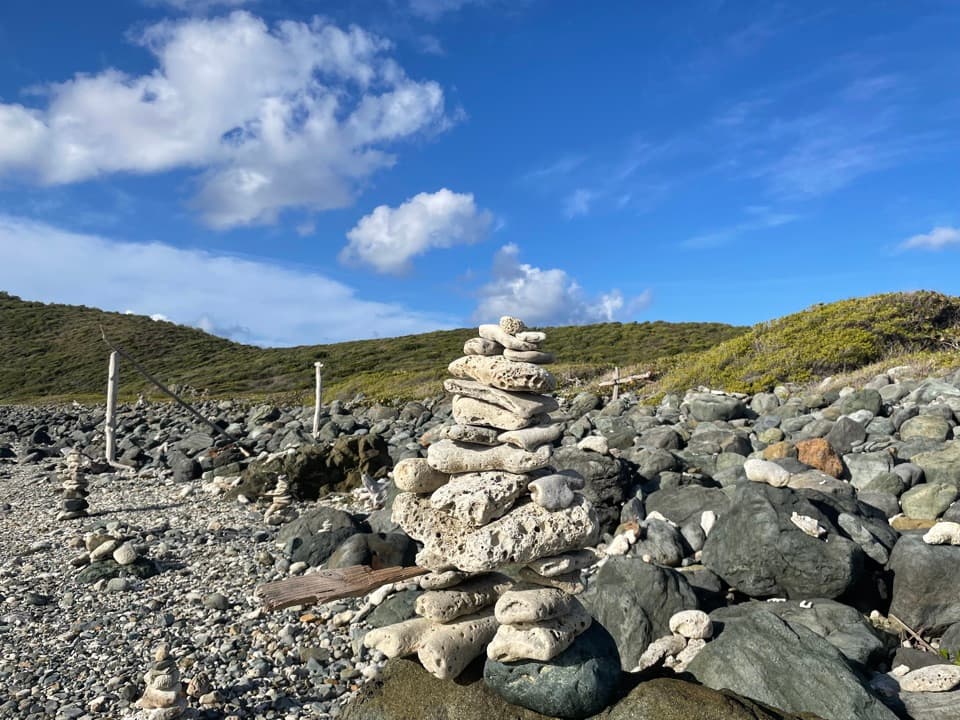
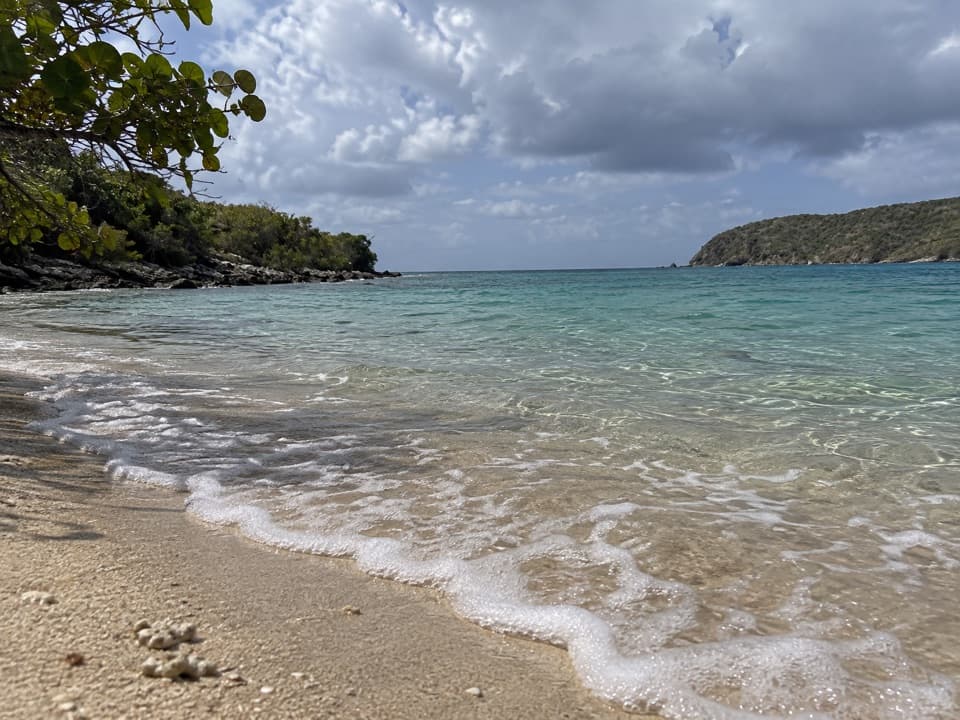
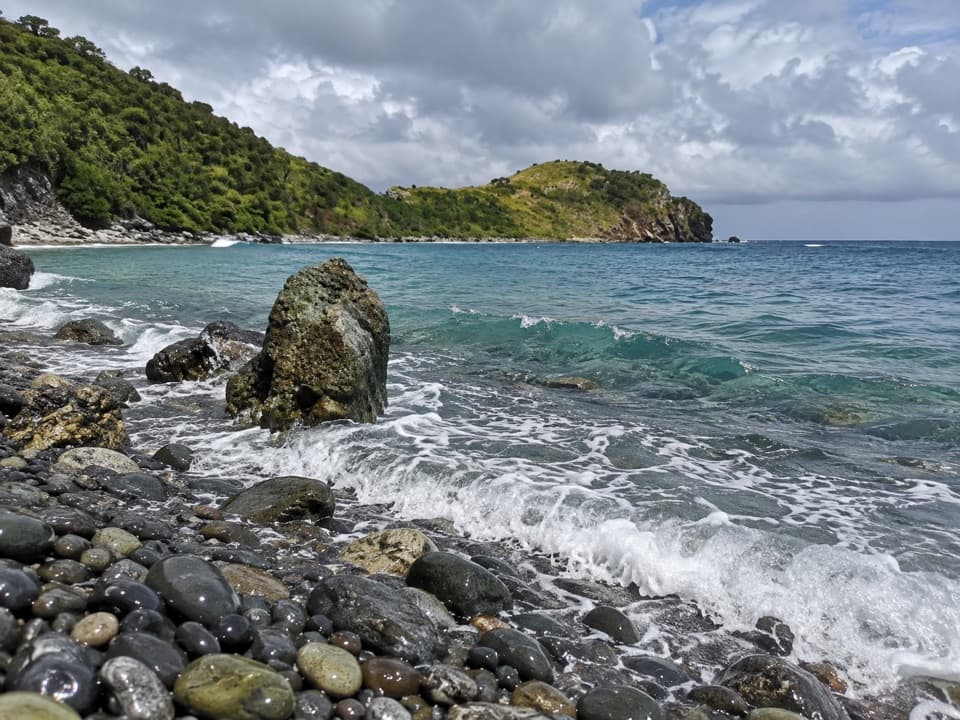
South Haulover is a small, pebbly cove on St. John’s East End that trades soft sand for superb snorkeling and usually calm water. It straddles the park boundary, with much of the bay within protected waters. Expect low crowds, clear visibility when winds are light, and a rocky shoreline that rewards prepared swimmers more than beach loungers.

Water & Snorkeling

The magic here is along the edges: both the west (right) and east (left) sides offer structure, deeper water, and fish action. The eastern side drops off more steeply, with divers reporting depths around 45 feet toward the bay’s edge. You’ll find hard and soft corals, sea fans, brain coral, sea cucumbers, jacks, mackerel, tangs, parrotfish, and frequent reef fish, plus occasional turtles and squid. Some visitors have even floated over a sleeping shark in the middle of the cove—give all wildlife space.

Conditions & When to Go

South Haulover is typically calmer than the north-facing beaches—great when north swells or winds are up. If winds swing south, expect more chop here and look north instead. Sargassum and jellyfish can appear seasonally. For the best visibility and easiest entries, pick light-wind days and go in the morning; late-day light can be lovely for photos.

Getting There & Parking

It sits right off Route 10 past Coral Bay. The south beach is visible from the road with small roadside pull‑offs; no hike required. Across the road, a short path leads to North Haulover if you want to compare conditions. Parking is limited—arrive early, don’t block traffic, and keep tires off vegetation.

What to Bring

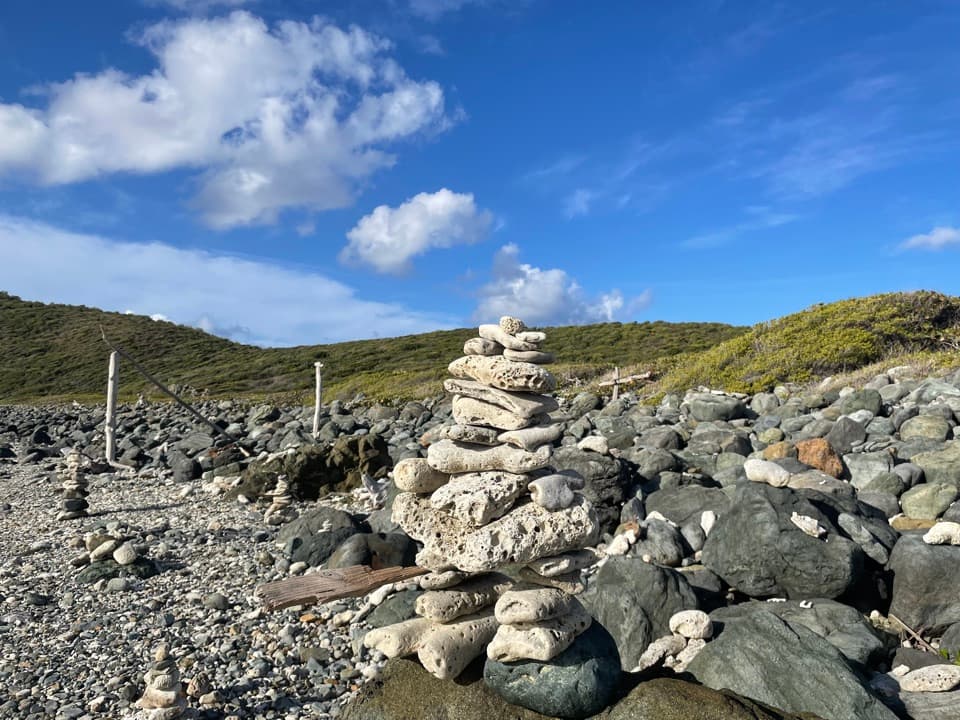
There are no services—no restrooms, food, lifeguards, or rentals. Pack water, sun protection, snorkel gear, and something to sit on (the shore is cobbly). Water shoes make the rocky, sometimes slick entry much easier and help you avoid sea urchins.

Safety, Wildlife & Etiquette

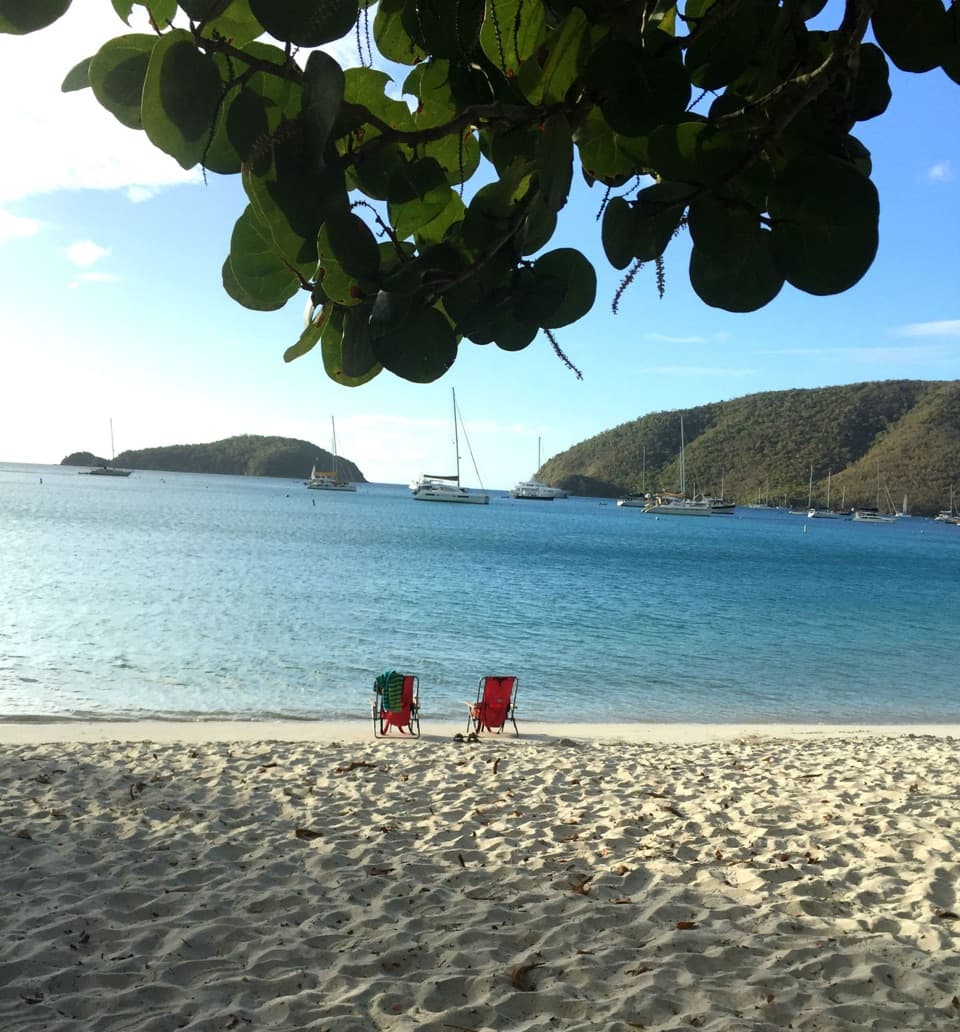
Enter and exit slowly on the rocks and never stand on coral; keep fins off the bottom. Use reef‑safe sunscreen as recommended by the park. Watch for manchineel warning signs (avoid contact with these poisonous trees) and keep an eye out for ant nests when you set your gear down. Donkeys sometimes nap in the shade—enjoy them from a distance.

Geology Snapshot

Those cobbles underfoot and the nearshore reefs reflect St. John’s volcanic past and long reef‑building history, which is why this compact bay delivers outsized underwater scenery.

Best Time to Visit

  • Day of week: It’s seldom crowded, but weekdays are the quietest.
  • Time of day: Mornings for calmer winds and clear water; late afternoon for warm light.
  • Conditions: Choose South Haulover when north shore spots are choppy; skip if southerly winds build beyond your comfort.

Pros

  • Standout snorkeling with healthy coral and diverse marine life
  • Calmer alternative when north shore beaches are rough

Cons

  • Rocky entry with sea urchins—water shoes strongly recommended
  • No facilities and very limited roadside parking
  • Pebbly shore is not ideal for lounging

Tips

  • Wear water shoes—the shoreline is rocky and urchins lurk near entry points.
  • Snorkel along the east and west edges for the best structure and fish.
  • Aim for light-wind mornings; pick the south side when north swells are up.
  • Arrive early for limited roadside pull-offs and park fully off the lane.
  • Use reef-safe sunscreen, avoid manchineel trees, and never touch coral.
The Parkwolf tour guide sitting on a phone mounted in a car

Parkwolf Tour Guide

Like a tour guide in your car.

Save the places you found around Virgin Islands, then let Parkwolf guide the drive between them.Download Parkwolf on the App Store