Brown Bay Beach

Secluded, hike-in bay with seagrass snorkeling and nearby ruins
Brown Bay Beach, Virgin Islands National Park
InsideVirgin Islands National Park

Overview

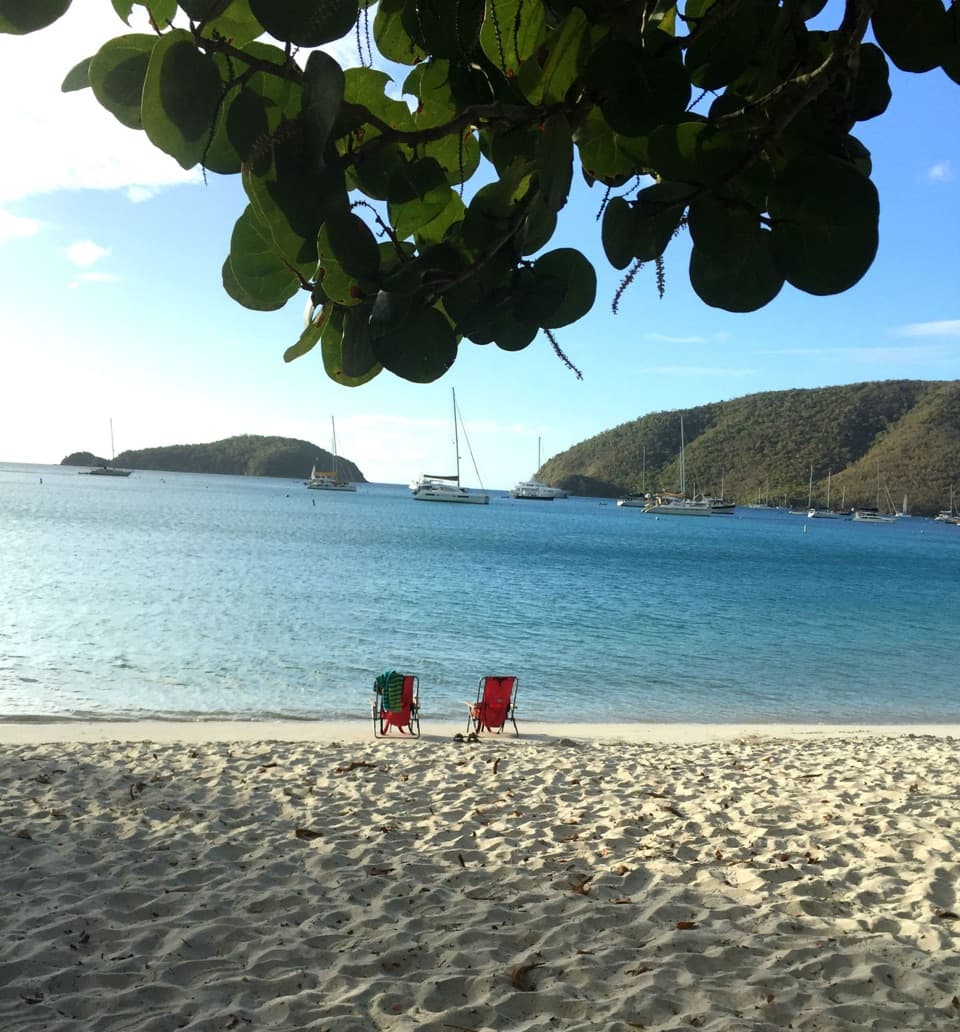
If you’re craving solitude, Brown Bay Beach delivers. Tucked on the north side of St. John, it’s a quiet, backcountry-style strip reached by a short but sweaty trail. Expect a narrow strand backed by sea grapes, broad seagrass shallows that give way to deeper water mid-bay, and far fewer people than the marquee beaches.

Getting There & The Hike

Access is via the Brown Bay Trail from the road east of Coral Bay. It’s roughly 1.6 miles roundtrip with about 200 feet of elevation—steep up at first, then a gentler descent to the water. The path is rocky, sometimes overgrown with thorny plants, and alternates between sun and shade. Roadside pull-off parking is limited, so don’t block traffic. Bring more water than you think you’ll need; midday heat is no joke.

Snorkeling: What to Expect

You’ll wade through very shallow, seagrass-filled water before it drops off. Mornings are your best bet for calmer surface chop. Visitors report the right (east) side from shore tends to produce the most consistent sightings; the far left (west) can be excellent but is a long swim. Look for sea fans, sea rods/whips, mustard hill and branching fire coral, grunts, butterflyfish, and the occasional snake eel or small reef shark. Conch are common in the grass beds, and grazing turtles are possible. On good days, some even prefer this over the famous underwater trail elsewhere on the island.

Conditions Vary—A Lot

Seasonal sargassum and wind-driven flotsam can pile up, sometimes feet deep, making sandy entry difficult and the beach smaller. When it’s in, enjoy the hike and consider pivoting to the ruins above or continuing your loop to other coves instead of forcing a swim.

History on the Ridge

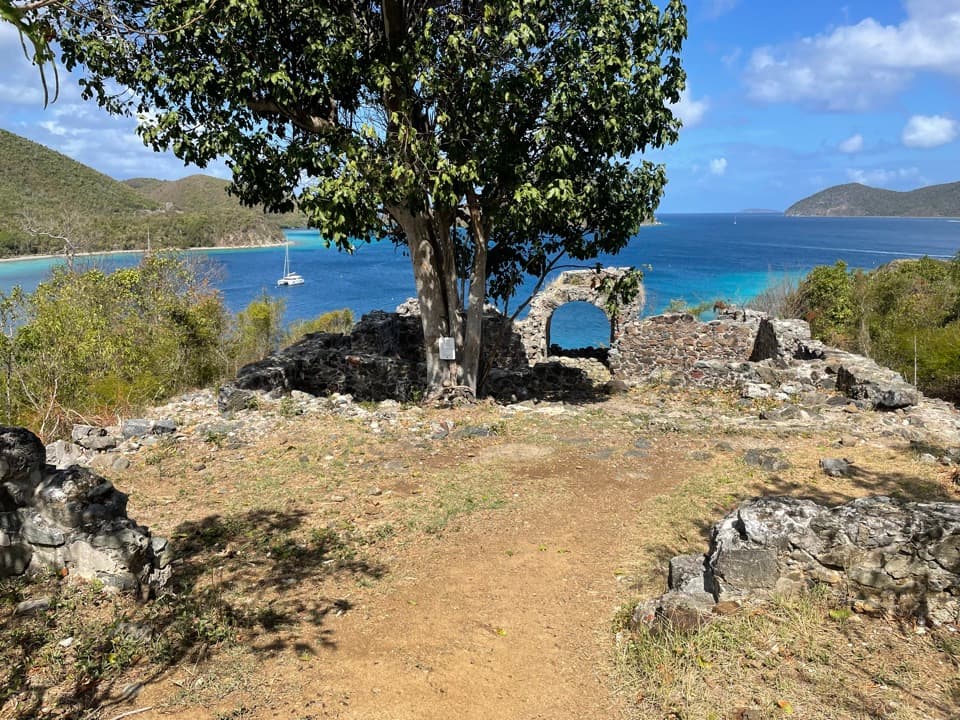
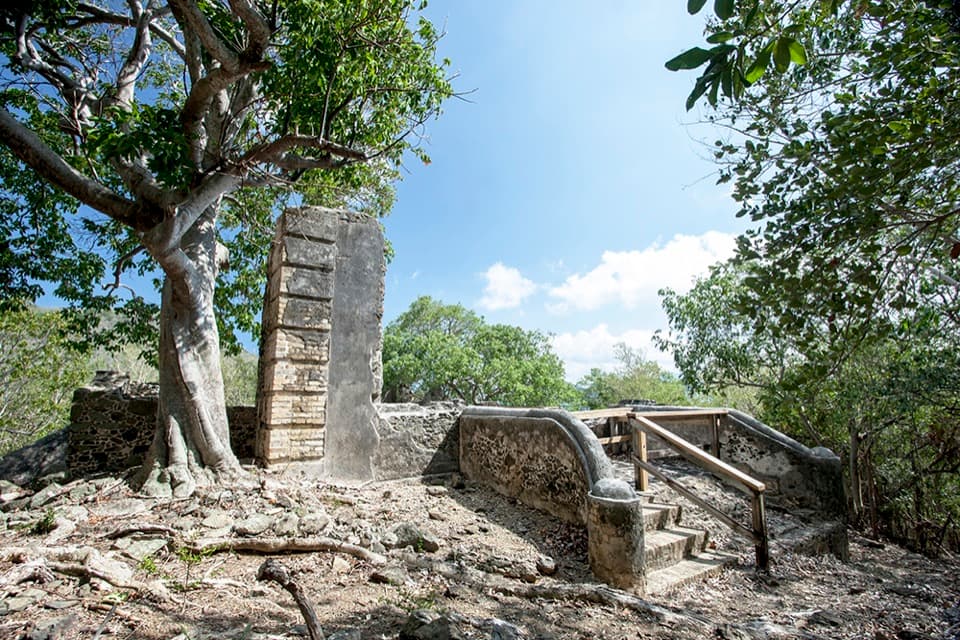
Brown Bay sits below the historic Johnny Horn corridor. A short extension takes you to the Murphy Great House ruins with wide views and a window into St. John’s plantation and maritime past. Local lore also ties this channel to freedom-seeking swims to Tortola.

Wildlife & Flora

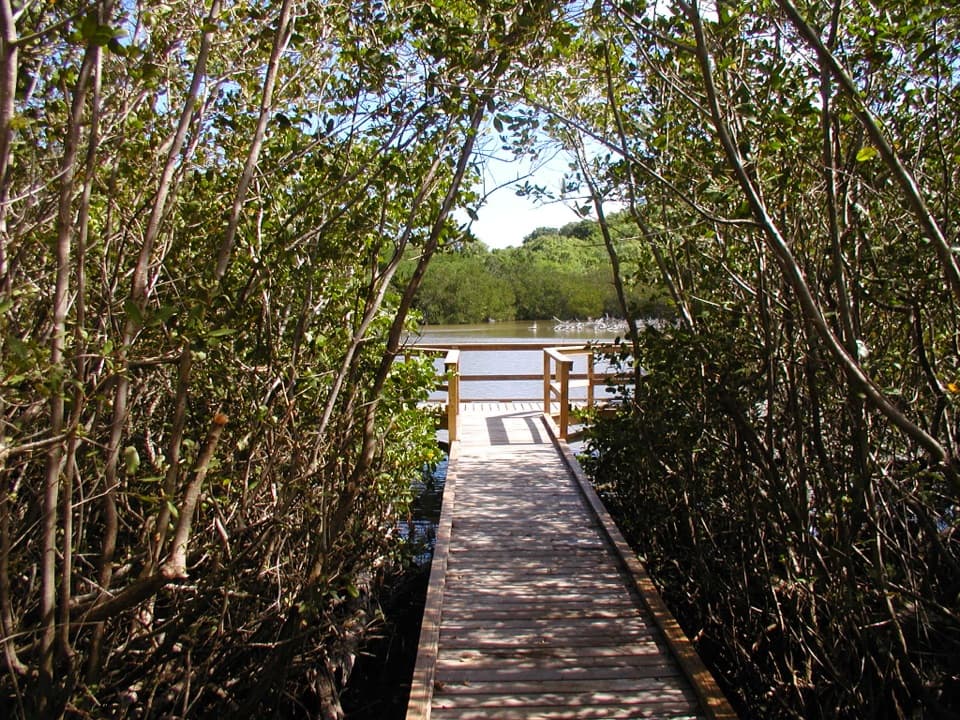
On land, watch for pearly-eyed thrashers, brown anoles, agave, turpentine trees, sea grapes, and the occasional roaming goats. In the water, treat the seagrass meadows and patch reefs gently—keep fins up and never touch coral.

Best Time to Visit

Aim for early morning: cooler hiking, easier parking, softer light for photos, and typically calmer water for snorkeling. If sargassum is running (often late spring into summer), conditions can be messy; winter and shoulder seasons are more consistently pleasant.

Know Before You Go

This is a wild, no-services beach: no restrooms, lifeguards, food, or rentals. Bring sturdy closed-toe shoes for the rocky, loose footing, plenty of water, sun protection, and bug repellent (there’s a salt pond nearby). Pack out everything you pack in.

Pros

  • Secluded, hike-in beach with a quiet vibe
  • Rewarding snorkeling when winds and seaweed cooperate

Cons

  • Hike-only access with loose rock, thorny brush, and limited parking
  • No facilities and seasonal sargassum can make entry tough

Tips

  • Start at dawn to beat heat, wind, and snag the tiny roadside parking.
  • Wear closed-toe shoes; the trail is rocky with thorny brush.
  • Check seaweed conditions and be ready to pivot to the ridge ruins.
  • Enter where seagrass thins; mornings usually offer calmer snorkeling.
  • Bring all water and snacks; there are no facilities or services.
The Parkwolf tour guide sitting on a phone mounted in a car

Parkwolf Tour Guide

Like a tour guide in your car.

Save the places you found around Virgin Islands, then let Parkwolf guide the drive between them.Download Parkwolf on the App Store