Place · 0.7 mi away

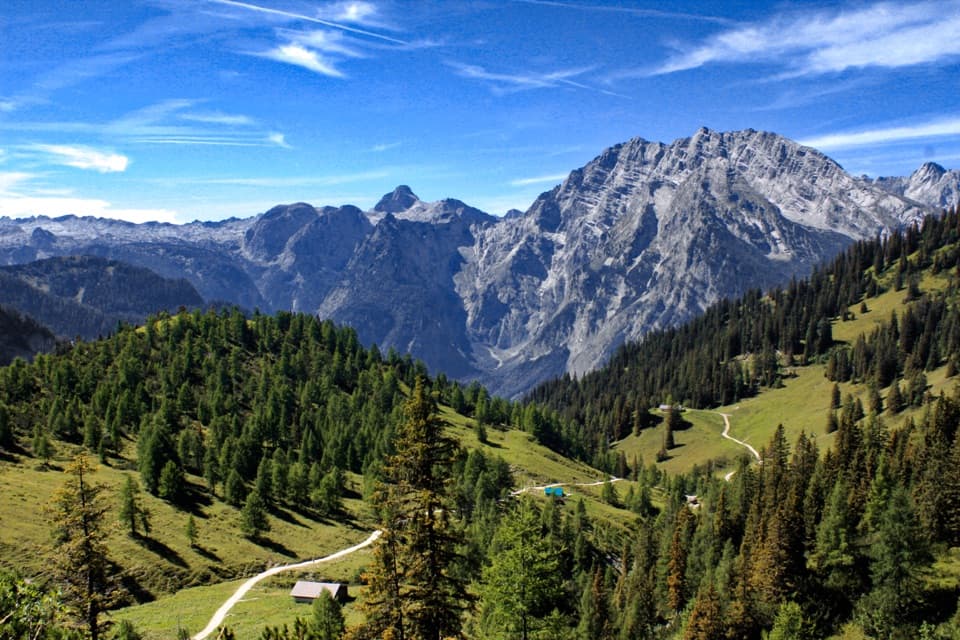
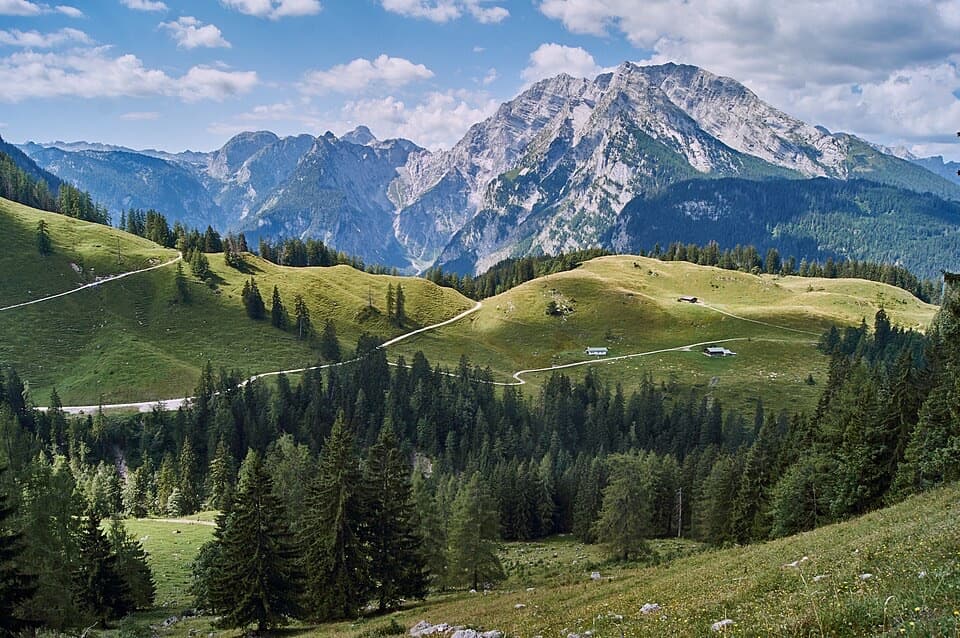
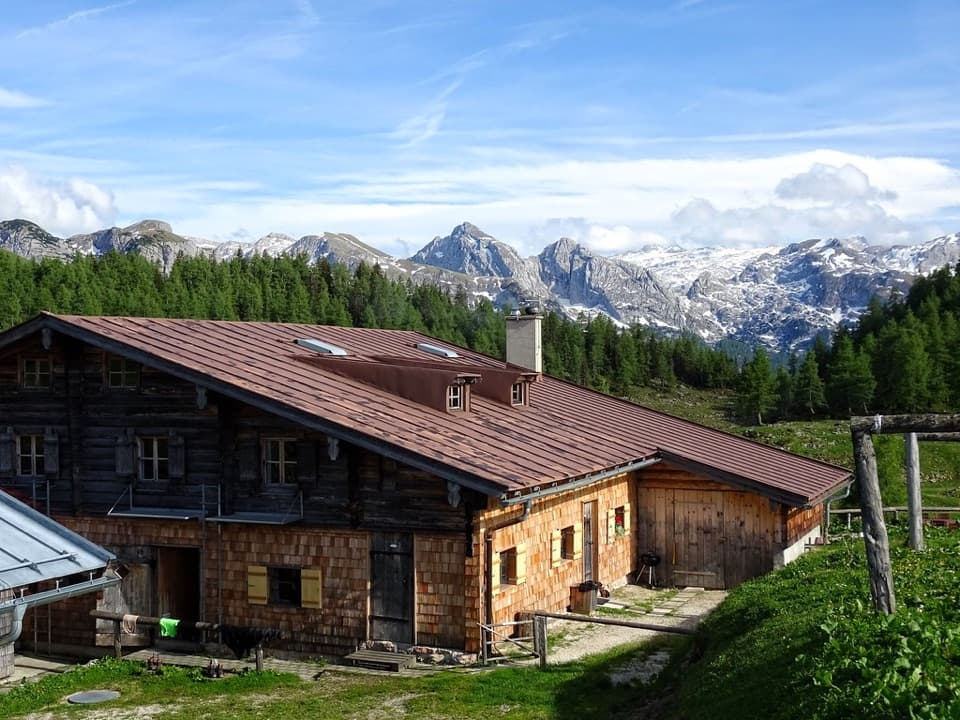
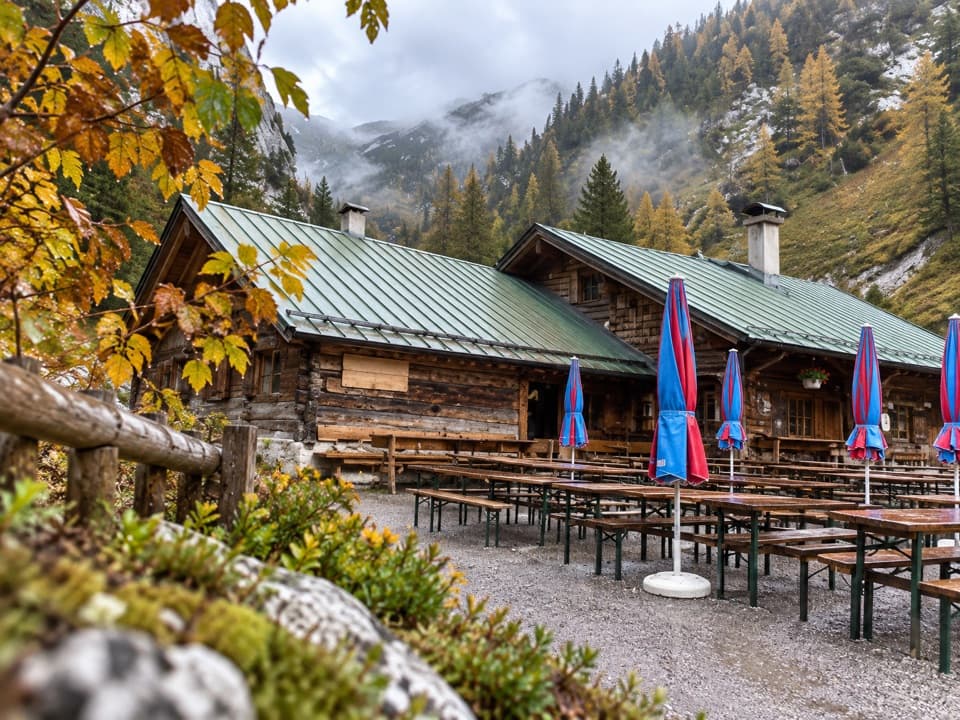
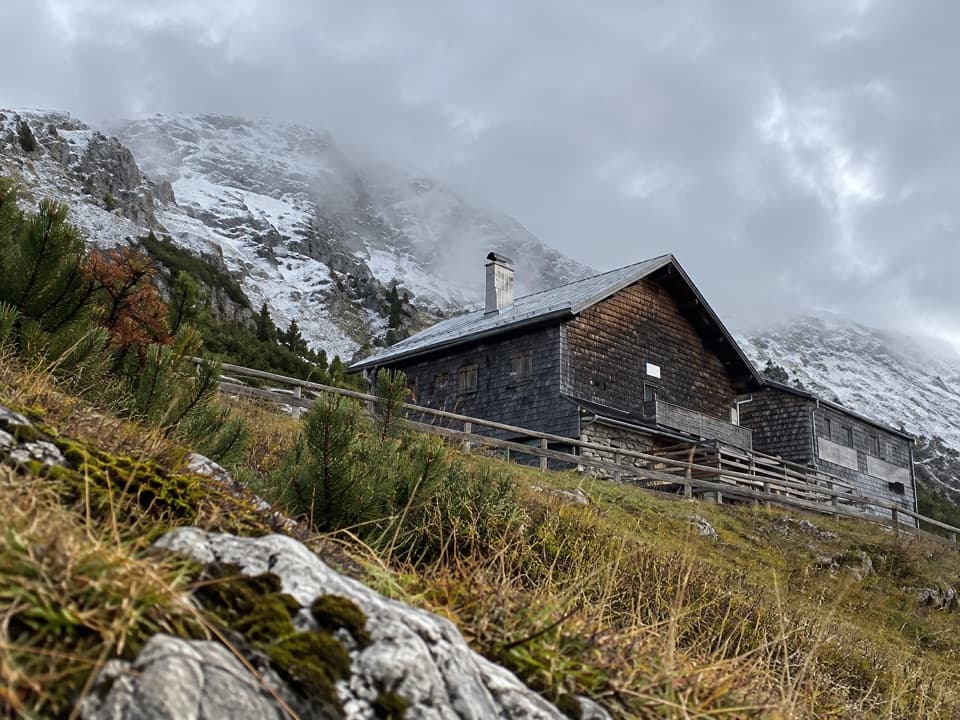
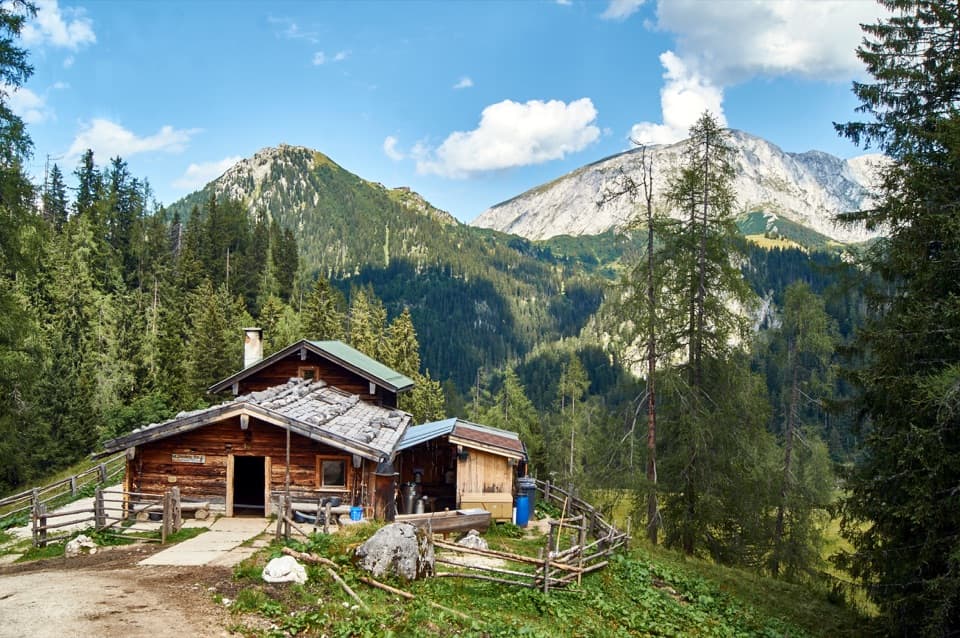
Priesbergalm is a traditional alpine pasture tucked among rolling meadows beneath the high limestone of the Berchtesgaden Alps. In summer, grazing cattle and a small Alm hut create that classic, lived‑in mountain scene—perfect for a breather, a slice of cake, or a glass of fresh milk when the hut is staffed. Think of it as a scenic, low‑key oasis after serious terrain above.
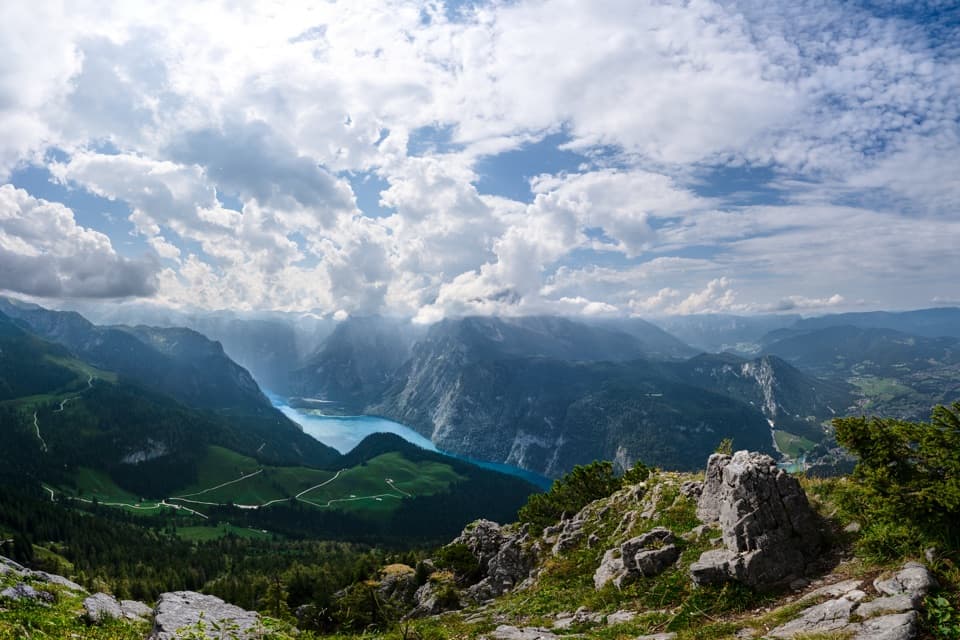
Most hikers reach Priesbergalm as part of bigger days rather than a stand‑alone goal. The signature option is the Kleine Reibn traverse: ride the Jennerbahn to the upper station, cross the rough karst toward Lake Seeleinsee, then descend the steep Stiergraben. The character flips from rocky and exposed (red/black difficulty sections) to easy meadow paths around Priesbergalm, before cruising the Königsweg toward the Jenner mid‑station. Expect a demanding full‑day tour overall (about 16 km, 6.5–7 hours, roughly 750 m up and 1350 m down).
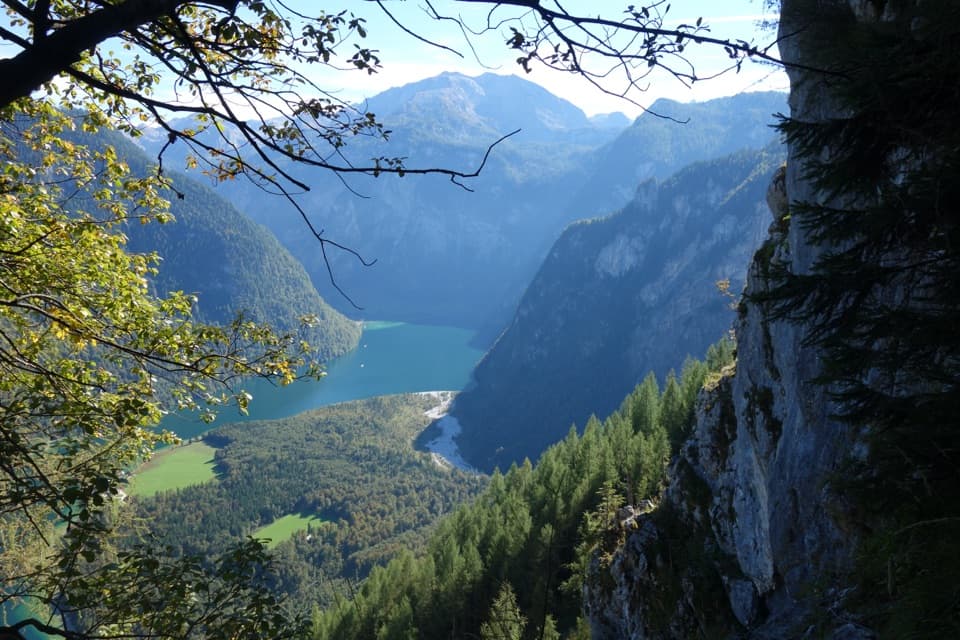
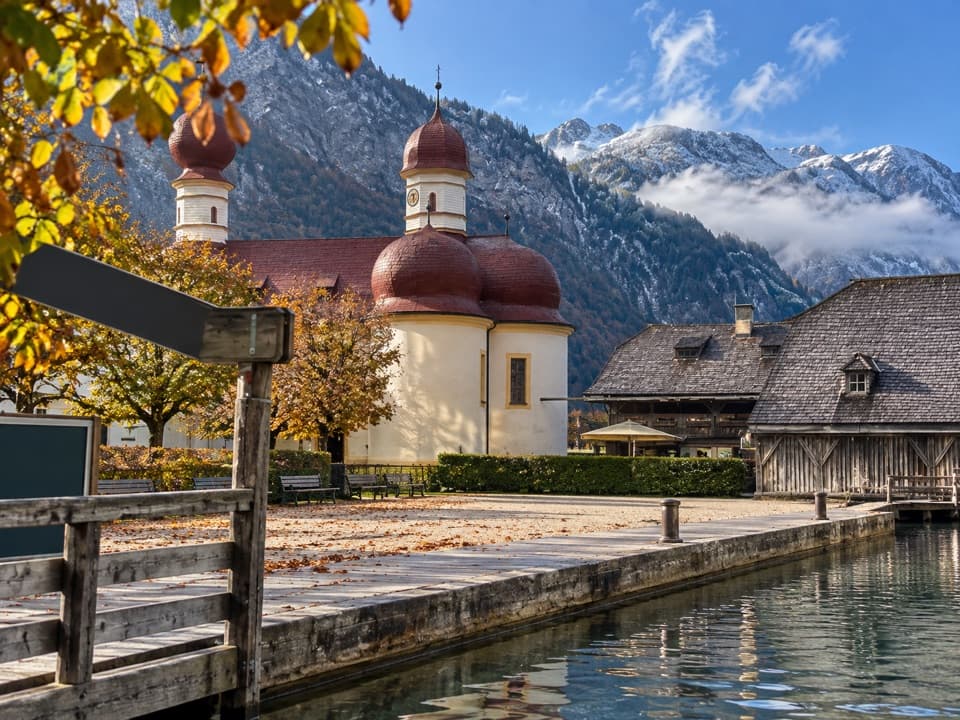
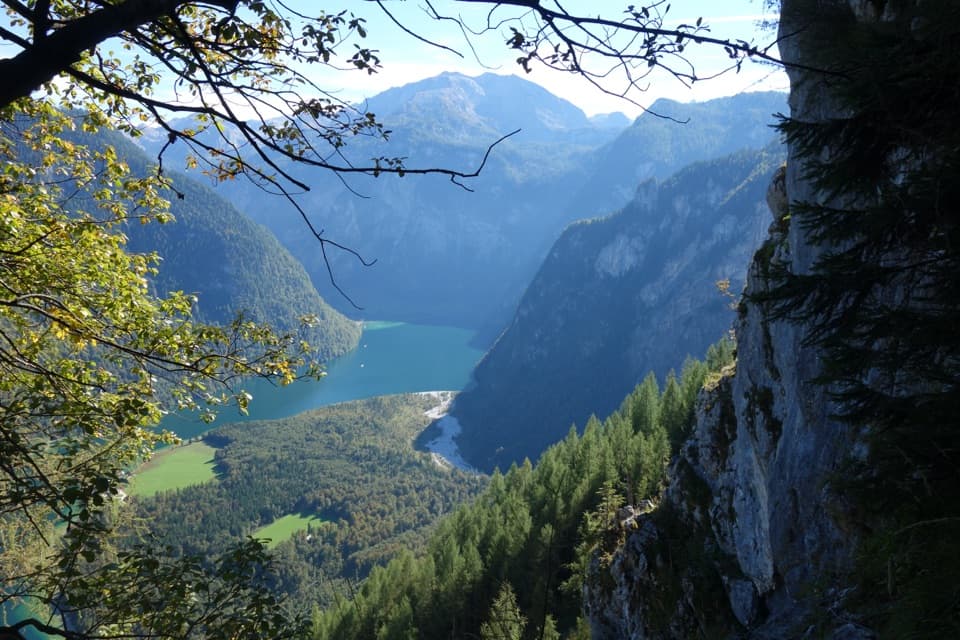
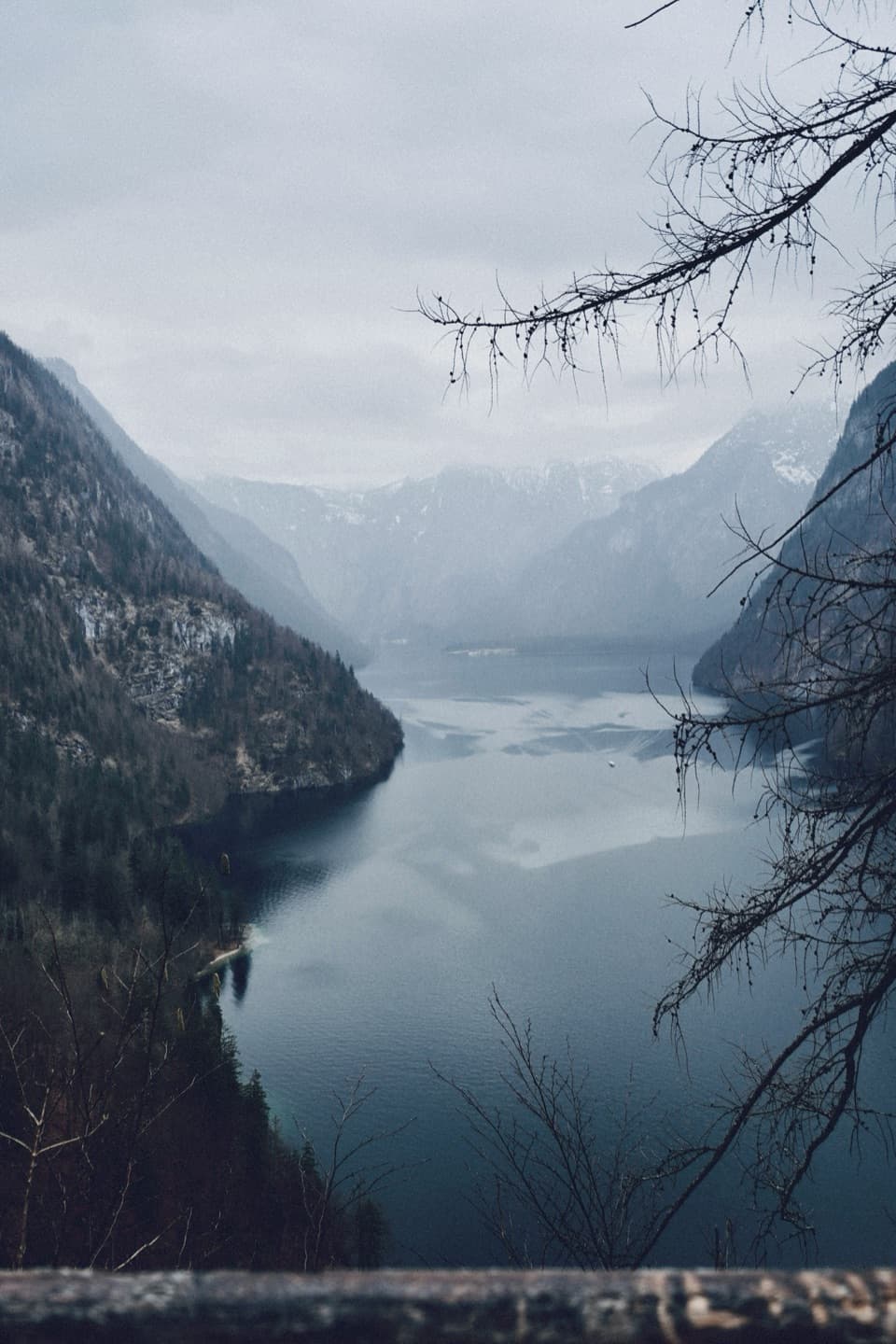
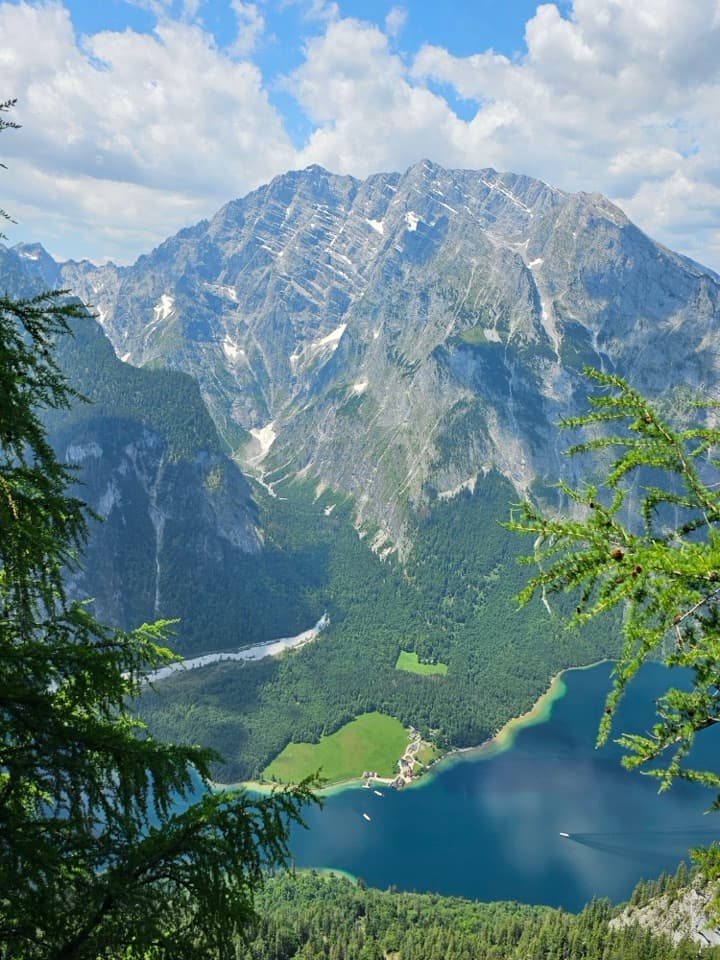
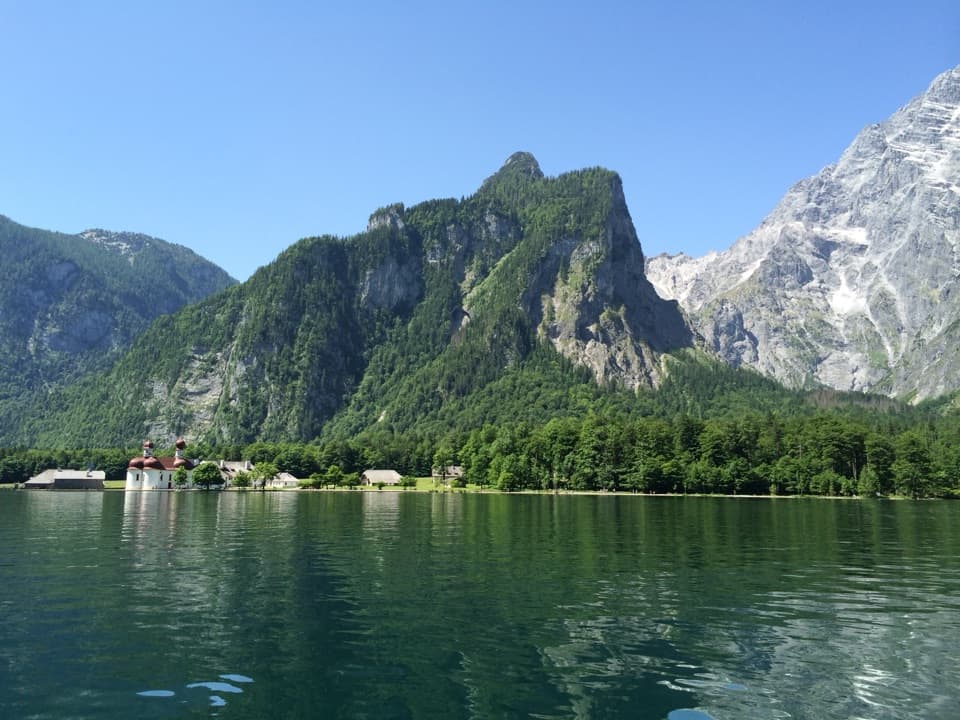
Another long point‑to‑point links the Königssee boat request stop at Kessel to Gotzenalm and Priesbergalm, continuing toward Schönau. It’s a big outing (around 20 km, ~1285 m gain, 8.5–9 hours). Boats only stop at Kessel on request; public toilets are at the major piers (Königssee Seelände, St. Bartholomä, Salet), not on the boats.
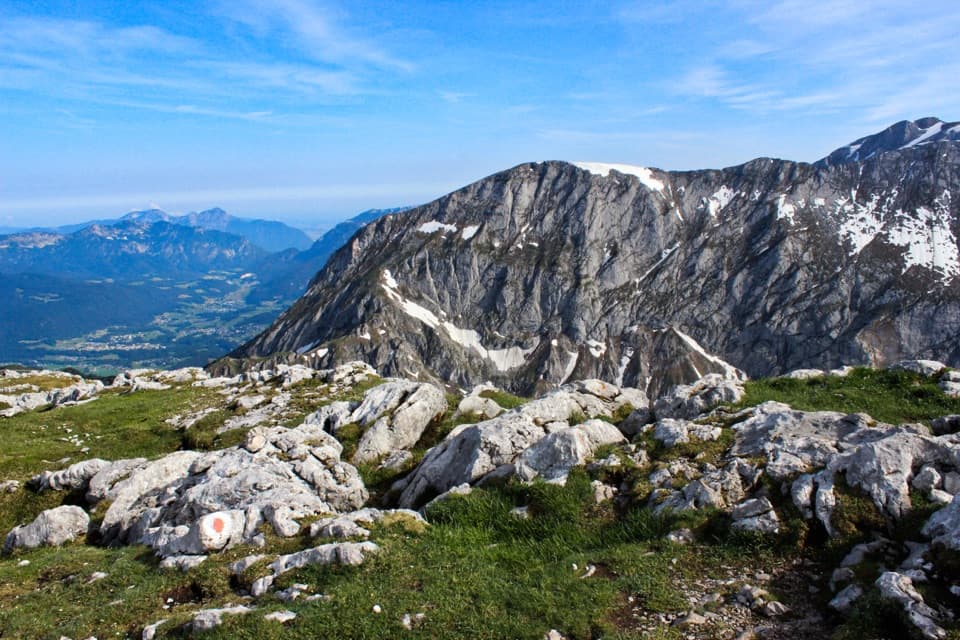
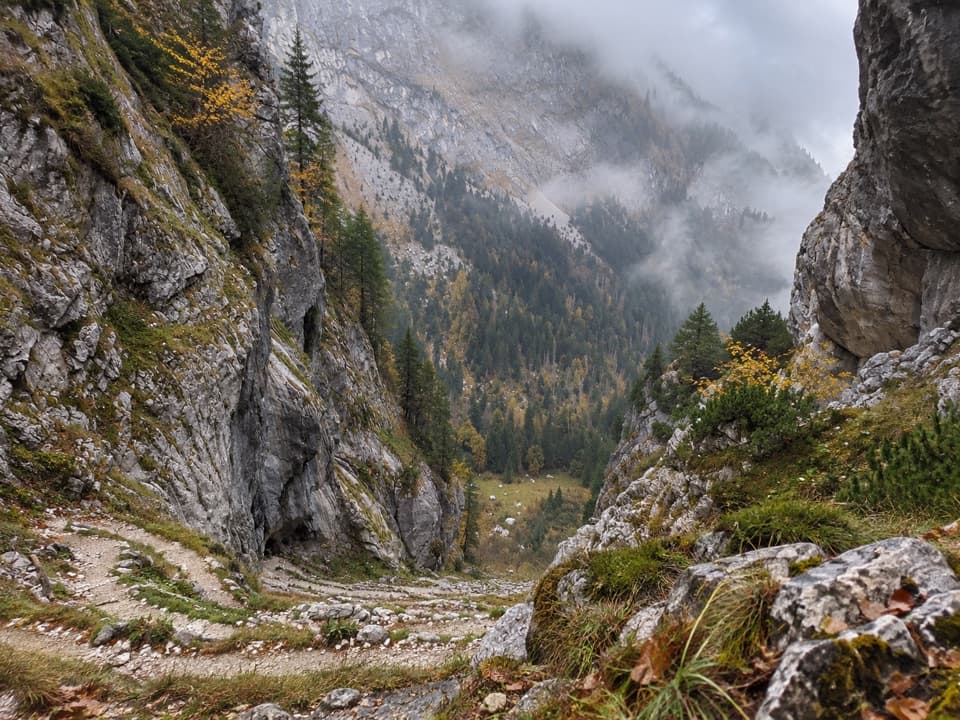
Above the Alm, the terrain is high‑alpine limestone: rough, uneven, and slick when wet. Near Priesbergalm it mellows to grassy tracks. Park signage uses color codes—yellow (easiest), blue (easy mountain trail), red (steeper with fall risk), black (exposed/alpine). Expect red/black sections on the Kleine Reibn before the easy pastures here.
This is prime habitat for chamois in the steeper zones above, with red deer moving through forest edges and meadows. Overhead, keep an eye out for golden eagles. Give all wildlife space and let the park’s natural processes do their thing—pack out everything you bring.
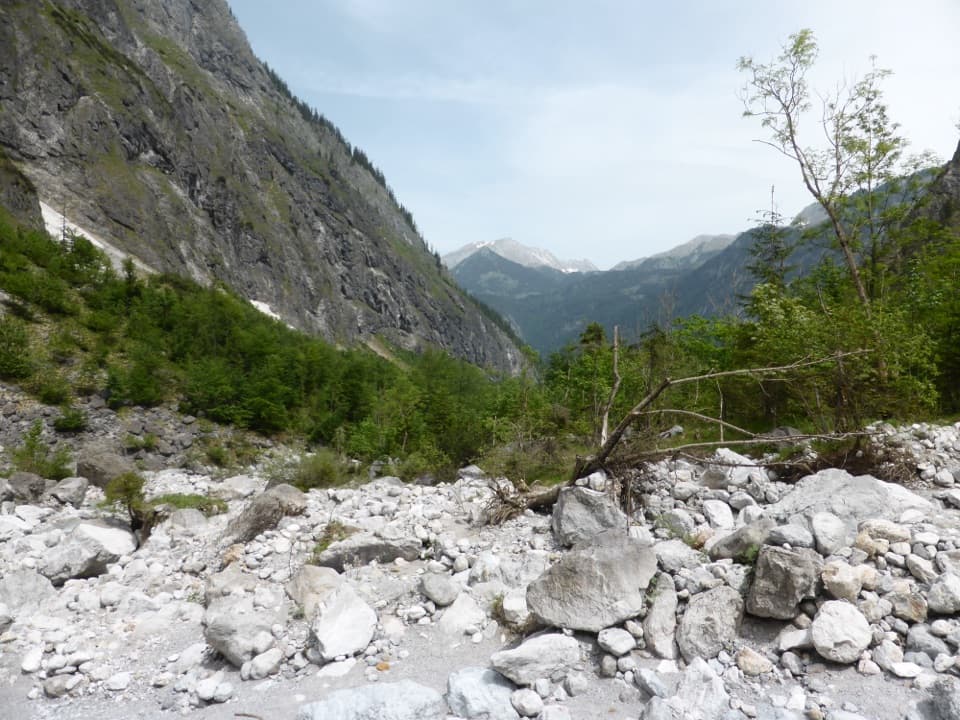
You’re walking on the Northern Limestone Alps—Dachstein limestone and Ramsau dolomite laid down in the ancient Tethys Ocean and later folded and lifted as continents collided. That history carved today’s benches, cliffs, and karst plateaus up high, easing into softer pastureland around Priesbergalm.
Best season is roughly June–October. Snow can linger on higher paths into late July, and summer thunderstorms are common. Treat the hut’s food/drink as a bonus: many Almen operate seasonally and may offer only limited items—or nothing—depending on weather and staffing. Outside the typical summer window, assume no services or toilets here.
Aim for a clear, early start to beat afternoon storms and to enjoy softer light on the meadows. On big traverses, plan your day so Priesbergalm becomes a relaxed mid‑ or late‑day pause rather than your only food source—unless you’ve confirmed it’s open.