
Place
Challenging
This is a long, committing alpine scramble to a quiet summit in the Skoki backcountry. You’ll hike established Skoki trails first, then leave them for a rugged, off‑trail ascent of Oyster Peak. Plan on about 21.7 miles total (round trip), with serious elevation gain (roughly 1,421–1,698 m) and a full-day push for fit parties.
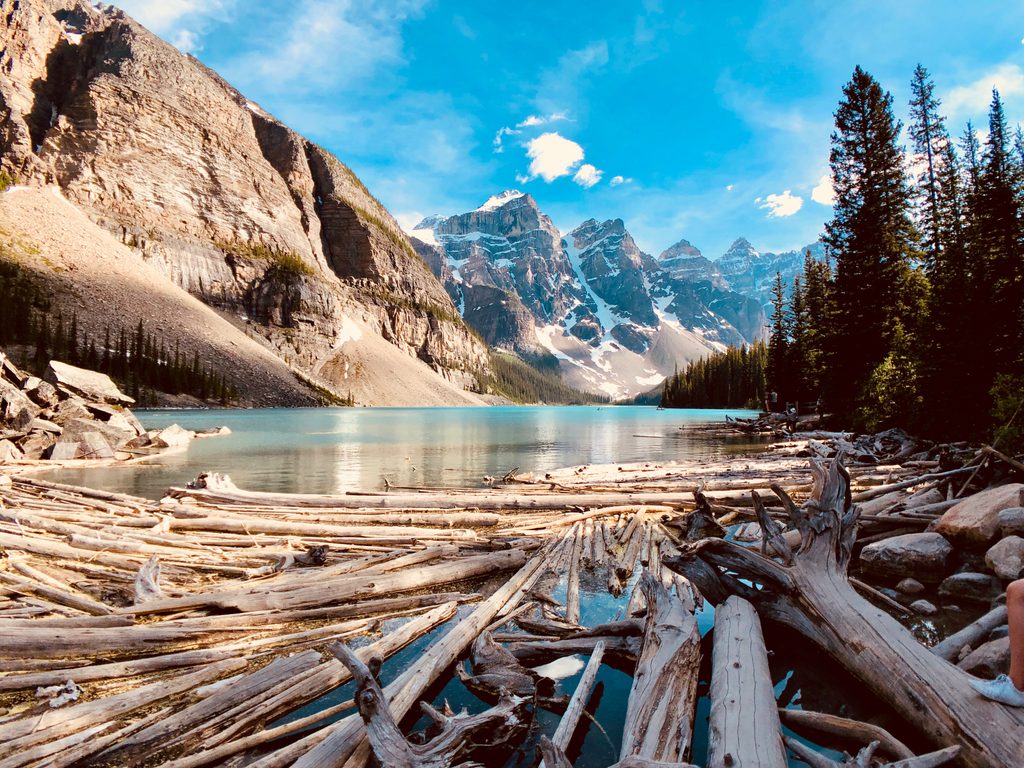
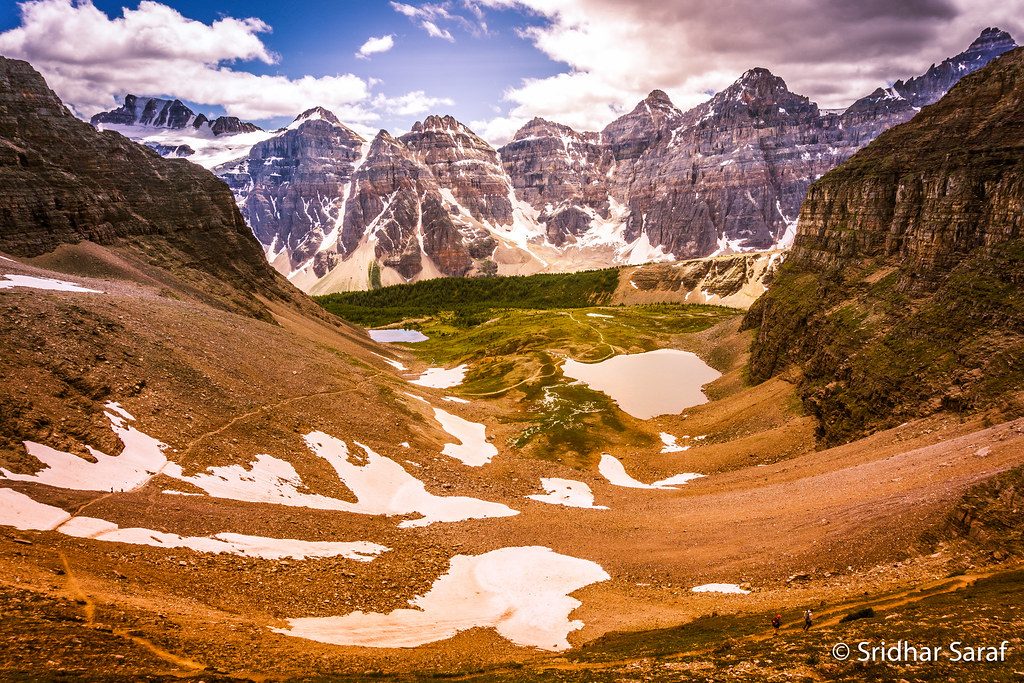
The approach rolls through open larch forests and alpine meadows to Boulder Pass, Ptarmigan Lake, and Baker Lake—classics in the Skoki. In September, the larches light up in gold around the passes and meadows. The upper route is all about scree, boulders, and airy ridge walking, with big views toward Skoki Mountain, Fossil Mountain, and Ptarmigan Peak. It’s quieter than Banff’s marquee hikes; solitude is part of the draw.
Most parties start from the Fish Creek Parking area (Lake Louise Ski Area access), follow the Skoki trail network toward Boulder Pass and Baker Lake, then leave the trail to gain Oyster Peak. Variations also approach from the Red Deer Lakes side. Expect faint paths, game trails, and off‑trail terrain: boulder hopping, occasional boggy ground near the lakes, loose scree, and sections of exposed ridge near the top. Some lines (especially from the north) feel steep and airy. Navigation skills and comfort on Class 2/3 scrambling terrain are essential.
This is a difficult route (think 10.5–11.5 hours for most standard variations). It’s not maintained or marked once you leave the main Skoki trails, and there’s real exposure in places. If you’re new to off‑trail travel or don’t enjoy loose rock and route‑finding, this won’t be fun. If you do, it’s a rewarding, under-the-radar summit day.
Late July through late September is your window—after snow melts but before early fall storms roll in. September’s larch show is fantastic, but start early; days are shorter and mornings can be frosty. In mid-summer heat, the Baker Lake area can feel toasty—carry plenty of water and sun protection.
Day trips don’t require special permits beyond a Parks Canada pass. Backcountry camping at Baker Lake or other sites requires reservations. Dogs are generally allowed on leash in the park, but the off‑trail scrambling and exposure make this a poor choice for pets.
Park at Fish Creek Parking (Lake Louise Ski Area access) and take the Skoki trail toward Boulder Pass and Baker Lake before leaving the trail for the summit push.
Not a maintained trail: expect off‑trail navigation, loose scree, boulder hopping, occasional boggy sections near lakes, and exposed ridge scrambling near the summit. Weather changes fast—carry layers, food, and ample water.
Place
Place
Place
Place
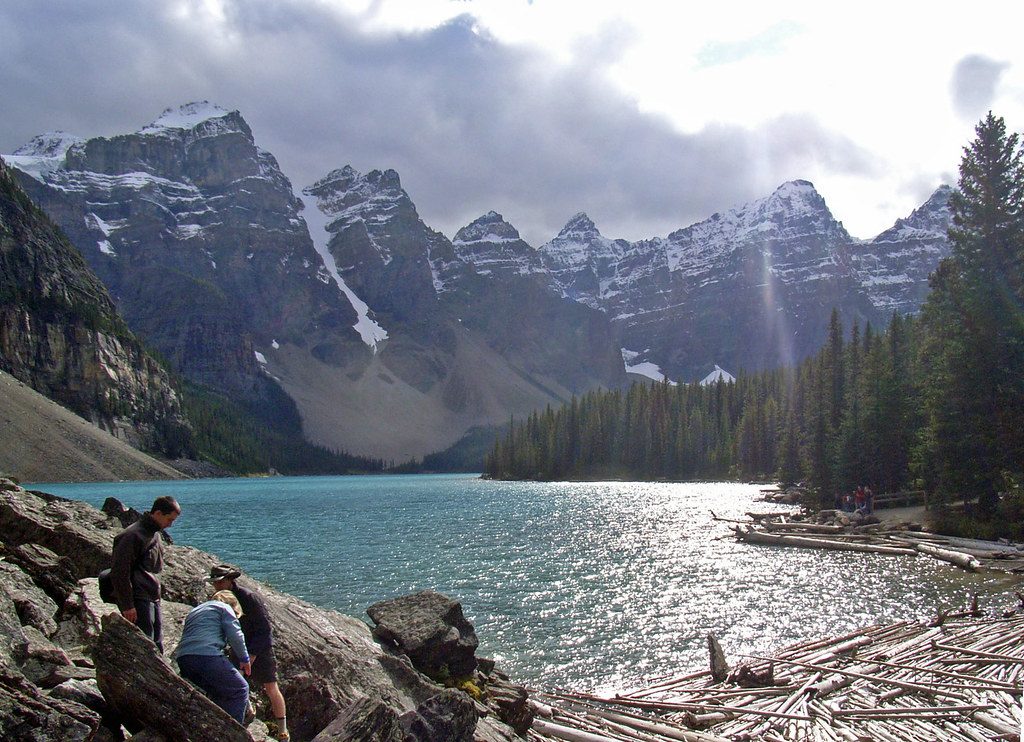
Easy
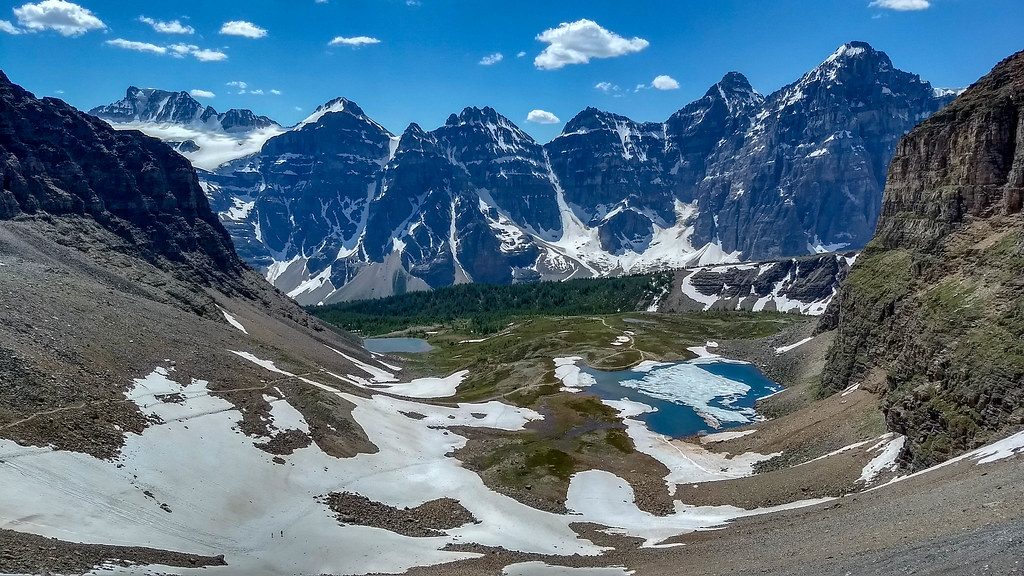
Challenging
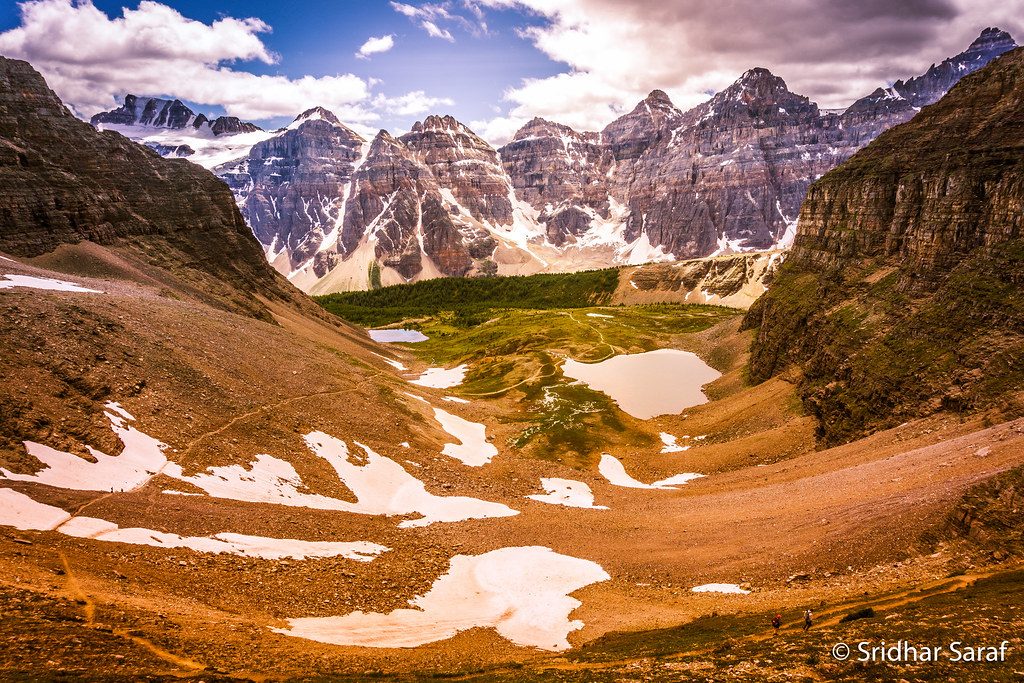
Challenging
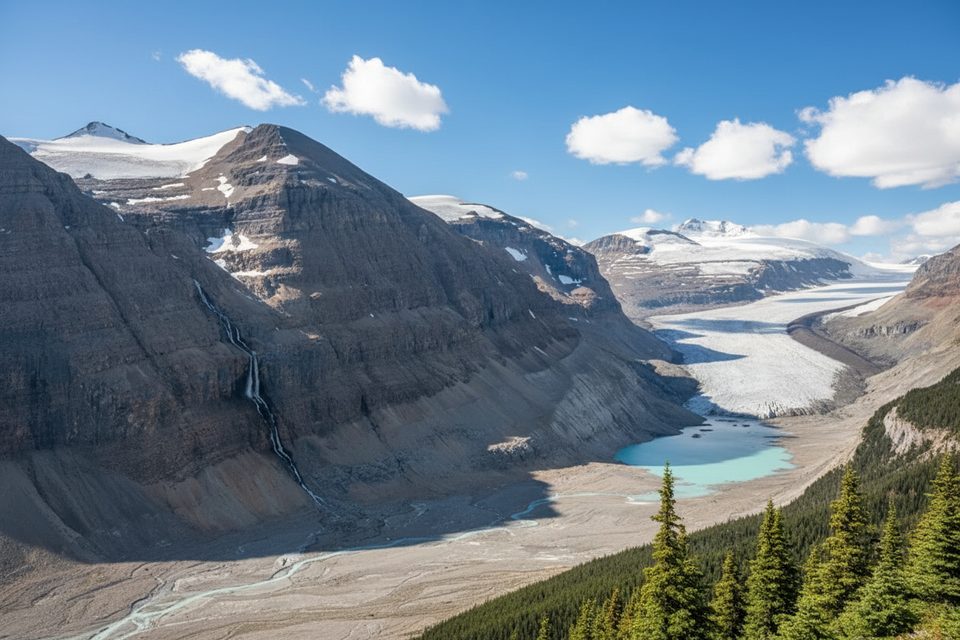
Moderate

Parkwolf Tour Guide
